

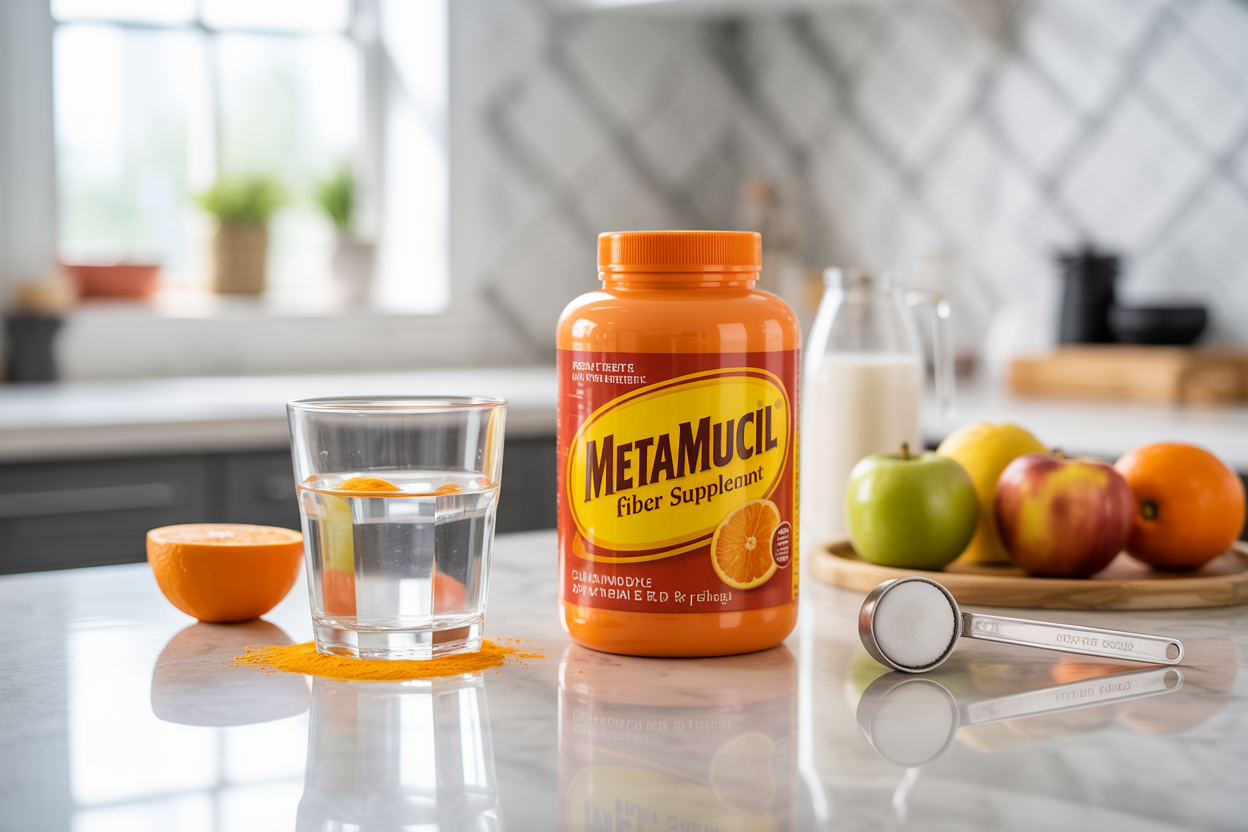
EverWise Health

<--Awin verification 001-->

The #1 Fiber Secret That’s Quietly Reversing Diabetes (Big Pharma Doesn’t Want You to Know)

introduction

Metamucil is a popular psyllium husk fibre supplement that millions of people use daily to support their digestive health and overall wellbeing. This natural soluble fibre comes from the Plantago ovata plant and offers benefits beyond just constipation relief.

This guide is written for adults considering a fibre supplement to improve their digestive routine, manage cholesterol levels, or support blood sugar control. Whether you’re dealing with irregular bowel movements or looking to add more fibre to your diet, understanding how psyllium fibre works can help you make an informed decision.

We’ll explore how Metamucil’s psyllium fibre benefits your body and the science behind its effectiveness for digestive health. You’ll also learn proper Metamucil dosage recommendations and safety guidelines to help you use this supplement confidently and avoid potential side effects.

Understanding Psyllium Fibre and How Metamucil Works
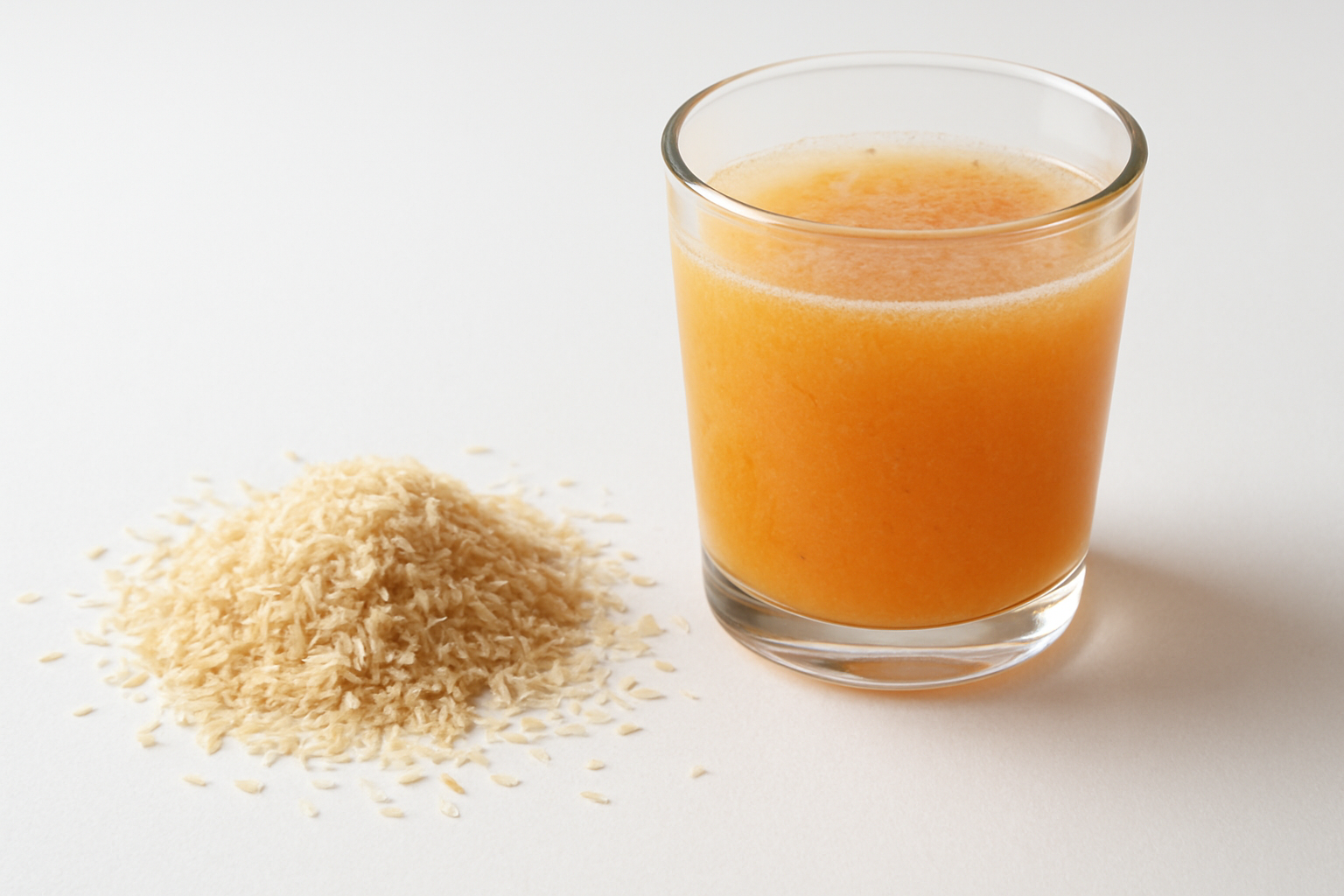
Understanding Psyllium Fibre and How Metamucil Works

Natural Soluble Fibre Source from Psyllium Husk

Psyllium husk comes from the seeds of Plantago ovata, a herb native to regions of Asia, the Mediterranean, and North Africa. This remarkable plant has been used for centuries in traditional medicine, but it’s only in recent decades that we’ve truly understood the science behind its effectiveness. When you pick up a bottle of Metamucil, you’re essentially getting a concentrated dose of this time-tested natural remedy.

The magic happens in the seed husks, which contain an incredibly high concentration of mucilage – a type of soluble fibre that can absorb water up to 50 times its own weight. This isn’t just any ordinary plant material; psyllium husk is approximately 70% pure soluble fibre, making it one of the richest sources of this beneficial nutrient found in nature.

What makes psyllium particularly special compared to other fibre sources is its unique composition. Unlike many plant fibres that are primarily insoluble, psyllium husk contains both soluble and insoluble components, with the soluble portion being predominant. This dual nature allows it to provide comprehensive digestive benefits that single-type fibres simply can’t match.

The harvesting and processing of psyllium husk is quite fascinating. The tiny seeds are carefully separated from the plant, and then the outer husks are mechanically removed and ground into the fine powder that forms the base of Metamucil. This process preserves the natural gel-forming properties that make psyllium so effective, whilst creating a product that’s easy to consume and digest.

Metamucil takes this natural psyllium husk and refines it into a pharmaceutical-grade supplement. The quality control measures are rigorous – each batch is tested for purity, potency, and the absence of contaminants. This ensures that when you’re taking your daily dose, you’re getting consistent, reliable results every time.

The soluble fibre content in psyllium husk is what sets it apart from other common fibre supplements. Whilst wheat bran or cellulose supplements provide mainly insoluble fibre that adds bulk, psyllium’s soluble fibre creates a gel-like substance that moves gently through your digestive system. This gentle action is why many people find Metamucil more comfortable to use than harsh stimulant laxatives or bulky fibre supplements.

Research has shown that the specific type of soluble fibre found in psyllium husk – called arabinoxylan – has unique properties that make it particularly effective for digestive health. This compound doesn’t just add bulk to stool; it actually helps regulate the entire digestive process, from the stomach through to elimination.

Gel-Forming Properties That Promote Digestive Health

The real secret behind Metamucil’s effectiveness lies in its remarkable gel-forming abilities. When psyllium husk comes into contact with water, something quite extraordinary happens at the molecular level. The mucilage compounds within the fibre begin to hydrate and expand, creating a thick, gel-like consistency that transforms how your digestive system processes food and waste.

This gel formation isn’t random or chaotic – it’s a highly organised process that creates a network of interconnected fibres. Think of it like a natural sponge that can hold water whilst maintaining its structure. This gel moves through your digestive tract as a cohesive mass, gently sweeping along waste materials and helping to regulate bowel movements.

The timing of this gel formation is crucial for its effectiveness. When you mix Metamucil with water and drink it promptly, the initial gel formation begins in your stomach. Here, the expanding fibre creates a sense of fullness that can help with appetite control and weight management. The gel continues to develop as it moves through your small intestine, where it plays a vital role in slowing down the absorption of sugars and fats.

One of the most impressive aspects of psyllium’s gel-forming properties is how they help normalise bowel movements regardless of your starting point. If you’re dealing with constipation, the gel adds moisture and bulk to hard stools, making them easier to pass. Conversely, if you’re experiencing loose stools, the gel helps absorb excess water and form more solid waste. This dual action is why Metamucil is often described as a “bowel movement normaliser” rather than simply a laxative.

The gel also creates an ideal environment for beneficial gut bacteria. As it moves slowly through your colon, it provides a steady food source for probiotics whilst helping to maintain optimal pH levels. This prebiotic effect supports overall digestive health and can contribute to better immune function, since roughly 70% of your immune system is located in your gut.

The consistency of the gel varies depending on how much water you use when preparing your Metamucil. Using the recommended amount of water creates the optimal gel consistency for digestive benefits. Too little water can result in a gel that’s too thick and difficult to swallow, whilst too much water may dilute the gel’s effectiveness.

Clinical studies have demonstrated that the gel-forming properties of psyllium fibre can significantly impact cholesterol levels. The gel binds to bile acids in the intestine, forcing your liver to use cholesterol to produce new bile acids. This process naturally reduces the amount of cholesterol circulating in your bloodstream, contributing to heart health benefits.

The gel formation also plays a crucial role in blood sugar management. By slowing down the digestion and absorption of carbohydrates, the psyllium gel helps prevent rapid spikes in blood glucose levels after meals. This makes Metamucil particularly beneficial for people managing diabetes or pre-diabetes, though it should always be used under medical supervision in these cases.

Different Forms Available: Powder, Capsules, and Wafers

Metamucil comes in several different forms, each designed to meet specific preferences and lifestyle needs. The variety ensures that regardless of your taste preferences, daily routine, or physical limitations, there’s likely a Metamucil product that will work for you.

Powder Form

The original Metamucil powder remains the most popular and versatile option. Available in multiple flavours including orange, berry, and unflavoured varieties, the powder allows for complete control over your dosage and mixing preferences. The powder form dissolves most completely in liquid, creating the optimal gel formation for maximum digestive benefits.

The unflavoured powder is particularly useful for people who want to add psyllium fibre to their existing foods or beverages without altering the taste. You can mix it into smoothies, yoghurt, or even soup. The flavoured varieties, on the other hand, can make taking your daily fibre supplement feel more like enjoying a refreshing drink.

One advantage of powder form is cost-effectiveness. Generally, you get more servings per pound when purchasing powder compared to capsules or wafers. The powder also allows for easy dose adjustment – if you’re just starting with fibre supplementation, you can begin with half doses and gradually increase as your digestive system adapts.

The key to success with powder form is proper mixing technique. The powder should be stirred vigorously into at least 240ml of liquid and consumed immediately to prevent excessive thickening. Some people prefer to use a blender bottle or shaker to ensure complete dissolution.

Capsule Form

Metamucil capsules offer the ultimate in convenience and portability. Each capsule contains a pre-measured amount of psyllium husk, eliminating the guesswork and mess associated with powder mixing. This form is ideal for people with busy lifestyles, those who travel frequently, or anyone who simply prefers the convenience of swallowing capsules.

The capsules are particularly beneficial for people who dislike the taste or texture of fibre supplements. There’s no mixing, no potential for lumps, and no flavour to contend with. You simply swallow the recommended number of capsules with a full glass of water.

However, it’s crucial to understand that capsules require more water than you might expect. Each capsule needs adequate liquid to dissolve properly and create the beneficial gel formation in your digestive system. Taking capsules with insufficient water can potentially cause choking or blockages, so always follow the package instructions carefully.

The controlled-release nature of capsules means the psyllium husk is released gradually as the capsule dissolves, which some people find gentler on their digestive system. This can be particularly helpful during the initial adjustment period when starting fibre supplementation.

Wafer Form

Metamucil wafers represent the most palatable option for many users. These biscuit-like treats come in flavours such as apple crisp and cinnamon spice, making your daily fibre intake feel more like enjoying a snack than taking a supplement.

The wafers are particularly appealing to people who struggle with liquid supplements or have difficulty swallowing capsules. They can be eaten on their own or crumbled into cereal or yoghurt. The chewable format also allows for slower consumption, which some people find more satisfying.

Each wafer contains a specific amount of psyllium fibre, but the concentration is lower than in powder or capsule forms. This means you might need to consume multiple wafers to achieve the same fibre intake as a single dose of powder. However, for people who find it difficult to get adequate fibre through other means, wafers provide an accessible and enjoyable solution.

The wafers must still be consumed with adequate water to ensure proper gel formation and prevent digestive discomfort. The recommended amount is typically 240ml of liquid per wafer, which is essential for the psyllium to work effectively.

Choosing Between Forms

Your choice between powder, capsules, and wafers should depend on several factors. Consider your daily routine – do you have time for mixing powder, or would you prefer the grab-and-go convenience of capsules? Think about taste preferences – some people love the flavoured powders, whilst others prefer the neutral taste of capsules.

Budget considerations may also play a role, as powder forms typically offer better value per dose. If you’re managing specific health conditions, your healthcare provider might recommend a particular form based on your individual needs and medical history.

Many people find success by having multiple forms available. For instance, powder for home use and capsules for travel, or wafers as an occasional alternative when you want variety in your routine. The most important factor is consistency – whichever form you choose, regular daily use is key to experiencing the full benefits of psyllium fibre supplementation.

Proven Health Benefits of Regular Metamucil Use

Proven Health Benefits of Regular Metamucil Use

Improved Bowel Regularity and Constipation Relief

Metamucil’s most well-documented benefit lies in its ability to promote regular bowel movements and provide constipation relief. The psyllium husk in Metamucil works as a bulk-forming laxative, absorbing water in the intestines to create softer, bulkier stools that pass more easily through the digestive system.

Clinical studies have consistently shown that regular psyllium fibre intake can increase stool frequency and improve stool consistency within just a few days of starting supplementation. Unlike stimulant laxatives that force the bowel to contract, Metamucil works naturally with your body’s digestive processes, making it safe for long-term use without creating dependency.

The mechanism behind this digestive health benefit is relatively straightforward. When you consume Metamucil, the psyllium husk absorbs up to 10 times its weight in water, forming a gel-like substance that adds bulk to stool whilst keeping it soft and easy to pass. This increased bulk also stimulates the natural peristaltic movements of the intestines, encouraging regular bowel movements without cramping or urgency.

Research published in the American Journal of Gastroenterology demonstrated that participants taking psyllium fibre experienced significant improvements in:

  • Stool frequency (increasing from an average of 2.5 to 4.8 bowel movements per week)
  • Stool consistency and ease of passage
  • Reduced straining during bowel movements
  • Overall digestive comfort and satisfaction

What makes Metamucil particularly effective for constipation relief is its gentle action. Unlike harsh chemical laxatives that can cause cramping, bloating, and unpredictable urgency, psyllium fibre provides gradual, comfortable relief. Most people notice improvements within 12-72 hours of their first dose, with optimal results typically achieved after one week of consistent use.

The fibre supplement also helps establish a healthy rhythm for your digestive system. Regular use can train your bowels to function more predictably, reducing the likelihood of future constipation episodes. This makes Metamucil an excellent choice for people dealing with chronic constipation or irregular bowel patterns due to dietary changes, travel, medication side effects, or lifestyle factors.

Cholesterol Reduction and Heart Health Support

One of Metamucil’s most scientifically validated benefits is its ability to lower cholesterol levels, particularly LDL (low-density lipoprotein) or “bad” cholesterol. This heart health benefit has been extensively studied and recognised by major health organisations, including the FDA, which allows Metamucil to make qualified health claims about cholesterol reduction.

Psyllium husk works to reduce cholesterol through a process called bile acid sequestration. When you consume Metamucil, the soluble fibre binds to bile acids in your intestines. Your liver produces bile acids from cholesterol to help digest fats, and when these bile acids are bound by psyllium and eliminated from the body, your liver must produce more bile acids, using up existing cholesterol stores in the process.

Multiple clinical trials have demonstrated impressive cholesterol-lowering results:

Study Duration LDL Cholesterol Reduction Total Cholesterol Reduction
8 weeks 7-11% 5-9%
12 weeks 9-13% 6-10%
26 weeks 10-15% 7-12%

A landmark study published in the Journal of the American Medical Association followed participants for six months and found that taking 5.1 grams of psyllium twice daily resulted in an average LDL cholesterol reduction of 12.4%. This reduction is clinically significant and can substantially lower cardiovascular disease risk when combined with a heart-healthy diet.

The cholesterol-lowering effects of Metamucil work synergistically with other heart-healthy lifestyle changes. When combined with a diet low in saturated fat and cholesterol, regular exercise, and weight management, psyllium fibre can help achieve even more substantial improvements in cardiovascular risk factors.

Research has also shown that psyllium’s cholesterol-lowering benefits extend beyond just LDL reduction. Regular use can help improve the ratio of HDL (good cholesterol) to LDL cholesterol, reduce triglyceride levels, and lower overall cardiovascular inflammation markers. These combined effects contribute to better overall heart health and reduced risk of heart disease, stroke, and other cardiovascular complications.

The heart health benefits typically become apparent after 4-6 weeks of consistent use, with maximum benefits usually achieved after 2-3 months. Regular monitoring with your healthcare provider can help track improvements and adjust dosing if needed to achieve optimal cholesterol levels.

Blood Sugar Level Management

Metamucil offers significant benefits for blood sugar control, making it particularly valuable for people with diabetes, prediabetes, or those looking to maintain stable glucose levels throughout the day. The soluble fibre in psyllium husk slows down carbohydrate digestion and glucose absorption, leading to more gradual rises in blood sugar after meals.

When you consume Metamucil with or before meals, the psyllium forms a gel-like barrier in your stomach and small intestine. This gel slows the movement of food through your digestive system and creates a physical barrier that carbohydrates must pass through to reach absorption sites. This delayed absorption means glucose enters your bloodstream more slowly and steadily, preventing the sharp spikes that can occur after eating high-carbohydrate meals.

Clinical studies have documented several important blood sugar benefits:

  • Post-meal glucose spikes reduced by 20-30%
  • Improved insulin sensitivity over time
  • Lower hemoglobin A1C levels (a measure of long-term blood sugar control)
  • Reduced need for rapid-acting insulin in some diabetic patients

A comprehensive study published in Diabetes Care followed type 2 diabetics for 12 weeks and found that those taking psyllium before meals experienced significantly better glycaemic control compared to the control group. Participants saw their average post-meal glucose levels drop by 24%, and their HbA1c levels improved by an average of 0.8%.

The blood sugar benefits of Metamucil extend beyond just post-meal effects. Regular use can improve overall insulin sensitivity, meaning your body becomes more efficient at using the insulin it produces. This can lead to better baseline glucose levels throughout the day, not just after meals.

For people with diabetes, incorporating Metamucil into their daily routine can complement other diabetes management strategies. The improved blood sugar control may allow for better medication management, though any changes to diabetes medications should always be discussed with a healthcare provider.

The timing of Metamucil consumption is crucial for optimal blood sugar benefits. Taking it 30 minutes before meals provides the best glucose-blunting effects, whilst taking it with meals can still provide benefits but may be less pronounced. Starting with smaller doses and gradually increasing helps minimise digestive side effects whilst your body adjusts to the increased fibre intake.

Weight Management Through Increased Satiety

Metamucil serves as an effective tool for weight management by promoting feelings of fullness and reducing overall calorie intake. The psyllium fibre creates physical and hormonal changes that naturally suppress appetite and help control portion sizes, making it easier to maintain a healthy weight or lose excess pounds.

The satiety benefits work through multiple mechanisms. When psyllium absorbs water in your stomach, it expands significantly, creating physical fullness that signals your brain that you’ve eaten enough food. This mechanical satiation helps reduce the urge to overeat during meals and decreases between-meal snacking.

Additionally, the slower gastric emptying caused by psyllium means food stays in your stomach longer, extending the feeling of fullness well beyond the meal. This prolonged satiety can help reduce overall daily calorie intake without conscious effort or feelings of deprivation.

Research on psyllium and weight management has shown promising results:

  • Participants consuming psyllium before meals ate 10-15% fewer calories
  • Average weight loss of 2-4 pounds over 12 weeks when combined with a moderate calorie reduction
  • Significant reductions in waist circumference and body fat percentage
  • Decreased cravings for high-calorie snacks between meals

A study published in the European Journal of Clinical Nutrition found that people who took psyllium 30 minutes before meals consumed an average of 200 fewer calories per day without making any other dietary changes. Over the course of the 16-week study, this natural calorie reduction led to an average weight loss of 5.2 pounds.

The weight management benefits of Metamucil are particularly effective when combined with mindful eating practices and a balanced diet. The increased fullness makes it easier to recognise true hunger signals and stop eating when satisfied, rather than continuing to eat out of habit or emotion.

Psyllium also helps stabilise blood sugar levels, which can reduce cravings for sugary or high-carbohydrate snacks that often derail weight management efforts. The steady energy levels that result from better glucose control make it easier to stick to healthy eating patterns throughout the day.

The fibre supplement works especially well for people who struggle with portion control or frequent snacking. By taking Metamucil before your largest meals of the day, you can naturally reduce your appetite and food intake without feeling restricted or hungry.

Starting a weight management routine with Metamucil requires consistency for best results. Most people notice increased satiety within the first week of use, but the full weight management benefits typically become apparent after 4-6 weeks of regular consumption. Combining Metamucil with regular physical activity and a balanced diet maximises the weight management potential and supports long-term success.

Proper Dosage and Usage Guidelines for Maximum Effectiveness

Proper Dosage and Usage Guidelines for Maximum Effectiveness

Recommended Daily Amounts for Different Age Groups

Getting the Metamucil dosage right makes all the difference between experiencing the full benefits of this psyllium fibre supplement and dealing with unnecessary digestive upset. Different age groups require varying amounts of psyllium husk, and understanding these distinctions helps you maximise the effectiveness of your fibre supplement routine.

For adults aged 18-64, the standard recommendation centres around one rounded teaspoon (approximately 3.4 grams) of Metamucil powder mixed with 240ml of liquid, taken one to three times daily. This translates to roughly 10-11 grams of psyllium fibre per day at the upper end. Many people start with once daily and gradually increase based on their individual response and digestive health needs.

Adults over 65 often benefit from starting with slightly lower amounts due to potentially slower digestive processes and increased sensitivity to dietary changes. Beginning with half a teaspoon once daily allows older adults to gauge their body’s response while still supporting healthy bowel movement patterns. The maximum recommended amount remains the same as younger adults, but the progression should be more gradual.

Teenagers aged 12-17 can typically handle adult dosing, though starting with once daily proves wise for this age group. Their bodies are still developing, and introducing psyllium husk gradually helps establish healthy digestive habits without overwhelming their system. Parents should monitor teenagers’ water intake particularly carefully, as this demographic often struggles with adequate hydration.

Children aged 6-11 require significantly reduced amounts, typically one-half the adult dose. This usually means starting with half a teaspoon mixed thoroughly in at least 180ml of liquid once daily. Children under 6 should only use Metamucil under direct medical supervision, as their digestive systems require careful consideration when introducing fibre supplements.

Pregnant and breastfeeding women can generally use standard adult dosing, though consulting with healthcare providers before starting any fibre supplement remains essential. Pregnancy often brings constipation relief needs, and psyllium fibre offers a safe option when used appropriately.

Age Group Starting Dose Maximum Daily Dose Frequency
Adults (18-64) 1 tsp (3.4g) 3 tsp (10.2g) 1-3 times daily
Seniors (65+) ½ tsp (1.7g) 3 tsp (10.2g) 1-3 times daily
Teenagers (12-17) 1 tsp (3.4g) 2 tsp (6.8g) 1-2 times daily
Children (6-11) ½ tsp (1.7g) 1 tsp (3.4g) 1-2 times daily

Individual factors significantly influence optimal dosing. People with chronic constipation relief needs might require doses at the higher end of recommended ranges, while those using Metamucil primarily for cholesterol reduction or blood sugar control might find lower doses sufficient. Body weight, activity level, and overall diet composition all play roles in determining the most effective personal dosing strategy.

Timing Recommendations for Optimal Results

Timing your Metamucil intake strategically amplifies its benefits across multiple health dimensions. The beauty of psyllium fibre lies in its versatility, but understanding when to take it maximises its impact on digestive health, cholesterol reduction, and blood sugar control.

Morning administration, particularly 30 minutes before breakfast, offers excellent benefits for those seeking constipation relief and overall digestive health improvement. Taking your fibre supplement first thing allows it to begin working throughout the day, promoting regular bowel movements and establishing a consistent routine. Many people find this timing helps them remember their daily dose while supporting their body’s natural digestive rhythm.

For individuals focusing on cholesterol reduction, taking Metamucil 15-30 minutes before meals proves most effective. The soluble fibre forms a gel-like substance in the digestive tract that can help bind cholesterol and bile acids, potentially supporting healthy cholesterol levels. This pre-meal timing allows the psyllium husk to be optimally positioned when dietary fats and cholesterol enter the digestive system.

Blood sugar control benefits emerge most prominently when Metamucil is taken before carbohydrate-rich meals. The soluble fibre can help slow the absorption of sugars, potentially supporting more stable blood glucose levels. Taking your dose 15-20 minutes before meals containing significant carbohydrates provides the best opportunity for this beneficial effect.

Evening doses work well for people who experience overnight digestive discomfort or those who prefer splitting their daily intake. However, taking Metamucil too close to bedtime might cause some individuals to wake during the night due to increased bowel activity. Generally, allowing at least 2-3 hours between your last dose and sleep proves optimal.

Spacing multiple daily doses throughout the day, rather than taking them all at once, typically provides more consistent benefits. If taking three doses daily, morning, midday, and early evening timing spreads the fibre supplement intake evenly, supporting steady digestive function and maximising the potential for cholesterol reduction and blood sugar control.

Avoiding Metamucil immediately after large meals prevents potential bloating and discomfort. The psyllium fibre needs space to expand and work effectively, and taking it when your stomach is already full can lead to uncomfortable fullness and reduced effectiveness.

Athletes and highly active individuals might benefit from post-workout timing, as the body’s increased circulation and metabolism can enhance the absorption and effectiveness of the fibre supplement. However, avoid taking Metamucil immediately before intense exercise, as it might cause digestive discomfort during physical activity.

Importance of Adequate Water Intake

Water intake represents the most critical factor in Metamucil’s effectiveness and safety. Psyllium fibre absorbs water rapidly and dramatically, expanding up to 50 times its original size. Without sufficient fluid, this expansion can lead to serious complications, including intestinal blockage, making proper hydration absolutely essential for safe and effective use.

The minimum water requirement for each Metamucil dose stands at 240ml (8 fluid ounces) of liquid, but many people benefit from consuming even more. The psyllium husk continues absorbing water as it moves through the digestive system, so drinking additional water throughout the day supports optimal function. Aim for an extra 240-480ml of water beyond your normal daily intake when using this fibre supplement regularly.

Room temperature or slightly warm water mixes more effectively with Metamucil powder than cold water. The powder dissolves more completely, reducing the risk of clumping and ensuring even distribution throughout the liquid. Cold water can cause the psyllium fibre to clump, making it difficult to consume and potentially less effective.

Mixing technique significantly impacts both effectiveness and palatability. Add the powder to water rather than water to powder, as this prevents clumping. Stir vigorously for at least 30 seconds, creating a smooth mixture. Drink the mixture immediately after stirring, as it begins thickening rapidly once mixed. Some people find using a shaker bottle or blender creates the smoothest consistency.

Different liquid choices affect Metamucil’s performance differently. Water remains the gold standard, but other options include:

  • Fruit juices: Can improve taste but may add unwanted sugars and calories
  • Milk: Provides additional nutrients but might cause issues for lactose-intolerant individuals
  • Herbal teas: Offer flavour variety while maintaining hydration benefits
  • Clear broths: Provide electrolytes and can be particularly appealing during illness

Avoid mixing Metamucil with carbonated beverages, as the bubbles can interfere with proper mixing and might cause uncomfortable gas buildup. Alcoholic beverages should also be avoided, as alcohol can contribute to dehydration, counteracting the hydration needed for safe psyllium fibre use.

Signs of inadequate water intake include difficulty swallowing the mixture, feeling of food stuck in the throat, severe bloating, or worsening constipation after starting Metamucil. If any of these occur, increase water intake immediately and consider reducing the dose temporarily.

People with kidney disease, heart conditions, or fluid restrictions should consult healthcare providers before starting Metamucil, as the increased water requirements might conflict with their medical needs. These individuals might need modified dosing schedules or alternative approaches to digestive health support.

Gradual Introduction to Prevent Digestive Discomfort

Starting Metamucil gradually represents the difference between a smooth transition to better digestive health and several days of uncomfortable bloating, gas, and cramping. Your digestive system needs time to adapt to increased fibre supplement intake, especially if your current diet lacks adequate fibre. Rushing this process often leads to abandoning the supplement entirely, missing out on its significant health benefits.

Begin with one-quarter of the recommended dose for the first 3-5 days. This might mean starting with just three-quarters of a teaspoon mixed with plenty of water once daily. During this initial period, pay attention to how your body responds. Mild gas or slight changes in bowel movement patterns are normal, but severe discomfort indicates you’re progressing too quickly.

Week one should focus on establishing tolerance at this reduced dose. If you experience no significant discomfort, gradually increase to half the recommended dose during the second week. This stepwise approach allows your gut bacteria to adjust and your digestive system to accommodate the increased psyllium husk without overwhelming your system.

Monitor your body’s signals throughout the introduction period. Positive signs include:

  • Gradual improvement in bowel movement regularity
  • Reduced straining during elimination
  • Feeling of completeness after bowel movements
  • Stable energy levels
  • No significant increase in gas or bloating

Warning signs that suggest slowing the introduction include:

  • Severe abdominal cramping
  • Excessive gas production
  • Significant bloating that interferes with daily activities
  • Constipation worsening rather than improving
  • Nausea or loss of appetite

Some people require 2-3 weeks to reach their full target dose, particularly those transitioning from very low-fibre diets. This extended timeline isn’t a failure; it’s a smart approach that ensures long-term success with your fibre supplement routine. Patience during this phase pays dividends in comfort and effectiveness later.

Individual factors influence the appropriate introduction timeline. People with sensitive digestive systems, irritable bowel syndrome, or inflammatory bowel conditions might need even slower progression. Those already consuming high-fibre diets might tolerate faster increases, but starting slowly remains wise regardless of current fibre intake.

Dietary modifications during the introduction period can ease the transition. Temporarily reducing other high-fibre foods while establishing your Metamucil routine prevents overwhelming your digestive system. Once you’ve successfully introduced your target psyllium fibre dose, you can gradually reintroduce other fibre sources.

Probiotic foods or supplements might help during the introduction period, as beneficial bacteria assist in fibre digestion and can reduce gas production. Yoghurt, kefir, sauerkraut, or kimchi provide natural probiotics that support digestive adaptation to increased fibre intake.

Physical activity supports the introduction process by promoting healthy digestion and reducing the likelihood of gas buildup. Even light walking after taking your Metamucil dosage can help prevent discomfort and support optimal digestive health benefits.

Keep a simple diary during the introduction period, noting your dose, timing, water intake, and any symptoms. This record helps identify patterns and optimal timing while providing valuable information if you need to consult healthcare providers about your fibre supplement routine.

Remember that temporary digestive changes during introduction don’t predict long-term experience. Many people who experience mild discomfort during the first week find their digestive systems adapt completely, allowing them to enjoy all the benefits of regular psyllium fibre supplementation for constipation relief, cholesterol reduction, and blood sugar control without ongoing issues.

Potential Side Effects and Safety Considerations

Potential Side Effects and Safety Considerations

Common Initial Digestive Symptoms

Starting Metamucil can sometimes feel like your digestive system is adjusting to a new routine. Most people experience mild changes during the first few days of taking this psyllium fibre supplement, which is completely normal as your body adapts to the increased fibre intake.

Gas and bloating rank among the most frequent initial complaints. Your digestive system may produce more gas than usual as the beneficial bacteria in your gut begin fermenting the psyllium husk fibres. This typically manifests as abdominal distension, mild cramping, or increased flatulence. The bloating sensation often feels most pronounced after meals and may last anywhere from a few days to two weeks as your digestive system adjusts.

Cramping represents another common adjustment symptom. These cramps usually feel mild to moderate and occur in the lower abdomen. They happen because your intestines are working harder to process the additional bulk from the fibre supplement. The cramping typically subsides within the first week of consistent use as your digestive muscles become accustomed to the increased workload.

Changes in bowel movement patterns often occur during the initial adjustment period. Some people notice their stools become temporarily softer or more frequent, whilst others might experience the opposite effect initially. Your body needs time to find its new equilibrium with the increased fibre intake, so these variations are expected and usually resolve within several days.

Stomach rumbling or increased bowel sounds frequently accompany the early days of Metamucil use. These noises result from increased intestinal activity as your digestive system processes the psyllium fibre. Whilst sometimes embarrassing, these sounds are harmless and typically diminish as your body adjusts.

To minimise these initial symptoms, start with smaller doses than recommended and gradually increase over 7-14 days. Taking Metamucil with meals rather than on an empty stomach can also reduce discomfort. Staying well-hydrated remains absolutely critical, as insufficient water intake can worsen bloating and cramping significantly.

Most initial digestive symptoms resolve completely within two weeks of starting Metamucil. If symptoms persist beyond this timeframe or worsen instead of improving, you should reassess your dosage or consult your healthcare provider. Severe cramping, persistent nausea, or signs of intestinal blockage warrant immediate medical attention.

Drug Interaction Warnings and Timing

Metamucil can significantly affect how your body absorbs other medications, making proper timing essential for maintaining the effectiveness of your existing treatments. The psyllium husk fibres form a gel-like substance in your digestive tract that can bind to certain medications, preventing them from being properly absorbed into your bloodstream.

Diabetes medications require particular attention when combined with psyllium fibre supplements. Metamucil can slow the absorption of glucose and may enhance the blood sugar control effects of diabetic medications. This interaction can potentially lead to hypoglycaemia (low blood sugar) if medication dosages aren’t adjusted appropriately. People taking insulin, metformin, or other diabetes medications should monitor their blood sugar levels more frequently when starting Metamucil and work with their healthcare provider to adjust dosages as needed.

Heart medications, particularly digoxin and warfarin, present significant interaction concerns. Psyllium fibre can reduce the absorption of these critical medications, potentially making them less effective. Digoxin levels may drop below therapeutic ranges, affecting heart rhythm control. Warfarin absorption can be impaired, potentially reducing its blood-thinning effectiveness and increasing clotting risks.

Thyroid hormone replacement therapy can be significantly affected by Metamucil use. Levothyroxine and other thyroid medications may be less well absorbed when taken with psyllium husk, potentially leading to symptoms of hypothyroidism returning. This interaction is particularly concerning because thyroid hormone levels need to remain stable for optimal health.

Antidepressants, particularly tricyclic antidepressants and lithium, may have reduced absorption when taken with fibre supplements. This can affect mood stability and treatment effectiveness. Similarly, some seizure medications may be less well absorbed, potentially increasing seizure risk.

The timing strategy for avoiding these interactions involves taking Metamucil at least 2 hours before or 4 hours after other medications. This window allows your other medicines to be absorbed before the psyllium fibre forms its gel-like barrier in your digestive tract. For critical medications like heart or seizure medicines, some healthcare providers recommend even wider time gaps.

Medication Type Recommended Time Gap Special Considerations
Diabetes medications 2-4 hours Monitor blood sugar closely
Heart medications 4+ hours Critical for effectiveness
Thyroid hormones 4+ hours Take thyroid medication on empty stomach
Antidepressants 2-4 hours Monitor mood changes
Seizure medications 4+ hours Don’t miss doses

Blood pressure medications may also be affected, though typically to a lesser degree. Some people notice changes in their blood pressure control when starting Metamucil, which may be related to both the medication interaction and the fibre supplement’s natural effects on cardiovascular health.

Antibiotics represent another category requiring careful timing. Psyllium fibre can reduce antibiotic absorption, potentially making infections harder to treat. Always separate antibiotic doses from Metamucil by at least 2-3 hours.

Birth control pills may have reduced effectiveness when taken too close to fibre supplements. Women relying on hormonal contraception should be particularly careful about timing and consider using backup contraception methods when starting Metamucil.

When to Consult Healthcare Professionals

Certain situations absolutely require professional medical guidance before starting or continuing Metamucil use. Understanding these scenarios can prevent serious complications and ensure you get the maximum benefit from this psyllium fibre supplement safely.

Pre-existing digestive conditions warrant immediate healthcare consultation. If you have inflammatory bowel disease, Crohn’s disease, ulcerative colitis, or diverticulitis, adding psyllium husk to your routine without medical supervision could worsen your symptoms or interfere with existing treatments. These conditions affect how your digestive system handles increased fibre, potentially leading to complications.

Swallowing difficulties or oesophageal problems make Metamucil potentially dangerous without proper medical oversight. The psyllium fibre expands rapidly when it contacts moisture, and if it begins expanding in your throat or oesophagus rather than reaching your stomach, it can cause serious blockages. People with dysphagia, oesophageal strictures, or a history of choking should never use powder forms of fibre supplements without specific medical approval.

Intestinal obstruction history requires careful evaluation before starting any fibre supplement. Psyllium husk adds bulk to intestinal contents, which could potentially trigger another obstruction in people with compromised intestinal function or anatomical abnormalities. Your healthcare provider needs to assess whether the benefits outweigh these risks in your specific situation.

Kidney disease patients need medical supervision because Metamucil products often contain potassium, which can be problematic for people with impaired kidney function. Additionally, the increased fluid requirements for proper psyllium fibre function may not be appropriate for people with fluid restrictions related to kidney or heart conditions.

Blood sugar management becomes more complex when adding Metamucil to diabetes treatment regimens. Whilst the blood sugar control benefits can be significant, the interactions with diabetes medications and the potential for hypoglycaemia require professional monitoring. Your healthcare provider may need to adjust medication dosages and create a monitoring plan for the first few weeks of fibre supplement use.

Warning signs during Metamucil use that require immediate medical attention include severe abdominal pain, vomiting, difficulty swallowing, chest pain, or signs of allergic reactions. Severe cramping that doesn’t improve with time or gets progressively worse could indicate an intestinal obstruction. Persistent nausea, especially when accompanied by vomiting, may signal that your digestive system isn’t handling the increased fibre load appropriately.

Allergic reactions to psyllium husk, whilst rare, can be serious. Symptoms include skin rashes, itching, difficulty breathing, swelling of the face or throat, or rapid heartbeat. These reactions require emergency medical treatment and mean you should permanently avoid psyllium fibre products.

Changes in bowel movement patterns that seem concerning also warrant professional consultation. Whilst some adjustment is normal, complete constipation that develops after starting Metamucil, or diarrhoea that persists beyond the initial adjustment period, may indicate dosage problems or underlying issues that need addressing.

Blood in stools, severe cramping that interferes with daily activities, or signs of dehydration despite adequate fluid intake all require prompt medical evaluation. These symptoms could indicate serious complications that need immediate attention.

Medication interaction concerns should prompt consultation with both your prescribing physician and pharmacist. If you take multiple medications, especially those with narrow therapeutic windows like heart medications or blood thinners, professional guidance helps ensure Metamucil won’t compromise your existing treatments.

Age-related considerations also matter. Elderly individuals may be more susceptible to dehydration and constipation relief complications, whilst children require different dosing approaches entirely. Healthcare providers can offer age-appropriate guidance for safe fibre supplement use.

Choosing the Right Metamucil Product for Your Needs
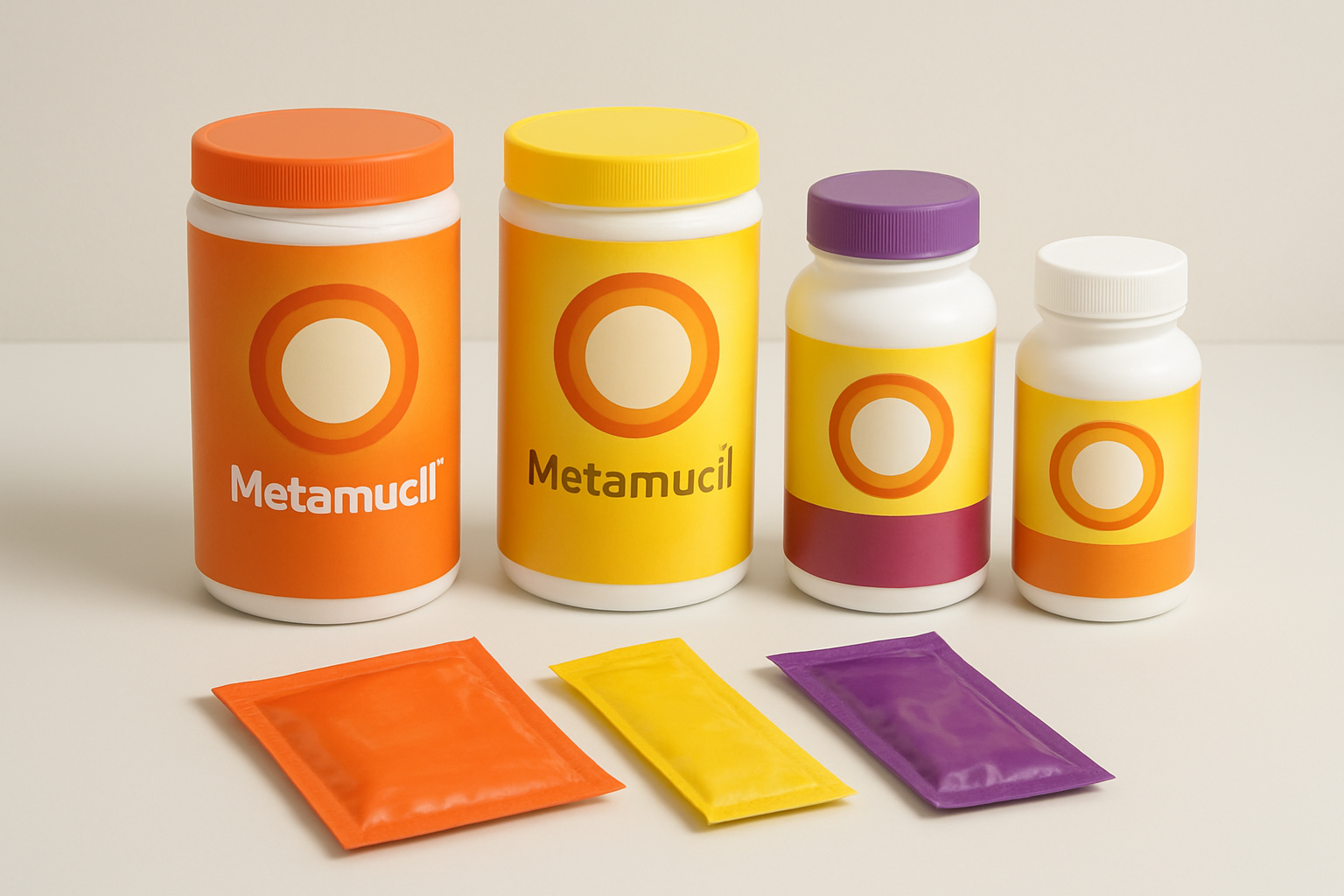
Choosing the Right Metamucil Product for Your Needs

Comparing flavoured versus unflavoured options

When you walk down the pharmacy aisle, you’ll spot Metamucil in a rainbow of flavours alongside the plain, unflavoured version. Each option brings distinct advantages that might align perfectly with your lifestyle and taste preferences.

Flavoured Metamucil varieties include orange burst, pink lemonade, berry burst, and citrus blend. These products contain artificial sweeteners like aspartame or sucralose, which make the psyllium husk more palatable without adding sugar. The flavouring masks the naturally earthy, somewhat gritty taste of pure psyllium fibre, making your daily dose feel more like drinking a refreshing beverage than taking medicine.

The unflavoured version offers complete control over how you consume your fibre supplement. You can mix it into any liquid, from water to smoothies, without altering the intended taste of your chosen beverage. Many people find this flexibility invaluable, especially those who prefer to blend their Metamucil into morning smoothies with fruits and vegetables.

Texture plays a significant role in your choice between flavoured and unflavoured options. Flavoured varieties often include additional ingredients that create a smoother consistency when mixed, reducing the slightly sandy texture that some users find off-putting. The unflavoured version maintains the natural texture of psyllium husk, which some people actually prefer as it provides a stronger sense that they’re consuming a beneficial fibre supplement.

Cost considerations also differ between these options. Unflavoured Metamucil typically costs less per serving than flavoured varieties, as manufacturers don’t need to include flavouring agents, sweeteners, and additional processing. If you’re planning long-term use for digestive health or cholesterol reduction, this price difference can add up to meaningful savings over months or years.

People with sensitivities to artificial sweeteners often gravitate towards unflavoured Metamucil. Some individuals experience digestive discomfort, headaches, or other reactions to aspartame or sucralose. The unflavoured version eliminates these potential triggers whilst still delivering the full benefits of psyllium fibre for bowel movement regularity and overall digestive health.

Mixing versatility represents another key advantage of unflavoured Metamucil. You can incorporate it into recipes, baked goods, or meal preparations without introducing unwanted flavours. Some creative users add unflavoured psyllium fibre to pancake batter, soup stocks, or homemade energy balls, expanding their fibre intake beyond the traditional drink format.

Sugar-free alternatives for diabetics

Diabetic-friendly Metamucil products deserve special attention, as managing blood sugar control alongside digestive health requires careful product selection. Most standard Metamucil varieties already qualify as sugar-free, using artificial sweeteners instead of sugar to enhance palatability.

The sugar-free orange flavoured option remains the most popular choice among diabetics. It contains aspartame as the primary sweetener, providing familiar orange taste without impacting blood glucose levels. Each serving delivers the same 3.4 grams of psyllium husk as regular varieties, ensuring consistent fibre supplement benefits for both digestive health and potential blood sugar management support.

Metamucil’s berry burst and pink lemonade sugar-free varieties offer additional flavour options for diabetics who want variety in their daily routine. These products use sucralose instead of aspartame, which some diabetics prefer due to different taste profiles or personal tolerance levels. Sucralose tends to have less of the artificial aftertaste that some people associate with aspartame.

The unflavoured, unsweetened version represents the gold standard for diabetics who want complete control over their carbohydrate intake. This option contains only psyllium husk without any added sweeteners, natural or artificial. Diabetics can monitor their total carbohydrate consumption more precisely and avoid any potential concerns about artificial sweetener effects on their individual glucose response.

Diabetic users often appreciate Metamucil’s potential role in blood sugar control. Research suggests that soluble fibre like psyllium can help slow glucose absorption from meals, potentially leading to more stable blood sugar levels throughout the day. This dual benefit of improved digestive health and blood sugar management makes Metamucil particularly valuable for diabetic individuals dealing with constipation or seeking additional fibre sources.

Timing considerations become important for diabetics using Metamucil. Many healthcare providers recommend taking psyllium fibre supplements 30 minutes before meals to maximise potential blood sugar benefits. This timing allows the soluble fibre to form a gel-like substance in the stomach, which can help moderate the absorption rate of subsequent food consumption.

Reading labels carefully remains essential for diabetics considering any Metamucil product. Whilst most varieties are sugar-free, some seasonal or specialty formulations might contain different ingredients. Always verify that your chosen product aligns with your diabetes management plan and dietary restrictions.

Capsule benefits for travel and convenience

Metamucil capsules revolutionise fibre supplementation for people with busy lifestyles or frequent travel schedules. These pre-measured doses eliminate the mixing, measuring, and potential mess associated with powder forms, making consistent psyllium husk intake remarkably simple.

Travel convenience ranks as the primary advantage of Metamucil capsules. Airport security won’t question capsules like they might large containers of powder, and you won’t need to carry measuring spoons or worry about finding suitable mixing containers. Each capsule contains a precise amount of psyllium fibre, ensuring your digestive health routine continues uninterrupted regardless of your location.

Workplace consumption becomes effortless with capsules. You can take them at your desk with a glass of water without drawing attention or creating any preparation ritual. This discretion appeals to professionals who want to maintain their fibre supplement routine without announcing it to colleagues or interrupting meetings for mixing and stirring powder.

Dosage accuracy improves significantly with capsules compared to powder measurements. Each capsule contains exactly 0.52 grams of psyllium husk, so taking six capsules equals one full serving equivalent to a rounded teaspoon of powder. This precision eliminates the guesswork and potential inconsistency that can occur when measuring powder, especially when you’re rushing or using unfamiliar measuring tools.

Water requirements differ between capsules and powder forms. Capsules require more water consumption to achieve the same hydrating effect as pre-mixed powder. You need to drink at least 8 ounces of water with capsules, and many users find they need additional water throughout the day to prevent any feeling of dehydration or digestive discomfort.

Storage advantages make capsules ideal for long-term stockpiling or emergency preparedness. The sealed capsules resist humidity and temperature fluctuations better than powder forms, maintaining their effectiveness longer under varying storage conditions. This stability makes them perfect for keeping in desk drawers, gym bags, or travel kits without worrying about clumping or degradation.

Cost per serving typically runs higher for capsules compared to equivalent amounts of powder Metamucil. The additional processing and packaging required for capsule production increases manufacturing costs, which translates to higher retail prices. However, many users find the convenience premium worthwhile for their specific lifestyle needs.

Cost-effectiveness analysis across different formats

Understanding the financial impact of different Metamucil formats helps you make informed decisions for long-term digestive health management. Price variations between products can be substantial, making cost analysis important for budget-conscious consumers.

Format Average Cost per Serving Servings per Container Total Container Cost Annual Cost (1 serving daily)
Unflavoured Powder £0.35 114 £39.90 £127.75
Flavoured Powder £0.42 72 £30.24 £153.30
Sugar-Free Flavoured £0.44 72 £31.68 £160.60
Capsules £0.58 160 £92.80 £211.70

Bulk purchasing strategies can significantly reduce your per-serving costs across all Metamucil formats. Many retailers offer discounts for purchasing multiple containers simultaneously, and subscription services often provide additional savings of 10-15% off regular prices. Warehouse clubs typically stock larger container sizes that offer better value for frequent users.

Generic psyllium husk alternatives present the most cost-effective option for budget-conscious consumers. Store-brand psyllium products often cost 40-60% less than name-brand Metamucil whilst providing identical active ingredients. The main trade-offs involve fewer flavour options and potentially different texture characteristics, but the core digestive health benefits remain equivalent.

Seasonal sales and pharmacy promotions create opportunities for significant savings on Metamucil products. Many retailers run “buy one, get one” promotions or offer substantial discounts during health awareness months. Stocking up during these promotional periods can reduce your annual costs substantially, especially for powder forms with longer shelf lives.

Prescription vs over-the-counter considerations can affect cost calculations for some users. Whilst Metamucil itself isn’t available by prescription, some healthcare providers might recommend prescription psyllium products for specific medical conditions. These prescription versions might be covered by insurance plans, potentially reducing out-of-pocket costs for eligible patients.

Long-term health investment perspective changes the cost-effectiveness equation. Regular fibre supplement use for constipation relief, cholesterol reduction, and digestive health maintenance might reduce healthcare costs over time. The relatively modest daily cost of Metamucil could pale in comparison to potential medical expenses from untreated digestive issues or cholesterol-related health problems.

Container size optimization affects both storage and cost efficiency. Larger containers offer better per-serving value but require adequate storage space and consistent usage to prevent expiration waste. Smaller containers cost more per serving but reduce the risk of product waste if you’re testing tolerance or preference between different Metamucil varieties.

conclusion

Metamucil stands out as a proven way to boost your daily fibre intake and support digestive health. Regular use can help regulate bowel movements, lower cholesterol levels, and even assist with weight management when combined with a balanced diet. The key lies in starting with small doses, drinking plenty of water, and gradually building up to the recommended amount your body needs.

Finding the right Metamucil product for your lifestyle doesn’t have to be complicated – whether you prefer the classic powder, convenient capsules, or tasty gummies, each option delivers the same psyllium husk benefits. Remember to listen to your body, stay hydrated, and give your digestive system time to adjust. If you’re ready to take control of your digestive health, speak with your GP about incorporating Metamucil into your daily routine and discover how this simple addition can make a real difference to your wellbeing.

The #1 Fiber Secret That’s Quietly Reversing Diabetes (Big Pharma Doesn’t Want You to Know)

Table of Contents

introduction

Metamucil is a popular psyllium husk fibre supplement that millions of people use daily to support their digestive health and overall wellbeing. This natural soluble fibre comes from the Plantago ovata plant and offers benefits beyond just constipation relief.

This guide is written for adults considering a fibre supplement to improve their digestive routine, manage cholesterol levels, or support blood sugar control. Whether you’re dealing with irregular bowel movements or looking to add more fibre to your diet, understanding how psyllium fibre works can help you make an informed decision.

We’ll explore how Metamucil’s psyllium fibre benefits your body and the science behind its effectiveness for digestive health. You’ll also learn proper Metamucil dosage recommendations and safety guidelines to help you use this supplement confidently and avoid potential side effects.

Understanding Psyllium Fibre and How Metamucil Works

Understanding Psyllium Fibre and How Metamucil Works

Natural Soluble Fibre Source from Psyllium Husk

Psyllium husk comes from the seeds of Plantago ovata, a herb native to regions of Asia, the Mediterranean, and North Africa. This remarkable plant has been used for centuries in traditional medicine, but it’s only in recent decades that we’ve truly understood the science behind its effectiveness. When you pick up a bottle of Metamucil, you’re essentially getting a concentrated dose of this time-tested natural remedy.

The magic happens in the seed husks, which contain an incredibly high concentration of mucilage – a type of soluble fibre that can absorb water up to 50 times its own weight. This isn’t just any ordinary plant material; psyllium husk is approximately 70% pure soluble fibre, making it one of the richest sources of this beneficial nutrient found in nature.

What makes psyllium particularly special compared to other fibre sources is its unique composition. Unlike many plant fibres that are primarily insoluble, psyllium husk contains both soluble and insoluble components, with the soluble portion being predominant. This dual nature allows it to provide comprehensive digestive benefits that single-type fibres simply can’t match.

The harvesting and processing of psyllium husk is quite fascinating. The tiny seeds are carefully separated from the plant, and then the outer husks are mechanically removed and ground into the fine powder that forms the base of Metamucil. This process preserves the natural gel-forming properties that make psyllium so effective, whilst creating a product that’s easy to consume and digest.

Metamucil takes this natural psyllium husk and refines it into a pharmaceutical-grade supplement. The quality control measures are rigorous – each batch is tested for purity, potency, and the absence of contaminants. This ensures that when you’re taking your daily dose, you’re getting consistent, reliable results every time.

The soluble fibre content in psyllium husk is what sets it apart from other common fibre supplements. Whilst wheat bran or cellulose supplements provide mainly insoluble fibre that adds bulk, psyllium’s soluble fibre creates a gel-like substance that moves gently through your digestive system. This gentle action is why many people find Metamucil more comfortable to use than harsh stimulant laxatives or bulky fibre supplements.

Research has shown that the specific type of soluble fibre found in psyllium husk – called arabinoxylan – has unique properties that make it particularly effective for digestive health. This compound doesn’t just add bulk to stool; it actually helps regulate the entire digestive process, from the stomach through to elimination.

Gel-Forming Properties That Promote Digestive Health

The real secret behind Metamucil’s effectiveness lies in its remarkable gel-forming abilities. When psyllium husk comes into contact with water, something quite extraordinary happens at the molecular level. The mucilage compounds within the fibre begin to hydrate and expand, creating a thick, gel-like consistency that transforms how your digestive system processes food and waste.

This gel formation isn’t random or chaotic – it’s a highly organised process that creates a network of interconnected fibres. Think of it like a natural sponge that can hold water whilst maintaining its structure. This gel moves through your digestive tract as a cohesive mass, gently sweeping along waste materials and helping to regulate bowel movements.

The timing of this gel formation is crucial for its effectiveness. When you mix Metamucil with water and drink it promptly, the initial gel formation begins in your stomach. Here, the expanding fibre creates a sense of fullness that can help with appetite control and weight management. The gel continues to develop as it moves through your small intestine, where it plays a vital role in slowing down the absorption of sugars and fats.

One of the most impressive aspects of psyllium’s gel-forming properties is how they help normalise bowel movements regardless of your starting point. If you’re dealing with constipation, the gel adds moisture and bulk to hard stools, making them easier to pass. Conversely, if you’re experiencing loose stools, the gel helps absorb excess water and form more solid waste. This dual action is why Metamucil is often described as a “bowel movement normaliser” rather than simply a laxative.

The gel also creates an ideal environment for beneficial gut bacteria. As it moves slowly through your colon, it provides a steady food source for probiotics whilst helping to maintain optimal pH levels. This prebiotic effect supports overall digestive health and can contribute to better immune function, since roughly 70% of your immune system is located in your gut.

The consistency of the gel varies depending on how much water you use when preparing your Metamucil. Using the recommended amount of water creates the optimal gel consistency for digestive benefits. Too little water can result in a gel that’s too thick and difficult to swallow, whilst too much water may dilute the gel’s effectiveness.

Clinical studies have demonstrated that the gel-forming properties of psyllium fibre can significantly impact cholesterol levels. The gel binds to bile acids in the intestine, forcing your liver to use cholesterol to produce new bile acids. This process naturally reduces the amount of cholesterol circulating in your bloodstream, contributing to heart health benefits.

The gel formation also plays a crucial role in blood sugar management. By slowing down the digestion and absorption of carbohydrates, the psyllium gel helps prevent rapid spikes in blood glucose levels after meals. This makes Metamucil particularly beneficial for people managing diabetes or pre-diabetes, though it should always be used under medical supervision in these cases.

Different Forms Available: Powder, Capsules, and Wafers

Metamucil comes in several different forms, each designed to meet specific preferences and lifestyle needs. The variety ensures that regardless of your taste preferences, daily routine, or physical limitations, there’s likely a Metamucil product that will work for you.

Powder Form

The original Metamucil powder remains the most popular and versatile option. Available in multiple flavours including orange, berry, and unflavoured varieties, the powder allows for complete control over your dosage and mixing preferences. The powder form dissolves most completely in liquid, creating the optimal gel formation for maximum digestive benefits.

The unflavoured powder is particularly useful for people who want to add psyllium fibre to their existing foods or beverages without altering the taste. You can mix it into smoothies, yoghurt, or even soup. The flavoured varieties, on the other hand, can make taking your daily fibre supplement feel more like enjoying a refreshing drink.

One advantage of powder form is cost-effectiveness. Generally, you get more servings per pound when purchasing powder compared to capsules or wafers. The powder also allows for easy dose adjustment – if you’re just starting with fibre supplementation, you can begin with half doses and gradually increase as your digestive system adapts.

The key to success with powder form is proper mixing technique. The powder should be stirred vigorously into at least 240ml of liquid and consumed immediately to prevent excessive thickening. Some people prefer to use a blender bottle or shaker to ensure complete dissolution.

Capsule Form

Metamucil capsules offer the ultimate in convenience and portability. Each capsule contains a pre-measured amount of psyllium husk, eliminating the guesswork and mess associated with powder mixing. This form is ideal for people with busy lifestyles, those who travel frequently, or anyone who simply prefers the convenience of swallowing capsules.

The capsules are particularly beneficial for people who dislike the taste or texture of fibre supplements. There’s no mixing, no potential for lumps, and no flavour to contend with. You simply swallow the recommended number of capsules with a full glass of water.

However, it’s crucial to understand that capsules require more water than you might expect. Each capsule needs adequate liquid to dissolve properly and create the beneficial gel formation in your digestive system. Taking capsules with insufficient water can potentially cause choking or blockages, so always follow the package instructions carefully.

The controlled-release nature of capsules means the psyllium husk is released gradually as the capsule dissolves, which some people find gentler on their digestive system. This can be particularly helpful during the initial adjustment period when starting fibre supplementation.

Wafer Form

Metamucil wafers represent the most palatable option for many users. These biscuit-like treats come in flavours such as apple crisp and cinnamon spice, making your daily fibre intake feel more like enjoying a snack than taking a supplement.

The wafers are particularly appealing to people who struggle with liquid supplements or have difficulty swallowing capsules. They can be eaten on their own or crumbled into cereal or yoghurt. The chewable format also allows for slower consumption, which some people find more satisfying.

Each wafer contains a specific amount of psyllium fibre, but the concentration is lower than in powder or capsule forms. This means you might need to consume multiple wafers to achieve the same fibre intake as a single dose of powder. However, for people who find it difficult to get adequate fibre through other means, wafers provide an accessible and enjoyable solution.

The wafers must still be consumed with adequate water to ensure proper gel formation and prevent digestive discomfort. The recommended amount is typically 240ml of liquid per wafer, which is essential for the psyllium to work effectively.

Choosing Between Forms

Your choice between powder, capsules, and wafers should depend on several factors. Consider your daily routine – do you have time for mixing powder, or would you prefer the grab-and-go convenience of capsules? Think about taste preferences – some people love the flavoured powders, whilst others prefer the neutral taste of capsules.

Budget considerations may also play a role, as powder forms typically offer better value per dose. If you’re managing specific health conditions, your healthcare provider might recommend a particular form based on your individual needs and medical history.

Many people find success by having multiple forms available. For instance, powder for home use and capsules for travel, or wafers as an occasional alternative when you want variety in your routine. The most important factor is consistency – whichever form you choose, regular daily use is key to experiencing the full benefits of psyllium fibre supplementation.

Proven Health Benefits of Regular Metamucil Use

Proven Health Benefits of Regular Metamucil Use

Improved Bowel Regularity and Constipation Relief

Metamucil’s most well-documented benefit lies in its ability to promote regular bowel movements and provide constipation relief. The psyllium husk in Metamucil works as a bulk-forming laxative, absorbing water in the intestines to create softer, bulkier stools that pass more easily through the digestive system.

Clinical studies have consistently shown that regular psyllium fibre intake can increase stool frequency and improve stool consistency within just a few days of starting supplementation. Unlike stimulant laxatives that force the bowel to contract, Metamucil works naturally with your body’s digestive processes, making it safe for long-term use without creating dependency.

The mechanism behind this digestive health benefit is relatively straightforward. When you consume Metamucil, the psyllium husk absorbs up to 10 times its weight in water, forming a gel-like substance that adds bulk to stool whilst keeping it soft and easy to pass. This increased bulk also stimulates the natural peristaltic movements of the intestines, encouraging regular bowel movements without cramping or urgency.

Research published in the American Journal of Gastroenterology demonstrated that participants taking psyllium fibre experienced significant improvements in:

  • Stool frequency (increasing from an average of 2.5 to 4.8 bowel movements per week)
  • Stool consistency and ease of passage
  • Reduced straining during bowel movements
  • Overall digestive comfort and satisfaction

What makes Metamucil particularly effective for constipation relief is its gentle action. Unlike harsh chemical laxatives that can cause cramping, bloating, and unpredictable urgency, psyllium fibre provides gradual, comfortable relief. Most people notice improvements within 12-72 hours of their first dose, with optimal results typically achieved after one week of consistent use.

The fibre supplement also helps establish a healthy rhythm for your digestive system. Regular use can train your bowels to function more predictably, reducing the likelihood of future constipation episodes. This makes Metamucil an excellent choice for people dealing with chronic constipation or irregular bowel patterns due to dietary changes, travel, medication side effects, or lifestyle factors.

Cholesterol Reduction and Heart Health Support

One of Metamucil’s most scientifically validated benefits is its ability to lower cholesterol levels, particularly LDL (low-density lipoprotein) or “bad” cholesterol. This heart health benefit has been extensively studied and recognised by major health organisations, including the FDA, which allows Metamucil to make qualified health claims about cholesterol reduction.

Psyllium husk works to reduce cholesterol through a process called bile acid sequestration. When you consume Metamucil, the soluble fibre binds to bile acids in your intestines. Your liver produces bile acids from cholesterol to help digest fats, and when these bile acids are bound by psyllium and eliminated from the body, your liver must produce more bile acids, using up existing cholesterol stores in the process.

Multiple clinical trials have demonstrated impressive cholesterol-lowering results:

Study Duration LDL Cholesterol Reduction Total Cholesterol Reduction
8 weeks 7-11% 5-9%
12 weeks 9-13% 6-10%
26 weeks 10-15% 7-12%

A landmark study published in the Journal of the American Medical Association followed participants for six months and found that taking 5.1 grams of psyllium twice daily resulted in an average LDL cholesterol reduction of 12.4%. This reduction is clinically significant and can substantially lower cardiovascular disease risk when combined with a heart-healthy diet.

The cholesterol-lowering effects of Metamucil work synergistically with other heart-healthy lifestyle changes. When combined with a diet low in saturated fat and cholesterol, regular exercise, and weight management, psyllium fibre can help achieve even more substantial improvements in cardiovascular risk factors.

Research has also shown that psyllium’s cholesterol-lowering benefits extend beyond just LDL reduction. Regular use can help improve the ratio of HDL (good cholesterol) to LDL cholesterol, reduce triglyceride levels, and lower overall cardiovascular inflammation markers. These combined effects contribute to better overall heart health and reduced risk of heart disease, stroke, and other cardiovascular complications.

The heart health benefits typically become apparent after 4-6 weeks of consistent use, with maximum benefits usually achieved after 2-3 months. Regular monitoring with your healthcare provider can help track improvements and adjust dosing if needed to achieve optimal cholesterol levels.

Blood Sugar Level Management

Metamucil offers significant benefits for blood sugar control, making it particularly valuable for people with diabetes, prediabetes, or those looking to maintain stable glucose levels throughout the day. The soluble fibre in psyllium husk slows down carbohydrate digestion and glucose absorption, leading to more gradual rises in blood sugar after meals.

When you consume Metamucil with or before meals, the psyllium forms a gel-like barrier in your stomach and small intestine. This gel slows the movement of food through your digestive system and creates a physical barrier that carbohydrates must pass through to reach absorption sites. This delayed absorption means glucose enters your bloodstream more slowly and steadily, preventing the sharp spikes that can occur after eating high-carbohydrate meals.

Clinical studies have documented several important blood sugar benefits:

  • Post-meal glucose spikes reduced by 20-30%
  • Improved insulin sensitivity over time
  • Lower hemoglobin A1C levels (a measure of long-term blood sugar control)
  • Reduced need for rapid-acting insulin in some diabetic patients

A comprehensive study published in Diabetes Care followed type 2 diabetics for 12 weeks and found that those taking psyllium before meals experienced significantly better glycaemic control compared to the control group. Participants saw their average post-meal glucose levels drop by 24%, and their HbA1c levels improved by an average of 0.8%.

The blood sugar benefits of Metamucil extend beyond just post-meal effects. Regular use can improve overall insulin sensitivity, meaning your body becomes more efficient at using the insulin it produces. This can lead to better baseline glucose levels throughout the day, not just after meals.

For people with diabetes, incorporating Metamucil into their daily routine can complement other diabetes management strategies. The improved blood sugar control may allow for better medication management, though any changes to diabetes medications should always be discussed with a healthcare provider.

The timing of Metamucil consumption is crucial for optimal blood sugar benefits. Taking it 30 minutes before meals provides the best glucose-blunting effects, whilst taking it with meals can still provide benefits but may be less pronounced. Starting with smaller doses and gradually increasing helps minimise digestive side effects whilst your body adjusts to the increased fibre intake.

Weight Management Through Increased Satiety

Metamucil serves as an effective tool for weight management by promoting feelings of fullness and reducing overall calorie intake. The psyllium fibre creates physical and hormonal changes that naturally suppress appetite and help control portion sizes, making it easier to maintain a healthy weight or lose excess pounds.

The satiety benefits work through multiple mechanisms. When psyllium absorbs water in your stomach, it expands significantly, creating physical fullness that signals your brain that you’ve eaten enough food. This mechanical satiation helps reduce the urge to overeat during meals and decreases between-meal snacking.

Additionally, the slower gastric emptying caused by psyllium means food stays in your stomach longer, extending the feeling of fullness well beyond the meal. This prolonged satiety can help reduce overall daily calorie intake without conscious effort or feelings of deprivation.

Research on psyllium and weight management has shown promising results:

  • Participants consuming psyllium before meals ate 10-15% fewer calories
  • Average weight loss of 2-4 pounds over 12 weeks when combined with a moderate calorie reduction
  • Significant reductions in waist circumference and body fat percentage
  • Decreased cravings for high-calorie snacks between meals

A study published in the European Journal of Clinical Nutrition found that people who took psyllium 30 minutes before meals consumed an average of 200 fewer calories per day without making any other dietary changes. Over the course of the 16-week study, this natural calorie reduction led to an average weight loss of 5.2 pounds.

The weight management benefits of Metamucil are particularly effective when combined with mindful eating practices and a balanced diet. The increased fullness makes it easier to recognise true hunger signals and stop eating when satisfied, rather than continuing to eat out of habit or emotion.

Psyllium also helps stabilise blood sugar levels, which can reduce cravings for sugary or high-carbohydrate snacks that often derail weight management efforts. The steady energy levels that result from better glucose control make it easier to stick to healthy eating patterns throughout the day.

The fibre supplement works especially well for people who struggle with portion control or frequent snacking. By taking Metamucil before your largest meals of the day, you can naturally reduce your appetite and food intake without feeling restricted or hungry.

Starting a weight management routine with Metamucil requires consistency for best results. Most people notice increased satiety within the first week of use, but the full weight management benefits typically become apparent after 4-6 weeks of regular consumption. Combining Metamucil with regular physical activity and a balanced diet maximises the weight management potential and supports long-term success.

Proper Dosage and Usage Guidelines for Maximum Effectiveness

Proper Dosage and Usage Guidelines for Maximum Effectiveness

Recommended Daily Amounts for Different Age Groups

Getting the Metamucil dosage right makes all the difference between experiencing the full benefits of this psyllium fibre supplement and dealing with unnecessary digestive upset. Different age groups require varying amounts of psyllium husk, and understanding these distinctions helps you maximise the effectiveness of your fibre supplement routine.

For adults aged 18-64, the standard recommendation centres around one rounded teaspoon (approximately 3.4 grams) of Metamucil powder mixed with 240ml of liquid, taken one to three times daily. This translates to roughly 10-11 grams of psyllium fibre per day at the upper end. Many people start with once daily and gradually increase based on their individual response and digestive health needs.

Adults over 65 often benefit from starting with slightly lower amounts due to potentially slower digestive processes and increased sensitivity to dietary changes. Beginning with half a teaspoon once daily allows older adults to gauge their body’s response while still supporting healthy bowel movement patterns. The maximum recommended amount remains the same as younger adults, but the progression should be more gradual.

Teenagers aged 12-17 can typically handle adult dosing, though starting with once daily proves wise for this age group. Their bodies are still developing, and introducing psyllium husk gradually helps establish healthy digestive habits without overwhelming their system. Parents should monitor teenagers’ water intake particularly carefully, as this demographic often struggles with adequate hydration.

Children aged 6-11 require significantly reduced amounts, typically one-half the adult dose. This usually means starting with half a teaspoon mixed thoroughly in at least 180ml of liquid once daily. Children under 6 should only use Metamucil under direct medical supervision, as their digestive systems require careful consideration when introducing fibre supplements.

Pregnant and breastfeeding women can generally use standard adult dosing, though consulting with healthcare providers before starting any fibre supplement remains essential. Pregnancy often brings constipation relief needs, and psyllium fibre offers a safe option when used appropriately.

Age Group Starting Dose Maximum Daily Dose Frequency
Adults (18-64) 1 tsp (3.4g) 3 tsp (10.2g) 1-3 times daily
Seniors (65+) ½ tsp (1.7g) 3 tsp (10.2g) 1-3 times daily
Teenagers (12-17) 1 tsp (3.4g) 2 tsp (6.8g) 1-2 times daily
Children (6-11) ½ tsp (1.7g) 1 tsp (3.4g) 1-2 times daily

Individual factors significantly influence optimal dosing. People with chronic constipation relief needs might require doses at the higher end of recommended ranges, while those using Metamucil primarily for cholesterol reduction or blood sugar control might find lower doses sufficient. Body weight, activity level, and overall diet composition all play roles in determining the most effective personal dosing strategy.

Timing Recommendations for Optimal Results

Timing your Metamucil intake strategically amplifies its benefits across multiple health dimensions. The beauty of psyllium fibre lies in its versatility, but understanding when to take it maximises its impact on digestive health, cholesterol reduction, and blood sugar control.

Morning administration, particularly 30 minutes before breakfast, offers excellent benefits for those seeking constipation relief and overall digestive health improvement. Taking your fibre supplement first thing allows it to begin working throughout the day, promoting regular bowel movements and establishing a consistent routine. Many people find this timing helps them remember their daily dose while supporting their body’s natural digestive rhythm.

For individuals focusing on cholesterol reduction, taking Metamucil 15-30 minutes before meals proves most effective. The soluble fibre forms a gel-like substance in the digestive tract that can help bind cholesterol and bile acids, potentially supporting healthy cholesterol levels. This pre-meal timing allows the psyllium husk to be optimally positioned when dietary fats and cholesterol enter the digestive system.

Blood sugar control benefits emerge most prominently when Metamucil is taken before carbohydrate-rich meals. The soluble fibre can help slow the absorption of sugars, potentially supporting more stable blood glucose levels. Taking your dose 15-20 minutes before meals containing significant carbohydrates provides the best opportunity for this beneficial effect.

Evening doses work well for people who experience overnight digestive discomfort or those who prefer splitting their daily intake. However, taking Metamucil too close to bedtime might cause some individuals to wake during the night due to increased bowel activity. Generally, allowing at least 2-3 hours between your last dose and sleep proves optimal.

Spacing multiple daily doses throughout the day, rather than taking them all at once, typically provides more consistent benefits. If taking three doses daily, morning, midday, and early evening timing spreads the fibre supplement intake evenly, supporting steady digestive function and maximising the potential for cholesterol reduction and blood sugar control.

Avoiding Metamucil immediately after large meals prevents potential bloating and discomfort. The psyllium fibre needs space to expand and work effectively, and taking it when your stomach is already full can lead to uncomfortable fullness and reduced effectiveness.

Athletes and highly active individuals might benefit from post-workout timing, as the body’s increased circulation and metabolism can enhance the absorption and effectiveness of the fibre supplement. However, avoid taking Metamucil immediately before intense exercise, as it might cause digestive discomfort during physical activity.

Importance of Adequate Water Intake

Water intake represents the most critical factor in Metamucil’s effectiveness and safety. Psyllium fibre absorbs water rapidly and dramatically, expanding up to 50 times its original size. Without sufficient fluid, this expansion can lead to serious complications, including intestinal blockage, making proper hydration absolutely essential for safe and effective use.

The minimum water requirement for each Metamucil dose stands at 240ml (8 fluid ounces) of liquid, but many people benefit from consuming even more. The psyllium husk continues absorbing water as it moves through the digestive system, so drinking additional water throughout the day supports optimal function. Aim for an extra 240-480ml of water beyond your normal daily intake when using this fibre supplement regularly.

Room temperature or slightly warm water mixes more effectively with Metamucil powder than cold water. The powder dissolves more completely, reducing the risk of clumping and ensuring even distribution throughout the liquid. Cold water can cause the psyllium fibre to clump, making it difficult to consume and potentially less effective.

Mixing technique significantly impacts both effectiveness and palatability. Add the powder to water rather than water to powder, as this prevents clumping. Stir vigorously for at least 30 seconds, creating a smooth mixture. Drink the mixture immediately after stirring, as it begins thickening rapidly once mixed. Some people find using a shaker bottle or blender creates the smoothest consistency.

Different liquid choices affect Metamucil’s performance differently. Water remains the gold standard, but other options include:

  • Fruit juices: Can improve taste but may add unwanted sugars and calories
  • Milk: Provides additional nutrients but might cause issues for lactose-intolerant individuals
  • Herbal teas: Offer flavour variety while maintaining hydration benefits
  • Clear broths: Provide electrolytes and can be particularly appealing during illness

Avoid mixing Metamucil with carbonated beverages, as the bubbles can interfere with proper mixing and might cause uncomfortable gas buildup. Alcoholic beverages should also be avoided, as alcohol can contribute to dehydration, counteracting the hydration needed for safe psyllium fibre use.

Signs of inadequate water intake include difficulty swallowing the mixture, feeling of food stuck in the throat, severe bloating, or worsening constipation after starting Metamucil. If any of these occur, increase water intake immediately and consider reducing the dose temporarily.

People with kidney disease, heart conditions, or fluid restrictions should consult healthcare providers before starting Metamucil, as the increased water requirements might conflict with their medical needs. These individuals might need modified dosing schedules or alternative approaches to digestive health support.

Gradual Introduction to Prevent Digestive Discomfort

Starting Metamucil gradually represents the difference between a smooth transition to better digestive health and several days of uncomfortable bloating, gas, and cramping. Your digestive system needs time to adapt to increased fibre supplement intake, especially if your current diet lacks adequate fibre. Rushing this process often leads to abandoning the supplement entirely, missing out on its significant health benefits.

Begin with one-quarter of the recommended dose for the first 3-5 days. This might mean starting with just three-quarters of a teaspoon mixed with plenty of water once daily. During this initial period, pay attention to how your body responds. Mild gas or slight changes in bowel movement patterns are normal, but severe discomfort indicates you’re progressing too quickly.

Week one should focus on establishing tolerance at this reduced dose. If you experience no significant discomfort, gradually increase to half the recommended dose during the second week. This stepwise approach allows your gut bacteria to adjust and your digestive system to accommodate the increased psyllium husk without overwhelming your system.

Monitor your body’s signals throughout the introduction period. Positive signs include:

  • Gradual improvement in bowel movement regularity
  • Reduced straining during elimination
  • Feeling of completeness after bowel movements
  • Stable energy levels
  • No significant increase in gas or bloating

Warning signs that suggest slowing the introduction include:

  • Severe abdominal cramping
  • Excessive gas production
  • Significant bloating that interferes with daily activities
  • Constipation worsening rather than improving
  • Nausea or loss of appetite

Some people require 2-3 weeks to reach their full target dose, particularly those transitioning from very low-fibre diets. This extended timeline isn’t a failure; it’s a smart approach that ensures long-term success with your fibre supplement routine. Patience during this phase pays dividends in comfort and effectiveness later.

Individual factors influence the appropriate introduction timeline. People with sensitive digestive systems, irritable bowel syndrome, or inflammatory bowel conditions might need even slower progression. Those already consuming high-fibre diets might tolerate faster increases, but starting slowly remains wise regardless of current fibre intake.

Dietary modifications during the introduction period can ease the transition. Temporarily reducing other high-fibre foods while establishing your Metamucil routine prevents overwhelming your digestive system. Once you’ve successfully introduced your target psyllium fibre dose, you can gradually reintroduce other fibre sources.

Probiotic foods or supplements might help during the introduction period, as beneficial bacteria assist in fibre digestion and can reduce gas production. Yoghurt, kefir, sauerkraut, or kimchi provide natural probiotics that support digestive adaptation to increased fibre intake.

Physical activity supports the introduction process by promoting healthy digestion and reducing the likelihood of gas buildup. Even light walking after taking your Metamucil dosage can help prevent discomfort and support optimal digestive health benefits.

Keep a simple diary during the introduction period, noting your dose, timing, water intake, and any symptoms. This record helps identify patterns and optimal timing while providing valuable information if you need to consult healthcare providers about your fibre supplement routine.

Remember that temporary digestive changes during introduction don’t predict long-term experience. Many people who experience mild discomfort during the first week find their digestive systems adapt completely, allowing them to enjoy all the benefits of regular psyllium fibre supplementation for constipation relief, cholesterol reduction, and blood sugar control without ongoing issues.

Potential Side Effects and Safety Considerations

Potential Side Effects and Safety Considerations

Common Initial Digestive Symptoms

Starting Metamucil can sometimes feel like your digestive system is adjusting to a new routine. Most people experience mild changes during the first few days of taking this psyllium fibre supplement, which is completely normal as your body adapts to the increased fibre intake.

Gas and bloating rank among the most frequent initial complaints. Your digestive system may produce more gas than usual as the beneficial bacteria in your gut begin fermenting the psyllium husk fibres. This typically manifests as abdominal distension, mild cramping, or increased flatulence. The bloating sensation often feels most pronounced after meals and may last anywhere from a few days to two weeks as your digestive system adjusts.

Cramping represents another common adjustment symptom. These cramps usually feel mild to moderate and occur in the lower abdomen. They happen because your intestines are working harder to process the additional bulk from the fibre supplement. The cramping typically subsides within the first week of consistent use as your digestive muscles become accustomed to the increased workload.

Changes in bowel movement patterns often occur during the initial adjustment period. Some people notice their stools become temporarily softer or more frequent, whilst others might experience the opposite effect initially. Your body needs time to find its new equilibrium with the increased fibre intake, so these variations are expected and usually resolve within several days.

Stomach rumbling or increased bowel sounds frequently accompany the early days of Metamucil use. These noises result from increased intestinal activity as your digestive system processes the psyllium fibre. Whilst sometimes embarrassing, these sounds are harmless and typically diminish as your body adjusts.

To minimise these initial symptoms, start with smaller doses than recommended and gradually increase over 7-14 days. Taking Metamucil with meals rather than on an empty stomach can also reduce discomfort. Staying well-hydrated remains absolutely critical, as insufficient water intake can worsen bloating and cramping significantly.

Most initial digestive symptoms resolve completely within two weeks of starting Metamucil. If symptoms persist beyond this timeframe or worsen instead of improving, you should reassess your dosage or consult your healthcare provider. Severe cramping, persistent nausea, or signs of intestinal blockage warrant immediate medical attention.

Drug Interaction Warnings and Timing

Metamucil can significantly affect how your body absorbs other medications, making proper timing essential for maintaining the effectiveness of your existing treatments. The psyllium husk fibres form a gel-like substance in your digestive tract that can bind to certain medications, preventing them from being properly absorbed into your bloodstream.

Diabetes medications require particular attention when combined with psyllium fibre supplements. Metamucil can slow the absorption of glucose and may enhance the blood sugar control effects of diabetic medications. This interaction can potentially lead to hypoglycaemia (low blood sugar) if medication dosages aren’t adjusted appropriately. People taking insulin, metformin, or other diabetes medications should monitor their blood sugar levels more frequently when starting Metamucil and work with their healthcare provider to adjust dosages as needed.

Heart medications, particularly digoxin and warfarin, present significant interaction concerns. Psyllium fibre can reduce the absorption of these critical medications, potentially making them less effective. Digoxin levels may drop below therapeutic ranges, affecting heart rhythm control. Warfarin absorption can be impaired, potentially reducing its blood-thinning effectiveness and increasing clotting risks.

Thyroid hormone replacement therapy can be significantly affected by Metamucil use. Levothyroxine and other thyroid medications may be less well absorbed when taken with psyllium husk, potentially leading to symptoms of hypothyroidism returning. This interaction is particularly concerning because thyroid hormone levels need to remain stable for optimal health.

Antidepressants, particularly tricyclic antidepressants and lithium, may have reduced absorption when taken with fibre supplements. This can affect mood stability and treatment effectiveness. Similarly, some seizure medications may be less well absorbed, potentially increasing seizure risk.

The timing strategy for avoiding these interactions involves taking Metamucil at least 2 hours before or 4 hours after other medications. This window allows your other medicines to be absorbed before the psyllium fibre forms its gel-like barrier in your digestive tract. For critical medications like heart or seizure medicines, some healthcare providers recommend even wider time gaps.

Medication Type Recommended Time Gap Special Considerations
Diabetes medications 2-4 hours Monitor blood sugar closely
Heart medications 4+ hours Critical for effectiveness
Thyroid hormones 4+ hours Take thyroid medication on empty stomach
Antidepressants 2-4 hours Monitor mood changes
Seizure medications 4+ hours Don’t miss doses

Blood pressure medications may also be affected, though typically to a lesser degree. Some people notice changes in their blood pressure control when starting Metamucil, which may be related to both the medication interaction and the fibre supplement’s natural effects on cardiovascular health.

Antibiotics represent another category requiring careful timing. Psyllium fibre can reduce antibiotic absorption, potentially making infections harder to treat. Always separate antibiotic doses from Metamucil by at least 2-3 hours.

Birth control pills may have reduced effectiveness when taken too close to fibre supplements. Women relying on hormonal contraception should be particularly careful about timing and consider using backup contraception methods when starting Metamucil.

When to Consult Healthcare Professionals

Certain situations absolutely require professional medical guidance before starting or continuing Metamucil use. Understanding these scenarios can prevent serious complications and ensure you get the maximum benefit from this psyllium fibre supplement safely.

Pre-existing digestive conditions warrant immediate healthcare consultation. If you have inflammatory bowel disease, Crohn’s disease, ulcerative colitis, or diverticulitis, adding psyllium husk to your routine without medical supervision could worsen your symptoms or interfere with existing treatments. These conditions affect how your digestive system handles increased fibre, potentially leading to complications.

Swallowing difficulties or oesophageal problems make Metamucil potentially dangerous without proper medical oversight. The psyllium fibre expands rapidly when it contacts moisture, and if it begins expanding in your throat or oesophagus rather than reaching your stomach, it can cause serious blockages. People with dysphagia, oesophageal strictures, or a history of choking should never use powder forms of fibre supplements without specific medical approval.

Intestinal obstruction history requires careful evaluation before starting any fibre supplement. Psyllium husk adds bulk to intestinal contents, which could potentially trigger another obstruction in people with compromised intestinal function or anatomical abnormalities. Your healthcare provider needs to assess whether the benefits outweigh these risks in your specific situation.

Kidney disease patients need medical supervision because Metamucil products often contain potassium, which can be problematic for people with impaired kidney function. Additionally, the increased fluid requirements for proper psyllium fibre function may not be appropriate for people with fluid restrictions related to kidney or heart conditions.

Blood sugar management becomes more complex when adding Metamucil to diabetes treatment regimens. Whilst the blood sugar control benefits can be significant, the interactions with diabetes medications and the potential for hypoglycaemia require professional monitoring. Your healthcare provider may need to adjust medication dosages and create a monitoring plan for the first few weeks of fibre supplement use.

Warning signs during Metamucil use that require immediate medical attention include severe abdominal pain, vomiting, difficulty swallowing, chest pain, or signs of allergic reactions. Severe cramping that doesn’t improve with time or gets progressively worse could indicate an intestinal obstruction. Persistent nausea, especially when accompanied by vomiting, may signal that your digestive system isn’t handling the increased fibre load appropriately.

Allergic reactions to psyllium husk, whilst rare, can be serious. Symptoms include skin rashes, itching, difficulty breathing, swelling of the face or throat, or rapid heartbeat. These reactions require emergency medical treatment and mean you should permanently avoid psyllium fibre products.

Changes in bowel movement patterns that seem concerning also warrant professional consultation. Whilst some adjustment is normal, complete constipation that develops after starting Metamucil, or diarrhoea that persists beyond the initial adjustment period, may indicate dosage problems or underlying issues that need addressing.

Blood in stools, severe cramping that interferes with daily activities, or signs of dehydration despite adequate fluid intake all require prompt medical evaluation. These symptoms could indicate serious complications that need immediate attention.

Medication interaction concerns should prompt consultation with both your prescribing physician and pharmacist. If you take multiple medications, especially those with narrow therapeutic windows like heart medications or blood thinners, professional guidance helps ensure Metamucil won’t compromise your existing treatments.

Age-related considerations also matter. Elderly individuals may be more susceptible to dehydration and constipation relief complications, whilst children require different dosing approaches entirely. Healthcare providers can offer age-appropriate guidance for safe fibre supplement use.

Choosing the Right Metamucil Product for Your Needs

Choosing the Right Metamucil Product for Your Needs

Comparing flavoured versus unflavoured options

When you walk down the pharmacy aisle, you’ll spot Metamucil in a rainbow of flavours alongside the plain, unflavoured version. Each option brings distinct advantages that might align perfectly with your lifestyle and taste preferences.

Flavoured Metamucil varieties include orange burst, pink lemonade, berry burst, and citrus blend. These products contain artificial sweeteners like aspartame or sucralose, which make the psyllium husk more palatable without adding sugar. The flavouring masks the naturally earthy, somewhat gritty taste of pure psyllium fibre, making your daily dose feel more like drinking a refreshing beverage than taking medicine.

The unflavoured version offers complete control over how you consume your fibre supplement. You can mix it into any liquid, from water to smoothies, without altering the intended taste of your chosen beverage. Many people find this flexibility invaluable, especially those who prefer to blend their Metamucil into morning smoothies with fruits and vegetables.

Texture plays a significant role in your choice between flavoured and unflavoured options. Flavoured varieties often include additional ingredients that create a smoother consistency when mixed, reducing the slightly sandy texture that some users find off-putting. The unflavoured version maintains the natural texture of psyllium husk, which some people actually prefer as it provides a stronger sense that they’re consuming a beneficial fibre supplement.

Cost considerations also differ between these options. Unflavoured Metamucil typically costs less per serving than flavoured varieties, as manufacturers don’t need to include flavouring agents, sweeteners, and additional processing. If you’re planning long-term use for digestive health or cholesterol reduction, this price difference can add up to meaningful savings over months or years.

People with sensitivities to artificial sweeteners often gravitate towards unflavoured Metamucil. Some individuals experience digestive discomfort, headaches, or other reactions to aspartame or sucralose. The unflavoured version eliminates these potential triggers whilst still delivering the full benefits of psyllium fibre for bowel movement regularity and overall digestive health.

Mixing versatility represents another key advantage of unflavoured Metamucil. You can incorporate it into recipes, baked goods, or meal preparations without introducing unwanted flavours. Some creative users add unflavoured psyllium fibre to pancake batter, soup stocks, or homemade energy balls, expanding their fibre intake beyond the traditional drink format.

Sugar-free alternatives for diabetics

Diabetic-friendly Metamucil products deserve special attention, as managing blood sugar control alongside digestive health requires careful product selection. Most standard Metamucil varieties already qualify as sugar-free, using artificial sweeteners instead of sugar to enhance palatability.

The sugar-free orange flavoured option remains the most popular choice among diabetics. It contains aspartame as the primary sweetener, providing familiar orange taste without impacting blood glucose levels. Each serving delivers the same 3.4 grams of psyllium husk as regular varieties, ensuring consistent fibre supplement benefits for both digestive health and potential blood sugar management support.

Metamucil’s berry burst and pink lemonade sugar-free varieties offer additional flavour options for diabetics who want variety in their daily routine. These products use sucralose instead of aspartame, which some diabetics prefer due to different taste profiles or personal tolerance levels. Sucralose tends to have less of the artificial aftertaste that some people associate with aspartame.

The unflavoured, unsweetened version represents the gold standard for diabetics who want complete control over their carbohydrate intake. This option contains only psyllium husk without any added sweeteners, natural or artificial. Diabetics can monitor their total carbohydrate consumption more precisely and avoid any potential concerns about artificial sweetener effects on their individual glucose response.

Diabetic users often appreciate Metamucil’s potential role in blood sugar control. Research suggests that soluble fibre like psyllium can help slow glucose absorption from meals, potentially leading to more stable blood sugar levels throughout the day. This dual benefit of improved digestive health and blood sugar management makes Metamucil particularly valuable for diabetic individuals dealing with constipation or seeking additional fibre sources.

Timing considerations become important for diabetics using Metamucil. Many healthcare providers recommend taking psyllium fibre supplements 30 minutes before meals to maximise potential blood sugar benefits. This timing allows the soluble fibre to form a gel-like substance in the stomach, which can help moderate the absorption rate of subsequent food consumption.

Reading labels carefully remains essential for diabetics considering any Metamucil product. Whilst most varieties are sugar-free, some seasonal or specialty formulations might contain different ingredients. Always verify that your chosen product aligns with your diabetes management plan and dietary restrictions.

Capsule benefits for travel and convenience

Metamucil capsules revolutionise fibre supplementation for people with busy lifestyles or frequent travel schedules. These pre-measured doses eliminate the mixing, measuring, and potential mess associated with powder forms, making consistent psyllium husk intake remarkably simple.

Travel convenience ranks as the primary advantage of Metamucil capsules. Airport security won’t question capsules like they might large containers of powder, and you won’t need to carry measuring spoons or worry about finding suitable mixing containers. Each capsule contains a precise amount of psyllium fibre, ensuring your digestive health routine continues uninterrupted regardless of your location.

Workplace consumption becomes effortless with capsules. You can take them at your desk with a glass of water without drawing attention or creating any preparation ritual. This discretion appeals to professionals who want to maintain their fibre supplement routine without announcing it to colleagues or interrupting meetings for mixing and stirring powder.

Dosage accuracy improves significantly with capsules compared to powder measurements. Each capsule contains exactly 0.52 grams of psyllium husk, so taking six capsules equals one full serving equivalent to a rounded teaspoon of powder. This precision eliminates the guesswork and potential inconsistency that can occur when measuring powder, especially when you’re rushing or using unfamiliar measuring tools.

Water requirements differ between capsules and powder forms. Capsules require more water consumption to achieve the same hydrating effect as pre-mixed powder. You need to drink at least 8 ounces of water with capsules, and many users find they need additional water throughout the day to prevent any feeling of dehydration or digestive discomfort.

Storage advantages make capsules ideal for long-term stockpiling or emergency preparedness. The sealed capsules resist humidity and temperature fluctuations better than powder forms, maintaining their effectiveness longer under varying storage conditions. This stability makes them perfect for keeping in desk drawers, gym bags, or travel kits without worrying about clumping or degradation.

Cost per serving typically runs higher for capsules compared to equivalent amounts of powder Metamucil. The additional processing and packaging required for capsule production increases manufacturing costs, which translates to higher retail prices. However, many users find the convenience premium worthwhile for their specific lifestyle needs.

Cost-effectiveness analysis across different formats

Understanding the financial impact of different Metamucil formats helps you make informed decisions for long-term digestive health management. Price variations between products can be substantial, making cost analysis important for budget-conscious consumers.

Format Average Cost per Serving Servings per Container Total Container Cost Annual Cost (1 serving daily)
Unflavoured Powder £0.35 114 £39.90 £127.75
Flavoured Powder £0.42 72 £30.24 £153.30
Sugar-Free Flavoured £0.44 72 £31.68 £160.60
Capsules £0.58 160 £92.80 £211.70

Bulk purchasing strategies can significantly reduce your per-serving costs across all Metamucil formats. Many retailers offer discounts for purchasing multiple containers simultaneously, and subscription services often provide additional savings of 10-15% off regular prices. Warehouse clubs typically stock larger container sizes that offer better value for frequent users.

Generic psyllium husk alternatives present the most cost-effective option for budget-conscious consumers. Store-brand psyllium products often cost 40-60% less than name-brand Metamucil whilst providing identical active ingredients. The main trade-offs involve fewer flavour options and potentially different texture characteristics, but the core digestive health benefits remain equivalent.

Seasonal sales and pharmacy promotions create opportunities for significant savings on Metamucil products. Many retailers run “buy one, get one” promotions or offer substantial discounts during health awareness months. Stocking up during these promotional periods can reduce your annual costs substantially, especially for powder forms with longer shelf lives.

Prescription vs over-the-counter considerations can affect cost calculations for some users. Whilst Metamucil itself isn’t available by prescription, some healthcare providers might recommend prescription psyllium products for specific medical conditions. These prescription versions might be covered by insurance plans, potentially reducing out-of-pocket costs for eligible patients.

Long-term health investment perspective changes the cost-effectiveness equation. Regular fibre supplement use for constipation relief, cholesterol reduction, and digestive health maintenance might reduce healthcare costs over time. The relatively modest daily cost of Metamucil could pale in comparison to potential medical expenses from untreated digestive issues or cholesterol-related health problems.

Container size optimization affects both storage and cost efficiency. Larger containers offer better per-serving value but require adequate storage space and consistent usage to prevent expiration waste. Smaller containers cost more per serving but reduce the risk of product waste if you’re testing tolerance or preference between different Metamucil varieties.

conclusion

Metamucil stands out as a proven way to boost your daily fibre intake and support digestive health. Regular use can help regulate bowel movements, lower cholesterol levels, and even assist with weight management when combined with a balanced diet. The key lies in starting with small doses, drinking plenty of water, and gradually building up to the recommended amount your body needs.

Finding the right Metamucil product for your lifestyle doesn’t have to be complicated – whether you prefer the classic powder, convenient capsules, or tasty gummies, each option delivers the same psyllium husk benefits. Remember to listen to your body, stay hydrated, and give your digestive system time to adjust. If you’re ready to take control of your digestive health, speak with your GP about incorporating Metamucil into your daily routine and discover how this simple addition can make a real difference to your wellbeing.

No Affiliate Products found.

Related Blog