EverWise Health

<--Awin verification 001-->

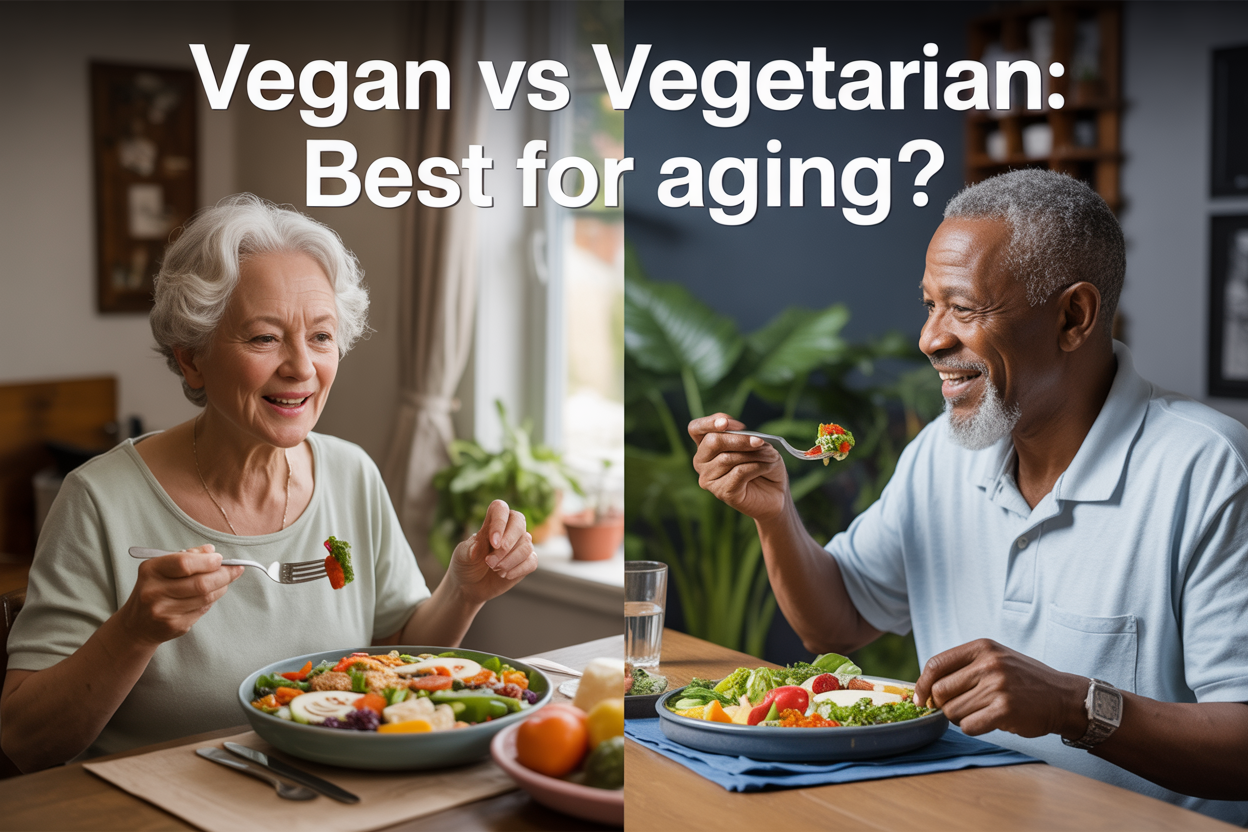
Vegan vs Vegetarian: Which Is Better for Ageing Bodies?

As you enter your golden years, choosing between a vegan vs vegetarian diet for seniors becomes more than just an ethical decision—it directly impacts your health, energy levels, and quality of life. Your aging body has unique nutritional needs that differ from when you were younger, and plant-based eating can offer significant benefits while also presenting some challenges you need to navigate carefully.

This guide is written specifically for seniors over 60, their caregivers, and adult children helping parents make informed dietary choices. You’ll discover how both vegan and vegetarian approaches affect your aging body, learn about potential nutritional gaps that could impact your health, and get practical strategies for implementing plant-based eating safely as you age.

We’ll walk you through the specific benefits each diet offers older adults, examine critical considerations for bone health on plant-based diets, and share actionable tips for making either choice work for your lifestyle and health goals.

Understanding Nutritional Needs for Ageing Bodies
Understanding Nutritional Needs for Ageing Bodies

Essential nutrients that decline with age

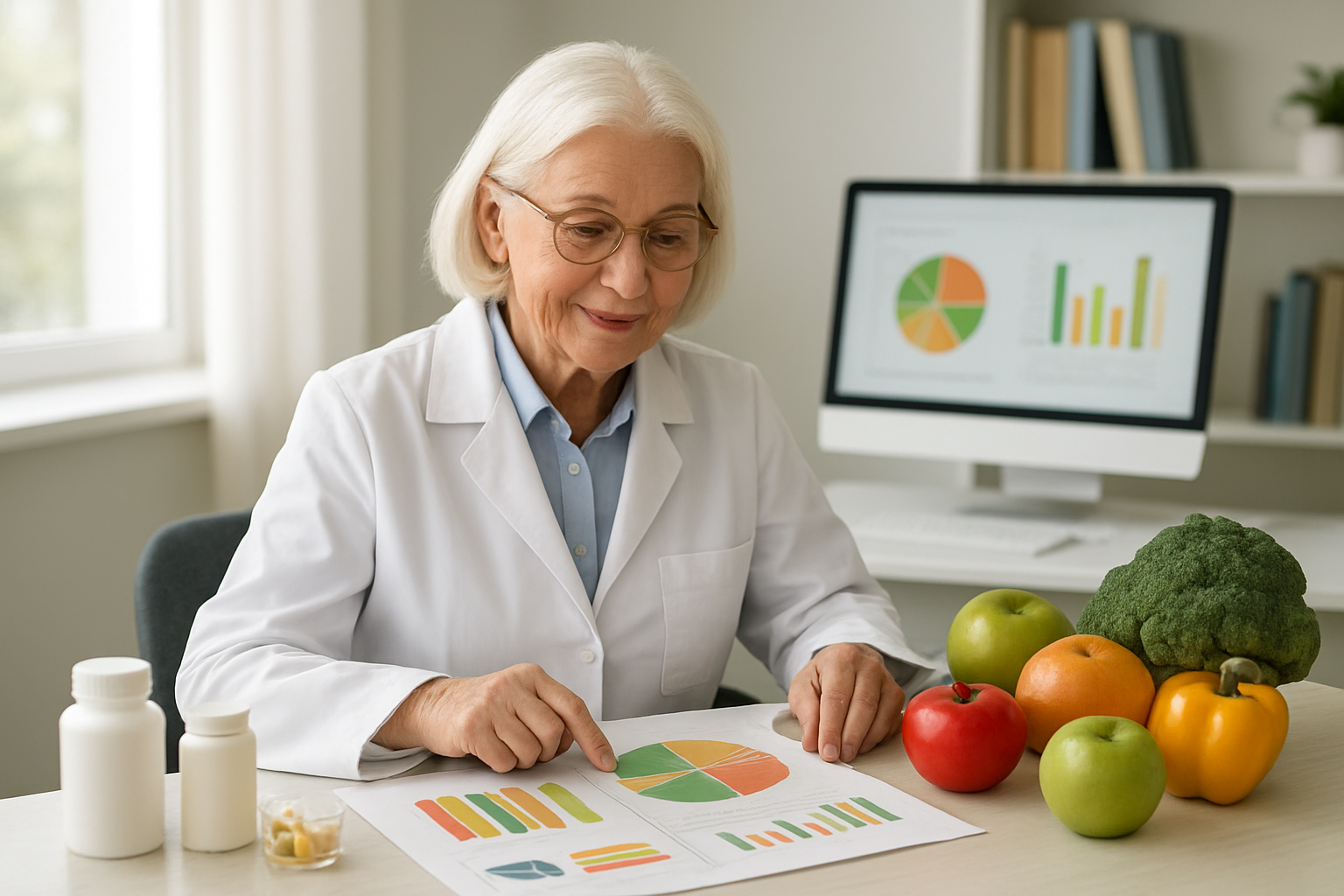
Your body’s nutritional needs change dramatically as you get older, and understanding these shifts becomes crucial when choosing between vegan and vegetarian approaches for aging bodies. After age 50, your body absorbs nutrients less efficiently, while your requirements for certain vitamins and minerals actually increase.

Vitamin D absorption drops significantly with age, making it harder for your bones to stay strong. Your stomach produces less acid, which means you’ll struggle to extract vitamin B12, iron, and zinc from foods. Calcium absorption decreases by about 10-15% after menopause for women, and men experience similar declines in their 60s and 70s.

Your metabolism slows down, but your need for high-quality protein increases to maintain muscle mass. You’ll also need more antioxidants like vitamins C and E to combat the increased oxidative stress that comes with aging. Plant-based eating aging bodies can benefit from these compounds, but you need to plan carefully to avoid gaps.

Protein requirements for muscle mass preservation

You need more protein now than you did in your younger years. While adults under 50 can get by with 0.8 grams per kilogram of body weight, you should aim for 1.0-1.2 grams per kilogram daily to prevent muscle loss, also known as sarcopenia.

This presents unique challenges for both vegan and vegetarian approaches. Your body processes plant proteins differently than animal proteins, and most plant sources don’t contain all nine essential amino acids in optimal ratios. You’ll need to combine different protein sources throughout the day to create complete amino acid profiles.

High-quality plant protein combinations include:

  • Beans with rice or quinoa
  • Nuts with whole grains
  • Hemp seeds with legumes
  • Spirulina with nuts and seeds

For vegetarians following plant-based diet aging strategies, eggs and dairy products can help bridge protein gaps more easily than purely vegan approaches. However, vegan seniors can absolutely meet their protein needs with careful planning and possibly protein supplements.

Vitamin B12 and calcium absorption challenges

Vitamin B12 becomes your biggest concern when following nutrition for elderly vegetarians or vegan diets. Your stomach lining produces less intrinsic factor, a protein essential for B12 absorption, making deficiency almost inevitable without supplementation.

B12 deficiency can sneak up on you slowly, causing fatigue, memory problems, and nerve damage that may be irreversible. Since plant foods don’t naturally contain bioavailable B12, you’ll need either fortified foods or supplements regardless of whether you choose vegan vs vegetarian for seniors.

Calcium absorption presents another hurdle. Your body can only absorb about 500mg at once, so you’ll need to spread calcium-rich foods throughout the day. Plant sources like tahini, leafy greens, and fortified plant milks can work, but they contain compounds called oxalates that can interfere with absorption.

Calcium absorption enhancers:

  • Vitamin D from sunlight or supplements
  • Magnesium from nuts and seeds
  • Vitamin K from leafy greens
  • Smaller, frequent servings rather than large doses

Anti-inflammatory foods for joint health

Your joints need extra support as you age, and both vegan diet benefits older adults and vegetarian nutrition seniors can provide powerful anti-inflammatory compounds. Chronic inflammation drives many age-related conditions, including arthritis, heart disease, and cognitive decline.

Plant foods contain phytonutrients that actively fight inflammation in ways that animal products simply can’t match. Berries pack anthocyanins, leafy greens provide quercetin, and turmeric offers curcumin – all proven inflammation fighters.

Top anti-inflammatory foods for aging bodies:

  • Fatty fish (for vegetarians) or algae oil (for vegans)
  • Colorful berries and cherries
  • Dark leafy greens like kale and spinach
  • Turmeric with black pepper
  • Green tea and herbal teas
  • Nuts, especially walnuts and almonds

You can reduce inflammatory markers significantly by avoiding processed foods, excess sugar, and refined oils while loading up on these protective plant compounds. Senior vegan health and vegetarian approaches both excel at providing these anti-inflammatory benefits when you focus on whole, unprocessed foods.

The omega-3 fatty acids deserve special attention for joint health. While fish provides EPA and DHA directly, you can get ALA from flaxseeds, chia seeds, and walnuts. Your body converts some ALA to EPA and DHA, though not as efficiently as getting them directly from fish or algae supplements.

Vegan Diet Benefits for Seniors
Vegan Diet Benefits for Seniors

Reduced Risk of Heart Disease and Stroke

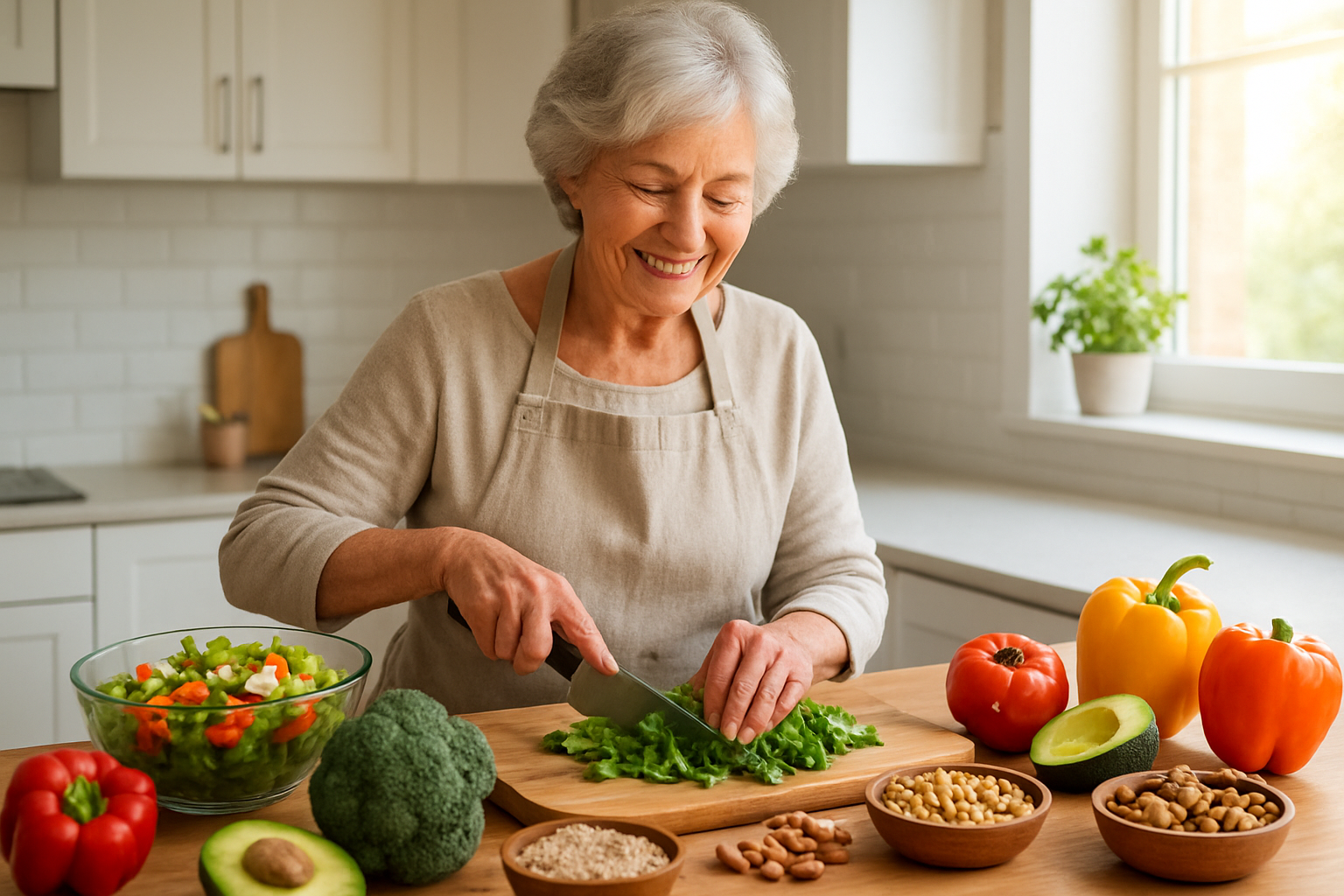
Your cardiovascular system faces increasing challenges as you age, making dietary choices more critical than ever. A vegan diet benefits older adults by significantly reducing your risk of heart disease and stroke through multiple protective mechanisms.

When you eliminate all animal products from your diet, you automatically remove dietary cholesterol and significantly reduce saturated fat intake. Your body responds by lowering LDL (bad) cholesterol levels, often within weeks of making the switch. Research shows that seniors following a vegan diet typically experience 10-15% lower cholesterol levels compared to their omnivorous counterparts.

The high fibre content in plant-based foods works overtime for your cardiovascular health. Soluble fiber from beans, oats, and fruits binds to cholesterol in your digestive system, preventing its absorption. Your blood pressure often improves too, as plant foods are naturally low in sodium while being rich in potassium – a mineral that helps regulate blood pressure.

Antioxidants abundant in fruits, vegetables, nuts, and seeds protect your blood vessels from oxidative stress. These compounds prevent the formation of arterial plaques that can lead to heart attacks and strokes. Your endothelial function – how well your blood vessels dilate and contract – typically improves within months of adopting a vegan diet.

Lower Inflammation Levels Throughout the Body

Chronic inflammation silently damages your body as you age, contributing to arthritis, cognitive decline, and various age-related diseases. Your plant-based diet becomes a powerful anti-inflammatory tool when you focus on whole, unprocessed foods.

Animal products, particularly red meat and processed meats, contain compounds that trigger inflammatory responses in your body. By removing these foods, you eliminate major sources of pro-inflammatory substances like advanced glycation end products (AGEs) and hemp iron.

Plant foods flood your system with anti-inflammatory compounds. Berries provide anthocyanins, leafy greens offer quercetin, and turmeric supplies curcumin – all working together to calm inflammation throughout your body. Your C-reactive protein levels, a key marker of inflammation, often drop significantly within three to six months of following a vegan diet.

Omega-3 fatty acids from flaxseeds, chia seeds, and walnuts help balance your inflammatory response. While you’ll need to pay attention to getting enough of these essential fats, plant sources can effectively support healthy inflammation levels when consumed regularly.

Your joint health particularly benefits from this anti-inflammatory effect. Many seniors report reduced joint stiffness and improved mobility after several months on a well-planned vegan diet. The combination of reduced inflammatory foods and increased anti-inflammatory compounds creates an environment where your body can better manage age-related inflammatory processes.

Enhanced Digestive Health and Gut Microbiome

Your digestive system becomes increasingly important for overall health as you age, and a vegan diet provides exactly what your gut needs to thrive. The dramatic increase in fibre intake when you switch to plant foods transforms your digestive health in remarkable ways.

Fibre acts as food for beneficial bacteria in your gut, promoting the growth of species that produce short-chain fatty acids. These compounds strengthen your intestinal lining, improve nutrient absorption, and support immune function. Your gut microbiome diversity typically increases within weeks of increasing plant food variety.

Regular bowel movements become easier to achieve with 25-35 grams of daily fibre from fruits, vegetables, legumes, and whole grains. This increased fibre intake helps prevent constipation, a common issue among seniors that can lead to more serious complications if left unaddressed.

Your gut produces more beneficial metabolites when fed a diverse array of plant compounds. Different coloured fruits and vegetables feed different bacterial species, creating a thriving ecosystem in your digestive tract. This improved gut health connects directly to better immune function, mood regulation, and even cognitive performance.

The prebiotic compounds in plant foods – found in garlic, onions, asparagus, and Jerusalem artichokes – specifically nourish beneficial bacteria. Your gut lining becomes stronger and less permeable, reducing the risk of inflammatory compounds entering your bloodstream.

Plant-based eating also reduces your risk of digestive cancers, particularly colorectal cancer. The combination of fibre, antioxidants, and beneficial plant compounds creates a protective environment in your digestive tract that becomes increasingly valuable as you age.

Vegetarian Diet Advantages for Older Adults
Vegetarian Diet Advantages for Older Adults

Easier transition from omnivorous eating habits

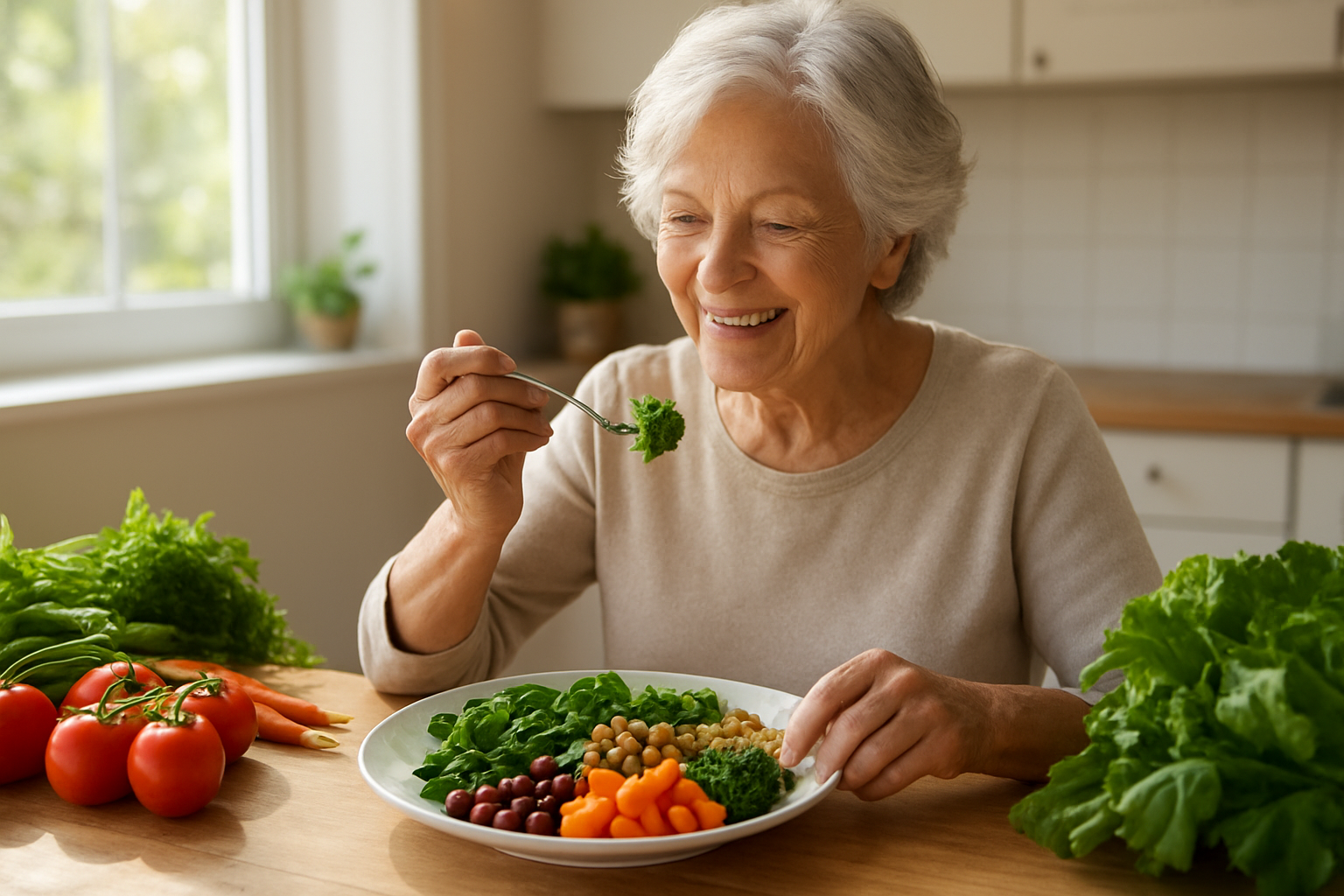
Making the switch to vegetarian nutrition for seniors often feels less overwhelming than jumping straight into a vegan lifestyle. When you’ve spent decades enjoying meat, dairy, and eggs, eliminating only meat creates a gentler pathway toward plant-based eating for aging bodies. Your familiar breakfast of scrambled eggs, lunch salads with cheese, and dinner sides of yogurt remain unchanged while you explore new protein sources like beans, lentils, and quinoa.

This gradual approach allows your digestive system to adapt slowly to increased fibre intake, reducing the bloating and discomfort that sometimes accompanies sudden dietary changes. Your taste buds also have time to appreciate new flavour’s without feeling deprived of every familiar food. Many seniors find success by replacing meat dishes with vegetarian alternatives while keeping their beloved dairy products and weekend omelettes.

Sufficient protein intake through dairy and eggs

Your protein requirements actually increase with age, making adequate intake essential for maintaining muscle mass and strength. Vegetarian diets offer you excellent protein sources through dairy products and eggs, which contain all essential amino acids your body needs. A single large egg provides about 6 grams of high-quality protein, while a cup of Greek yogurt delivers an impressive 20 grams.

These animal-derived proteins are considered “complete” because they contain all nine essential amino acids in proportions your body can easily use. This becomes particularly valuable when you’re dealing with age-related changes in protein absorption and muscle synthesis. Your morning cottage cheese, afternoon cheese snack, or evening glass of milk contributes significantly to your daily protein goals without requiring complex meal planning or protein combining strategies.

Vegetarian Protein Source Protein Content Additional Benefits
Greek yogurt (1 cup) 20g Probiotics, calcium
Cottage cheese (½ cup) 14g Calcium, low sodium options
Large egg 6g Choline, vitamin D
Cheddar cheese (1 oz) 7g Calcium, vitamin B12

Better vitamin B12 absorption from animal sources

Vitamin B12 deficiency poses serious risks as you age, affecting your nervous system, cognitive function, and energy levels. Vegetarian nutrition for seniors provides a significant advantage here because dairy products and eggs naturally contain bioavailable B12 that your body recognizes and absorbs efficiently.

Your stomach acid production typically decreases with age, making B12 absorption more challenging. However, the B12 found in eggs and dairy requires less complex processing than synthetic supplements, giving your digestive system an easier task. A glass of milk provides about 1.2 micrograms of B12, while two eggs offer approximately 1.1 micrograms toward your daily requirement of 2.4 micrograms.

This natural B12 source becomes especially important if you take medications that interfere with nutrient absorption or have digestive conditions common in older adults. Your body maintains better B12 stores when you include these animal-derived foods regularly rather than relying solely on fortified plant foods or supplements.

Flexibility for social dining situations

Social connections play a huge role in healthy aging, and your diet shouldn’t create barriers to enjoying meals with family and friends. Vegetarian eating offers you much more flexibility in social dining situations compared to strict vegan requirements. Most restaurants accommodate vegetarian requests easily, and you won’t need to scrutinize every ingredient list or worry about hidden animal products in sauces and dressings.

When you visit family or attend social gatherings, hosts typically understand vegetarian needs and can accommodate you without major menu overhauls. Your dietary choice doesn’t require the same level of advanced planning or special preparation that vegan diets often demand. This flexibility helps you maintain your social connections and reduces the isolation that sometimes accompanies very restrictive eating patterns as you age.

Potential Nutritional Deficiencies in Plant-Based Diets


Vitamin B12 Supplementation Requirements

Your body needs vitamin B12 to create healthy red blood cells and maintain proper nerve function, but this essential nutrient becomes increasingly important as you age. When following either a vegan or vegetarian diet, you’ll face unique challenges since B12 occurs naturally almost exclusively in animal products.

As a vegan, you’ll need to be particularly vigilant about B12 supplementation since you’re eliminating all animal-derived foods. Your body stores B12 in your liver for several years, which means deficiency symptoms might not appear immediately after switching to a plant-based diet. However, once these stores deplete, you could experience fatigue, memory problems, and nerve damage that may become irreversible if left untreated.

If you’re vegetarian and still consume dairy products and eggs, you’ll get some B12, but probably not enough to meet your daily needs. Research shows that even vegetarians who eat these foods regularly often have lower B12 levels than meat-eaters. Your absorption of B12 also naturally decreases with age due to reduced stomach acid production, making supplementation even more critical for elderly vegetarians.

You’ll want to aim for 2.4 micrograms of B12 daily, though many experts recommend higher doses for seniors following plant-based diets. Sublingual tablets, patches, or monthly injections often work better than standard oral supplements for older adults with absorption issues. Regular blood tests every six months can help you monitor your B12 status and adjust your supplementation accordingly.

Iron Absorption Challenges and Solutions

Plant-based iron differs significantly from the iron found in meat, creating specific absorption challenges you’ll need to address. Non-heme iron from plants gets absorbed at rates of only 2-20%, compared to 15-35% for heme iron from animal products. Your aging body may struggle even more with iron absorption due to changes in stomach acid production and digestive efficiency.

You can dramatically improve your iron absorption by pairing iron-rich plant foods with vitamin C sources. Adding bell peppers to your spinach salad, squeezing lemon juice over your lentils, or eating strawberries with your iron-fortified cereal can double or triple your absorption rates. Cooking in cast iron pans also adds small amounts of bioavailable iron to your meals.

Certain foods and beverages can block iron absorption, so you’ll want to time these carefully. Coffee, tea, calcium-rich foods, and whole grains contain compounds that inhibit iron uptake. Try to consume these at least two hours before or after your iron-rich meals to maximize absorption.

Iron-Rich Plant Foods Vitamin C Enhancers Absorption Inhibitors
Spinach, lentils, quinoa Citrus fruits, tomatoes, broccoli Coffee, tea, dairy products
Tofu, pumpkin seeds Bell peppers, strawberries Whole grain cereals
Dark chocolate, cashews Kiwi, brussels sprouts Calcium supplements

Your iron needs may actually increase with age due to potential blood loss from medications or underlying health conditions. Regular monitoring through blood tests helps ensure you’re maintaining adequate iron stores while following your plant-based eating plan.

Omega-3 Fatty Acids for Brain Health

Your brain depends heavily on omega-3 fatty acids, particularly DHA and EPA, for maintaining cognitive function as you age. These long-chain fatty acids play crucial roles in memory formation, reducing inflammation, and protecting against age-related mental decline. Plant-based diets present unique challenges for obtaining these specific types of omega-3s.

Most plant foods contain ALA omega-3s, found in flaxseeds, chia seeds, and walnuts, but your body converts less than 5% of ALA into the DHA and EPA your brain actually needs. This conversion becomes even less efficient with aging, making direct sources of these fatty acids increasingly important for senior vegan health and elderly vegetarian deficiencies prevention.

Algae-based supplements offer the most direct plant-based source of DHA and EPA. These supplements provide the same omega-3 fatty acids found in fish, since fish actually obtain their omega-3s by eating algae. You’ll want to look for supplements containing at least 250-500mg of combined DHA and EPA daily.

Seaweed and certain microgreens can provide small amounts of these omega-3s, though not in quantities sufficient to meet your daily needs. Including these foods regularly in your plant-based diet aging plan adds variety while contributing to your overall omega-3 intake. Some fortified foods now include algae-derived omega-3s, giving you additional options for meeting your requirements through whole foods rather than supplements alone.

Your brain health becomes increasingly important as you age, making omega-3 supplementation a non-negotiable aspect of successful long-term plant-based eating. Regular consumption of these fatty acids may help protect against dementia, support mood stability, and maintain the sharp thinking you need to navigate your golden years confidently.

Bone Health Considerations for Both Diets
Bone Health Considerations for Both Diets

Calcium sources beyond dairy products

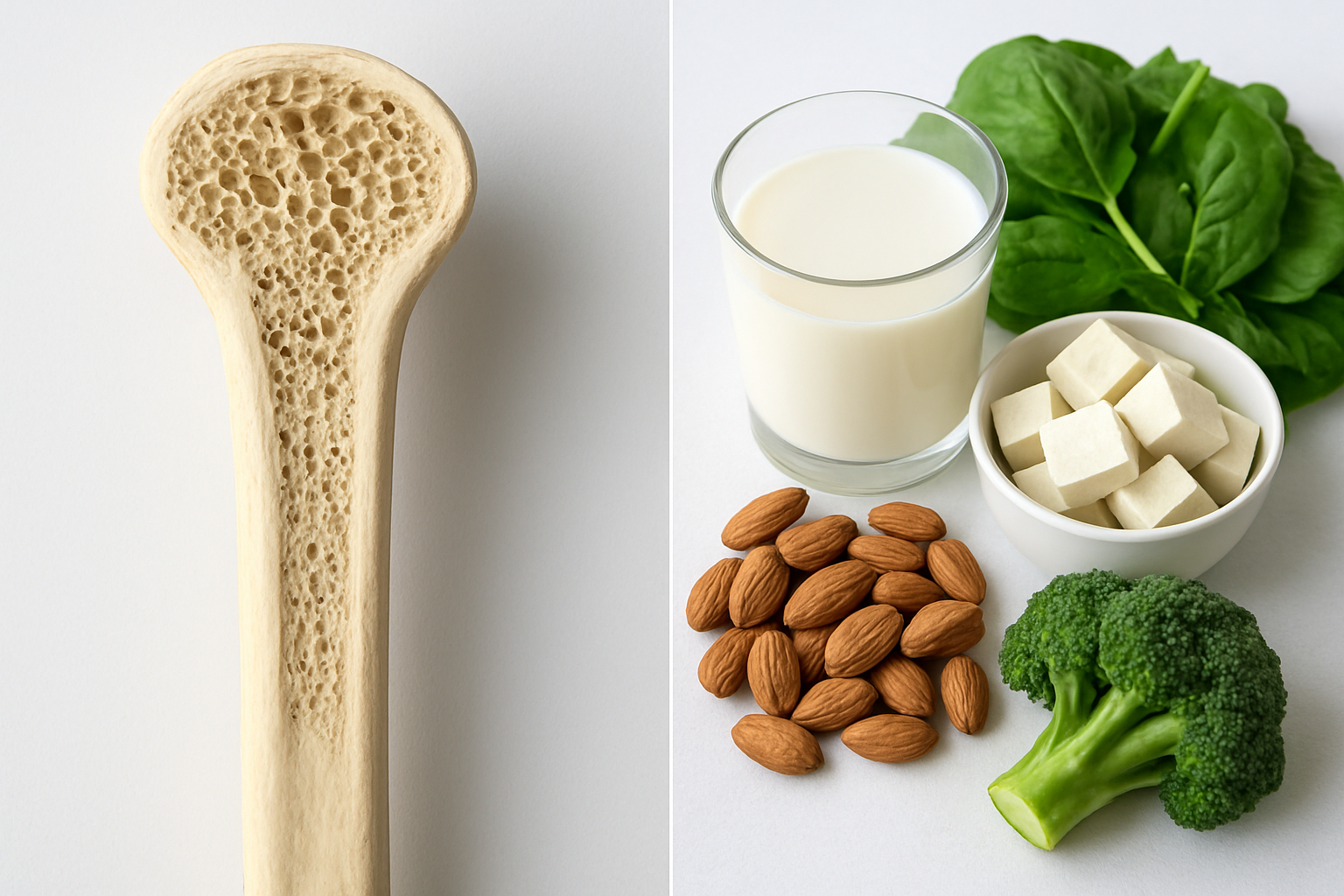
Your bones need calcium to stay strong, and the good news is that plenty of plant foods pack serious calcium punch. Dark leafy greens like collard greens, kale, and Bok choy deliver impressive amounts of this mineral – sometimes even more than milk. Your body actually absorbs calcium from these greens better than from some dairy sources.

Almonds make excellent snacks while boosting your calcium intake. A quarter cup gives you about 94 mg of calcium. Tahini (sesame seed paste) and sesame seeds are calcium powerhouses too. Spread tahini on toast or sprinkle sesame seeds on salads to easily bump up your numbers.

Fortified plant milks have become game-changers for both vegan diet benefits older adults and vegetarian nutrition seniors. Soy, almond, and oat milks often contain more calcium than cow’s milk when fortified. Check labels carefully – you want at least 300 mg per cup.

Tofu made with calcium sulphate contains substantial calcium amounts. Half a cup can provide 250-750 mg depending on the brand. Tempeh and edamame offer decent amounts too. Canned sardines with bones (for vegetarians) remain one of the richest calcium sources available.

Here’s your daily calcium targeting guide:

Age Group Daily Calcium Need Plant Food Examples
50-70 years 1,000 mg 3 cups fortified plant milk + 1 cup cooked collards
70+ years 1,200 mg Above + 1/4 cup almonds + 1/2 cup firm tofu

Vitamin D synthesis and supplementation needs

Your skin produces vitamin D when exposed to sunlight, but this process becomes less efficient as you age. Your kidneys also become less capable of converting vitamin D to its active form. This makes supplementation particularly important for aging nutrition plant foods followers.

Very few foods naturally contain vitamin D. Fatty fish provides the best dietary source for vegetarians, while vegans rely heavily on fortified foods and supplements. Fortified plant milks, cereals, and nutritional yeast can help, but they rarely provide enough vitamin D alone.

Your geographic location dramatically affects your vitamin D status. Living north of Atlanta means you probably can’t make adequate vitamin D from sun exposure during winter months. Darker skin requires more sun exposure to produce the same amount of vitamin D as lighter skin.

Blood testing gives you the clearest picture of your vitamin D status. Optimal levels sit between 30-50 ng/mL (75-125 nmol/L). Many seniors following plant-based eating aging bodies approaches find they need 1,000-4,000 IU daily to maintain healthy levels.

Timing matters with vitamin D supplements. Take them with fat-containing meals for better absorption. Vitamin D3 (cholecalciferol) works more effectively than D2 (ergocalciferol) for raising blood levels.

Weight-bearing exercise importance regardless of diet

Your bones respond to stress by becoming stronger, but only if you challenge them regularly. Weight-bearing exercises force your bones to work against gravity, stimulating new bone formation. This benefit applies equally whether you follow vegan vs vegetarian for seniors approaches.

Walking, dancing, hiking, and stair climbing all count as weight-bearing activities. Your bones adapt best to varied movements, so mix up your routine. Resistance training with weights, resistance bands, or bodyweight exercises provides additional bone-building benefits.

Balance training becomes increasingly important as you age. Tai chi, yoga, and simple balance exercises reduce your fall risk. Since falls cause most fractures in older adults, preventing them protects your bones regardless of your dietary choices.

Your exercise intensity should match your fitness level. Start slowly if you’re new to exercise, gradually increasing duration and intensity. Even 30 minutes of walking three times weekly provides significant bone benefits.

Consistency beats intensity for bone health plant-based diet followers. Your bones need regular stimulus to maintain strength. Three to four exercise sessions weekly work better than occasional intense workouts.

Recovery time between sessions allows your bones to adapt and strengthen. Listen to your body and avoid overexertion, which can increase injury risk. Professional guidance helps you design safe, effective routines tailored to your specific needs and limitations.

Practical Implementation Strategies for Seniors
Practical Implementation Strategies for Seniors

Gradual dietary transition techniques

Making the switch to a plant-based diet aging bodies requires patience and strategic planning. Your digestive system needs time to adapt to increased fibre intake, and sudden changes can cause uncomfortable bloating or gas. Start by replacing one meal per day with a plant-based option for the first two weeks. Choose breakfast or lunch initially, as these meals are often easier to modify.

During weeks three and four, expand to two plant-based meals daily. Pay attention to how your body responds and adjust the pace accordingly. Some seniors find success with “Meatless Mondays” or dedicating specific days of the week to plant-based eating before committing fully.

Your taste preferences may also need time to evolve. Experiment with different cooking methods, spices, and seasonings to make plant-based foods more appealing. Try roasting vegetables to bring out natural sweetness, or use nutritional yeast to add a cheese-like flavour to dishes.

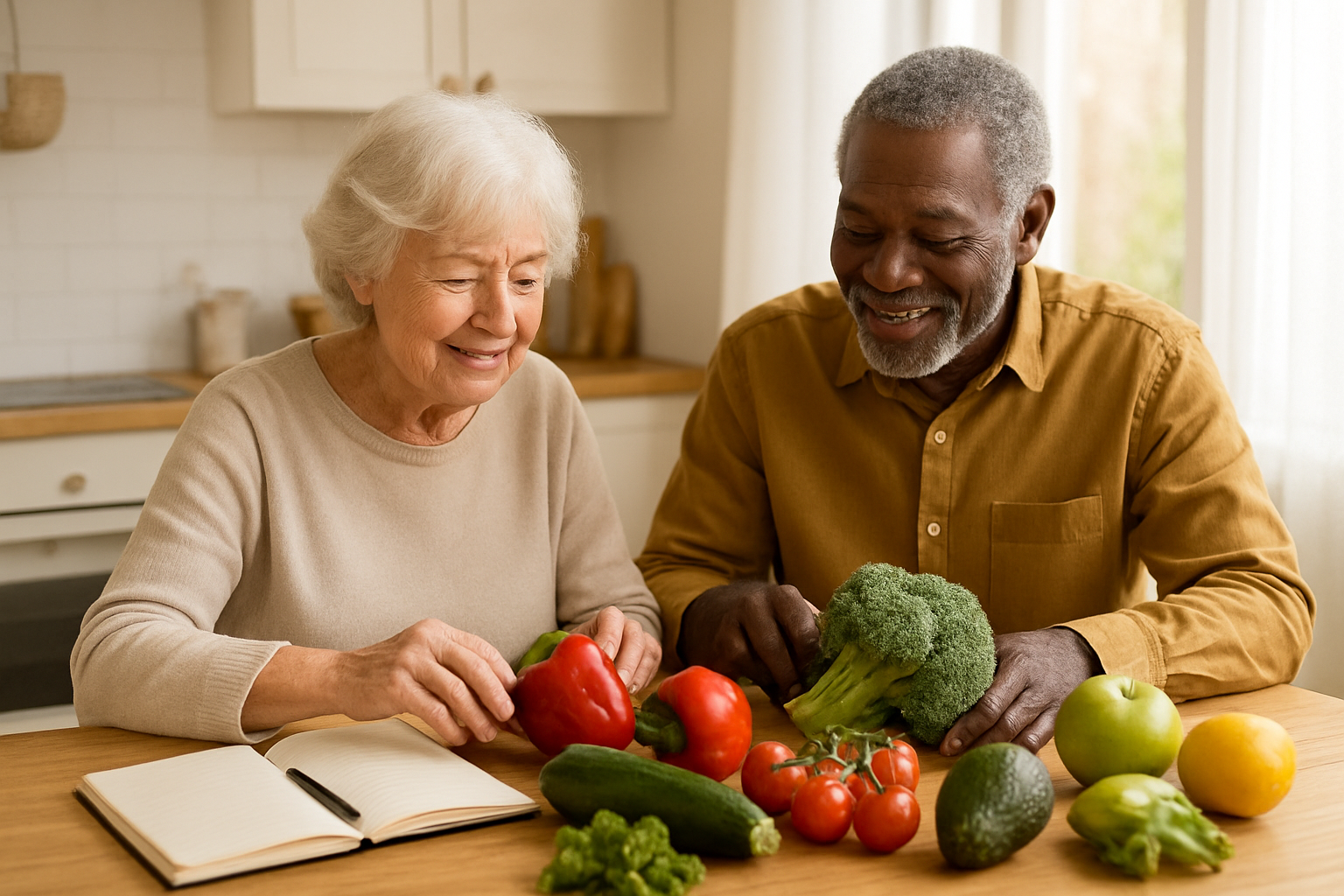
Consider keeping a food diary during this transition period. Note your energy levels, digestive comfort, and any changes in how you feel. This information becomes valuable when discussing your dietary changes with healthcare providers.

Meal planning for nutrient density

Your meal planning strategy should focus on maximizing nutrition for elderly vegetarians and vegans within each meal. Create a weekly menu that includes diverse protein sources, colourful vegetables, and whole grains. This approach ensures you’re getting a broad spectrum of nutrients essential for senior vegan health.

Build each meal around a protein source first. Include legumes, tofu, tempeh, nuts, or seeds as your foundation. Then add at least two different coloured vegetables to boost antioxidants and vitamins. Finish with a complex carbohydrate like quinoa, brown rice, or sweet potatoes.

Batch cooking works exceptionally well for seniors. Prepare large portions of beans, grains, and chopped vegetables on weekends. Store them in portion-sized containers for easy meal assembly throughout the week. This method saves energy and ensures you always have nutritious options available.

Keep frozen vegetables and fruits on hand as backup options. These retain most of their nutritional value and prevent food waste when fresh produce spoils. Canned beans (low-sodium versions) also provide convenient protein sources when cooking from scratch feels overwhelming.

Working with healthcare providers for monitoring

Your doctor should be your partner in monitoring your transition to plant-based eating aging bodies. Schedule a baseline appointment before making significant dietary changes. Request blood work that includes vitamin B12, vitamin D, iron, zinc, and calcium levels. These nutrients require special attention in plant-based diets.

Bring a sample meal plan to your appointments. This helps your healthcare provider understand your nutritional approach and identify potential gaps. Be honest about any supplements you’re taking or considering. Your doctor can recommend appropriate dosages based on your individual needs and existing health conditions.

Schedule follow-up appointments every three to six months during your first year of plant-based eating. This monitoring helps catch any nutritional deficiencies early, before they become problematic. Your energy levels, cognitive function, and overall well-being should remain stable or improve.

Don’t hesitate to ask for referrals to registered dietitians who specialize in plant-based nutrition for seniors. These professionals can provide personalized meal plans and address specific concerns about nutrition for elderly vegetarians.

Budget-friendly plant-based protein sources

Protein doesn’t have to break your budget when following vegan vs vegetarian for seniors eating patterns. Dried beans and lentils offer the most economical protein sources available. A single pound of dried legumes provides numerous servings and costs significantly less than animal proteins.

Buy these staples in bulk when possible:

  • Dried beans and lentils: Black beans, chickpeas, red lentils, split peas
  • Whole grains: Brown rice, oats, quinoa, barley
  • Nuts and seeds: Peanuts, sunflower seeds, pumpkin seeds
  • Soy products: Tofu, tempeh (when on sale)

Canned beans offer convenience but cost more per serving than dried varieties. Look for sales and stock up when prices drop. Generic or store brands often provide the same quality at lower prices.

Seasonal vegetables and fruits typically cost less and taste better. Visit farmers’ markets near closing time for potential discounts on remaining produce. Many vendors prefer selling at reduced prices rather than taking items home.

Consider growing simple herbs and vegetables if you have space. Lettuce, tomatoes, and herbs like basil grow easily in containers and provide fresh additions to meals while reducing grocery costs.

Frozen plant-based proteins often go on sale and have longer shelf lives than fresh options. Stock up during promotions and use them throughout the month to maintain consistent protein intake without waste.
conclusion

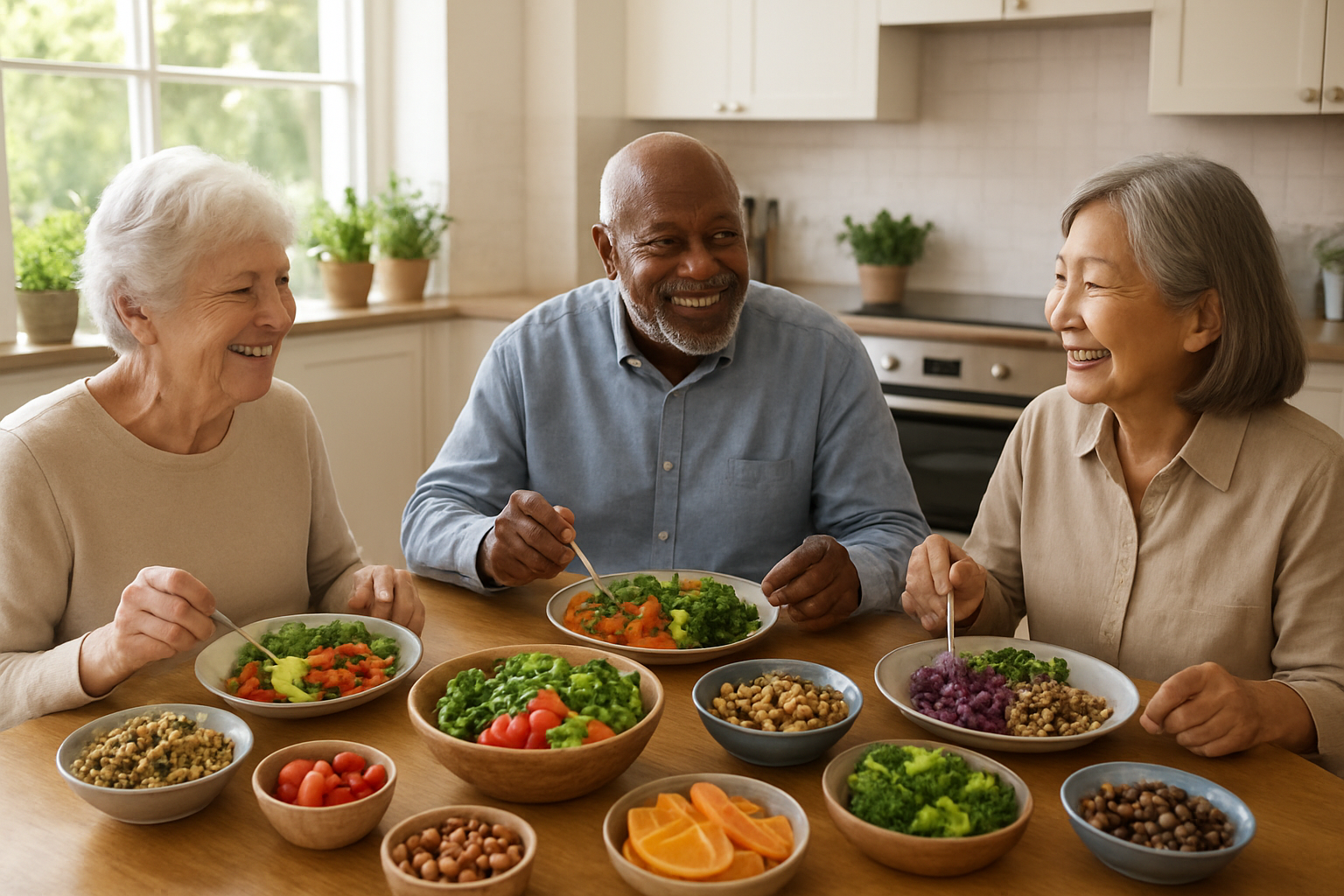
Your aging body needs specific nutrients to stay strong and healthy, and both vegan and vegetarian diets can deliver these benefits when planned thoughtfully. While vegans often see improvements in heart health and reduced inflammation, vegetarians might find it easier to get enough protein and vitamin B12 through eggs and dairy. The key isn’t choosing the “perfect” diet but finding the approach that works best for your lifestyle, health conditions, and personal preferences.

Start by talking with your doctor or a nutritionist who understands plant-based eating for seniors. Focus on getting enough protein, calcium, vitamin B12, and omega-3 fatty acids regardless of which path you choose. Remember, you can always adjust your approach as your needs change – the most important thing is eating plenty of colourful vegetables, fruits, and whole grains while ensuring you’re meeting your body’s unique nutritional requirements.

Vegan vs Vegetarian: Which Is Better for Ageing Bodies?

Table of Contents

As you enter your golden years, choosing between a vegan vs vegetarian diet for seniors becomes more than just an ethical decision—it directly impacts your health, energy levels, and quality of life. Your aging body has unique nutritional needs that differ from when you were younger, and plant-based eating can offer significant benefits while also presenting some challenges you need to navigate carefully.

This guide is written specifically for seniors over 60, their caregivers, and adult children helping parents make informed dietary choices. You’ll discover how both vegan and vegetarian approaches affect your aging body, learn about potential nutritional gaps that could impact your health, and get practical strategies for implementing plant-based eating safely as you age.

We’ll walk you through the specific benefits each diet offers older adults, examine critical considerations for bone health on plant-based diets, and share actionable tips for making either choice work for your lifestyle and health goals.

Understanding Nutritional Needs for Ageing Bodies

Understanding Nutritional Needs for Ageing Bodies

Essential nutrients that decline with age

Your body’s nutritional needs change dramatically as you get older, and understanding these shifts becomes crucial when choosing between vegan and vegetarian approaches for aging bodies. After age 50, your body absorbs nutrients less efficiently, while your requirements for certain vitamins and minerals actually increase.

Vitamin D absorption drops significantly with age, making it harder for your bones to stay strong. Your stomach produces less acid, which means you’ll struggle to extract vitamin B12, iron, and zinc from foods. Calcium absorption decreases by about 10-15% after menopause for women, and men experience similar declines in their 60s and 70s.

Your metabolism slows down, but your need for high-quality protein increases to maintain muscle mass. You’ll also need more antioxidants like vitamins C and E to combat the increased oxidative stress that comes with aging. Plant-based eating aging bodies can benefit from these compounds, but you need to plan carefully to avoid gaps.

Protein requirements for muscle mass preservation

You need more protein now than you did in your younger years. While adults under 50 can get by with 0.8 grams per kilogram of body weight, you should aim for 1.0-1.2 grams per kilogram daily to prevent muscle loss, also known as sarcopenia.

This presents unique challenges for both vegan and vegetarian approaches. Your body processes plant proteins differently than animal proteins, and most plant sources don’t contain all nine essential amino acids in optimal ratios. You’ll need to combine different protein sources throughout the day to create complete amino acid profiles.

High-quality plant protein combinations include:

  • Beans with rice or quinoa
  • Nuts with whole grains
  • Hemp seeds with legumes
  • Spirulina with nuts and seeds

For vegetarians following plant-based diet aging strategies, eggs and dairy products can help bridge protein gaps more easily than purely vegan approaches. However, vegan seniors can absolutely meet their protein needs with careful planning and possibly protein supplements.

Vitamin B12 and calcium absorption challenges

Vitamin B12 becomes your biggest concern when following nutrition for elderly vegetarians or vegan diets. Your stomach lining produces less intrinsic factor, a protein essential for B12 absorption, making deficiency almost inevitable without supplementation.

B12 deficiency can sneak up on you slowly, causing fatigue, memory problems, and nerve damage that may be irreversible. Since plant foods don’t naturally contain bioavailable B12, you’ll need either fortified foods or supplements regardless of whether you choose vegan vs vegetarian for seniors.

Calcium absorption presents another hurdle. Your body can only absorb about 500mg at once, so you’ll need to spread calcium-rich foods throughout the day. Plant sources like tahini, leafy greens, and fortified plant milks can work, but they contain compounds called oxalates that can interfere with absorption.

Calcium absorption enhancers:

  • Vitamin D from sunlight or supplements
  • Magnesium from nuts and seeds
  • Vitamin K from leafy greens
  • Smaller, frequent servings rather than large doses

Anti-inflammatory foods for joint health

Your joints need extra support as you age, and both vegan diet benefits older adults and vegetarian nutrition seniors can provide powerful anti-inflammatory compounds. Chronic inflammation drives many age-related conditions, including arthritis, heart disease, and cognitive decline.

Plant foods contain phytonutrients that actively fight inflammation in ways that animal products simply can’t match. Berries pack anthocyanins, leafy greens provide quercetin, and turmeric offers curcumin – all proven inflammation fighters.

Top anti-inflammatory foods for aging bodies:

  • Fatty fish (for vegetarians) or algae oil (for vegans)
  • Colorful berries and cherries
  • Dark leafy greens like kale and spinach
  • Turmeric with black pepper
  • Green tea and herbal teas
  • Nuts, especially walnuts and almonds

You can reduce inflammatory markers significantly by avoiding processed foods, excess sugar, and refined oils while loading up on these protective plant compounds. Senior vegan health and vegetarian approaches both excel at providing these anti-inflammatory benefits when you focus on whole, unprocessed foods.

The omega-3 fatty acids deserve special attention for joint health. While fish provides EPA and DHA directly, you can get ALA from flaxseeds, chia seeds, and walnuts. Your body converts some ALA to EPA and DHA, though not as efficiently as getting them directly from fish or algae supplements.

Vegan Diet Benefits for Seniors

Vegan Diet Benefits for Seniors

Reduced Risk of Heart Disease and Stroke

Your cardiovascular system faces increasing challenges as you age, making dietary choices more critical than ever. A vegan diet benefits older adults by significantly reducing your risk of heart disease and stroke through multiple protective mechanisms.

When you eliminate all animal products from your diet, you automatically remove dietary cholesterol and significantly reduce saturated fat intake. Your body responds by lowering LDL (bad) cholesterol levels, often within weeks of making the switch. Research shows that seniors following a vegan diet typically experience 10-15% lower cholesterol levels compared to their omnivorous counterparts.

The high fibre content in plant-based foods works overtime for your cardiovascular health. Soluble fiber from beans, oats, and fruits binds to cholesterol in your digestive system, preventing its absorption. Your blood pressure often improves too, as plant foods are naturally low in sodium while being rich in potassium – a mineral that helps regulate blood pressure.

Antioxidants abundant in fruits, vegetables, nuts, and seeds protect your blood vessels from oxidative stress. These compounds prevent the formation of arterial plaques that can lead to heart attacks and strokes. Your endothelial function – how well your blood vessels dilate and contract – typically improves within months of adopting a vegan diet.

Lower Inflammation Levels Throughout the Body

Chronic inflammation silently damages your body as you age, contributing to arthritis, cognitive decline, and various age-related diseases. Your plant-based diet becomes a powerful anti-inflammatory tool when you focus on whole, unprocessed foods.

Animal products, particularly red meat and processed meats, contain compounds that trigger inflammatory responses in your body. By removing these foods, you eliminate major sources of pro-inflammatory substances like advanced glycation end products (AGEs) and hemp iron.

Plant foods flood your system with anti-inflammatory compounds. Berries provide anthocyanins, leafy greens offer quercetin, and turmeric supplies curcumin – all working together to calm inflammation throughout your body. Your C-reactive protein levels, a key marker of inflammation, often drop significantly within three to six months of following a vegan diet.

Omega-3 fatty acids from flaxseeds, chia seeds, and walnuts help balance your inflammatory response. While you’ll need to pay attention to getting enough of these essential fats, plant sources can effectively support healthy inflammation levels when consumed regularly.

Your joint health particularly benefits from this anti-inflammatory effect. Many seniors report reduced joint stiffness and improved mobility after several months on a well-planned vegan diet. The combination of reduced inflammatory foods and increased anti-inflammatory compounds creates an environment where your body can better manage age-related inflammatory processes.

Enhanced Digestive Health and Gut Microbiome

Your digestive system becomes increasingly important for overall health as you age, and a vegan diet provides exactly what your gut needs to thrive. The dramatic increase in fibre intake when you switch to plant foods transforms your digestive health in remarkable ways.

Fibre acts as food for beneficial bacteria in your gut, promoting the growth of species that produce short-chain fatty acids. These compounds strengthen your intestinal lining, improve nutrient absorption, and support immune function. Your gut microbiome diversity typically increases within weeks of increasing plant food variety.

Regular bowel movements become easier to achieve with 25-35 grams of daily fibre from fruits, vegetables, legumes, and whole grains. This increased fibre intake helps prevent constipation, a common issue among seniors that can lead to more serious complications if left unaddressed.

Your gut produces more beneficial metabolites when fed a diverse array of plant compounds. Different coloured fruits and vegetables feed different bacterial species, creating a thriving ecosystem in your digestive tract. This improved gut health connects directly to better immune function, mood regulation, and even cognitive performance.

The prebiotic compounds in plant foods – found in garlic, onions, asparagus, and Jerusalem artichokes – specifically nourish beneficial bacteria. Your gut lining becomes stronger and less permeable, reducing the risk of inflammatory compounds entering your bloodstream.

Plant-based eating also reduces your risk of digestive cancers, particularly colorectal cancer. The combination of fibre, antioxidants, and beneficial plant compounds creates a protective environment in your digestive tract that becomes increasingly valuable as you age.

Vegetarian Diet Advantages for Older Adults

Vegetarian Diet Advantages for Older Adults

Easier transition from omnivorous eating habits

Making the switch to vegetarian nutrition for seniors often feels less overwhelming than jumping straight into a vegan lifestyle. When you’ve spent decades enjoying meat, dairy, and eggs, eliminating only meat creates a gentler pathway toward plant-based eating for aging bodies. Your familiar breakfast of scrambled eggs, lunch salads with cheese, and dinner sides of yogurt remain unchanged while you explore new protein sources like beans, lentils, and quinoa.

This gradual approach allows your digestive system to adapt slowly to increased fibre intake, reducing the bloating and discomfort that sometimes accompanies sudden dietary changes. Your taste buds also have time to appreciate new flavour’s without feeling deprived of every familiar food. Many seniors find success by replacing meat dishes with vegetarian alternatives while keeping their beloved dairy products and weekend omelettes.

Sufficient protein intake through dairy and eggs

Your protein requirements actually increase with age, making adequate intake essential for maintaining muscle mass and strength. Vegetarian diets offer you excellent protein sources through dairy products and eggs, which contain all essential amino acids your body needs. A single large egg provides about 6 grams of high-quality protein, while a cup of Greek yogurt delivers an impressive 20 grams.

These animal-derived proteins are considered “complete” because they contain all nine essential amino acids in proportions your body can easily use. This becomes particularly valuable when you’re dealing with age-related changes in protein absorption and muscle synthesis. Your morning cottage cheese, afternoon cheese snack, or evening glass of milk contributes significantly to your daily protein goals without requiring complex meal planning or protein combining strategies.

Vegetarian Protein Source Protein Content Additional Benefits
Greek yogurt (1 cup) 20g Probiotics, calcium
Cottage cheese (½ cup) 14g Calcium, low sodium options
Large egg 6g Choline, vitamin D
Cheddar cheese (1 oz) 7g Calcium, vitamin B12

Better vitamin B12 absorption from animal sources

Vitamin B12 deficiency poses serious risks as you age, affecting your nervous system, cognitive function, and energy levels. Vegetarian nutrition for seniors provides a significant advantage here because dairy products and eggs naturally contain bioavailable B12 that your body recognizes and absorbs efficiently.

Your stomach acid production typically decreases with age, making B12 absorption more challenging. However, the B12 found in eggs and dairy requires less complex processing than synthetic supplements, giving your digestive system an easier task. A glass of milk provides about 1.2 micrograms of B12, while two eggs offer approximately 1.1 micrograms toward your daily requirement of 2.4 micrograms.

This natural B12 source becomes especially important if you take medications that interfere with nutrient absorption or have digestive conditions common in older adults. Your body maintains better B12 stores when you include these animal-derived foods regularly rather than relying solely on fortified plant foods or supplements.

Flexibility for social dining situations

Social connections play a huge role in healthy aging, and your diet shouldn’t create barriers to enjoying meals with family and friends. Vegetarian eating offers you much more flexibility in social dining situations compared to strict vegan requirements. Most restaurants accommodate vegetarian requests easily, and you won’t need to scrutinize every ingredient list or worry about hidden animal products in sauces and dressings.

When you visit family or attend social gatherings, hosts typically understand vegetarian needs and can accommodate you without major menu overhauls. Your dietary choice doesn’t require the same level of advanced planning or special preparation that vegan diets often demand. This flexibility helps you maintain your social connections and reduces the isolation that sometimes accompanies very restrictive eating patterns as you age.

Potential Nutritional Deficiencies in Plant-Based Diets


Vitamin B12 Supplementation Requirements

Your body needs vitamin B12 to create healthy red blood cells and maintain proper nerve function, but this essential nutrient becomes increasingly important as you age. When following either a vegan or vegetarian diet, you’ll face unique challenges since B12 occurs naturally almost exclusively in animal products.

As a vegan, you’ll need to be particularly vigilant about B12 supplementation since you’re eliminating all animal-derived foods. Your body stores B12 in your liver for several years, which means deficiency symptoms might not appear immediately after switching to a plant-based diet. However, once these stores deplete, you could experience fatigue, memory problems, and nerve damage that may become irreversible if left untreated.

If you’re vegetarian and still consume dairy products and eggs, you’ll get some B12, but probably not enough to meet your daily needs. Research shows that even vegetarians who eat these foods regularly often have lower B12 levels than meat-eaters. Your absorption of B12 also naturally decreases with age due to reduced stomach acid production, making supplementation even more critical for elderly vegetarians.

You’ll want to aim for 2.4 micrograms of B12 daily, though many experts recommend higher doses for seniors following plant-based diets. Sublingual tablets, patches, or monthly injections often work better than standard oral supplements for older adults with absorption issues. Regular blood tests every six months can help you monitor your B12 status and adjust your supplementation accordingly.

Iron Absorption Challenges and Solutions

Plant-based iron differs significantly from the iron found in meat, creating specific absorption challenges you’ll need to address. Non-heme iron from plants gets absorbed at rates of only 2-20%, compared to 15-35% for heme iron from animal products. Your aging body may struggle even more with iron absorption due to changes in stomach acid production and digestive efficiency.

You can dramatically improve your iron absorption by pairing iron-rich plant foods with vitamin C sources. Adding bell peppers to your spinach salad, squeezing lemon juice over your lentils, or eating strawberries with your iron-fortified cereal can double or triple your absorption rates. Cooking in cast iron pans also adds small amounts of bioavailable iron to your meals.

Certain foods and beverages can block iron absorption, so you’ll want to time these carefully. Coffee, tea, calcium-rich foods, and whole grains contain compounds that inhibit iron uptake. Try to consume these at least two hours before or after your iron-rich meals to maximize absorption.

Iron-Rich Plant Foods Vitamin C Enhancers Absorption Inhibitors
Spinach, lentils, quinoa Citrus fruits, tomatoes, broccoli Coffee, tea, dairy products
Tofu, pumpkin seeds Bell peppers, strawberries Whole grain cereals
Dark chocolate, cashews Kiwi, brussels sprouts Calcium supplements

Your iron needs may actually increase with age due to potential blood loss from medications or underlying health conditions. Regular monitoring through blood tests helps ensure you’re maintaining adequate iron stores while following your plant-based eating plan.

Omega-3 Fatty Acids for Brain Health

Your brain depends heavily on omega-3 fatty acids, particularly DHA and EPA, for maintaining cognitive function as you age. These long-chain fatty acids play crucial roles in memory formation, reducing inflammation, and protecting against age-related mental decline. Plant-based diets present unique challenges for obtaining these specific types of omega-3s.

Most plant foods contain ALA omega-3s, found in flaxseeds, chia seeds, and walnuts, but your body converts less than 5% of ALA into the DHA and EPA your brain actually needs. This conversion becomes even less efficient with aging, making direct sources of these fatty acids increasingly important for senior vegan health and elderly vegetarian deficiencies prevention.

Algae-based supplements offer the most direct plant-based source of DHA and EPA. These supplements provide the same omega-3 fatty acids found in fish, since fish actually obtain their omega-3s by eating algae. You’ll want to look for supplements containing at least 250-500mg of combined DHA and EPA daily.

Seaweed and certain microgreens can provide small amounts of these omega-3s, though not in quantities sufficient to meet your daily needs. Including these foods regularly in your plant-based diet aging plan adds variety while contributing to your overall omega-3 intake. Some fortified foods now include algae-derived omega-3s, giving you additional options for meeting your requirements through whole foods rather than supplements alone.

Your brain health becomes increasingly important as you age, making omega-3 supplementation a non-negotiable aspect of successful long-term plant-based eating. Regular consumption of these fatty acids may help protect against dementia, support mood stability, and maintain the sharp thinking you need to navigate your golden years confidently.

Bone Health Considerations for Both Diets

Bone Health Considerations for Both Diets

Calcium sources beyond dairy products

Your bones need calcium to stay strong, and the good news is that plenty of plant foods pack serious calcium punch. Dark leafy greens like collard greens, kale, and Bok choy deliver impressive amounts of this mineral – sometimes even more than milk. Your body actually absorbs calcium from these greens better than from some dairy sources.

Almonds make excellent snacks while boosting your calcium intake. A quarter cup gives you about 94 mg of calcium. Tahini (sesame seed paste) and sesame seeds are calcium powerhouses too. Spread tahini on toast or sprinkle sesame seeds on salads to easily bump up your numbers.

Fortified plant milks have become game-changers for both vegan diet benefits older adults and vegetarian nutrition seniors. Soy, almond, and oat milks often contain more calcium than cow’s milk when fortified. Check labels carefully – you want at least 300 mg per cup.

Tofu made with calcium sulphate contains substantial calcium amounts. Half a cup can provide 250-750 mg depending on the brand. Tempeh and edamame offer decent amounts too. Canned sardines with bones (for vegetarians) remain one of the richest calcium sources available.

Here’s your daily calcium targeting guide:

Age Group Daily Calcium Need Plant Food Examples
50-70 years 1,000 mg 3 cups fortified plant milk + 1 cup cooked collards
70+ years 1,200 mg Above + 1/4 cup almonds + 1/2 cup firm tofu

Vitamin D synthesis and supplementation needs

Your skin produces vitamin D when exposed to sunlight, but this process becomes less efficient as you age. Your kidneys also become less capable of converting vitamin D to its active form. This makes supplementation particularly important for aging nutrition plant foods followers.

Very few foods naturally contain vitamin D. Fatty fish provides the best dietary source for vegetarians, while vegans rely heavily on fortified foods and supplements. Fortified plant milks, cereals, and nutritional yeast can help, but they rarely provide enough vitamin D alone.

Your geographic location dramatically affects your vitamin D status. Living north of Atlanta means you probably can’t make adequate vitamin D from sun exposure during winter months. Darker skin requires more sun exposure to produce the same amount of vitamin D as lighter skin.

Blood testing gives you the clearest picture of your vitamin D status. Optimal levels sit between 30-50 ng/mL (75-125 nmol/L). Many seniors following plant-based eating aging bodies approaches find they need 1,000-4,000 IU daily to maintain healthy levels.

Timing matters with vitamin D supplements. Take them with fat-containing meals for better absorption. Vitamin D3 (cholecalciferol) works more effectively than D2 (ergocalciferol) for raising blood levels.

Weight-bearing exercise importance regardless of diet

Your bones respond to stress by becoming stronger, but only if you challenge them regularly. Weight-bearing exercises force your bones to work against gravity, stimulating new bone formation. This benefit applies equally whether you follow vegan vs vegetarian for seniors approaches.

Walking, dancing, hiking, and stair climbing all count as weight-bearing activities. Your bones adapt best to varied movements, so mix up your routine. Resistance training with weights, resistance bands, or bodyweight exercises provides additional bone-building benefits.

Balance training becomes increasingly important as you age. Tai chi, yoga, and simple balance exercises reduce your fall risk. Since falls cause most fractures in older adults, preventing them protects your bones regardless of your dietary choices.

Your exercise intensity should match your fitness level. Start slowly if you’re new to exercise, gradually increasing duration and intensity. Even 30 minutes of walking three times weekly provides significant bone benefits.

Consistency beats intensity for bone health plant-based diet followers. Your bones need regular stimulus to maintain strength. Three to four exercise sessions weekly work better than occasional intense workouts.

Recovery time between sessions allows your bones to adapt and strengthen. Listen to your body and avoid overexertion, which can increase injury risk. Professional guidance helps you design safe, effective routines tailored to your specific needs and limitations.

Practical Implementation Strategies for Seniors

Practical Implementation Strategies for Seniors

Gradual dietary transition techniques

Making the switch to a plant-based diet aging bodies requires patience and strategic planning. Your digestive system needs time to adapt to increased fibre intake, and sudden changes can cause uncomfortable bloating or gas. Start by replacing one meal per day with a plant-based option for the first two weeks. Choose breakfast or lunch initially, as these meals are often easier to modify.

During weeks three and four, expand to two plant-based meals daily. Pay attention to how your body responds and adjust the pace accordingly. Some seniors find success with “Meatless Mondays” or dedicating specific days of the week to plant-based eating before committing fully.

Your taste preferences may also need time to evolve. Experiment with different cooking methods, spices, and seasonings to make plant-based foods more appealing. Try roasting vegetables to bring out natural sweetness, or use nutritional yeast to add a cheese-like flavour to dishes.

Consider keeping a food diary during this transition period. Note your energy levels, digestive comfort, and any changes in how you feel. This information becomes valuable when discussing your dietary changes with healthcare providers.

Meal planning for nutrient density

Your meal planning strategy should focus on maximizing nutrition for elderly vegetarians and vegans within each meal. Create a weekly menu that includes diverse protein sources, colourful vegetables, and whole grains. This approach ensures you’re getting a broad spectrum of nutrients essential for senior vegan health.

Build each meal around a protein source first. Include legumes, tofu, tempeh, nuts, or seeds as your foundation. Then add at least two different coloured vegetables to boost antioxidants and vitamins. Finish with a complex carbohydrate like quinoa, brown rice, or sweet potatoes.

Batch cooking works exceptionally well for seniors. Prepare large portions of beans, grains, and chopped vegetables on weekends. Store them in portion-sized containers for easy meal assembly throughout the week. This method saves energy and ensures you always have nutritious options available.

Keep frozen vegetables and fruits on hand as backup options. These retain most of their nutritional value and prevent food waste when fresh produce spoils. Canned beans (low-sodium versions) also provide convenient protein sources when cooking from scratch feels overwhelming.

Working with healthcare providers for monitoring

Your doctor should be your partner in monitoring your transition to plant-based eating aging bodies. Schedule a baseline appointment before making significant dietary changes. Request blood work that includes vitamin B12, vitamin D, iron, zinc, and calcium levels. These nutrients require special attention in plant-based diets.

Bring a sample meal plan to your appointments. This helps your healthcare provider understand your nutritional approach and identify potential gaps. Be honest about any supplements you’re taking or considering. Your doctor can recommend appropriate dosages based on your individual needs and existing health conditions.

Schedule follow-up appointments every three to six months during your first year of plant-based eating. This monitoring helps catch any nutritional deficiencies early, before they become problematic. Your energy levels, cognitive function, and overall well-being should remain stable or improve.

Don’t hesitate to ask for referrals to registered dietitians who specialize in plant-based nutrition for seniors. These professionals can provide personalized meal plans and address specific concerns about nutrition for elderly vegetarians.

Budget-friendly plant-based protein sources

Protein doesn’t have to break your budget when following vegan vs vegetarian for seniors eating patterns. Dried beans and lentils offer the most economical protein sources available. A single pound of dried legumes provides numerous servings and costs significantly less than animal proteins.

Buy these staples in bulk when possible:

  • Dried beans and lentils: Black beans, chickpeas, red lentils, split peas
  • Whole grains: Brown rice, oats, quinoa, barley
  • Nuts and seeds: Peanuts, sunflower seeds, pumpkin seeds
  • Soy products: Tofu, tempeh (when on sale)

Canned beans offer convenience but cost more per serving than dried varieties. Look for sales and stock up when prices drop. Generic or store brands often provide the same quality at lower prices.

Seasonal vegetables and fruits typically cost less and taste better. Visit farmers’ markets near closing time for potential discounts on remaining produce. Many vendors prefer selling at reduced prices rather than taking items home.

Consider growing simple herbs and vegetables if you have space. Lettuce, tomatoes, and herbs like basil grow easily in containers and provide fresh additions to meals while reducing grocery costs.

Frozen plant-based proteins often go on sale and have longer shelf lives than fresh options. Stock up during promotions and use them throughout the month to maintain consistent protein intake without waste.

conclusion

Your aging body needs specific nutrients to stay strong and healthy, and both vegan and vegetarian diets can deliver these benefits when planned thoughtfully. While vegans often see improvements in heart health and reduced inflammation, vegetarians might find it easier to get enough protein and vitamin B12 through eggs and dairy. The key isn’t choosing the “perfect” diet but finding the approach that works best for your lifestyle, health conditions, and personal preferences.

Start by talking with your doctor or a nutritionist who understands plant-based eating for seniors. Focus on getting enough protein, calcium, vitamin B12, and omega-3 fatty acids regardless of which path you choose. Remember, you can always adjust your approach as your needs change – the most important thing is eating plenty of colourful vegetables, fruits, and whole grains while ensuring you’re meeting your body’s unique nutritional requirements.

No Affiliate Products found.

Related Blog