
EverWise Health

<--Awin verification 001-->

Perimenopause vs. Menopause: What’s the Real Difference?

If you’re a woman over 40 experiencing irregular periods, hot flashes, or mood swings, you might be wondering whether you’re going through perimenopause vs menopause. Many women aren’t clear about the difference between perimenopause and menopause, which can leave you feeling confused about what’s happening to your body during this significant life transition.

This guide is designed specifically for women navigating hormonal changes after 40 who want straightforward answers about their changing health. You’ll discover exactly what sets perimenopause apart from menopause, including the key hormonal shifts that trigger different symptoms at each stage. We’ll also compare perimenopause symptoms and menopause symptoms so you know what to expect, and explore treatment options that work best for each phase of your menopause transition.

Understanding these differences empowers you to make informed decisions about managing menopause naturally and seeking the right support for your women’s health after 40.

Understanding Perimenopause: Your Body’s Transition Phase

Understanding Perimenopause: Your Body's Transition Phase

Recognising the Early Warning Signs Your Hormones Are Shifting

Your body begins whispering before it shouts, and recognising these early signals can help you understand what’s happening during the perimenopause vs menopause transition. Hot flushes might be the most talked-about symptom, but they’re often not the first sign that your hormones are beginning their dance of change.

You might notice your periods becoming unpredictable—arriving early one month, late the next, or varying dramatically in flow. Sleep disturbances often appear years before other symptoms, leaving you wondering why you’re suddenly wide awake at 3 AM despite feeling exhausted. Your mood might feel like it’s on a rollercoaster, with irritability, anxiety, or unexpected tears catching you off guard.

Brain fog frequently emerges as an early warning sign, making you feel like you’re thinking through treacle when you’ve always prided yourself on mental sharpness. You might struggle to find words that once came easily or forget appointments you’ve never missed before. These cognitive changes can be particularly unsettling for women’s health after 40 who are juggling demanding careers and family responsibilities.

Physical changes often manifest subtly at first. Your skin might feel drier, your hair texture could change, or you might notice increased sensitivity to temperature changes. Joint stiffness, particularly in the morning, frequently develops during this phase, along with changes in body composition that make maintaining your usual weight more challenging.

Discovering When Perimenopause Typically Begins and How Long It Lasts

The timing of your perimenopause journey is as individual as your fingerprint, but understanding typical patterns can help you recognise when you might be entering this phase. Most women experience the onset of perimenopause symptoms between ages 40 and 44, though some begin noticing changes in their late thirties, whilst others don’t experience symptoms until their mid-to-late forties.

Your genetic blueprint plays a significant role in timing—ask your mother and sisters about their experiences, as family history often provides valuable clues about your own trajectory. However, various factors can influence when you begin this transition, including stress levels, lifestyle choices, medical history, and overall health status.

The duration of perimenopause varies considerably, typically lasting anywhere from two to ten years. The average woman experiences this transitional phase for approximately four years, but this timeline can be shorter or longer depending on individual circumstances. Hormonal changes after 40 don’t follow a standardised schedule, which is why some women breeze through this period relatively quickly whilst others find themselves navigating symptoms for nearly a decade.

Certain factors can influence the length of your perimenopause experience. Women who smoke often have shorter perimenopausal periods but may experience more severe symptoms. Those with autoimmune conditions, chronic stress, or significant weight fluctuations might find their transition period extends longer than average.

Learning Why Your Periods Become Irregular During This Stage

Your menstrual cycle, once as predictable as clockwork, becomes increasingly erratic during perimenopause due to fundamental changes in your hormonal orchestra. Understanding the difference between perimenopause and menopause helps explain why your periods behave so differently during this transitional phase.

During your reproductive years, your ovaries released eggs on a regular schedule, with oestrogen and progesterone levels rising and falling in predictable patterns. Now, your ovaries are beginning to wind down their egg production, but this process isn’t smooth or linear. Some months, your ovaries might produce normal hormone levels, whilst other months they might underperform or even skip ovulation entirely.

This inconsistent ovulation creates the hallmark irregular periods of perimenopause. You might experience cycles that are shorter than usual—perhaps 21 days instead of your typical 28—followed by cycles that stretch to 35 or 40 days. The flow might be dramatically different from month to month, ranging from light spotting to heavy flooding that requires frequent changes of protection.

Anovulatory cycles—months when you don’t ovulate—become increasingly common during this phase. Without ovulation, your body doesn’t produce adequate progesterone, which normally helps regulate your cycle and supports the uterine lining. This hormonal imbalance can lead to irregular shedding of the endometrium, causing unpredictable bleeding patterns.

The quality of your remaining eggs also affects cycle regularity. As you age, the eggs that remain are often of lower quality, which can result in weaker hormonal signals and less predictable ovulation timing.

Understanding the Role of Fluctuating Oestrogen Levels

Oestrogen fluctuation during perimenopause is like riding an emotional and physical rollercoaster, with levels swinging wildly from day to day and month to month. Unlike the gradual decline many women expect, oestrogen levels actually become incredibly erratic during this menopause transition, sometimes spiking higher than they ever did during your reproductive years before plummeting to menopausal levels.

These dramatic fluctuations explain many perimenopause symptoms that seem to appear and disappear randomly. When oestrogen surges, you might experience breast tenderness, bloating, mood swings, and migraine headaches. When levels crash, you could face hot flushes, night sweats, vaginal dryness, and sleep disturbances.

Your brain, which has relied on steady oestrogen levels for decades, struggles to adapt to this hormonal chaos. Oestrogen receptors exist throughout your body, including in your brain, bones, cardiovascular system, and skin. This widespread influence explains why managing menopause naturally requires a comprehensive approach that addresses multiple body systems.

The fluctuating nature of oestrogen during perimenopause makes this phase particularly challenging to treat. What works one month might be ineffective the next as your hormone levels shift. This variability is why many healthcare providers recommend tracking symptoms and cycles to identify patterns that might inform treatment decisions.

Over 40 women’s health becomes increasingly complex during this period because oestrogen affects insulin sensitivity, bone density, cholesterol levels, and cognitive function. Understanding these connections helps explain why perimenopause symptoms can feel so overwhelming and why seeking support during this transition is crucial for maintaining your overall wellbeing.

Defining Menopause: The Official End of Your Reproductive Years

Defining Menopause: The Official End of Your Reproductive Years

Identifying the Medical Criteria That Confirm You’ve Reached Menopause

When you’re wondering whether you’ve officially reached menopause, your doctor will look at specific medical markers to make that determination. The primary criterion is straightforward yet definitive: you must have gone 12 consecutive months without a menstrual period, with no other underlying medical condition explaining this absence.

Your healthcare provider will consider your age, symptom history, and may order blood tests to measure your hormone levels. Follicle-stimulating hormone (FSH) levels become particularly telling during this transition. As your ovaries wind down their oestrogen production, your pituitary gland responds by releasing higher amounts of FSH in an attempt to stimulate your ovaries. Elevated FSH levels—typically above 30 mIU/mL—combined with the absence of periods can confirm your menopausal status.

Anti-Müllerian hormone (AMH) testing offers another piece of the puzzle. This hormone reflects your remaining egg supply, and significantly low levels indicate that your reproductive years are ending. Your doctor might also check oestrogen levels, which drop dramatically once you reach menopause.

Blood tests aren’t always necessary for diagnosis, especially if you’re experiencing classic symptoms and fit the typical age range. However, if you’re younger than 45 or have had surgical interventions affecting your reproductive organs, hormone testing becomes more crucial for accurate diagnosis.

Understanding the 12-Month Rule for Determining Menopause Status

The 12-month rule serves as the gold standard for confirming menopause, and there’s solid science behind this timeframe. Your menstrual cycles can become increasingly erratic during perimenopause, with gaps between periods stretching from weeks to several months. You might think you’ve reached menopause after missing periods for six or eight months, only to have your cycle return unexpectedly.

This 12-month waiting period accounts for the natural variability in hormone fluctuations that characterise the transition. Your ovaries don’t simply switch off overnight—they gradually reduce hormone production, creating an unpredictable pattern of ovulation and menstruation. During this time, you might experience months without bleeding followed by a surprise period, which resets your countdown to the 12-month mark.

The rule applies regardless of whether you’re tracking natural menopause or surgical menopause. If you’ve had a hysterectomy that removed only your uterus (leaving your ovaries intact), determining menopause becomes trickier since you won’t have periods to track. In these cases, your doctor relies heavily on symptoms and hormone testing rather than the 12-month rule.

For women taking hormonal contraception, the waters get muddier. Birth control pills, patches, or intrauterine devices can mask the natural signs of menopause by regulating your cycle artificially. Your healthcare provider might recommend temporarily stopping hormonal contraception (with proper backup methods) to assess your natural hormone status.

Exploring the Average Age When Women Experience Menopause

Most women reach menopause between ages 45 and 55, with the average age hovering around 51 in the UK. However, your personal timeline can vary significantly based on genetics, lifestyle factors, and medical history. Understanding these variables helps you prepare for what lies ahead and recognise when your experience falls within normal ranges.

Your family history provides valuable clues about your likely timeline. If your mother and sisters experienced early or late menopause, you’re more likely to follow a similar pattern. Genetics account for roughly 50% of the variation in timing, making family history one of your most reliable predictors.

Smoking accelerates the onset of menopause by approximately one to two years. The chemicals in cigarettes damage your ovaries and interfere with oestrogen production, pushing your reproductive system toward its conclusion earlier than nature intended. Body weight also plays a role—women with very low body fat percentages, such as elite athletes, may experience earlier menopause due to disrupted hormone production.

Medical treatments can significantly alter your timeline. Chemotherapy and radiation therapy, particularly treatments targeting your pelvic area, can damage your ovaries and trigger immediate or premature menopause. Surgical removal of your ovaries results in instant menopause, regardless of your age, whilst hysterectomy alone (keeping your ovaries) might still lead to earlier menopause than you’d naturally experience.

Certain autoimmune conditions, thyroid disorders, and genetic syndromes can also influence timing. Women with Turner syndrome or fragile X syndrome often experience premature menopause before age 40, whilst some autoimmune conditions can attack your ovaries directly, shortening your reproductive lifespan.

The difference between perimenopause and menopause becomes clear when you understand that reaching menopause marks a definitive endpoint—the official conclusion of your reproductive years after meeting these specific medical criteria.

Key Hormonal Differences Between These Life Stages


Comparing Oestrogen and Progesterone Levels in Each Phase

Your hormones tell a fascinating story during the perimenopause vs menopause journey, and understanding their patterns helps you make sense of what’s happening in your body. During your reproductive years, oestrogen and progesterone work together like a well-rehearsed dance, rising and falling in predictable monthly cycles.

When perimenopause begins—typically in your 40s—this hormonal harmony starts to shift dramatically. Your ovaries begin producing less progesterone first, whilst oestrogen levels become erratic. Some months you might experience sky-high oestrogen levels that leave you feeling bloated and emotionally sensitive, followed by sudden drops that trigger hot flushes and mood swings. This hormonal chaos can last anywhere from two to ten years.

Once you reach menopause (defined as 12 months without a period), both oestrogen and progesterone settle at consistently low levels. Your ovaries essentially retire from their hormone-producing duties, though your adrenal glands and fat tissue continue producing small amounts of oestrogen.

Life Stage Oestrogen Levels Progesterone Levels Pattern
Perimenopause Highly variable (fluctuating) Declining Unpredictable
Menopause Consistently low Consistently low Stable

Understanding Why Perimenopause Symptoms Can Be More Unpredictable

The difference between perimenopause and menopause symptoms lies largely in their predictability. During perimenopause, you’re riding an emotional and physical roller coaster because your hormone levels swing wildly from day to day, sometimes even hour to hour.

Your brain’s hypothalamus—which controls your body temperature, sleep cycles, and mood—struggles to adapt to these constant hormonal changes. One day you might sleep like a baby, the next you’re wide awake at 3 AM with your mind racing. You could feel fantastic on Tuesday and experience crushing fatigue by Thursday, all because your oestrogen levels are fluctuating so dramatically.

This unpredictability makes perimenopause particularly challenging for women over 40. You can’t anticipate when symptoms will strike, making it difficult to plan your days or manage your energy levels effectively. Many women describe feeling like strangers in their own bodies during this phase.

Learning How Hormone Fluctuations Affect Your Daily Life

These hormonal changes during the menopause transition impact every aspect of your daily routine. When oestrogen spikes, you might experience:

  • Increased anxiety and irritability
  • Breast tenderness and bloating
  • Heavier periods that disrupt your schedule
  • Difficulty concentrating at work

When oestrogen plummets, you’re likely to encounter:

  • Hot flushes that interrupt meetings and sleep
  • Vaginal dryness affecting intimacy
  • Joint aches that make exercise uncomfortable
  • Memory lapses that frustrate you

Your sleep quality becomes particularly vulnerable to these hormonal swings. Progesterone naturally promotes restful sleep, so as levels decline, you may find yourself tossing and turning more frequently. This sleep disruption creates a cascade effect, impacting your energy, mood, and ability to cope with stress the following day.

Recognising the Stabilisation That Occurs Post-Menopause

Once you’ve completed the menopause transition, your body enters a new phase of hormonal stability. Whilst your oestrogen and progesterone levels remain low, they’re consistently low—and this predictability can actually be liberating.

Many women report feeling more emotionally balanced post-menopause. The dramatic mood swings and unpredictable symptoms that characterised perimenopause begin to settle. Your body adapts to its new hormonal baseline, and you can better predict how you’ll feel from day to day.

This doesn’t mean all menopause symptoms disappear overnight. Hot flushes might continue, and you may still experience vaginal dryness or joint stiffness. However, these symptoms become more manageable because they’re consistent rather than constantly changing. You can develop effective coping strategies and treatment plans when you know what to expect.

Understanding these hormonal differences between perimenopause and menopause empowers you to seek appropriate support for your specific life stage, whether that’s managing unpredictable perimenopause symptoms or addressing the consistent challenges of post-menopausal life.

Symptom Comparison: What to Expect During Each Phase
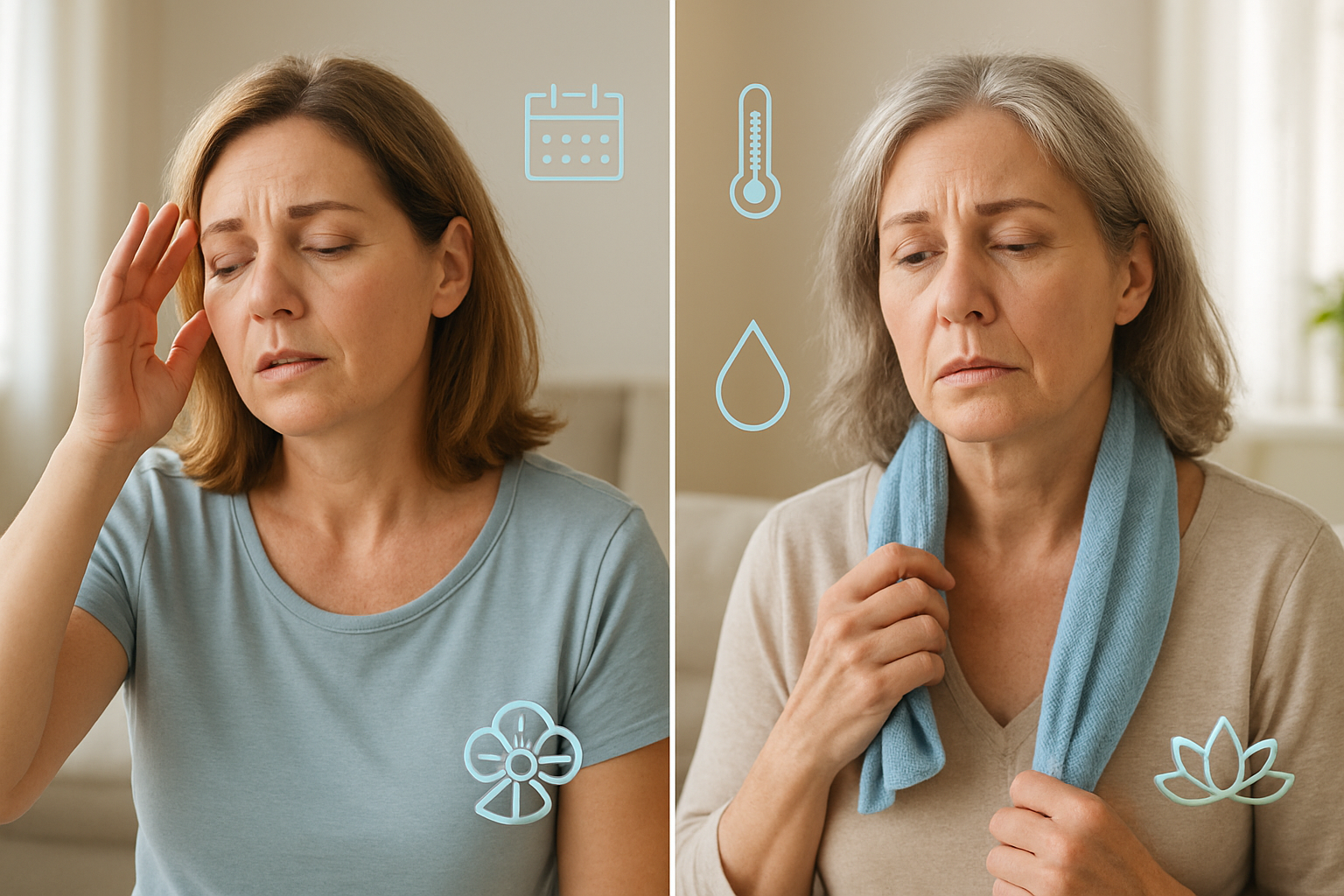
Symptom Comparison: What to Expect During Each Phase

Identifying Unique Perimenopause Symptoms You Shouldn’t Ignore

Your body sends you specific signals when perimenopause begins, and recognising these early symptoms can help you understand what’s happening. The hallmark sign you’ll likely notice first is irregular periods. Your monthly cycle might become unpredictable – arriving early, late, or sometimes skipping months entirely. You might experience heavier or lighter bleeding than usual, which can catch you off guard.

Brain fog becomes surprisingly common during perimenopause, leaving you feeling mentally scattered or forgetful. You might walk into a room and completely forget why you’re there, or struggle to find words during conversations. This cognitive shift often feels frustrating, especially when you’re managing work and family responsibilities.

Sleep disruptions frequently plague women during this transition phase. You might find yourself waking up multiple times throughout the night, even without hot flushes. Your sleep patterns can shift dramatically, making you feel exhausted despite spending adequate time in bed.

Mood swings during perimenopause can feel more intense than typical premenstrual symptoms. You might experience sudden bursts of irritability, anxiety, or sadness that seem disproportionate to your circumstances. These emotional changes often catch both you and your loved ones by surprise.

Understanding Classic Menopause Indicators and Their Intensity

Once you’ve officially reached menopause, the symptom landscape changes significantly. Hot flushes become the most recognisable menopause symptom, affecting up to 80% of women. These sudden waves of heat can leave you drenched in perspiration, particularly uncomfortable during meetings or social situations.

Vaginal dryness emerges as a prominent concern during menopause due to declining oestrogen levels. You might notice discomfort during intimate moments or even while wearing certain clothing. This symptom often worsens over time without proper management.

Joint stiffness and aches become more pronounced during menopause, particularly in your hands, knees, and back. You might notice increased stiffness when waking up in the morning or after sitting for extended periods.

Sleep quality often deteriorates further during menopause, with night sweats disrupting your rest. You might find yourself changing nightclothes or bed sheets multiple times per night, leading to chronic fatigue.

Symptom Type Perimenopause Intensity Menopause Intensity
Hot flushes Mild to moderate Moderate to severe
Sleep disruption Intermittent Frequent
Mood changes Variable More stable but persistent
Cognitive issues Noticeable Can improve

Discovering Which Symptoms Overlap Between Both Stages

Several symptoms bridge both perimenopause and menopause, though their intensity and frequency may vary. Hot flushes can begin during perimenopause but typically intensify during menopause. You might experience them occasionally at first, then more frequently as hormone levels continue declining.

Weight changes affect many women throughout both phases, particularly around your midsection. Your metabolism slows down, making it easier to gain weight and harder to lose it using methods that previously worked.

Skin and hair changes span both stages as well. You might notice your skin becoming drier, less elastic, or developing new lines. Hair thinning or changes in texture can begin during perimenopause and continue through menopause.

Fatigue remains a consistent companion throughout both phases, though the underlying causes may differ. During perimenopause, irregular hormone fluctuations contribute to tiredness, whilst menopause fatigue often stems from poor sleep quality and hormonal depletion.

Learning How Symptom Duration Differs in Each Phase

Perimenopause symptoms can last anywhere from two to ten years, with an average duration of four years. Your experience might be shorter or longer depending on various factors including genetics, lifestyle, and overall health. The unpredictable nature of perimenopause means symptoms can come and go, making this phase particularly challenging to navigate.

Menopause symptoms typically persist for several years after your final period. Hot flushes, the most common complaint, generally last between six months to five years, though some women experience them for much longer. The good news is that most acute menopause symptoms gradually diminish over time.

Your symptom timeline is unique to you, influenced by factors such as stress levels, diet, exercise habits, and genetic predisposition. Keeping a symptom diary can help you identify patterns and triggers, making it easier to manage your experience effectively. Understanding that both phases are temporary can provide comfort during particularly challenging days.

Treatment Options Tailored to Each Life Stage

Treatment Options Tailored to Each Life Stage

Discovering Natural Remedies That Work Best During Perimenopause

Your body’s changing hormone levels during perimenopause respond particularly well to gentle, natural approaches that work with your fluctuating cycles rather than against them. Since your oestrogen and progesterone are still being produced but in unpredictable patterns, you’ll want to focus on supporting your body’s natural hormone production whilst managing symptoms.

Nutritional Support for Perimenopause:

  • Phytoestrogens from foods like flaxseeds, soy products, and lentils can help balance your fluctuating oestrogen levels
  • Magnesium supplements (200-400mg daily) support better sleep and reduce muscle tension
  • Vitamin B6 helps with mood swings and water retention
  • Omega-3 fatty acids from fish oil or algae supplements reduce inflammation and support brain health

Herbal Remedies for Hormonal Changes After 40:

  • Vitex (Chaste Tree Berry) helps regulate your menstrual cycle by supporting progesterone production
  • Black Cohosh reduces hot flushes and night sweats
  • Red Clover provides gentle oestrogenic support
  • Ashwagandha helps your body manage stress and cortisol levels

Regular exercise becomes your best friend during this transition. Weight-bearing activities help maintain bone density, whilst yoga and meditation reduce stress-related symptoms. You’ll find that maintaining consistent sleep patterns and reducing caffeine can dramatically improve your energy levels and mood stability.

Exploring Hormone Replacement Therapy Considerations for Each Phase

Your hormone replacement therapy (HRT) needs differ significantly between perimenopause and post-menopause, and understanding these differences helps you make informed decisions about your treatment options.

During Perimenopause:
You’re still producing hormones, but erratically. Your doctor might recommend:

  • Low-dose oral contraceptives to regulate cycles and provide symptom relief
  • Cyclic progesterone therapy to balance unopposed oestrogen
  • Bioidentical hormone pellets for more consistent hormone levels

Post-Menopause HRT Options:
Once you’ve reached menopause, your treatment focuses on hormone replacement rather than regulation:

HRT Type Benefits Considerations
Combined HRT (Oestrogen + Progesterone) Protects uterine lining, reduces hot flushes Monthly bleeding may continue
Oestrogen-only HRT Effective for symptoms, suitable after hysterectomy Requires progesterone if you have a uterus
Bioidentical Hormones Chemically identical to your natural hormones May require compounding pharmacy

Your personal risk factors, including family history of breast cancer, heart disease, or blood clots, heavily influence which HRT option works best for you. The timing of when you start HRT also matters – beginning within 10 years of your final period generally offers the best risk-to-benefit ratio.

Understanding Post-Menopause Treatment Approaches

After you’ve officially reached menopause (12 months without a period), your treatment focus shifts from managing irregular cycles to preventing long-term health complications whilst maintaining quality of life.

Bone Health Protection:
Your oestrogen deficiency accelerates bone loss, making prevention critical:

  • Calcium supplementation (1,200mg daily) with Vitamin D3 (800-1,000 IU)
  • Weight-bearing exercise for 30 minutes, 4-5 times weekly
  • DEXA scans every 2 years to monitor bone density

Cardiovascular Health Management:
Post-menopausal women face increased heart disease risk. Your strategy should include:

  • Regular blood pressure monitoring and cholesterol checks
  • Mediterranean-style diet rich in heart-healthy fats
  • Stress management through mindfulness or relaxation techniques

Managing Menopause Naturally Post-Transition:
Many women prefer non-hormonal approaches after menopause:

  • Cognitive Behavioural Therapy (CBT) proves highly effective for managing hot flushes
  • Acupuncture can reduce hot flush frequency by up to 50%
  • Mindfulness meditation helps with mood changes and sleep disturbances

Learning When to Seek Professional Medical Guidance

Knowing when your symptoms warrant professional attention can make the difference between struggling through this transition and thriving during it. Your GP or menopause specialist should be your first port of call in several specific situations.

Red Flag Symptoms Requiring Immediate Attention:

  • Heavy bleeding that soaks through a pad or tampon every hour
  • Bleeding lasting longer than 10 days
  • Periods returning after 12 months of absence
  • Severe mood changes or thoughts of self-harm

When to Consider Specialist Care:
Book an appointment with a menopause specialist if you’re experiencing:

  • Symptoms significantly impacting your work or relationships
  • Sleep disturbances lasting more than three months
  • Multiple failed attempts at symptom management
  • Complex medical history requiring specialised hormone therapy

Your Healthcare Team for Women’s Health After 40:
Building the right support network ensures comprehensive care:

  • GP for initial assessment and routine monitoring
  • Gynaecologist for complex hormonal issues or surgical considerations
  • Endocrinologist if you have diabetes, thyroid disorders, or other hormone conditions
  • Mental health counsellor for significant mood changes or relationship impacts

Don’t hesitate to seek a second opinion if your current healthcare provider dismisses your concerns or suggests you simply “put up with” debilitating symptoms. Your quality of life matters, and effective treatments exist for managing both perimenopause and post-menopause symptoms. The key lies in finding the right combination of approaches that work specifically for your body and lifestyle.

conclusion

Your journey through perimenopause and menopause doesn’t have to feel overwhelming when you understand what’s happening to your body. Recognising the difference between these two distinct phases helps you make sense of the changes you’re experiencing. Perimenopause marks the beginning of hormonal fluctuations that can last several years, whilst menopause officially begins once you’ve gone twelve months without a period. Each stage brings its own set of symptoms and challenges, but knowing what to expect empowers you to take control.

The key is finding the right support for your specific stage. Whether you’re dealing with irregular periods and mood swings during perimenopause or managing hot flashes and sleep disturbances in menopause, targeted treatments can make a real difference. Don’t hesitate to speak with your healthcare provider about hormone therapy, lifestyle changes, or alternative treatments that might work for you. Remember, every woman’s experience is unique, so what works for your friend might not be the perfect solution for you. Listen to your body, track your symptoms, and advocate for the care you deserve during this natural transition.
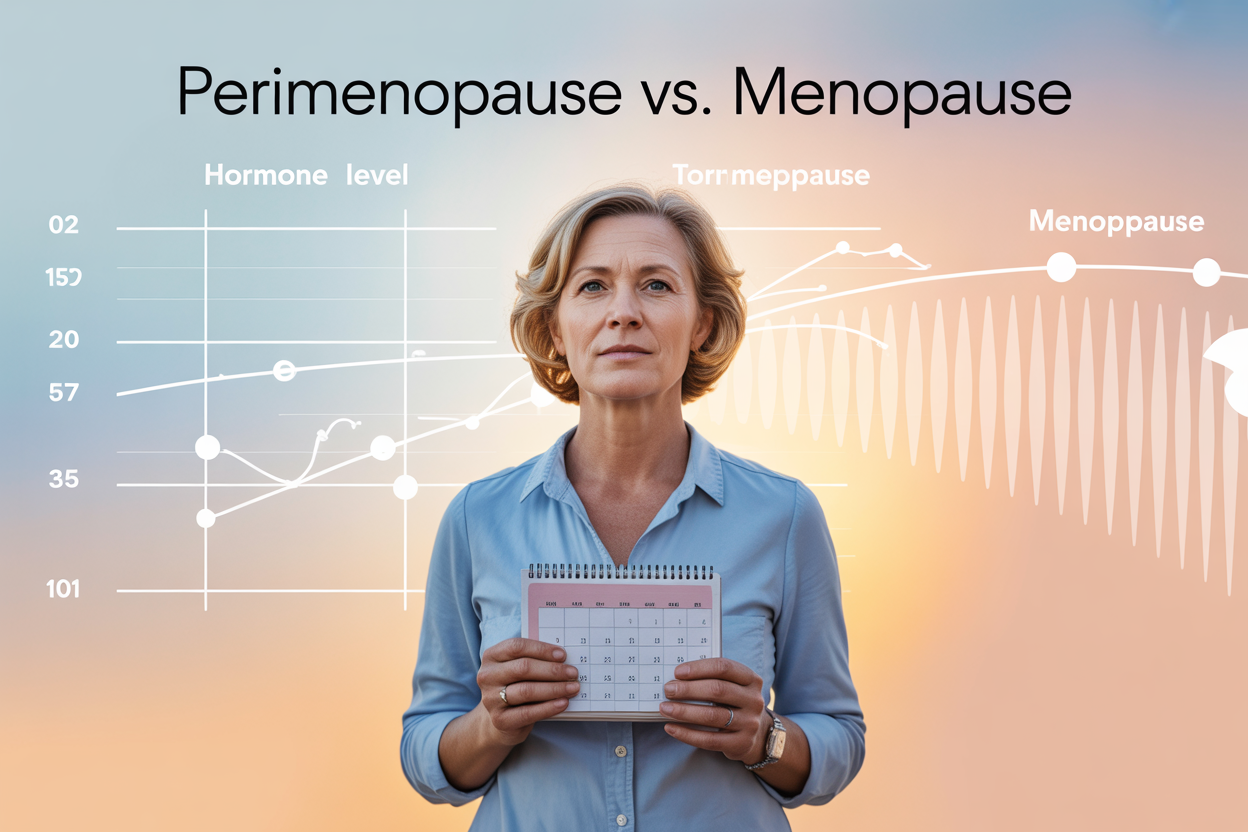
Perimenopause vs. Menopause: What’s the Real Difference?

Table of Contents

If you’re a woman over 40 experiencing irregular periods, hot flashes, or mood swings, you might be wondering whether you’re going through perimenopause vs menopause. Many women aren’t clear about the difference between perimenopause and menopause, which can leave you feeling confused about what’s happening to your body during this significant life transition.

This guide is designed specifically for women navigating hormonal changes after 40 who want straightforward answers about their changing health. You’ll discover exactly what sets perimenopause apart from menopause, including the key hormonal shifts that trigger different symptoms at each stage. We’ll also compare perimenopause symptoms and menopause symptoms so you know what to expect, and explore treatment options that work best for each phase of your menopause transition.

Understanding these differences empowers you to make informed decisions about managing menopause naturally and seeking the right support for your women’s health after 40.

Understanding Perimenopause: Your Body’s Transition Phase

Understanding Perimenopause: Your Body's Transition Phase

Recognising the Early Warning Signs Your Hormones Are Shifting

Your body begins whispering before it shouts, and recognising these early signals can help you understand what’s happening during the perimenopause vs menopause transition. Hot flushes might be the most talked-about symptom, but they’re often not the first sign that your hormones are beginning their dance of change.

You might notice your periods becoming unpredictable—arriving early one month, late the next, or varying dramatically in flow. Sleep disturbances often appear years before other symptoms, leaving you wondering why you’re suddenly wide awake at 3 AM despite feeling exhausted. Your mood might feel like it’s on a rollercoaster, with irritability, anxiety, or unexpected tears catching you off guard.

Brain fog frequently emerges as an early warning sign, making you feel like you’re thinking through treacle when you’ve always prided yourself on mental sharpness. You might struggle to find words that once came easily or forget appointments you’ve never missed before. These cognitive changes can be particularly unsettling for women’s health after 40 who are juggling demanding careers and family responsibilities.

Physical changes often manifest subtly at first. Your skin might feel drier, your hair texture could change, or you might notice increased sensitivity to temperature changes. Joint stiffness, particularly in the morning, frequently develops during this phase, along with changes in body composition that make maintaining your usual weight more challenging.

Discovering When Perimenopause Typically Begins and How Long It Lasts

The timing of your perimenopause journey is as individual as your fingerprint, but understanding typical patterns can help you recognise when you might be entering this phase. Most women experience the onset of perimenopause symptoms between ages 40 and 44, though some begin noticing changes in their late thirties, whilst others don’t experience symptoms until their mid-to-late forties.

Your genetic blueprint plays a significant role in timing—ask your mother and sisters about their experiences, as family history often provides valuable clues about your own trajectory. However, various factors can influence when you begin this transition, including stress levels, lifestyle choices, medical history, and overall health status.

The duration of perimenopause varies considerably, typically lasting anywhere from two to ten years. The average woman experiences this transitional phase for approximately four years, but this timeline can be shorter or longer depending on individual circumstances. Hormonal changes after 40 don’t follow a standardised schedule, which is why some women breeze through this period relatively quickly whilst others find themselves navigating symptoms for nearly a decade.

Certain factors can influence the length of your perimenopause experience. Women who smoke often have shorter perimenopausal periods but may experience more severe symptoms. Those with autoimmune conditions, chronic stress, or significant weight fluctuations might find their transition period extends longer than average.

Learning Why Your Periods Become Irregular During This Stage

Your menstrual cycle, once as predictable as clockwork, becomes increasingly erratic during perimenopause due to fundamental changes in your hormonal orchestra. Understanding the difference between perimenopause and menopause helps explain why your periods behave so differently during this transitional phase.

During your reproductive years, your ovaries released eggs on a regular schedule, with oestrogen and progesterone levels rising and falling in predictable patterns. Now, your ovaries are beginning to wind down their egg production, but this process isn’t smooth or linear. Some months, your ovaries might produce normal hormone levels, whilst other months they might underperform or even skip ovulation entirely.

This inconsistent ovulation creates the hallmark irregular periods of perimenopause. You might experience cycles that are shorter than usual—perhaps 21 days instead of your typical 28—followed by cycles that stretch to 35 or 40 days. The flow might be dramatically different from month to month, ranging from light spotting to heavy flooding that requires frequent changes of protection.

Anovulatory cycles—months when you don’t ovulate—become increasingly common during this phase. Without ovulation, your body doesn’t produce adequate progesterone, which normally helps regulate your cycle and supports the uterine lining. This hormonal imbalance can lead to irregular shedding of the endometrium, causing unpredictable bleeding patterns.

The quality of your remaining eggs also affects cycle regularity. As you age, the eggs that remain are often of lower quality, which can result in weaker hormonal signals and less predictable ovulation timing.

Understanding the Role of Fluctuating Oestrogen Levels

Oestrogen fluctuation during perimenopause is like riding an emotional and physical rollercoaster, with levels swinging wildly from day to day and month to month. Unlike the gradual decline many women expect, oestrogen levels actually become incredibly erratic during this menopause transition, sometimes spiking higher than they ever did during your reproductive years before plummeting to menopausal levels.

These dramatic fluctuations explain many perimenopause symptoms that seem to appear and disappear randomly. When oestrogen surges, you might experience breast tenderness, bloating, mood swings, and migraine headaches. When levels crash, you could face hot flushes, night sweats, vaginal dryness, and sleep disturbances.

Your brain, which has relied on steady oestrogen levels for decades, struggles to adapt to this hormonal chaos. Oestrogen receptors exist throughout your body, including in your brain, bones, cardiovascular system, and skin. This widespread influence explains why managing menopause naturally requires a comprehensive approach that addresses multiple body systems.

The fluctuating nature of oestrogen during perimenopause makes this phase particularly challenging to treat. What works one month might be ineffective the next as your hormone levels shift. This variability is why many healthcare providers recommend tracking symptoms and cycles to identify patterns that might inform treatment decisions.

Over 40 women’s health becomes increasingly complex during this period because oestrogen affects insulin sensitivity, bone density, cholesterol levels, and cognitive function. Understanding these connections helps explain why perimenopause symptoms can feel so overwhelming and why seeking support during this transition is crucial for maintaining your overall wellbeing.

Defining Menopause: The Official End of Your Reproductive Years

Defining Menopause: The Official End of Your Reproductive Years

Identifying the Medical Criteria That Confirm You’ve Reached Menopause

When you’re wondering whether you’ve officially reached menopause, your doctor will look at specific medical markers to make that determination. The primary criterion is straightforward yet definitive: you must have gone 12 consecutive months without a menstrual period, with no other underlying medical condition explaining this absence.

Your healthcare provider will consider your age, symptom history, and may order blood tests to measure your hormone levels. Follicle-stimulating hormone (FSH) levels become particularly telling during this transition. As your ovaries wind down their oestrogen production, your pituitary gland responds by releasing higher amounts of FSH in an attempt to stimulate your ovaries. Elevated FSH levels—typically above 30 mIU/mL—combined with the absence of periods can confirm your menopausal status.

Anti-Müllerian hormone (AMH) testing offers another piece of the puzzle. This hormone reflects your remaining egg supply, and significantly low levels indicate that your reproductive years are ending. Your doctor might also check oestrogen levels, which drop dramatically once you reach menopause.

Blood tests aren’t always necessary for diagnosis, especially if you’re experiencing classic symptoms and fit the typical age range. However, if you’re younger than 45 or have had surgical interventions affecting your reproductive organs, hormone testing becomes more crucial for accurate diagnosis.

Understanding the 12-Month Rule for Determining Menopause Status

The 12-month rule serves as the gold standard for confirming menopause, and there’s solid science behind this timeframe. Your menstrual cycles can become increasingly erratic during perimenopause, with gaps between periods stretching from weeks to several months. You might think you’ve reached menopause after missing periods for six or eight months, only to have your cycle return unexpectedly.

This 12-month waiting period accounts for the natural variability in hormone fluctuations that characterise the transition. Your ovaries don’t simply switch off overnight—they gradually reduce hormone production, creating an unpredictable pattern of ovulation and menstruation. During this time, you might experience months without bleeding followed by a surprise period, which resets your countdown to the 12-month mark.

The rule applies regardless of whether you’re tracking natural menopause or surgical menopause. If you’ve had a hysterectomy that removed only your uterus (leaving your ovaries intact), determining menopause becomes trickier since you won’t have periods to track. In these cases, your doctor relies heavily on symptoms and hormone testing rather than the 12-month rule.

For women taking hormonal contraception, the waters get muddier. Birth control pills, patches, or intrauterine devices can mask the natural signs of menopause by regulating your cycle artificially. Your healthcare provider might recommend temporarily stopping hormonal contraception (with proper backup methods) to assess your natural hormone status.

Exploring the Average Age When Women Experience Menopause

Most women reach menopause between ages 45 and 55, with the average age hovering around 51 in the UK. However, your personal timeline can vary significantly based on genetics, lifestyle factors, and medical history. Understanding these variables helps you prepare for what lies ahead and recognise when your experience falls within normal ranges.

Your family history provides valuable clues about your likely timeline. If your mother and sisters experienced early or late menopause, you’re more likely to follow a similar pattern. Genetics account for roughly 50% of the variation in timing, making family history one of your most reliable predictors.

Smoking accelerates the onset of menopause by approximately one to two years. The chemicals in cigarettes damage your ovaries and interfere with oestrogen production, pushing your reproductive system toward its conclusion earlier than nature intended. Body weight also plays a role—women with very low body fat percentages, such as elite athletes, may experience earlier menopause due to disrupted hormone production.

Medical treatments can significantly alter your timeline. Chemotherapy and radiation therapy, particularly treatments targeting your pelvic area, can damage your ovaries and trigger immediate or premature menopause. Surgical removal of your ovaries results in instant menopause, regardless of your age, whilst hysterectomy alone (keeping your ovaries) might still lead to earlier menopause than you’d naturally experience.

Certain autoimmune conditions, thyroid disorders, and genetic syndromes can also influence timing. Women with Turner syndrome or fragile X syndrome often experience premature menopause before age 40, whilst some autoimmune conditions can attack your ovaries directly, shortening your reproductive lifespan.

The difference between perimenopause and menopause becomes clear when you understand that reaching menopause marks a definitive endpoint—the official conclusion of your reproductive years after meeting these specific medical criteria.

Key Hormonal Differences Between These Life Stages


Comparing Oestrogen and Progesterone Levels in Each Phase

Your hormones tell a fascinating story during the perimenopause vs menopause journey, and understanding their patterns helps you make sense of what’s happening in your body. During your reproductive years, oestrogen and progesterone work together like a well-rehearsed dance, rising and falling in predictable monthly cycles.

When perimenopause begins—typically in your 40s—this hormonal harmony starts to shift dramatically. Your ovaries begin producing less progesterone first, whilst oestrogen levels become erratic. Some months you might experience sky-high oestrogen levels that leave you feeling bloated and emotionally sensitive, followed by sudden drops that trigger hot flushes and mood swings. This hormonal chaos can last anywhere from two to ten years.

Once you reach menopause (defined as 12 months without a period), both oestrogen and progesterone settle at consistently low levels. Your ovaries essentially retire from their hormone-producing duties, though your adrenal glands and fat tissue continue producing small amounts of oestrogen.

Life Stage Oestrogen Levels Progesterone Levels Pattern
Perimenopause Highly variable (fluctuating) Declining Unpredictable
Menopause Consistently low Consistently low Stable

Understanding Why Perimenopause Symptoms Can Be More Unpredictable

The difference between perimenopause and menopause symptoms lies largely in their predictability. During perimenopause, you’re riding an emotional and physical roller coaster because your hormone levels swing wildly from day to day, sometimes even hour to hour.

Your brain’s hypothalamus—which controls your body temperature, sleep cycles, and mood—struggles to adapt to these constant hormonal changes. One day you might sleep like a baby, the next you’re wide awake at 3 AM with your mind racing. You could feel fantastic on Tuesday and experience crushing fatigue by Thursday, all because your oestrogen levels are fluctuating so dramatically.

This unpredictability makes perimenopause particularly challenging for women over 40. You can’t anticipate when symptoms will strike, making it difficult to plan your days or manage your energy levels effectively. Many women describe feeling like strangers in their own bodies during this phase.

Learning How Hormone Fluctuations Affect Your Daily Life

These hormonal changes during the menopause transition impact every aspect of your daily routine. When oestrogen spikes, you might experience:

  • Increased anxiety and irritability
  • Breast tenderness and bloating
  • Heavier periods that disrupt your schedule
  • Difficulty concentrating at work

When oestrogen plummets, you’re likely to encounter:

  • Hot flushes that interrupt meetings and sleep
  • Vaginal dryness affecting intimacy
  • Joint aches that make exercise uncomfortable
  • Memory lapses that frustrate you

Your sleep quality becomes particularly vulnerable to these hormonal swings. Progesterone naturally promotes restful sleep, so as levels decline, you may find yourself tossing and turning more frequently. This sleep disruption creates a cascade effect, impacting your energy, mood, and ability to cope with stress the following day.

Recognising the Stabilisation That Occurs Post-Menopause

Once you’ve completed the menopause transition, your body enters a new phase of hormonal stability. Whilst your oestrogen and progesterone levels remain low, they’re consistently low—and this predictability can actually be liberating.

Many women report feeling more emotionally balanced post-menopause. The dramatic mood swings and unpredictable symptoms that characterised perimenopause begin to settle. Your body adapts to its new hormonal baseline, and you can better predict how you’ll feel from day to day.

This doesn’t mean all menopause symptoms disappear overnight. Hot flushes might continue, and you may still experience vaginal dryness or joint stiffness. However, these symptoms become more manageable because they’re consistent rather than constantly changing. You can develop effective coping strategies and treatment plans when you know what to expect.

Understanding these hormonal differences between perimenopause and menopause empowers you to seek appropriate support for your specific life stage, whether that’s managing unpredictable perimenopause symptoms or addressing the consistent challenges of post-menopausal life.

Symptom Comparison: What to Expect During Each Phase

Symptom Comparison: What to Expect During Each Phase

Identifying Unique Perimenopause Symptoms You Shouldn’t Ignore

Your body sends you specific signals when perimenopause begins, and recognising these early symptoms can help you understand what’s happening. The hallmark sign you’ll likely notice first is irregular periods. Your monthly cycle might become unpredictable – arriving early, late, or sometimes skipping months entirely. You might experience heavier or lighter bleeding than usual, which can catch you off guard.

Brain fog becomes surprisingly common during perimenopause, leaving you feeling mentally scattered or forgetful. You might walk into a room and completely forget why you’re there, or struggle to find words during conversations. This cognitive shift often feels frustrating, especially when you’re managing work and family responsibilities.

Sleep disruptions frequently plague women during this transition phase. You might find yourself waking up multiple times throughout the night, even without hot flushes. Your sleep patterns can shift dramatically, making you feel exhausted despite spending adequate time in bed.

Mood swings during perimenopause can feel more intense than typical premenstrual symptoms. You might experience sudden bursts of irritability, anxiety, or sadness that seem disproportionate to your circumstances. These emotional changes often catch both you and your loved ones by surprise.

Understanding Classic Menopause Indicators and Their Intensity

Once you’ve officially reached menopause, the symptom landscape changes significantly. Hot flushes become the most recognisable menopause symptom, affecting up to 80% of women. These sudden waves of heat can leave you drenched in perspiration, particularly uncomfortable during meetings or social situations.

Vaginal dryness emerges as a prominent concern during menopause due to declining oestrogen levels. You might notice discomfort during intimate moments or even while wearing certain clothing. This symptom often worsens over time without proper management.

Joint stiffness and aches become more pronounced during menopause, particularly in your hands, knees, and back. You might notice increased stiffness when waking up in the morning or after sitting for extended periods.

Sleep quality often deteriorates further during menopause, with night sweats disrupting your rest. You might find yourself changing nightclothes or bed sheets multiple times per night, leading to chronic fatigue.

Symptom Type Perimenopause Intensity Menopause Intensity
Hot flushes Mild to moderate Moderate to severe
Sleep disruption Intermittent Frequent
Mood changes Variable More stable but persistent
Cognitive issues Noticeable Can improve

Discovering Which Symptoms Overlap Between Both Stages

Several symptoms bridge both perimenopause and menopause, though their intensity and frequency may vary. Hot flushes can begin during perimenopause but typically intensify during menopause. You might experience them occasionally at first, then more frequently as hormone levels continue declining.

Weight changes affect many women throughout both phases, particularly around your midsection. Your metabolism slows down, making it easier to gain weight and harder to lose it using methods that previously worked.

Skin and hair changes span both stages as well. You might notice your skin becoming drier, less elastic, or developing new lines. Hair thinning or changes in texture can begin during perimenopause and continue through menopause.

Fatigue remains a consistent companion throughout both phases, though the underlying causes may differ. During perimenopause, irregular hormone fluctuations contribute to tiredness, whilst menopause fatigue often stems from poor sleep quality and hormonal depletion.

Learning How Symptom Duration Differs in Each Phase

Perimenopause symptoms can last anywhere from two to ten years, with an average duration of four years. Your experience might be shorter or longer depending on various factors including genetics, lifestyle, and overall health. The unpredictable nature of perimenopause means symptoms can come and go, making this phase particularly challenging to navigate.

Menopause symptoms typically persist for several years after your final period. Hot flushes, the most common complaint, generally last between six months to five years, though some women experience them for much longer. The good news is that most acute menopause symptoms gradually diminish over time.

Your symptom timeline is unique to you, influenced by factors such as stress levels, diet, exercise habits, and genetic predisposition. Keeping a symptom diary can help you identify patterns and triggers, making it easier to manage your experience effectively. Understanding that both phases are temporary can provide comfort during particularly challenging days.

Treatment Options Tailored to Each Life Stage

Treatment Options Tailored to Each Life Stage

Discovering Natural Remedies That Work Best During Perimenopause

Your body’s changing hormone levels during perimenopause respond particularly well to gentle, natural approaches that work with your fluctuating cycles rather than against them. Since your oestrogen and progesterone are still being produced but in unpredictable patterns, you’ll want to focus on supporting your body’s natural hormone production whilst managing symptoms.

Nutritional Support for Perimenopause:

  • Phytoestrogens from foods like flaxseeds, soy products, and lentils can help balance your fluctuating oestrogen levels
  • Magnesium supplements (200-400mg daily) support better sleep and reduce muscle tension
  • Vitamin B6 helps with mood swings and water retention
  • Omega-3 fatty acids from fish oil or algae supplements reduce inflammation and support brain health

Herbal Remedies for Hormonal Changes After 40:

  • Vitex (Chaste Tree Berry) helps regulate your menstrual cycle by supporting progesterone production
  • Black Cohosh reduces hot flushes and night sweats
  • Red Clover provides gentle oestrogenic support
  • Ashwagandha helps your body manage stress and cortisol levels

Regular exercise becomes your best friend during this transition. Weight-bearing activities help maintain bone density, whilst yoga and meditation reduce stress-related symptoms. You’ll find that maintaining consistent sleep patterns and reducing caffeine can dramatically improve your energy levels and mood stability.

Exploring Hormone Replacement Therapy Considerations for Each Phase

Your hormone replacement therapy (HRT) needs differ significantly between perimenopause and post-menopause, and understanding these differences helps you make informed decisions about your treatment options.

During Perimenopause:
You’re still producing hormones, but erratically. Your doctor might recommend:

  • Low-dose oral contraceptives to regulate cycles and provide symptom relief
  • Cyclic progesterone therapy to balance unopposed oestrogen
  • Bioidentical hormone pellets for more consistent hormone levels

Post-Menopause HRT Options:
Once you’ve reached menopause, your treatment focuses on hormone replacement rather than regulation:

HRT Type Benefits Considerations
Combined HRT (Oestrogen + Progesterone) Protects uterine lining, reduces hot flushes Monthly bleeding may continue
Oestrogen-only HRT Effective for symptoms, suitable after hysterectomy Requires progesterone if you have a uterus
Bioidentical Hormones Chemically identical to your natural hormones May require compounding pharmacy

Your personal risk factors, including family history of breast cancer, heart disease, or blood clots, heavily influence which HRT option works best for you. The timing of when you start HRT also matters – beginning within 10 years of your final period generally offers the best risk-to-benefit ratio.

Understanding Post-Menopause Treatment Approaches

After you’ve officially reached menopause (12 months without a period), your treatment focus shifts from managing irregular cycles to preventing long-term health complications whilst maintaining quality of life.

Bone Health Protection:
Your oestrogen deficiency accelerates bone loss, making prevention critical:

  • Calcium supplementation (1,200mg daily) with Vitamin D3 (800-1,000 IU)
  • Weight-bearing exercise for 30 minutes, 4-5 times weekly
  • DEXA scans every 2 years to monitor bone density

Cardiovascular Health Management:
Post-menopausal women face increased heart disease risk. Your strategy should include:

  • Regular blood pressure monitoring and cholesterol checks
  • Mediterranean-style diet rich in heart-healthy fats
  • Stress management through mindfulness or relaxation techniques

Managing Menopause Naturally Post-Transition:
Many women prefer non-hormonal approaches after menopause:

  • Cognitive Behavioural Therapy (CBT) proves highly effective for managing hot flushes
  • Acupuncture can reduce hot flush frequency by up to 50%
  • Mindfulness meditation helps with mood changes and sleep disturbances

Learning When to Seek Professional Medical Guidance

Knowing when your symptoms warrant professional attention can make the difference between struggling through this transition and thriving during it. Your GP or menopause specialist should be your first port of call in several specific situations.

Red Flag Symptoms Requiring Immediate Attention:

  • Heavy bleeding that soaks through a pad or tampon every hour
  • Bleeding lasting longer than 10 days
  • Periods returning after 12 months of absence
  • Severe mood changes or thoughts of self-harm

When to Consider Specialist Care:
Book an appointment with a menopause specialist if you’re experiencing:

  • Symptoms significantly impacting your work or relationships
  • Sleep disturbances lasting more than three months
  • Multiple failed attempts at symptom management
  • Complex medical history requiring specialised hormone therapy

Your Healthcare Team for Women’s Health After 40:
Building the right support network ensures comprehensive care:

  • GP for initial assessment and routine monitoring
  • Gynaecologist for complex hormonal issues or surgical considerations
  • Endocrinologist if you have diabetes, thyroid disorders, or other hormone conditions
  • Mental health counsellor for significant mood changes or relationship impacts

Don’t hesitate to seek a second opinion if your current healthcare provider dismisses your concerns or suggests you simply “put up with” debilitating symptoms. Your quality of life matters, and effective treatments exist for managing both perimenopause and post-menopause symptoms. The key lies in finding the right combination of approaches that work specifically for your body and lifestyle.

conclusion

Your journey through perimenopause and menopause doesn’t have to feel overwhelming when you understand what’s happening to your body. Recognising the difference between these two distinct phases helps you make sense of the changes you’re experiencing. Perimenopause marks the beginning of hormonal fluctuations that can last several years, whilst menopause officially begins once you’ve gone twelve months without a period. Each stage brings its own set of symptoms and challenges, but knowing what to expect empowers you to take control.

The key is finding the right support for your specific stage. Whether you’re dealing with irregular periods and mood swings during perimenopause or managing hot flashes and sleep disturbances in menopause, targeted treatments can make a real difference. Don’t hesitate to speak with your healthcare provider about hormone therapy, lifestyle changes, or alternative treatments that might work for you. Remember, every woman’s experience is unique, so what works for your friend might not be the perfect solution for you. Listen to your body, track your symptoms, and advocate for the care you deserve during this natural transition.

No Affiliate Products found.

Related Blog