

Boost
Energy

Supports
Strees Relief

Clean &
Effective
Why Colds & Flu Become More Disruptive Over Time
As we age or juggle busy schedules, getting sick can feel more disruptive than it used to:
-
Symptoms linger longer
-
Energy drops more noticeably
-
Sleep quality suffers
-
Recovery takes more time
Stress, poor sleep, and nutrient gaps can all weaken immune resilience. That’s why cold and flu support works best when it’s layered onto good foundations, not used in isolation.

Our Approach (Foundations → Early Support → Recovery Focus)
Stage 1 — Strong Foundations
We focus on baseline health year-round:
-
Adequate sleep
-
Balanced nutrition
-
Hydration
-
Regular movement
These don’t prevent every illness, but they reduce severity and recovery time.
Stage 2 — Early Support
At the first signs of a cold or flu (scratchy throat, fatigue, congestion), we prioritise rest and supportive remedies rather than pushing through.
Stage 3 — Recovery, Not Suppression
Rather than masking symptoms aggressively, we support the immune system and manage discomfort so the body can do its job.
How Cold & Flu Remedies Work (Human Explanation)
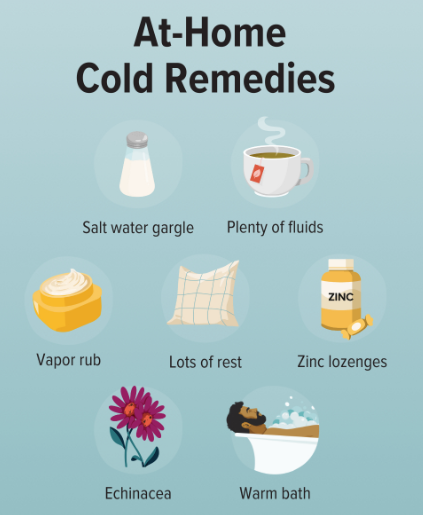
Cold and flu remedies generally fall into three categories:
-
Immune Support
Helps the immune system respond effectively (e.g. zinc, vitamin C). -
Symptom Relief
Helps reduce discomfort like congestion, sore throat, or aches. -
Recovery Support
Supports sleep, hydration, and energy while the body heals.
No supplement or remedy “kills” a cold instantly. The goal is to support immune function and reduce the strain on the body while the illness runs its course.