
EverWise Health

<--Awin verification 001-->

How to Use Vitamin D to Slow Down Ageing Naturally

Your skin’s aging faster than it should. Your energy’s tanking. You might be missing one of nature’s most powerful anti-aging secrets: vitamin D anti-aging benefits.

This guide is for anyone who wants to slow down aging naturally without expensive procedures or complicated routines. If you’re dealing with premature wrinkles, low energy, or just want to age more gracefully, vitamin D could be your game-changer.

We’ll start by breaking down vitamin D deficiency signs aging your body faster than normal – think dull skin, bone weakness, and that constant tired feeling. Then you’ll discover proven vitamin D absorption tips and lifestyle strategies to maximize this sunshine vitamin’s anti-aging power. You’ll walk away knowing exactly how to use vitamin D for aging prevention, from optimizing your levels to simple daily habits that support vitamin D longevity benefits.

Ready to tap into one of the most researched natural anti-aging vitamin D strategies? Let’s get started.

Understanding Vitamin D’s Role in Anti-Aging

Understanding Vitamin D's Role in Anti-Aging

How vitamin D deficiency accelerates cellular aging

Your cells age faster when vitamin D levels drop below optimal ranges. This sunshine vitamin plays a crucial role in maintaining cellular health through multiple pathways that directly influence how quickly your body shows signs of aging.

Cellular senescence – the process where cells stop dividing and start deteriorating – happens more rapidly when vitamin D is insufficient. Research shows that low vitamin D levels correlate with shorter telomeres, the protective caps on chromosomes that serve as biological age markers. When telomeres shorten prematurely, cells age faster and lose their ability to regenerate effectively.

The mitochondrial connection becomes particularly important when discussing vitamin D anti-aging benefits. Mitochondria, your cellular powerhouses, rely on adequate vitamin D to function optimally. Without sufficient levels, these energy-producing organelles produce more reactive oxygen species (free radicals) and less ATP (cellular energy). This creates a cascade effect where cells struggle to repair themselves, leading to accelerated aging throughout your body.

Vitamin D deficiency also disrupts autophagy – your body’s natural cellular cleaning process. This mechanism removes damaged proteins and organelles, essentially taking out the cellular trash. When vitamin D levels are low, autophagy becomes less efficient, allowing cellular debris to accumulate and contributing to premature aging.

The immune system’s aging process, called immunosenescence, also accelerates with inadequate vitamin D. This creates chronic low-grade inflammation that damages tissues throughout your body, making you look and feel older than your chronological age.

The connection between vitamin D and collagen production

Collagen, the protein responsible for skin elasticity and firmness, depends heavily on vitamin D for its synthesis and maintenance. This relationship explains why people with adequate vitamin D levels often maintain more youthful skin appearance compared to those with deficiencies.

Vitamin D receptors exist throughout skin cells, including fibroblasts – the specialized cells that produce collagen. When these receptors are activated by sufficient vitamin D, they trigger increased collagen synthesis. This process involves multiple steps where vitamin D influences the expression of genes responsible for collagen production.

Type I collagen, the most abundant form in skin, shows significant improvement with optimal vitamin D levels. Studies demonstrate that people using vitamin D for aging benefits experience enhanced skin thickness and reduced fine lines over time. The vitamin also supports the production of elastin, another protein that keeps skin supple and prevents sagging.

The vitamin’s role extends beyond just making new collagen – it also protects existing collagen from degradation. Matrix metalloproteinases (MMPs), enzymes that break down collagen, become overactive when vitamin D is deficient. Adequate levels help regulate these enzymes, preserving your skin’s structural integrity.

Natural collagen support happens when vitamin D works alongside vitamin C and other nutrients. This synergistic effect creates optimal conditions for collagen cross-linking – the process that gives collagen its strength and durability. Without proper vitamin D levels, even abundant vitamin C cannot maximize collagen benefits.

Bone collagen also relies on vitamin D, which explains why vitamin D deficiency signs aging include not just wrinkled skin but also weakened bones and poor posture that can make you appear older.

Vitamin D’s impact on DNA repair mechanisms

DNA damage accumulates naturally as you age, but vitamin D significantly influences how well your body repairs this damage. The vitamin activates several DNA repair pathways that help maintain genetic integrity and slow the aging process.

Nucleotide excision repair, one of the most important DNA repair mechanisms, becomes more efficient with adequate vitamin D levels. This process removes UV-induced DNA damage and other harmful modifications that can lead to cellular dysfunction and premature aging. People with higher vitamin D levels show better recovery from DNA damage caused by environmental stressors.

Vitamin D receptors directly regulate genes involved in DNA repair, including p53 – often called the “guardian of the genome.” When p53 functions optimally with sufficient vitamin D support, it can better detect DNA damage and either repair it or eliminate severely damaged cells before they become problematic.

Homologous recombination and non-homologous end joining are two additional DNA repair pathways that benefit from optimal vitamin D status. These mechanisms fix double-strand breaks in DNA – the most serious type of genetic damage that can accelerate aging when left unrepaired.

The vitamin also supports the production of DNA repair enzymes like poly(ADP-ribose) polymerase (PARP), which helps detect and signal DNA damage. Enhanced PARP activity with adequate vitamin D means faster identification and repair of genetic problems before they accumulate.

Epigenetic modifications – changes in gene expression that don’t alter DNA sequence – also respond to vitamin D levels. These modifications can influence aging-related gene expression patterns, with sufficient vitamin D promoting more youthful genetic profiles.

Protecting against oxidative stress and inflammation

Oxidative stress and chronic inflammation are two primary drivers of aging that vitamin D effectively combats. This dual protection explains much of vitamin D’s powerful anti-aging effects throughout your body.

Antioxidant enzyme systems receive significant support from vitamin D. The vitamin upregulates production of catalase, superoxide dismutase, and glutathione peroxidase – your body’s natural antioxidant defenses. These enzymes neutralize free radicals before they can damage cellular structures like DNA, proteins, and lipid membranes.

Glutathione, often called the master antioxidant, depends on vitamin D for optimal production and recycling. People with higher vitamin D levels typically maintain better glutathione status, providing superior protection against oxidative damage that accelerates aging.

Inflammatory pathway regulation represents another crucial way vitamin D slows aging. The vitamin inhibits nuclear factor-kappa B (NF-κB), a key inflammatory signaling pathway that becomes overactive with age. When NF-κB is properly regulated by sufficient vitamin D, it reduces production of pro-inflammatory cytokines like interleukin-6 and tumor necrosis factor-alpha.

C-reactive protein (CRP), a marker of systemic inflammation, typically decreases when vitamin D levels improve. Lower CRP correlates with reduced cardiovascular aging, better cognitive function, and slower overall aging processes.

Microglial activation in the brain also responds to vitamin D status. These immune cells become chronically activated with aging, contributing to neuroinflammation and cognitive decline. Adequate vitamin D helps keep microglia in their beneficial, protective state rather than their inflammatory mode.

The vitamin’s anti-inflammatory effects extend to skin aging as well. UV-induced inflammation, which accelerates photoaging, becomes less severe when vitamin D levels are optimal. This protection works both from dietary sources and from the vitamin D produced when your skin is exposed to sunlight in appropriate amounts.

Advanced glycation end products (AGEs), harmful compounds that form when proteins react with sugars, accumulate less rapidly with sufficient vitamin D. These compounds contribute significantly to skin aging and internal organ damage, making vitamin D’s protective effect particularly valuable for maintaining youthful appearance and function.

Vitamin D also supports the resolution of inflammation through specialized pro-resolving mediators. These compounds help inflammation resolve properly rather than becoming chronic, preventing the persistent inflammatory state that characterizes accelerated aging.

The interplay between oxidative stress and inflammation creates a vicious cycle that vitamin D helps break. By addressing both factors simultaneously, optimal vitamin D levels provide comprehensive protection against the cellular damage that drives visible and internal signs of aging.

Recognising Signs of Vitamin D Deficiency That Age You

Recognising Signs of Vitamin D Deficiency That Age You

Skin Changes That Indicate Low Vitamin D Levels

Your skin acts as a window into your vitamin D status, revealing telltale signs that age you beyond your years. When vitamin D deficiency signs aging become apparent on your skin, you’re witnessing the body’s cry for help – and catching these signals early can make the difference between accelerated aging and maintaining your youthful glow.

Premature wrinkle formation stands as one of the most visible indicators of inadequate vitamin D levels. The nutrient plays a crucial role in collagen synthesis, the protein responsible for skin elasticity and firmness. Without sufficient vitamin D, your skin’s ability to repair and regenerate itself diminishes significantly. Fine lines around the eyes, deeper nasolabial folds, and forehead creases appear earlier and progress faster than they should.

Dullness and loss of natural radiance signal another red flag. Healthy skin possesses an inner glow that comes from optimal cellular function – something vitamin D directly influences through its role in cell turnover and renewal. When levels drop, skin appears flat, lacklustre, and tired. The natural luminosity fades, replaced by a greyish undertone that makeup struggles to correct.

Increased sensitivity and inflammatory responses become more common with vitamin D deficiency. Your skin may react more severely to environmental stressors, developing redness, irritation, or breakouts from triggers that previously caused no problems. This heightened sensitivity stems from vitamin D’s anti-inflammatory properties – without adequate levels, your skin’s defence mechanisms weaken.

Slow wound healing offers another telling sign. Cuts, scratches, or blemishes take longer to resolve, and the healing process may leave more noticeable marks. Vitamin D supports the skin’s repair mechanisms, helping cells regenerate efficiently. When deficient, this natural healing slows down, contributing to an aged appearance.

Uneven skin tone and hyperpigmentation issues often worsen with low vitamin D levels. Dark spots, melasma, or post-inflammatory hyperpigmentation become more persistent and difficult to fade. The nutrient helps regulate melanocyte function – the cells responsible for pigment production – and supports the skin’s natural exfoliation process that helps fade discoloration.

Dry, rough patches that resist moisturization frequently indicate vitamin D insufficiency. The nutrient supports the skin barrier function, helping retain moisture and maintain smooth texture. Without enough vitamin D, skin becomes chronically dehydrated, developing rough patches, flaking, or a creepy texture that ages the appearance considerably.

Fatigue and Energy Decline as Aging Accelerators

Energy depletion from vitamin D deficiency creates a cascade of aging effects that extend far beyond simple tiredness. When your body lacks this essential nutrient, fatigue becomes a relentless companion that ages you from the inside out, affecting everything from your posture to your mental sharpness.

Chronic exhaustion alters your facial expressions and body language in ways that add years to your appearance. Constant fatigue leads to drooping eyelids, slack facial muscles, and a generally worn-down expression. Your smile becomes less frequent and less genuine, your eyes lose their sparkle, and your overall demeanour shifts toward looking defeated or overwhelmed. This isn’t just about feeling tired – it’s about how persistent exhaustion rewrites your physical presence.

Sleep quality deteriorates significantly with vitamin D deficiency, creating a vicious cycle of aging acceleration. Poor sleep prevents proper cellular repair, disrupts hormone production, and impairs the body’s natural detoxification processes. Dark circles deepen, skin texture suffers, and cognitive function declines. The restorative sleep phase when your body performs its most crucial anti-aging work becomes compromised.

Mental fog and cognitive sluggishness make you appear older than your chronological age. Vitamin D receptors exist throughout the brain, and deficiency impacts neurotransmitter function, memory formation, and processing speed. When your mind feels cloudy, your responses slow down, your conversations lack spark, and your overall mental acuity diminishes – all of which contribute to an aged presentation.

Physical performance and stamina decline dramatically with insufficient vitamin D levels. Simple activities that once felt effortless become challenging, your endurance drops, and recovery time increases. This physical deterioration doesn’t just affect your fitness level – it changes how you move through the world, creating a more laboured, older appearance in your gait and general mobility.

Motivation and enthusiasm wane when vitamin D deficiency takes hold, affecting your engagement with life itself. The nutrient influences serotonin production and mood regulation, so deficiency often leads to decreased interest in activities you once enjoyed. This withdrawal from life’s pleasures shows on your face and in your energy, creating an aged, disinterested appearance that makes you seem much older.

The immune system weakens under vitamin D deficiency stress, leaving you more susceptible to frequent illnesses that drain your energy reserves further. Constant low-level infections, lingering colds, or persistent minor health issues create a cycle where you never quite feel your best. This ongoing struggle shows in your complexion, energy levels, and overall vitality.

Hormonal imbalances often accompany vitamin D deficiency, particularly affecting stress hormones like cortisol. Elevated stress hormone levels accelerate aging through multiple pathways – breaking down collagen, disrupting sleep patterns, and promoting inflammation throughout the body. When your stress response system stays constantly activated due to nutrient deficiency, aging happens faster than it should.

Bone Health Deterioration and Posture Problems

Bone health decline from vitamin D deficiency creates visible aging signs that dramatically alter your physical appearance and mobility. The connection between vitamin D levels slow aging and skeletal health runs deeper than most people realize, affecting not just bone density but your entire physical presence and how others perceive your age.

Postural changes represent the most immediately noticeable effects of bone health deterioration. As bones weaken and lose density, your spine begins to curve forward, creating the classic “dowager’s hump” or forward head posture that instantly adds decades to your appearance. This isn’t just about standing up straight – it’s about structural changes that reshape your entire silhouette.

Height loss becomes increasingly apparent as vertebrae compress and the spinal curve increases. While some height loss occurs naturally with aging, vitamin D deficiency accelerates this process significantly. The gradual shrinking affects your proportions, making clothes fit differently and creating an overall appearance of frailty that ages you beyond your years.

Joint pain and stiffness develop as vitamin D deficiency affects not just bones but the surrounding cartilage and connective tissues. This discomfort changes how you move, creating a more cautious, limited range of motion that makes you appear older and less vital. The hesitant, careful movements of someone experiencing joint pain signal aging even when the person is relatively young.

Balance and coordination problems increase fall risk and create a more tentative, unsteady appearance. Vitamin D receptors in muscle tissue mean deficiency affects muscle strength and coordination. When your balance feels uncertain, you move differently – more carefully, with less confidence – and this change in movement patterns ages your overall presentation.

Dental health deteriorates with prolonged vitamin D deficiency, affecting both your appearance and your nutrition. Weak bones mean weak jawbones, which can lead to tooth loss, gum recession, and changes in facial structure. A deteriorating smile ages the face dramatically, and poor oral health can affect your ability to eat nutritious foods, creating additional health challenges.

Muscle weakness compounds the bone health problems, creating a dual threat to your physical appearance and function. Vitamin D deficiency reduces muscle protein synthesis and impairs muscle fibre function. Weak muscles cannot properly support weakening bones, accelerating postural problems and creating a cycle where both systems deteriorate together.

Fracture risk increases exponentially with vitamin D deficiency, and the fear of injury can be as aging as the actual bone weakness. When you’re constantly worried about falling or breaking something, you naturally become more sedentary and cautious. This reduction in physical activity accelerates muscle loss and further weakens bones, creating a downward spiral.

Recovery time from injuries extends significantly when vitamin D levels are insufficient. What might have been a minor setback in your younger years becomes a major health event that takes months to resolve. This slower recovery process not only affects your physical capabilities but also impacts your confidence and willingness to stay active.

The inflammatory response associated with bone deterioration affects your overall health and appearance. Chronic low-level inflammation from bone and joint problems contributes to premature aging throughout the body, affecting skin health, cardiovascular function, and cognitive performance. This systemic inflammation accelerates aging processes far beyond the skeletal system.

Activity limitations from bone health problems create a cascade of aging effects. When movement becomes painful or risky, people naturally become more sedentary. This reduction in physical activity leads to further muscle loss, decreased cardiovascular fitness, and reduced social interaction – all factors that accelerate the aging process both physically and mentally.

Optimizing Your Vitamin D Levels for Maximum Anti-Aging Benefits
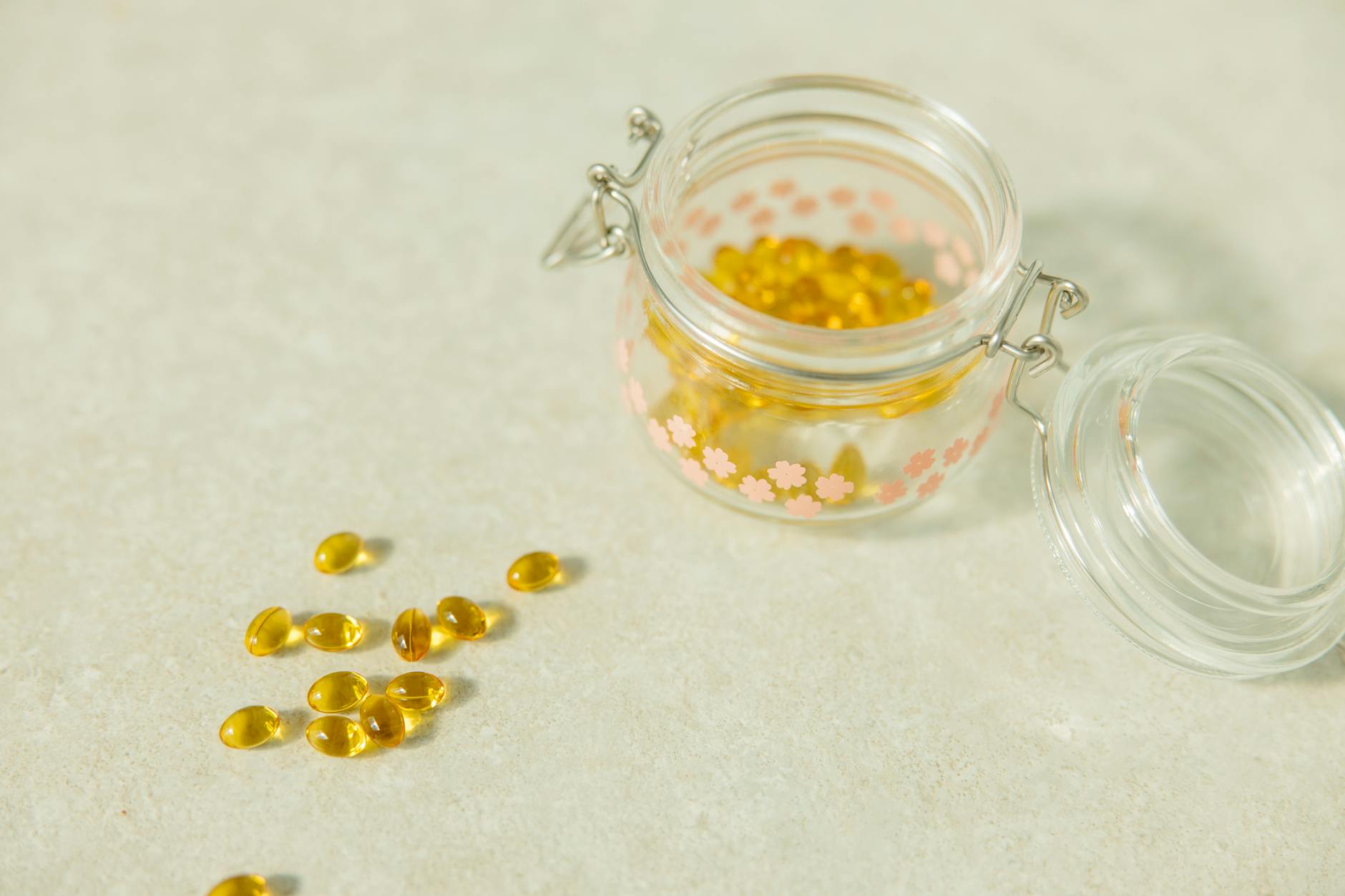
Optimizing Your Vitamin D Levels for Maximum Anti-Aging Benefits

Getting the Right Amount of Safe Sun Exposure

Your skin is designed to produce vitamin D when exposed to UVB radiation from sunlight, making this the most natural and cost-effective way to boost your vitamin D levels for anti-aging benefits. The key lies in finding that sweet spot between getting enough sun to trigger vitamin D production while avoiding skin damage that could actually accelerate aging.

The amount of sun exposure you need depends on several factors: your skin tone, geographic location, time of year, and time of day. People with fair skin typically need about 10-15 minutes of midday sun exposure on arms and legs several times per week. Those with darker skin require significantly more time – sometimes 30-60 minutes – because melanin acts as a natural sunscreen, reducing UVB penetration.

Geographic latitude plays a crucial role in determining your sun exposure needs. If you live above 37 degrees north latitude (roughly north of Los Angeles or Atlanta), your skin cannot produce adequate vitamin D from November through February due to the sun’s angle. During these months, even prolonged sun exposure won’t trigger sufficient vitamin D synthesis.

The golden hours for vitamin D production occur between 10 AM and 3 PM when UVB rays are strongest. While many people avoid the sun during these peak hours to prevent burning, this is actually when your skin most efficiently converts 7-dehydrocholesterol into vitamin D3. The trick is limiting exposure time rather than avoiding these hours entirely.

Start with shorter exposures and gradually build tolerance. Begin with 5-10 minutes of direct sunlight on your arms, legs, and back without sunscreen. Your skin should develop a very light pink colour within 24 hours – this indicates you’ve reached your minimal erythemal dose, the point where vitamin D production peaks before skin damage begins.

Consider the “shadow rule” as a practical guide: when your shadow is shorter than your height, UVB rays are strong enough for vitamin D production. This simple test helps you determine optimal timing regardless of your location or season.

Cloud cover reduces UVB radiation by about 50%, while shade from trees or buildings can reduce it by up to 60%. Glass windows block virtually all UVB rays, so indoor sun exposure through windows won’t boost your vitamin D levels, though it may still provide mood benefits.

Sunscreen with SPF 8 or higher blocks approximately 95% of UVB radiation, effectively preventing vitamin D synthesis. This creates a dilemma between sun protection and vitamin D production. The solution involves strategic timing: get your vitamin D-producing sun exposure first, then apply sunscreen for extended outdoor activities.

Choosing the Most Effective Vitamin D Supplements

When natural sun exposure isn’t sufficient, high-quality vitamin D supplements become essential for maintaining optimal levels that support your body’s anti-aging mechanisms. Not all vitamin D supplements are created equal, and understanding the differences can significantly impact your results.

Vitamin D3 (cholecalciferol) consistently outperforms vitamin D2 (ergocalciferol) in raising and maintaining blood levels of 25-hydroxyvitamin D, the marker used to assess vitamin D status. Research shows that vitamin D3 is approximately 87% more effective at raising vitamin D blood levels and maintains those levels for longer periods. Choose vitamin D3 for maximum anti-aging benefits.

Dosage recommendations vary widely, but most adults need between 1,000-4,000 IU daily to maintain optimal blood levels. The outdated RDA of 600-800 IU was designed to prevent rickets, not to optimize health or slow aging. Many vitamin D researchers suggest doses of 1,000 IU per 25 pounds of body weight as a starting point, though individual needs vary significantly.

Look for supplements that combine vitamin D3 with vitamin K2, particularly the MK-7 form. This combination enhances the anti-aging benefits by ensuring calcium gets deposited in bones and teeth rather than soft tissues like arteries. The typical ratio is 100 mcg of K2 for every 1,000 IU of D3, though some products use different ratios effectively.

Magnesium status affects vitamin D metabolism at every step. Your body requires magnesium to convert vitamin D into its active form, and vitamin D supplementation can deplete magnesium stores. Consider taking 200-400 mg of magnesium glycinate or magnesium malate alongside your vitamin D supplement.

Quality matters significantly in vitamin D supplementation. Choose products that have undergone third-party testing for purity and potency. Look for certifications from organizations like NSF International, USP, or ConsumerLab. These certifications ensure the product contains what the label claims and is free from harmful contaminants.

Liquid vitamin D3 drops often provide better absorption than tablets or capsules, especially for people with digestive issues. The liquid form also allows for more precise dosing adjustments based on blood test results.

Avoid vitamin D supplements that contain unnecessary additives, artificial colours, or allergens. Simple formulations with minimal ingredients tend to be more effective and better tolerated.

Some people benefit from higher doses under medical supervision. Doses of 5,000-10,000 IU daily may be appropriate for individuals with malabsorption issues, obesity, or those living in northern climates during winter months. Always consult with a healthcare provider before exceeding 4,000 IU daily.

Consider seasonal dosing adjustments. You may need higher doses during winter months when sun exposure is limited and lower doses during summer when you’re getting regular sun exposure.

Testing and Monitoring Your Vitamin D Blood Levels

Regular testing of your 25-hydroxyvitamin D [25(OH)D] blood levels is crucial for optimizing your vitamin D anti-aging strategy. This biomarker reflects your total vitamin D status from both sun exposure and supplementation over the previous 2-3 months.

The 25(OH)D test is the gold standard for assessing vitamin D status. Don’t confuse this with the 1,25-dihydroxyvitamin D test, which measures the active hormone form but doesn’t accurately reflect your vitamin D stores. The 25(OH)D test costs between $50-100 and is often covered by insurance when ordered by a healthcare provider.

Optimal blood levels for anti-aging benefits range from 40-60 ng/mL (100-150 nmol/L). While conventional medicine often considers levels above 30 ng/mL as “adequate,” research suggests higher levels provide superior anti-aging benefits including better immune function, muscle strength, bone health, and cardiovascular protection.

Levels below 20 ng/mL indicate deficiency and significantly accelerate aging processes. Levels between 20-30 ng/mL represent insufficiency, where you may experience subtle symptoms like fatigue, muscle weakness, or increased susceptibility to infections.

Some researchers advocate for even higher optimal ranges of 50-80 ng/mL based on studies showing additional benefits at these levels. However, levels above 100 ng/mL may indicate excessive intake and potential toxicity, though true vitamin D toxicity is rare with levels below 150 ng/mL.

Test your levels at least twice per year: once in late summer when levels peak from sun exposure, and once in late winter when levels typically reach their lowest point. This seasonal monitoring helps you adjust your supplementation strategy accordingly.

Initial testing should occur before starting supplementation to establish your baseline. Retest after 8-12 weeks of consistent supplementation to assess your response. Some individuals are “vitamin D resistant” and require much higher doses to achieve optimal levels.

Many factors influence how quickly your levels respond to supplementation:

  • Body weight (heavier individuals need higher doses)
  • Digestive health (malabsorption reduces effectiveness)
  • Skin color (darker skin may indicate genetic variations in vitamin D metabolism)
  • Age (older adults often absorb vitamin D less efficiently)
  • Certain medications (especially those affecting fat absorption)

Home testing kits are now available from companies like ZRT Laboratory, Everlywell, and Grassroots Health. These finger-stick tests provide convenience and often cost less than traditional lab testing. Results typically arrive within 1-2 weeks via online portals.

When reviewing your results, pay attention to the reference ranges used by different laboratories. Some labs still use outdated ranges that classify levels as “normal” when they’re actually suboptimal for anti-aging benefits. Focus on achieving levels in the optimal range rather than just avoiding deficiency.

Track your levels over time to identify patterns and adjust your strategy accordingly. Some people maintain stable levels year-round, while others experience significant seasonal fluctuations that require dosage adjustments.

Timing Your Vitamin D Intake for Best Absorption

The timing of your vitamin D supplementation can significantly impact absorption and effectiveness for anti-aging benefits. Vitamin D is a fat-soluble vitamin, meaning it requires dietary fat for optimal absorption. Taking vitamin D supplements with a meal containing healthy fats can increase absorption by up to 50%.

Morning intake often works best for most people. Taking vitamin D3 supplements with breakfast that includes healthy fats like avocado, nuts, olive oil, or eggs maximizes absorption while establishing a consistent routine. Some people report that taking vitamin D late in the day interferes with sleep, possibly because vitamin D affects melatonin production.

The amount of fat needed for optimal absorption is relatively small – just 5-10 grams is sufficient. This could be as simple as a handful of nuts, a tablespoon of olive oil in your salad, or half an avocado. Avoid taking vitamin D supplements on an empty stomach, as absorption may be reduced by up to 60%.

Consider splitting larger doses throughout the day rather than taking one massive dose. If you’re taking 4,000 IU daily, consider splitting this into 2,000 IU with breakfast and 2,000 IU with lunch or dinner. This approach may improve absorption and reduce the risk of side effects.

Certain foods and substances can interfere with vitamin D absorption. High-fibre meals may slightly reduce absorption, though the effect is minimal. Caffeine doesn’t significantly impact absorption, so taking vitamin D with your morning coffee is fine as long as you include some fat.

Some medications can interfere with vitamin D absorption or metabolism. These include certain cholesterol-lowering drugs, anti-seizure medications, and glucocorticoids. If you take any prescription medications, discuss timing with your healthcare provider to avoid interactions.

Consistency matters more than perfect timing. Choose a routine you can stick with long-term rather than constantly changing your approach. Whether you take vitamin D with breakfast, lunch, or dinner is less important than taking it daily with adequate fat for absorption.

For people with digestive issues like inflammatory bowel disease, Crohn’s disease, or celiac disease, liquid vitamin D3 may provide better absorption than capsules or tablets. These conditions can impair fat absorption, making vitamin D deficiency more common and supplementation more challenging.

Consider taking vitamin D supplements away from high-calcium meals if you’re also supplementing with large amounts of calcium. While calcium doesn’t significantly interfere with vitamin D absorption, taking them separately may optimize the absorption of both nutrients.

Seasonal timing adjustments can optimize your vitamin D strategy. During summer months when you’re getting regular sun exposure, you might reduce supplement doses or take them less frequently. Winter months typically require higher doses and more consistent supplementation.

The half-life of vitamin D in your system is approximately 15-20 days, meaning you don’t need to worry about missing a day or two of supplementation. This extended half-life also means it takes several weeks to see changes in blood levels after adjusting your dosage.

Enhancing Vitamin D Absorption for Better Results

Pairing vitamin D with healthy fats for maximum uptake

Your body treats vitamin D as a fat-soluble vitamin, which means it needs dietary fats to be properly absorbed in your digestive system. Without adequate fat intake, you could be taking vitamin D supplements or getting sun exposure but still not reaping the full anti-aging benefits this crucial nutrient offers.

The mechanism behind this is straightforward: when you consume vitamin D alongside fats, your small intestine produces bile acids that help break down and absorb fat-soluble vitamins. This process creates microscopic packages called chylomicrons that transport vitamin D through your bloodstream to where it’s needed most – your cells working hard to maintain youthful function.

Research shows that consuming vitamin D with fats can increase absorption by up to 32% compared to taking it on an empty stomach. This boost in vitamin D absorption tips can significantly impact your anti-aging results, as higher circulating levels of vitamin D support cellular repair, collagen production, and DNA protection.

The best fats for enhancing vitamin D absorption include:

Monounsaturated fats:

  • Avocados and avocado oil
  • Olive oil (extra virgin)
  • Nuts like almonds, pistachios, and macadamias
  • Seeds such as pumpkin and sunflower seeds

Healthy saturated fats:

  • Coconut oil and coconut butter
  • Grass-fed butter or ghee
  • Full-fat dairy products from pasture-raised animals

Omega-3 fatty acids:

  • Wild-caught fatty fish like salmon, sardines, and mackerel
  • Flaxseed oil and chia seeds
  • Walnuts and hemp hearts

When timing your vitamin D intake with meals, aim for at least 10-15 grams of healthy fats. This could be as simple as taking your vitamin D supplement with a tablespoon of almond butter, adding avocado slices to your breakfast, or drizzling olive oil on your salad. Many people find success taking their vitamin D with their largest meal of the day, which typically contains the most fat.

For those following low-fat diets, this presents a unique challenge. You don’t need to completely overhaul your eating style, but adding small amounts of healthy fats specifically when taking vitamin D can make a substantial difference in how much your body actually uses for anti-aging purposes.

Supporting nutrients that boost vitamin D effectiveness

Vitamin D doesn’t work alone in your body’s anti-aging processes. Several key nutrients act as cofactors and synergistic partners that amplify vitamin D’s effectiveness in slowing down aging at the cellular level.

Magnesium serves as vitamin D’s most critical partner. Your body requires magnesium to convert vitamin D into its active hormone form, calcitriol. Without adequate magnesium, you could have seemingly sufficient vitamin D levels on paper but still experience deficiency symptoms that accelerate aging. Studies indicate that people with higher magnesium intake show better vitamin D status and improved anti-aging markers.

Foods rich in magnesium include:

  • Dark leafy greens like spinach and Swiss chard
  • Pumpkin seeds and almonds
  • Dark chocolate (70% cacao or higher)
  • Quinoa and brown rice
  • Black beans and chickpeas

The relationship between magnesium and natural anti-aging vitamin D is so strong that some researchers suggest magnesium deficiency might be a hidden cause of vitamin D resistance in aging adults.

Vitamin K2 works hand-in-hand with vitamin D to direct calcium to the right places in your body – your bones and teeth rather than your arteries and soft tissues. This partnership becomes increasingly important as you age, since proper calcium metabolism affects everything from bone density to cardiovascular health and skin elasticity.

K2-rich foods include:

  • Fermented foods like natto, sauerkraut, and kimchi
  • Grass-fed dairy products and egg yolks
  • Organ meats from pasture-raised animals
  • Aged cheeses like gouda and brie

Boron enhances both vitamin D and magnesium utilization. This trace mineral helps your body use vitamin D more efficiently while reducing the amount that gets broken down and excreted. Boron also supports hormone balance, which plays a crucial role in healthy aging.

You can find boron in:

  • Apples and pears with the skin
  • Almonds and hazelnuts
  • Prunes and raisins
  • Broccoli and celery

Zinc supports vitamin D receptor function throughout your body. These receptors are found in nearly every cell type and are essential for vitamin D’s anti-aging effects on immune function, DNA repair, and cellular regeneration.

Quality zinc sources include:

  • Oysters and other shellfish
  • Grass-fed beef and lamb
  • Pumpkin seeds and cashews
  • Chickpeas and lentils

Vitamin A works synergistically with vitamin D to regulate gene expression related to aging processes. Both nutrients influence similar pathways involved in immune function, cellular differentiation, and tissue repair.

The timing of these supporting nutrients matters less than consistency. Focus on getting these nutrients regularly through whole foods rather than trying to time everything perfectly around your vitamin D intake.

Nutrient Daily Target Best Food Sources Role with Vitamin D
Magnesium 300-400mg Leafy greens, nuts, seeds Activates vitamin D
Vitamin K2 90-180mcg Fermented foods, grass-fed dairy Directs calcium properly
Boron 3-10mg Fruits, nuts, vegetables Reduces vitamin D breakdown
Zinc 8-11mg Shellfish, meat, seeds Supports receptor function
Vitamin A 700-900mcg Liver, dairy, orange vegetables Synergistic gene regulation

Avoiding foods and habits that block vitamin D absorption

Several common foods and lifestyle habits can significantly interfere with your body’s ability to absorb and use vitamin D effectively. Understanding these blockers helps you maximize the anti-aging benefits you get from your vitamin D intake.

Excessive fiber intake at the same time as vitamin D can bind to the vitamin and sweep it out of your digestive system before absorption occurs. While fiber remains essential for overall health, timing matters. If you’re taking a vitamin D supplement, avoid consuming it with high-fiber meals or fiber supplements. Space them at least 2-3 hours apart.

Certain medications create vitamin D absorption problems. These include:

  • Cholesterol-lowering statins
  • Corticosteroids like prednisone
  • Weight-loss medications that block fat absorption
  • Some antibiotics and antifungals
  • Antacids and proton pump inhibitors

If you’re taking any of these medications, work with your healthcare provider to optimize timing or discuss alternative approaches that won’t interfere with your vitamin D absorption tips.

High caffeine consumption can reduce vitamin D effectiveness by interfering with calcium absorption and increasing calcium excretion through urine. This doesn’t mean you need to eliminate coffee entirely, but limiting intake to 2-3 cups daily and avoiding caffeine close to vitamin D supplementation can help.

Alcohol significantly impairs vitamin D metabolism. Regular alcohol consumption reduces the activity of enzymes needed to convert vitamin D into its active form. Even moderate drinking can interfere with how to use vitamin D for aging benefits. If you choose to drink alcohol, do so in moderation and not around the time you take vitamin D supplements.

Processed foods containing certain additives can block vitamin D absorption:

  • Foods high in phosphoric acid (sodas, processed meats)
  • Products with excessive artificial preservatives
  • Items containing aluminum compounds
  • Foods with high levels of phytic acid without proper preparation

Stress and poor sleep quality affect vitamin D utilization. Chronic stress elevates cortisol, which interferes with vitamin D receptor function. Poor sleep disrupts the hormonal balance needed for proper vitamin D metabolism. Managing stress through meditation, exercise, or other relaxation techniques supports better vitamin D function.

Certain plant compounds can interfere with absorption when consumed in large amounts:

  • Oxalates in large quantities (excessive spinach, rhubarb)
  • Phytates from unsoaked grains and legumes
  • Tannins from excessive tea consumption
  • Lectins from improperly prepared beans

Digestive health issues block vitamin D absorption at the source. Conditions like celiac disease, Crohn’s disease, or general gut inflammation reduce your ability to absorb fat-soluble vitamins regardless of intake. Supporting digestive health through probiotics, digestive enzymes, and gut-healing foods becomes essential for maximizing vitamin D’s anti-aging effects.

Environmental toxins accumulate over time and can interfere with vitamin D receptors. Heavy metals like lead and mercury, plastic compounds, and industrial chemicals can all disrupt vitamin D function. While complete avoidance is impossible, minimizing exposure through filtered water, organic foods when possible, and reducing plastic use helps protect vitamin D effectiveness.

The key to avoiding these blockers isn’t perfection but awareness. Small adjustments in timing, food choices, and lifestyle habits can dramatically improve how much vitamin D your body actually uses for slowing down aging. Focus on the changes that feel most manageable for your current lifestyle while gradually implementing others over time.

Lifestyle Strategies to Maximise Vitamin D’s Anti-Aging Power


Creating a daily routine that supports vitamin D production

Your body thrives on consistency, and this principle applies perfectly to optimizing your vitamin D anti-aging benefits. Building a routine that naturally supports vitamin D production starts with understanding your circadian rhythm and working with your body’s natural cycles.

Morning sunlight exposure plays a crucial role in your vitamin D lifestyle strategies. The ideal window for vitamin D synthesis occurs between 10 AM and 3 PM when UVB rays are strongest. Start your day with 15-20 minutes of direct sunlight on your arms, face, and legs without sunscreen. This practice kickstarts your body’s vitamin D production while also regulating your circadian rhythm for better sleep quality.

Position your workspace near a window when possible, or take regular outdoor breaks during peak sun hours. Many people underestimate how much indoor living affects their vitamin D levels. Glass windows block UVB rays, so even sitting by a sunny window won’t contribute to vitamin D synthesis.

Your skin tone influences how much sun exposure you need. Lighter skin requires less time in the sun, while darker skin tones need longer exposure periods. People with fair skin might need only 10-15 minutes, while those with darker complexions may require 30-45 minutes to produce adequate vitamin D levels.

Consider incorporating vitamin D-rich foods into your daily meals. Fatty fish like salmon, mackerel, and sardines provide excellent sources of vitamin D3. Egg yolks from pasture-raised chickens contain higher vitamin D levels than conventional eggs. Mushrooms exposed to UV light also offer a plant-based vitamin D2 option.

Track your vitamin D intake through a simple food diary or smartphone app. This awareness helps you identify gaps in your routine and make necessary adjustments. Regular blood testing every 3-6 months ensures your daily habits translate into optimal vitamin D levels for maximum anti-aging benefits.

Combining vitamin D with exercise for enhanced benefits

Exercise amplifies vitamin D’s anti-aging effects through multiple pathways that work synergistically to slow the aging process. When you combine adequate vitamin D levels with regular physical activity, you create a powerful anti-aging protocol that addresses cellular health, bone density, muscle function, and cardiovascular wellness.

Outdoor exercise provides the perfect opportunity to naturally boost vitamin D while reaping exercise benefits. Activities like walking, jogging, cycling, gardening, or outdoor yoga sessions expose your skin to sunlight while promoting circulation and muscle engagement. This combination enhances vitamin D absorption and utilization throughout your body.

Resistance training paired with optimal vitamin D levels significantly improves muscle protein synthesis and bone mineral density. Research shows that people with adequate vitamin D levels experience greater muscle strength gains and faster recovery times compared to those with deficiencies. Your muscles use vitamin D receptors to regulate calcium absorption and protein synthesis, making this nutrient essential for maintaining lean muscle mass as you age.

Weight-bearing exercises like squats, deadlifts, and resistance band workouts become more effective when your vitamin D levels are optimized. These exercises stimulate bone formation while vitamin D ensures proper calcium utilization for bone strength. This partnership becomes increasingly important after age 30 when bone density naturally begins to decline.

Cardiovascular exercise enhances vitamin D metabolism by improving circulation and promoting efficient nutrient transport throughout your body. Activities that increase heart rate and promote blood flow help distribute vitamin D to tissues that need it most. Swimming presents a unique challenge since pool activities don’t provide sun exposure, so swimmers should pay extra attention to vitamin D supplementation and dietary sources.

High-intensity interval training (HIIT) combined with adequate vitamin D levels shows remarkable anti-aging benefits. This combination helps maintain growth hormone levels, improves insulin sensitivity, and supports cellular repair mechanisms that slow aging. The key lies in timing your outdoor HIIT sessions during peak vitamin D synthesis hours.

Recovery nutrition becomes more effective when vitamin D levels are optimal. Post-workout meals containing vitamin D-rich foods or supplements help repair muscle tissue and reduce inflammation. This enhanced recovery translates to better performance and reduced age-related muscle loss over time.

Managing stress to prevent vitamin D depletion

Chronic stress wreaks havoc on your vitamin D metabolism, creating a vicious cycle that accelerates aging. Understanding this connection empowers you to implement stress management techniques that protect your vitamin D levels and enhance your natural anti-aging vitamin D benefits.

Cortisol, your primary stress hormone, interferes with vitamin D receptor function throughout your body. When cortisol levels remain elevated due to chronic stress, your cells become less responsive to vitamin D, even when blood levels appear adequate. This means that managing stress becomes just as important as getting enough vitamin D for anti-aging purposes.

Meditation and mindfulness practices offer proven methods for reducing cortisol levels and improving vitamin D utilization. Even 10-15 minutes of daily meditation can significantly lower stress hormones and enhance your body’s ability to use vitamin D effectively. Apps like Headspace or Calm provide guided sessions specifically designed for stress reduction.

Deep breathing exercises throughout the day help activate your parasympathetic nervous system, the rest-and-digest mode that promotes healing and nutrient absorption. The 4-7-8 breathing technique works particularly well: inhale for 4 counts, hold for 7, and exhale for 8. Practice this technique whenever you feel stressed or overwhelmed.

Nature exposure provides dual benefits for stress management and vitamin D production. Forest bathing, or simply spending time in natural environments, reduces cortisol levels while providing opportunities for sun exposure. The Japanese practice of “shinrin-yoku” demonstrates how spending time among trees can lower stress hormones and boost immune function.

Social connections play a vital role in stress management and vitamin D metabolism. Chronic loneliness elevates cortisol levels and impairs immune function, while strong social relationships provide emotional support that reduces stress. Plan outdoor activities with friends or family to combine social connection with natural vitamin D production.

Time management skills reduce daily stress that can deplete your vitamin D stores. Prioritizing tasks, setting realistic expectations, and learning to say no to unnecessary commitments help maintain lower stress levels. When you feel in control of your schedule, your body can focus energy on healing and anti-aging processes rather than stress response.

Sleep hygiene directly impacts both stress levels and vitamin D metabolism. Poor sleep quality elevates cortisol and disrupts the hormonal balance needed for optimal vitamin D function. Creating a consistent bedtime routine, limiting screen time before bed, and maintaining a cool, dark sleeping environment support both stress management and vitamin D metabolism.

Sleep optimization to support vitamin D metabolism

Quality sleep serves as the foundation for effective vitamin D metabolism and anti-aging benefits. During sleep, your body processes and activates vitamin D while performing essential repair functions that slow aging. Optimizing your sleep creates the ideal environment for vitamin D to work its anti-aging magic.

Your circadian rhythm governs vitamin D metabolism through complex hormonal interactions. Melatonin production, which increases in darkness, works synergistically with vitamin D to regulate cellular repair processes. Disrupted sleep patterns interfere with this delicate balance, reducing vitamin D effectiveness even when levels appear adequate in blood tests.

Morning light exposure helps synchronize your circadian rhythm and supports vitamin D production throughout the day. Aim for 10-30 minutes of bright light within the first hour of waking. This practice signals your brain to stop melatonin production and begin the daily vitamin D synthesis cycle. Blue light therapy lamps can substitute for natural sunlight during darker months.

Evening light management becomes equally important for vitamin D metabolism. Exposure to blue light from screens and LED bulbs after sunset disrupts melatonin production and interferes with vitamin D processing. Install blue light blocking software on devices or wear blue light filtering glasses 2-3 hours before bedtime.

Room temperature affects sleep quality and hormone production. Keep your bedroom between 65-68°F (18-20°C) for optimal sleep conditions. Cooler temperatures promote deeper sleep stages where vitamin D metabolism and cellular repair occur most efficiently. Warm feet help trigger sleepiness, so consider wearing socks to bed while keeping the room cool.

Sleep duration directly impacts vitamin D effectiveness for anti-aging purposes. Adults need 7-9 hours of quality sleep for optimal hormone production and cellular repair. Chronic sleep deprivation reduces vitamin D receptor sensitivity and impairs the nutrient’s anti-inflammatory effects. Track your sleep patterns to identify areas for improvement.

Bedroom darkness supports melatonin production and vitamin D metabolism. Blackout curtains, eye masks, and covering electronic lights create the dark environment your body needs for optimal hormone production. Even small amounts of light can disrupt sleep quality and interfere with vitamin D processing.

Pre-sleep nutrition affects both sleep quality and vitamin D absorption. Avoid large meals, caffeine, and alcohol 3-4 hours before bedtime. These substances can disrupt sleep architecture and interfere with nutrient absorption. Light snacks containing magnesium or tryptophan can promote relaxation without disrupting sleep.

Building a sustainable long-term vitamin D protocol

Creating a lifelong approach to vitamin D optimization requires flexibility, consistency, and regular monitoring. A sustainable protocol adapts to seasonal changes, life circumstances, and aging-related needs while maintaining the vitamin D levels necessary for continued anti-aging benefits.

Seasonal adjustments form the cornerstone of effective vitamin D longevity benefits. Winter months require increased supplementation and dietary focus since sun exposure becomes limited in many regions. Plan ahead by increasing your supplement dose by 1000-2000 IU during darker months, typically October through March in the Northern Hemisphere.

Geographic location significantly influences your vitamin D protocol needs. People living above 37 degrees latitude (roughly north of Los Angeles) cannot produce adequate vitamin D from sun exposure during winter months. Those in consistently sunny climates may rely more on controlled sun exposure and dietary sources year-round.

Age-related changes require protocol adjustments over time. Skin becomes less efficient at producing vitamin D as you age, typically declining by about 25% per decade after age 60. Older adults may need higher supplement doses or longer sun exposure periods to maintain optimal levels. Regular blood testing becomes increasingly important with age.

Supplement quality varies dramatically between brands and formulations. Choose vitamin D3 (cholecalciferol) over D2 (ergocalciferol) for better absorption and longer-lasting effects. Look for third-party tested products with USP or NSF certifications. Liquid or softgel forms generally offer better absorption than tablets or powders.

Dosage timing can influence effectiveness and safety. Taking vitamin D with meals containing healthy fats improves absorption. Morning doses may support circadian rhythm regulation better than evening supplements. Some people prefer splitting daily doses to maintain more consistent blood levels throughout the day.

Cofactor consideration enhances vitamin D effectiveness for anti-aging purposes. Magnesium, vitamin K2, and zinc all support vitamin D metabolism and function. Many people benefit from comprehensive bone health supplements that include these synergistic nutrients rather than vitamin D alone.

Regular monitoring prevents both deficiency and toxicity while ensuring your protocol delivers optimal anti-aging benefits. Test vitamin D blood levels every 3-6 months initially, then annually once you establish a stable routine. Target levels between 40-60 ng/mL (100-150 nmol/L) for optimal anti-aging effects.

Lifestyle integration ensures long-term compliance with your vitamin D protocol. Link supplementation to existing habits like morning coffee or dinner preparation. Use smartphone reminders or pill organizers to maintain consistency. Keep backup supplements in your car, office, or travel bag for missed doses.

Cost-effectiveness considerations help maintain long-term adherence to your protocol. Generic vitamin D3 supplements often provide the same benefits as expensive branded versions at a fraction of the cost. Buying larger quantities or subscribing to auto-delivery services can reduce per-dose costs significantly.

Protocol flexibility allows for travel, schedule changes, and life circumstances. Develop alternative strategies for maintaining vitamin D levels during disruptions. Travel-sized supplements, vitamin D-rich meal planning, and understanding sun exposure opportunities in new locations help maintain consistency regardless of circumstances.

Emergency backup plans ensure continuity during supply shortages or unexpected events. Keep a 2-3 month supplement supply on hand and know alternative sources in your area. Understanding which foods provide vitamin D and how much sun exposure you need gives you options when supplements aren’t available.

conclusion

Vitamin D really is your secret weapon against aging. From keeping your bones strong and your immune system happy to protecting your skin and boosting your energy levels, this sunshine vitamin works overtime to help you feel and look younger. The signs of deficiency are often mistaken for normal aging, but now you know better – fatigue, achy joints, and dull skin might just mean you need more vitamin D.

Getting your levels right doesn’t have to be complicated. Start with safe sun exposure, add some vitamin D-rich foods to your plate, and consider a quality supplement if needed. Remember to pair it with magnesium and vitamin K2 for the best absorption, and don’t forget that your overall lifestyle matters too. Regular exercise, good sleep, and managing stress all help vitamin D work its anti-aging magic. Check your levels with your doctor, make these simple changes, and give your body the vitamin D support it deserves – your future self will thank you.
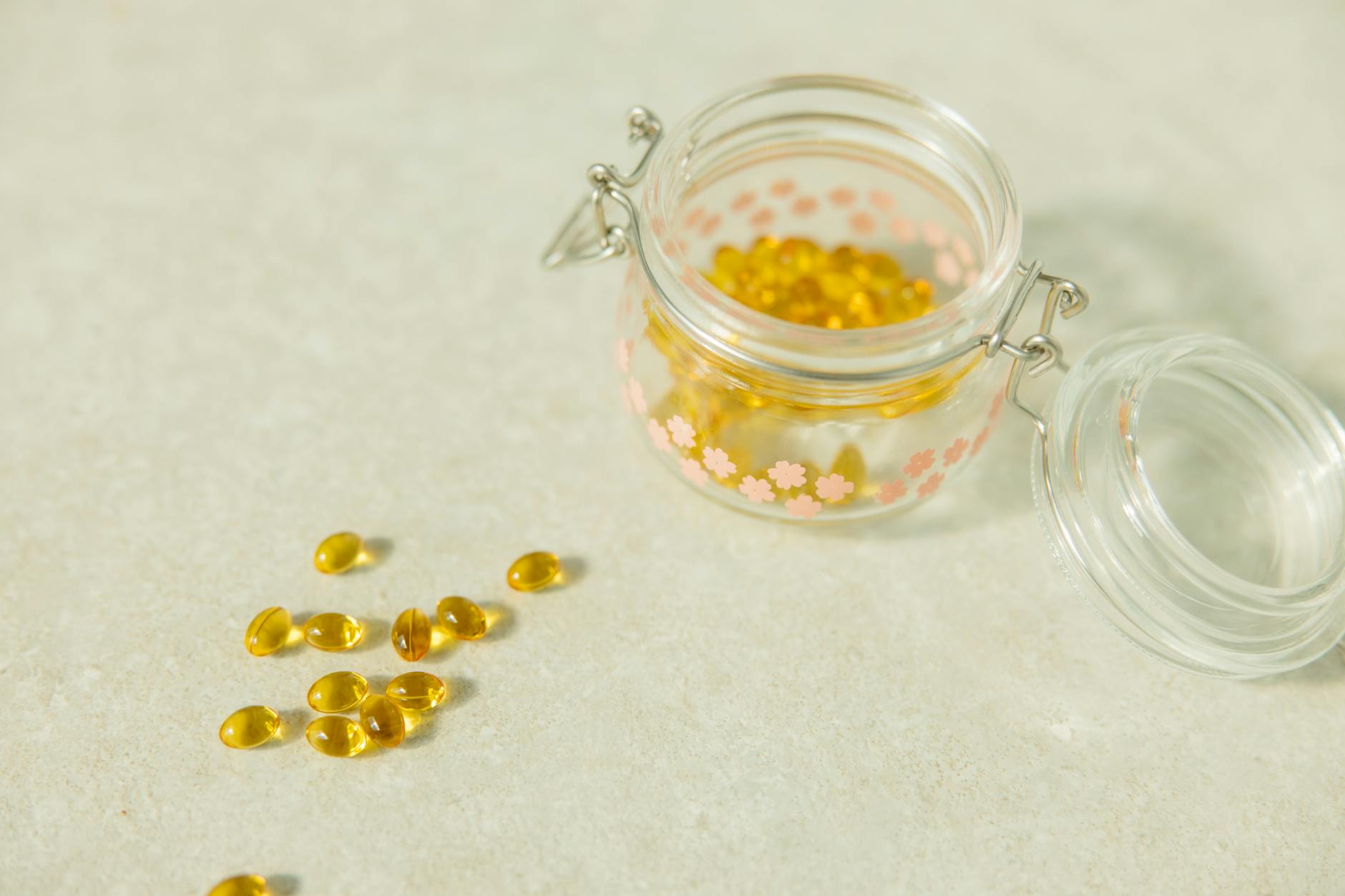
How to Use Vitamin D to Slow Down Ageing Naturally

Table of Contents

Your skin’s aging faster than it should. Your energy’s tanking. You might be missing one of nature’s most powerful anti-aging secrets: vitamin D anti-aging benefits.

This guide is for anyone who wants to slow down aging naturally without expensive procedures or complicated routines. If you’re dealing with premature wrinkles, low energy, or just want to age more gracefully, vitamin D could be your game-changer.

We’ll start by breaking down vitamin D deficiency signs aging your body faster than normal – think dull skin, bone weakness, and that constant tired feeling. Then you’ll discover proven vitamin D absorption tips and lifestyle strategies to maximize this sunshine vitamin’s anti-aging power. You’ll walk away knowing exactly how to use vitamin D for aging prevention, from optimizing your levels to simple daily habits that support vitamin D longevity benefits.

Ready to tap into one of the most researched natural anti-aging vitamin D strategies? Let’s get started.

Understanding Vitamin D’s Role in Anti-Aging

Understanding Vitamin D's Role in Anti-Aging

How vitamin D deficiency accelerates cellular aging

Your cells age faster when vitamin D levels drop below optimal ranges. This sunshine vitamin plays a crucial role in maintaining cellular health through multiple pathways that directly influence how quickly your body shows signs of aging.

Cellular senescence – the process where cells stop dividing and start deteriorating – happens more rapidly when vitamin D is insufficient. Research shows that low vitamin D levels correlate with shorter telomeres, the protective caps on chromosomes that serve as biological age markers. When telomeres shorten prematurely, cells age faster and lose their ability to regenerate effectively.

The mitochondrial connection becomes particularly important when discussing vitamin D anti-aging benefits. Mitochondria, your cellular powerhouses, rely on adequate vitamin D to function optimally. Without sufficient levels, these energy-producing organelles produce more reactive oxygen species (free radicals) and less ATP (cellular energy). This creates a cascade effect where cells struggle to repair themselves, leading to accelerated aging throughout your body.

Vitamin D deficiency also disrupts autophagy – your body’s natural cellular cleaning process. This mechanism removes damaged proteins and organelles, essentially taking out the cellular trash. When vitamin D levels are low, autophagy becomes less efficient, allowing cellular debris to accumulate and contributing to premature aging.

The immune system’s aging process, called immunosenescence, also accelerates with inadequate vitamin D. This creates chronic low-grade inflammation that damages tissues throughout your body, making you look and feel older than your chronological age.

The connection between vitamin D and collagen production

Collagen, the protein responsible for skin elasticity and firmness, depends heavily on vitamin D for its synthesis and maintenance. This relationship explains why people with adequate vitamin D levels often maintain more youthful skin appearance compared to those with deficiencies.

Vitamin D receptors exist throughout skin cells, including fibroblasts – the specialized cells that produce collagen. When these receptors are activated by sufficient vitamin D, they trigger increased collagen synthesis. This process involves multiple steps where vitamin D influences the expression of genes responsible for collagen production.

Type I collagen, the most abundant form in skin, shows significant improvement with optimal vitamin D levels. Studies demonstrate that people using vitamin D for aging benefits experience enhanced skin thickness and reduced fine lines over time. The vitamin also supports the production of elastin, another protein that keeps skin supple and prevents sagging.

The vitamin’s role extends beyond just making new collagen – it also protects existing collagen from degradation. Matrix metalloproteinases (MMPs), enzymes that break down collagen, become overactive when vitamin D is deficient. Adequate levels help regulate these enzymes, preserving your skin’s structural integrity.

Natural collagen support happens when vitamin D works alongside vitamin C and other nutrients. This synergistic effect creates optimal conditions for collagen cross-linking – the process that gives collagen its strength and durability. Without proper vitamin D levels, even abundant vitamin C cannot maximize collagen benefits.

Bone collagen also relies on vitamin D, which explains why vitamin D deficiency signs aging include not just wrinkled skin but also weakened bones and poor posture that can make you appear older.

Vitamin D’s impact on DNA repair mechanisms

DNA damage accumulates naturally as you age, but vitamin D significantly influences how well your body repairs this damage. The vitamin activates several DNA repair pathways that help maintain genetic integrity and slow the aging process.

Nucleotide excision repair, one of the most important DNA repair mechanisms, becomes more efficient with adequate vitamin D levels. This process removes UV-induced DNA damage and other harmful modifications that can lead to cellular dysfunction and premature aging. People with higher vitamin D levels show better recovery from DNA damage caused by environmental stressors.

Vitamin D receptors directly regulate genes involved in DNA repair, including p53 – often called the “guardian of the genome.” When p53 functions optimally with sufficient vitamin D support, it can better detect DNA damage and either repair it or eliminate severely damaged cells before they become problematic.

Homologous recombination and non-homologous end joining are two additional DNA repair pathways that benefit from optimal vitamin D status. These mechanisms fix double-strand breaks in DNA – the most serious type of genetic damage that can accelerate aging when left unrepaired.

The vitamin also supports the production of DNA repair enzymes like poly(ADP-ribose) polymerase (PARP), which helps detect and signal DNA damage. Enhanced PARP activity with adequate vitamin D means faster identification and repair of genetic problems before they accumulate.

Epigenetic modifications – changes in gene expression that don’t alter DNA sequence – also respond to vitamin D levels. These modifications can influence aging-related gene expression patterns, with sufficient vitamin D promoting more youthful genetic profiles.

Protecting against oxidative stress and inflammation

Oxidative stress and chronic inflammation are two primary drivers of aging that vitamin D effectively combats. This dual protection explains much of vitamin D’s powerful anti-aging effects throughout your body.

Antioxidant enzyme systems receive significant support from vitamin D. The vitamin upregulates production of catalase, superoxide dismutase, and glutathione peroxidase – your body’s natural antioxidant defenses. These enzymes neutralize free radicals before they can damage cellular structures like DNA, proteins, and lipid membranes.

Glutathione, often called the master antioxidant, depends on vitamin D for optimal production and recycling. People with higher vitamin D levels typically maintain better glutathione status, providing superior protection against oxidative damage that accelerates aging.

Inflammatory pathway regulation represents another crucial way vitamin D slows aging. The vitamin inhibits nuclear factor-kappa B (NF-κB), a key inflammatory signaling pathway that becomes overactive with age. When NF-κB is properly regulated by sufficient vitamin D, it reduces production of pro-inflammatory cytokines like interleukin-6 and tumor necrosis factor-alpha.

C-reactive protein (CRP), a marker of systemic inflammation, typically decreases when vitamin D levels improve. Lower CRP correlates with reduced cardiovascular aging, better cognitive function, and slower overall aging processes.

Microglial activation in the brain also responds to vitamin D status. These immune cells become chronically activated with aging, contributing to neuroinflammation and cognitive decline. Adequate vitamin D helps keep microglia in their beneficial, protective state rather than their inflammatory mode.

The vitamin’s anti-inflammatory effects extend to skin aging as well. UV-induced inflammation, which accelerates photoaging, becomes less severe when vitamin D levels are optimal. This protection works both from dietary sources and from the vitamin D produced when your skin is exposed to sunlight in appropriate amounts.

Advanced glycation end products (AGEs), harmful compounds that form when proteins react with sugars, accumulate less rapidly with sufficient vitamin D. These compounds contribute significantly to skin aging and internal organ damage, making vitamin D’s protective effect particularly valuable for maintaining youthful appearance and function.

Vitamin D also supports the resolution of inflammation through specialized pro-resolving mediators. These compounds help inflammation resolve properly rather than becoming chronic, preventing the persistent inflammatory state that characterizes accelerated aging.

The interplay between oxidative stress and inflammation creates a vicious cycle that vitamin D helps break. By addressing both factors simultaneously, optimal vitamin D levels provide comprehensive protection against the cellular damage that drives visible and internal signs of aging.

Recognising Signs of Vitamin D Deficiency That Age You

Recognising Signs of Vitamin D Deficiency That Age You

Skin Changes That Indicate Low Vitamin D Levels

Your skin acts as a window into your vitamin D status, revealing telltale signs that age you beyond your years. When vitamin D deficiency signs aging become apparent on your skin, you’re witnessing the body’s cry for help – and catching these signals early can make the difference between accelerated aging and maintaining your youthful glow.

Premature wrinkle formation stands as one of the most visible indicators of inadequate vitamin D levels. The nutrient plays a crucial role in collagen synthesis, the protein responsible for skin elasticity and firmness. Without sufficient vitamin D, your skin’s ability to repair and regenerate itself diminishes significantly. Fine lines around the eyes, deeper nasolabial folds, and forehead creases appear earlier and progress faster than they should.

Dullness and loss of natural radiance signal another red flag. Healthy skin possesses an inner glow that comes from optimal cellular function – something vitamin D directly influences through its role in cell turnover and renewal. When levels drop, skin appears flat, lacklustre, and tired. The natural luminosity fades, replaced by a greyish undertone that makeup struggles to correct.

Increased sensitivity and inflammatory responses become more common with vitamin D deficiency. Your skin may react more severely to environmental stressors, developing redness, irritation, or breakouts from triggers that previously caused no problems. This heightened sensitivity stems from vitamin D’s anti-inflammatory properties – without adequate levels, your skin’s defence mechanisms weaken.

Slow wound healing offers another telling sign. Cuts, scratches, or blemishes take longer to resolve, and the healing process may leave more noticeable marks. Vitamin D supports the skin’s repair mechanisms, helping cells regenerate efficiently. When deficient, this natural healing slows down, contributing to an aged appearance.

Uneven skin tone and hyperpigmentation issues often worsen with low vitamin D levels. Dark spots, melasma, or post-inflammatory hyperpigmentation become more persistent and difficult to fade. The nutrient helps regulate melanocyte function – the cells responsible for pigment production – and supports the skin’s natural exfoliation process that helps fade discoloration.

Dry, rough patches that resist moisturization frequently indicate vitamin D insufficiency. The nutrient supports the skin barrier function, helping retain moisture and maintain smooth texture. Without enough vitamin D, skin becomes chronically dehydrated, developing rough patches, flaking, or a creepy texture that ages the appearance considerably.

Fatigue and Energy Decline as Aging Accelerators

Energy depletion from vitamin D deficiency creates a cascade of aging effects that extend far beyond simple tiredness. When your body lacks this essential nutrient, fatigue becomes a relentless companion that ages you from the inside out, affecting everything from your posture to your mental sharpness.

Chronic exhaustion alters your facial expressions and body language in ways that add years to your appearance. Constant fatigue leads to drooping eyelids, slack facial muscles, and a generally worn-down expression. Your smile becomes less frequent and less genuine, your eyes lose their sparkle, and your overall demeanour shifts toward looking defeated or overwhelmed. This isn’t just about feeling tired – it’s about how persistent exhaustion rewrites your physical presence.

Sleep quality deteriorates significantly with vitamin D deficiency, creating a vicious cycle of aging acceleration. Poor sleep prevents proper cellular repair, disrupts hormone production, and impairs the body’s natural detoxification processes. Dark circles deepen, skin texture suffers, and cognitive function declines. The restorative sleep phase when your body performs its most crucial anti-aging work becomes compromised.

Mental fog and cognitive sluggishness make you appear older than your chronological age. Vitamin D receptors exist throughout the brain, and deficiency impacts neurotransmitter function, memory formation, and processing speed. When your mind feels cloudy, your responses slow down, your conversations lack spark, and your overall mental acuity diminishes – all of which contribute to an aged presentation.

Physical performance and stamina decline dramatically with insufficient vitamin D levels. Simple activities that once felt effortless become challenging, your endurance drops, and recovery time increases. This physical deterioration doesn’t just affect your fitness level – it changes how you move through the world, creating a more laboured, older appearance in your gait and general mobility.

Motivation and enthusiasm wane when vitamin D deficiency takes hold, affecting your engagement with life itself. The nutrient influences serotonin production and mood regulation, so deficiency often leads to decreased interest in activities you once enjoyed. This withdrawal from life’s pleasures shows on your face and in your energy, creating an aged, disinterested appearance that makes you seem much older.

The immune system weakens under vitamin D deficiency stress, leaving you more susceptible to frequent illnesses that drain your energy reserves further. Constant low-level infections, lingering colds, or persistent minor health issues create a cycle where you never quite feel your best. This ongoing struggle shows in your complexion, energy levels, and overall vitality.

Hormonal imbalances often accompany vitamin D deficiency, particularly affecting stress hormones like cortisol. Elevated stress hormone levels accelerate aging through multiple pathways – breaking down collagen, disrupting sleep patterns, and promoting inflammation throughout the body. When your stress response system stays constantly activated due to nutrient deficiency, aging happens faster than it should.

Bone Health Deterioration and Posture Problems

Bone health decline from vitamin D deficiency creates visible aging signs that dramatically alter your physical appearance and mobility. The connection between vitamin D levels slow aging and skeletal health runs deeper than most people realize, affecting not just bone density but your entire physical presence and how others perceive your age.

Postural changes represent the most immediately noticeable effects of bone health deterioration. As bones weaken and lose density, your spine begins to curve forward, creating the classic “dowager’s hump” or forward head posture that instantly adds decades to your appearance. This isn’t just about standing up straight – it’s about structural changes that reshape your entire silhouette.

Height loss becomes increasingly apparent as vertebrae compress and the spinal curve increases. While some height loss occurs naturally with aging, vitamin D deficiency accelerates this process significantly. The gradual shrinking affects your proportions, making clothes fit differently and creating an overall appearance of frailty that ages you beyond your years.

Joint pain and stiffness develop as vitamin D deficiency affects not just bones but the surrounding cartilage and connective tissues. This discomfort changes how you move, creating a more cautious, limited range of motion that makes you appear older and less vital. The hesitant, careful movements of someone experiencing joint pain signal aging even when the person is relatively young.

Balance and coordination problems increase fall risk and create a more tentative, unsteady appearance. Vitamin D receptors in muscle tissue mean deficiency affects muscle strength and coordination. When your balance feels uncertain, you move differently – more carefully, with less confidence – and this change in movement patterns ages your overall presentation.

Dental health deteriorates with prolonged vitamin D deficiency, affecting both your appearance and your nutrition. Weak bones mean weak jawbones, which can lead to tooth loss, gum recession, and changes in facial structure. A deteriorating smile ages the face dramatically, and poor oral health can affect your ability to eat nutritious foods, creating additional health challenges.

Muscle weakness compounds the bone health problems, creating a dual threat to your physical appearance and function. Vitamin D deficiency reduces muscle protein synthesis and impairs muscle fibre function. Weak muscles cannot properly support weakening bones, accelerating postural problems and creating a cycle where both systems deteriorate together.

Fracture risk increases exponentially with vitamin D deficiency, and the fear of injury can be as aging as the actual bone weakness. When you’re constantly worried about falling or breaking something, you naturally become more sedentary and cautious. This reduction in physical activity accelerates muscle loss and further weakens bones, creating a downward spiral.

Recovery time from injuries extends significantly when vitamin D levels are insufficient. What might have been a minor setback in your younger years becomes a major health event that takes months to resolve. This slower recovery process not only affects your physical capabilities but also impacts your confidence and willingness to stay active.

The inflammatory response associated with bone deterioration affects your overall health and appearance. Chronic low-level inflammation from bone and joint problems contributes to premature aging throughout the body, affecting skin health, cardiovascular function, and cognitive performance. This systemic inflammation accelerates aging processes far beyond the skeletal system.

Activity limitations from bone health problems create a cascade of aging effects. When movement becomes painful or risky, people naturally become more sedentary. This reduction in physical activity leads to further muscle loss, decreased cardiovascular fitness, and reduced social interaction – all factors that accelerate the aging process both physically and mentally.

Optimizing Your Vitamin D Levels for Maximum Anti-Aging Benefits

Optimizing Your Vitamin D Levels for Maximum Anti-Aging Benefits

Getting the Right Amount of Safe Sun Exposure

Your skin is designed to produce vitamin D when exposed to UVB radiation from sunlight, making this the most natural and cost-effective way to boost your vitamin D levels for anti-aging benefits. The key lies in finding that sweet spot between getting enough sun to trigger vitamin D production while avoiding skin damage that could actually accelerate aging.

The amount of sun exposure you need depends on several factors: your skin tone, geographic location, time of year, and time of day. People with fair skin typically need about 10-15 minutes of midday sun exposure on arms and legs several times per week. Those with darker skin require significantly more time – sometimes 30-60 minutes – because melanin acts as a natural sunscreen, reducing UVB penetration.

Geographic latitude plays a crucial role in determining your sun exposure needs. If you live above 37 degrees north latitude (roughly north of Los Angeles or Atlanta), your skin cannot produce adequate vitamin D from November through February due to the sun’s angle. During these months, even prolonged sun exposure won’t trigger sufficient vitamin D synthesis.

The golden hours for vitamin D production occur between 10 AM and 3 PM when UVB rays are strongest. While many people avoid the sun during these peak hours to prevent burning, this is actually when your skin most efficiently converts 7-dehydrocholesterol into vitamin D3. The trick is limiting exposure time rather than avoiding these hours entirely.

Start with shorter exposures and gradually build tolerance. Begin with 5-10 minutes of direct sunlight on your arms, legs, and back without sunscreen. Your skin should develop a very light pink colour within 24 hours – this indicates you’ve reached your minimal erythemal dose, the point where vitamin D production peaks before skin damage begins.

Consider the “shadow rule” as a practical guide: when your shadow is shorter than your height, UVB rays are strong enough for vitamin D production. This simple test helps you determine optimal timing regardless of your location or season.

Cloud cover reduces UVB radiation by about 50%, while shade from trees or buildings can reduce it by up to 60%. Glass windows block virtually all UVB rays, so indoor sun exposure through windows won’t boost your vitamin D levels, though it may still provide mood benefits.

Sunscreen with SPF 8 or higher blocks approximately 95% of UVB radiation, effectively preventing vitamin D synthesis. This creates a dilemma between sun protection and vitamin D production. The solution involves strategic timing: get your vitamin D-producing sun exposure first, then apply sunscreen for extended outdoor activities.

Choosing the Most Effective Vitamin D Supplements

When natural sun exposure isn’t sufficient, high-quality vitamin D supplements become essential for maintaining optimal levels that support your body’s anti-aging mechanisms. Not all vitamin D supplements are created equal, and understanding the differences can significantly impact your results.

Vitamin D3 (cholecalciferol) consistently outperforms vitamin D2 (ergocalciferol) in raising and maintaining blood levels of 25-hydroxyvitamin D, the marker used to assess vitamin D status. Research shows that vitamin D3 is approximately 87% more effective at raising vitamin D blood levels and maintains those levels for longer periods. Choose vitamin D3 for maximum anti-aging benefits.

Dosage recommendations vary widely, but most adults need between 1,000-4,000 IU daily to maintain optimal blood levels. The outdated RDA of 600-800 IU was designed to prevent rickets, not to optimize health or slow aging. Many vitamin D researchers suggest doses of 1,000 IU per 25 pounds of body weight as a starting point, though individual needs vary significantly.

Look for supplements that combine vitamin D3 with vitamin K2, particularly the MK-7 form. This combination enhances the anti-aging benefits by ensuring calcium gets deposited in bones and teeth rather than soft tissues like arteries. The typical ratio is 100 mcg of K2 for every 1,000 IU of D3, though some products use different ratios effectively.

Magnesium status affects vitamin D metabolism at every step. Your body requires magnesium to convert vitamin D into its active form, and vitamin D supplementation can deplete magnesium stores. Consider taking 200-400 mg of magnesium glycinate or magnesium malate alongside your vitamin D supplement.

Quality matters significantly in vitamin D supplementation. Choose products that have undergone third-party testing for purity and potency. Look for certifications from organizations like NSF International, USP, or ConsumerLab. These certifications ensure the product contains what the label claims and is free from harmful contaminants.

Liquid vitamin D3 drops often provide better absorption than tablets or capsules, especially for people with digestive issues. The liquid form also allows for more precise dosing adjustments based on blood test results.

Avoid vitamin D supplements that contain unnecessary additives, artificial colours, or allergens. Simple formulations with minimal ingredients tend to be more effective and better tolerated.

Some people benefit from higher doses under medical supervision. Doses of 5,000-10,000 IU daily may be appropriate for individuals with malabsorption issues, obesity, or those living in northern climates during winter months. Always consult with a healthcare provider before exceeding 4,000 IU daily.

Consider seasonal dosing adjustments. You may need higher doses during winter months when sun exposure is limited and lower doses during summer when you’re getting regular sun exposure.

Testing and Monitoring Your Vitamin D Blood Levels

Regular testing of your 25-hydroxyvitamin D [25(OH)D] blood levels is crucial for optimizing your vitamin D anti-aging strategy. This biomarker reflects your total vitamin D status from both sun exposure and supplementation over the previous 2-3 months.

The 25(OH)D test is the gold standard for assessing vitamin D status. Don’t confuse this with the 1,25-dihydroxyvitamin D test, which measures the active hormone form but doesn’t accurately reflect your vitamin D stores. The 25(OH)D test costs between $50-100 and is often covered by insurance when ordered by a healthcare provider.

Optimal blood levels for anti-aging benefits range from 40-60 ng/mL (100-150 nmol/L). While conventional medicine often considers levels above 30 ng/mL as “adequate,” research suggests higher levels provide superior anti-aging benefits including better immune function, muscle strength, bone health, and cardiovascular protection.

Levels below 20 ng/mL indicate deficiency and significantly accelerate aging processes. Levels between 20-30 ng/mL represent insufficiency, where you may experience subtle symptoms like fatigue, muscle weakness, or increased susceptibility to infections.

Some researchers advocate for even higher optimal ranges of 50-80 ng/mL based on studies showing additional benefits at these levels. However, levels above 100 ng/mL may indicate excessive intake and potential toxicity, though true vitamin D toxicity is rare with levels below 150 ng/mL.

Test your levels at least twice per year: once in late summer when levels peak from sun exposure, and once in late winter when levels typically reach their lowest point. This seasonal monitoring helps you adjust your supplementation strategy accordingly.

Initial testing should occur before starting supplementation to establish your baseline. Retest after 8-12 weeks of consistent supplementation to assess your response. Some individuals are “vitamin D resistant” and require much higher doses to achieve optimal levels.

Many factors influence how quickly your levels respond to supplementation:

  • Body weight (heavier individuals need higher doses)
  • Digestive health (malabsorption reduces effectiveness)
  • Skin color (darker skin may indicate genetic variations in vitamin D metabolism)
  • Age (older adults often absorb vitamin D less efficiently)
  • Certain medications (especially those affecting fat absorption)

Home testing kits are now available from companies like ZRT Laboratory, Everlywell, and Grassroots Health. These finger-stick tests provide convenience and often cost less than traditional lab testing. Results typically arrive within 1-2 weeks via online portals.

When reviewing your results, pay attention to the reference ranges used by different laboratories. Some labs still use outdated ranges that classify levels as “normal” when they’re actually suboptimal for anti-aging benefits. Focus on achieving levels in the optimal range rather than just avoiding deficiency.

Track your levels over time to identify patterns and adjust your strategy accordingly. Some people maintain stable levels year-round, while others experience significant seasonal fluctuations that require dosage adjustments.

Timing Your Vitamin D Intake for Best Absorption

The timing of your vitamin D supplementation can significantly impact absorption and effectiveness for anti-aging benefits. Vitamin D is a fat-soluble vitamin, meaning it requires dietary fat for optimal absorption. Taking vitamin D supplements with a meal containing healthy fats can increase absorption by up to 50%.

Morning intake often works best for most people. Taking vitamin D3 supplements with breakfast that includes healthy fats like avocado, nuts, olive oil, or eggs maximizes absorption while establishing a consistent routine. Some people report that taking vitamin D late in the day interferes with sleep, possibly because vitamin D affects melatonin production.

The amount of fat needed for optimal absorption is relatively small – just 5-10 grams is sufficient. This could be as simple as a handful of nuts, a tablespoon of olive oil in your salad, or half an avocado. Avoid taking vitamin D supplements on an empty stomach, as absorption may be reduced by up to 60%.

Consider splitting larger doses throughout the day rather than taking one massive dose. If you’re taking 4,000 IU daily, consider splitting this into 2,000 IU with breakfast and 2,000 IU with lunch or dinner. This approach may improve absorption and reduce the risk of side effects.

Certain foods and substances can interfere with vitamin D absorption. High-fibre meals may slightly reduce absorption, though the effect is minimal. Caffeine doesn’t significantly impact absorption, so taking vitamin D with your morning coffee is fine as long as you include some fat.

Some medications can interfere with vitamin D absorption or metabolism. These include certain cholesterol-lowering drugs, anti-seizure medications, and glucocorticoids. If you take any prescription medications, discuss timing with your healthcare provider to avoid interactions.

Consistency matters more than perfect timing. Choose a routine you can stick with long-term rather than constantly changing your approach. Whether you take vitamin D with breakfast, lunch, or dinner is less important than taking it daily with adequate fat for absorption.

For people with digestive issues like inflammatory bowel disease, Crohn’s disease, or celiac disease, liquid vitamin D3 may provide better absorption than capsules or tablets. These conditions can impair fat absorption, making vitamin D deficiency more common and supplementation more challenging.

Consider taking vitamin D supplements away from high-calcium meals if you’re also supplementing with large amounts of calcium. While calcium doesn’t significantly interfere with vitamin D absorption, taking them separately may optimize the absorption of both nutrients.

Seasonal timing adjustments can optimize your vitamin D strategy. During summer months when you’re getting regular sun exposure, you might reduce supplement doses or take them less frequently. Winter months typically require higher doses and more consistent supplementation.

The half-life of vitamin D in your system is approximately 15-20 days, meaning you don’t need to worry about missing a day or two of supplementation. This extended half-life also means it takes several weeks to see changes in blood levels after adjusting your dosage.

Enhancing Vitamin D Absorption for Better Results

Pairing vitamin D with healthy fats for maximum uptake

Your body treats vitamin D as a fat-soluble vitamin, which means it needs dietary fats to be properly absorbed in your digestive system. Without adequate fat intake, you could be taking vitamin D supplements or getting sun exposure but still not reaping the full anti-aging benefits this crucial nutrient offers.

The mechanism behind this is straightforward: when you consume vitamin D alongside fats, your small intestine produces bile acids that help break down and absorb fat-soluble vitamins. This process creates microscopic packages called chylomicrons that transport vitamin D through your bloodstream to where it’s needed most – your cells working hard to maintain youthful function.

Research shows that consuming vitamin D with fats can increase absorption by up to 32% compared to taking it on an empty stomach. This boost in vitamin D absorption tips can significantly impact your anti-aging results, as higher circulating levels of vitamin D support cellular repair, collagen production, and DNA protection.

The best fats for enhancing vitamin D absorption include:

Monounsaturated fats:

  • Avocados and avocado oil
  • Olive oil (extra virgin)
  • Nuts like almonds, pistachios, and macadamias
  • Seeds such as pumpkin and sunflower seeds

Healthy saturated fats:

  • Coconut oil and coconut butter
  • Grass-fed butter or ghee
  • Full-fat dairy products from pasture-raised animals

Omega-3 fatty acids:

  • Wild-caught fatty fish like salmon, sardines, and mackerel
  • Flaxseed oil and chia seeds
  • Walnuts and hemp hearts

When timing your vitamin D intake with meals, aim for at least 10-15 grams of healthy fats. This could be as simple as taking your vitamin D supplement with a tablespoon of almond butter, adding avocado slices to your breakfast, or drizzling olive oil on your salad. Many people find success taking their vitamin D with their largest meal of the day, which typically contains the most fat.

For those following low-fat diets, this presents a unique challenge. You don’t need to completely overhaul your eating style, but adding small amounts of healthy fats specifically when taking vitamin D can make a substantial difference in how much your body actually uses for anti-aging purposes.

Supporting nutrients that boost vitamin D effectiveness

Vitamin D doesn’t work alone in your body’s anti-aging processes. Several key nutrients act as cofactors and synergistic partners that amplify vitamin D’s effectiveness in slowing down aging at the cellular level.

Magnesium serves as vitamin D’s most critical partner. Your body requires magnesium to convert vitamin D into its active hormone form, calcitriol. Without adequate magnesium, you could have seemingly sufficient vitamin D levels on paper but still experience deficiency symptoms that accelerate aging. Studies indicate that people with higher magnesium intake show better vitamin D status and improved anti-aging markers.

Foods rich in magnesium include:

  • Dark leafy greens like spinach and Swiss chard
  • Pumpkin seeds and almonds
  • Dark chocolate (70% cacao or higher)
  • Quinoa and brown rice
  • Black beans and chickpeas

The relationship between magnesium and natural anti-aging vitamin D is so strong that some researchers suggest magnesium deficiency might be a hidden cause of vitamin D resistance in aging adults.

Vitamin K2 works hand-in-hand with vitamin D to direct calcium to the right places in your body – your bones and teeth rather than your arteries and soft tissues. This partnership becomes increasingly important as you age, since proper calcium metabolism affects everything from bone density to cardiovascular health and skin elasticity.

K2-rich foods include:

  • Fermented foods like natto, sauerkraut, and kimchi
  • Grass-fed dairy products and egg yolks
  • Organ meats from pasture-raised animals
  • Aged cheeses like gouda and brie

Boron enhances both vitamin D and magnesium utilization. This trace mineral helps your body use vitamin D more efficiently while reducing the amount that gets broken down and excreted. Boron also supports hormone balance, which plays a crucial role in healthy aging.

You can find boron in:

  • Apples and pears with the skin
  • Almonds and hazelnuts
  • Prunes and raisins
  • Broccoli and celery

Zinc supports vitamin D receptor function throughout your body. These receptors are found in nearly every cell type and are essential for vitamin D’s anti-aging effects on immune function, DNA repair, and cellular regeneration.

Quality zinc sources include:

  • Oysters and other shellfish
  • Grass-fed beef and lamb
  • Pumpkin seeds and cashews
  • Chickpeas and lentils

Vitamin A works synergistically with vitamin D to regulate gene expression related to aging processes. Both nutrients influence similar pathways involved in immune function, cellular differentiation, and tissue repair.

The timing of these supporting nutrients matters less than consistency. Focus on getting these nutrients regularly through whole foods rather than trying to time everything perfectly around your vitamin D intake.

Nutrient Daily Target Best Food Sources Role with Vitamin D
Magnesium 300-400mg Leafy greens, nuts, seeds Activates vitamin D
Vitamin K2 90-180mcg Fermented foods, grass-fed dairy Directs calcium properly
Boron 3-10mg Fruits, nuts, vegetables Reduces vitamin D breakdown
Zinc 8-11mg Shellfish, meat, seeds Supports receptor function
Vitamin A 700-900mcg Liver, dairy, orange vegetables Synergistic gene regulation

Avoiding foods and habits that block vitamin D absorption

Several common foods and lifestyle habits can significantly interfere with your body’s ability to absorb and use vitamin D effectively. Understanding these blockers helps you maximize the anti-aging benefits you get from your vitamin D intake.

Excessive fiber intake at the same time as vitamin D can bind to the vitamin and sweep it out of your digestive system before absorption occurs. While fiber remains essential for overall health, timing matters. If you’re taking a vitamin D supplement, avoid consuming it with high-fiber meals or fiber supplements. Space them at least 2-3 hours apart.

Certain medications create vitamin D absorption problems. These include:

  • Cholesterol-lowering statins
  • Corticosteroids like prednisone
  • Weight-loss medications that block fat absorption
  • Some antibiotics and antifungals
  • Antacids and proton pump inhibitors

If you’re taking any of these medications, work with your healthcare provider to optimize timing or discuss alternative approaches that won’t interfere with your vitamin D absorption tips.

High caffeine consumption can reduce vitamin D effectiveness by interfering with calcium absorption and increasing calcium excretion through urine. This doesn’t mean you need to eliminate coffee entirely, but limiting intake to 2-3 cups daily and avoiding caffeine close to vitamin D supplementation can help.

Alcohol significantly impairs vitamin D metabolism. Regular alcohol consumption reduces the activity of enzymes needed to convert vitamin D into its active form. Even moderate drinking can interfere with how to use vitamin D for aging benefits. If you choose to drink alcohol, do so in moderation and not around the time you take vitamin D supplements.

Processed foods containing certain additives can block vitamin D absorption:

  • Foods high in phosphoric acid (sodas, processed meats)
  • Products with excessive artificial preservatives
  • Items containing aluminum compounds
  • Foods with high levels of phytic acid without proper preparation

Stress and poor sleep quality affect vitamin D utilization. Chronic stress elevates cortisol, which interferes with vitamin D receptor function. Poor sleep disrupts the hormonal balance needed for proper vitamin D metabolism. Managing stress through meditation, exercise, or other relaxation techniques supports better vitamin D function.

Certain plant compounds can interfere with absorption when consumed in large amounts:

  • Oxalates in large quantities (excessive spinach, rhubarb)
  • Phytates from unsoaked grains and legumes
  • Tannins from excessive tea consumption
  • Lectins from improperly prepared beans

Digestive health issues block vitamin D absorption at the source. Conditions like celiac disease, Crohn’s disease, or general gut inflammation reduce your ability to absorb fat-soluble vitamins regardless of intake. Supporting digestive health through probiotics, digestive enzymes, and gut-healing foods becomes essential for maximizing vitamin D’s anti-aging effects.

Environmental toxins accumulate over time and can interfere with vitamin D receptors. Heavy metals like lead and mercury, plastic compounds, and industrial chemicals can all disrupt vitamin D function. While complete avoidance is impossible, minimizing exposure through filtered water, organic foods when possible, and reducing plastic use helps protect vitamin D effectiveness.

The key to avoiding these blockers isn’t perfection but awareness. Small adjustments in timing, food choices, and lifestyle habits can dramatically improve how much vitamin D your body actually uses for slowing down aging. Focus on the changes that feel most manageable for your current lifestyle while gradually implementing others over time.

Lifestyle Strategies to Maximise Vitamin D’s Anti-Aging Power


Creating a daily routine that supports vitamin D production

Your body thrives on consistency, and this principle applies perfectly to optimizing your vitamin D anti-aging benefits. Building a routine that naturally supports vitamin D production starts with understanding your circadian rhythm and working with your body’s natural cycles.

Morning sunlight exposure plays a crucial role in your vitamin D lifestyle strategies. The ideal window for vitamin D synthesis occurs between 10 AM and 3 PM when UVB rays are strongest. Start your day with 15-20 minutes of direct sunlight on your arms, face, and legs without sunscreen. This practice kickstarts your body’s vitamin D production while also regulating your circadian rhythm for better sleep quality.

Position your workspace near a window when possible, or take regular outdoor breaks during peak sun hours. Many people underestimate how much indoor living affects their vitamin D levels. Glass windows block UVB rays, so even sitting by a sunny window won’t contribute to vitamin D synthesis.

Your skin tone influences how much sun exposure you need. Lighter skin requires less time in the sun, while darker skin tones need longer exposure periods. People with fair skin might need only 10-15 minutes, while those with darker complexions may require 30-45 minutes to produce adequate vitamin D levels.

Consider incorporating vitamin D-rich foods into your daily meals. Fatty fish like salmon, mackerel, and sardines provide excellent sources of vitamin D3. Egg yolks from pasture-raised chickens contain higher vitamin D levels than conventional eggs. Mushrooms exposed to UV light also offer a plant-based vitamin D2 option.

Track your vitamin D intake through a simple food diary or smartphone app. This awareness helps you identify gaps in your routine and make necessary adjustments. Regular blood testing every 3-6 months ensures your daily habits translate into optimal vitamin D levels for maximum anti-aging benefits.

Combining vitamin D with exercise for enhanced benefits

Exercise amplifies vitamin D’s anti-aging effects through multiple pathways that work synergistically to slow the aging process. When you combine adequate vitamin D levels with regular physical activity, you create a powerful anti-aging protocol that addresses cellular health, bone density, muscle function, and cardiovascular wellness.

Outdoor exercise provides the perfect opportunity to naturally boost vitamin D while reaping exercise benefits. Activities like walking, jogging, cycling, gardening, or outdoor yoga sessions expose your skin to sunlight while promoting circulation and muscle engagement. This combination enhances vitamin D absorption and utilization throughout your body.

Resistance training paired with optimal vitamin D levels significantly improves muscle protein synthesis and bone mineral density. Research shows that people with adequate vitamin D levels experience greater muscle strength gains and faster recovery times compared to those with deficiencies. Your muscles use vitamin D receptors to regulate calcium absorption and protein synthesis, making this nutrient essential for maintaining lean muscle mass as you age.

Weight-bearing exercises like squats, deadlifts, and resistance band workouts become more effective when your vitamin D levels are optimized. These exercises stimulate bone formation while vitamin D ensures proper calcium utilization for bone strength. This partnership becomes increasingly important after age 30 when bone density naturally begins to decline.

Cardiovascular exercise enhances vitamin D metabolism by improving circulation and promoting efficient nutrient transport throughout your body. Activities that increase heart rate and promote blood flow help distribute vitamin D to tissues that need it most. Swimming presents a unique challenge since pool activities don’t provide sun exposure, so swimmers should pay extra attention to vitamin D supplementation and dietary sources.

High-intensity interval training (HIIT) combined with adequate vitamin D levels shows remarkable anti-aging benefits. This combination helps maintain growth hormone levels, improves insulin sensitivity, and supports cellular repair mechanisms that slow aging. The key lies in timing your outdoor HIIT sessions during peak vitamin D synthesis hours.

Recovery nutrition becomes more effective when vitamin D levels are optimal. Post-workout meals containing vitamin D-rich foods or supplements help repair muscle tissue and reduce inflammation. This enhanced recovery translates to better performance and reduced age-related muscle loss over time.

Managing stress to prevent vitamin D depletion

Chronic stress wreaks havoc on your vitamin D metabolism, creating a vicious cycle that accelerates aging. Understanding this connection empowers you to implement stress management techniques that protect your vitamin D levels and enhance your natural anti-aging vitamin D benefits.

Cortisol, your primary stress hormone, interferes with vitamin D receptor function throughout your body. When cortisol levels remain elevated due to chronic stress, your cells become less responsive to vitamin D, even when blood levels appear adequate. This means that managing stress becomes just as important as getting enough vitamin D for anti-aging purposes.

Meditation and mindfulness practices offer proven methods for reducing cortisol levels and improving vitamin D utilization. Even 10-15 minutes of daily meditation can significantly lower stress hormones and enhance your body’s ability to use vitamin D effectively. Apps like Headspace or Calm provide guided sessions specifically designed for stress reduction.

Deep breathing exercises throughout the day help activate your parasympathetic nervous system, the rest-and-digest mode that promotes healing and nutrient absorption. The 4-7-8 breathing technique works particularly well: inhale for 4 counts, hold for 7, and exhale for 8. Practice this technique whenever you feel stressed or overwhelmed.

Nature exposure provides dual benefits for stress management and vitamin D production. Forest bathing, or simply spending time in natural environments, reduces cortisol levels while providing opportunities for sun exposure. The Japanese practice of “shinrin-yoku” demonstrates how spending time among trees can lower stress hormones and boost immune function.

Social connections play a vital role in stress management and vitamin D metabolism. Chronic loneliness elevates cortisol levels and impairs immune function, while strong social relationships provide emotional support that reduces stress. Plan outdoor activities with friends or family to combine social connection with natural vitamin D production.

Time management skills reduce daily stress that can deplete your vitamin D stores. Prioritizing tasks, setting realistic expectations, and learning to say no to unnecessary commitments help maintain lower stress levels. When you feel in control of your schedule, your body can focus energy on healing and anti-aging processes rather than stress response.

Sleep hygiene directly impacts both stress levels and vitamin D metabolism. Poor sleep quality elevates cortisol and disrupts the hormonal balance needed for optimal vitamin D function. Creating a consistent bedtime routine, limiting screen time before bed, and maintaining a cool, dark sleeping environment support both stress management and vitamin D metabolism.

Sleep optimization to support vitamin D metabolism

Quality sleep serves as the foundation for effective vitamin D metabolism and anti-aging benefits. During sleep, your body processes and activates vitamin D while performing essential repair functions that slow aging. Optimizing your sleep creates the ideal environment for vitamin D to work its anti-aging magic.

Your circadian rhythm governs vitamin D metabolism through complex hormonal interactions. Melatonin production, which increases in darkness, works synergistically with vitamin D to regulate cellular repair processes. Disrupted sleep patterns interfere with this delicate balance, reducing vitamin D effectiveness even when levels appear adequate in blood tests.

Morning light exposure helps synchronize your circadian rhythm and supports vitamin D production throughout the day. Aim for 10-30 minutes of bright light within the first hour of waking. This practice signals your brain to stop melatonin production and begin the daily vitamin D synthesis cycle. Blue light therapy lamps can substitute for natural sunlight during darker months.

Evening light management becomes equally important for vitamin D metabolism. Exposure to blue light from screens and LED bulbs after sunset disrupts melatonin production and interferes with vitamin D processing. Install blue light blocking software on devices or wear blue light filtering glasses 2-3 hours before bedtime.

Room temperature affects sleep quality and hormone production. Keep your bedroom between 65-68°F (18-20°C) for optimal sleep conditions. Cooler temperatures promote deeper sleep stages where vitamin D metabolism and cellular repair occur most efficiently. Warm feet help trigger sleepiness, so consider wearing socks to bed while keeping the room cool.

Sleep duration directly impacts vitamin D effectiveness for anti-aging purposes. Adults need 7-9 hours of quality sleep for optimal hormone production and cellular repair. Chronic sleep deprivation reduces vitamin D receptor sensitivity and impairs the nutrient’s anti-inflammatory effects. Track your sleep patterns to identify areas for improvement.

Bedroom darkness supports melatonin production and vitamin D metabolism. Blackout curtains, eye masks, and covering electronic lights create the dark environment your body needs for optimal hormone production. Even small amounts of light can disrupt sleep quality and interfere with vitamin D processing.

Pre-sleep nutrition affects both sleep quality and vitamin D absorption. Avoid large meals, caffeine, and alcohol 3-4 hours before bedtime. These substances can disrupt sleep architecture and interfere with nutrient absorption. Light snacks containing magnesium or tryptophan can promote relaxation without disrupting sleep.

Building a sustainable long-term vitamin D protocol

Creating a lifelong approach to vitamin D optimization requires flexibility, consistency, and regular monitoring. A sustainable protocol adapts to seasonal changes, life circumstances, and aging-related needs while maintaining the vitamin D levels necessary for continued anti-aging benefits.

Seasonal adjustments form the cornerstone of effective vitamin D longevity benefits. Winter months require increased supplementation and dietary focus since sun exposure becomes limited in many regions. Plan ahead by increasing your supplement dose by 1000-2000 IU during darker months, typically October through March in the Northern Hemisphere.

Geographic location significantly influences your vitamin D protocol needs. People living above 37 degrees latitude (roughly north of Los Angeles) cannot produce adequate vitamin D from sun exposure during winter months. Those in consistently sunny climates may rely more on controlled sun exposure and dietary sources year-round.

Age-related changes require protocol adjustments over time. Skin becomes less efficient at producing vitamin D as you age, typically declining by about 25% per decade after age 60. Older adults may need higher supplement doses or longer sun exposure periods to maintain optimal levels. Regular blood testing becomes increasingly important with age.

Supplement quality varies dramatically between brands and formulations. Choose vitamin D3 (cholecalciferol) over D2 (ergocalciferol) for better absorption and longer-lasting effects. Look for third-party tested products with USP or NSF certifications. Liquid or softgel forms generally offer better absorption than tablets or powders.

Dosage timing can influence effectiveness and safety. Taking vitamin D with meals containing healthy fats improves absorption. Morning doses may support circadian rhythm regulation better than evening supplements. Some people prefer splitting daily doses to maintain more consistent blood levels throughout the day.

Cofactor consideration enhances vitamin D effectiveness for anti-aging purposes. Magnesium, vitamin K2, and zinc all support vitamin D metabolism and function. Many people benefit from comprehensive bone health supplements that include these synergistic nutrients rather than vitamin D alone.

Regular monitoring prevents both deficiency and toxicity while ensuring your protocol delivers optimal anti-aging benefits. Test vitamin D blood levels every 3-6 months initially, then annually once you establish a stable routine. Target levels between 40-60 ng/mL (100-150 nmol/L) for optimal anti-aging effects.

Lifestyle integration ensures long-term compliance with your vitamin D protocol. Link supplementation to existing habits like morning coffee or dinner preparation. Use smartphone reminders or pill organizers to maintain consistency. Keep backup supplements in your car, office, or travel bag for missed doses.

Cost-effectiveness considerations help maintain long-term adherence to your protocol. Generic vitamin D3 supplements often provide the same benefits as expensive branded versions at a fraction of the cost. Buying larger quantities or subscribing to auto-delivery services can reduce per-dose costs significantly.

Protocol flexibility allows for travel, schedule changes, and life circumstances. Develop alternative strategies for maintaining vitamin D levels during disruptions. Travel-sized supplements, vitamin D-rich meal planning, and understanding sun exposure opportunities in new locations help maintain consistency regardless of circumstances.

Emergency backup plans ensure continuity during supply shortages or unexpected events. Keep a 2-3 month supplement supply on hand and know alternative sources in your area. Understanding which foods provide vitamin D and how much sun exposure you need gives you options when supplements aren’t available.

conclusion

Vitamin D really is your secret weapon against aging. From keeping your bones strong and your immune system happy to protecting your skin and boosting your energy levels, this sunshine vitamin works overtime to help you feel and look younger. The signs of deficiency are often mistaken for normal aging, but now you know better – fatigue, achy joints, and dull skin might just mean you need more vitamin D.

Getting your levels right doesn’t have to be complicated. Start with safe sun exposure, add some vitamin D-rich foods to your plate, and consider a quality supplement if needed. Remember to pair it with magnesium and vitamin K2 for the best absorption, and don’t forget that your overall lifestyle matters too. Regular exercise, good sleep, and managing stress all help vitamin D work its anti-aging magic. Check your levels with your doctor, make these simple changes, and give your body the vitamin D support it deserves – your future self will thank you.

No Affiliate Products found.

Related Blog