Osteoporosis affects millions of people worldwide, yet many cases can be prevented with the right approach. This guide is for anyone concerned about their bone health—whether you’re in your twenties building peak bone mass, going through menopause, or caring for ageing parents.
Strong bones don’t happen by accident. They require specific nutrients, regular movement, and smart lifestyle choices that work together to maintain bone density throughout your life.
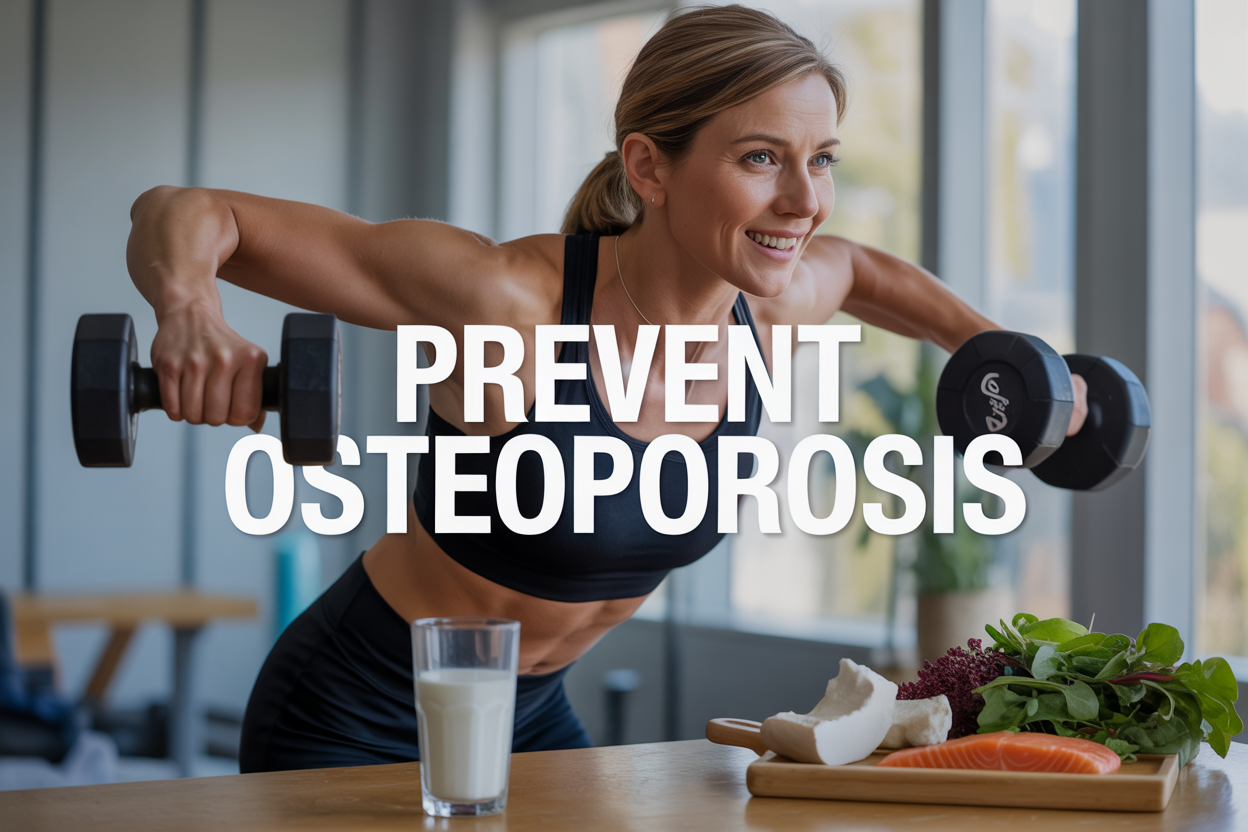
We’ll explore the essential nutrients that strengthen your bones, including calcium rich foods and vitamin D deficiency solutions that many people overlook. You’ll discover proven exercise strategies that build bone density, focusing on weight bearing exercises that actually stimulate bone growth. Finally, we’ll cover the lifestyle changes that protect your bones and when medical interventions might be necessary to keep your skeleton strong for life.
Understanding Osteoporosis and Your Risk Factors
Recognise the Silent Nature of Bone Loss
Osteoporosis earned the nickname “silent disease” for good reason – your bones can weaken dramatically without causing any symptoms until a fracture occurs. Unlike other health conditions that announce themselves with pain or discomfort, bone density loss happens gradually over years or decades, making osteoporosis prevention all the more critical.
Your skeletal system constantly rebuilds itself through a process called bone remodelling. During your younger years, new bone formation outpaces bone breakdown, but this balance shifts around age 30. After this peak bone mass period, you naturally lose about 1% of your bone density each year. Women experience accelerated bone loss during menopause, losing up to 5% annually for several years due to declining oestrogen levels.
The absence of early warning signs means many people discover they have osteoporosis only after suffering a fracture from what should have been a minor incident. A stumble that results in a broken wrist, or a sneeze that causes a spinal compression fracture, often serves as the first indication of compromised bone strength.
Identify Your Personal Risk Profile
Creating an accurate picture of your osteoporosis risk factors helps you take targeted preventive action. Some risk factors remain beyond your control, whilst others respond well to lifestyle modifications.
Non-modifiable risk factors include:
- Age over 50
- Female gender (though men aren’t immune)
- Small, thin body frame
- Ethnicity (Caucasian and Asian populations face higher risk)
- Previous fractures from minor trauma
- Family history of osteoporosis
Modifiable risk factors that you can address:
- Sedentary lifestyle lacking weight bearing exercises
- Poor nutrition, particularly calcium deficiency and vitamin D deficiency
- Excessive alcohol consumption (more than 2 units daily)
- Smoking tobacco
- Low body weight or eating disorders
- Certain medications, especially long-term corticosteroid use
Medical conditions also influence your risk profile. Rheumatoid arthritis, hyperthyroidism, celiac disease, and inflammatory bowel conditions can accelerate bone loss. Hormonal imbalances, including early menopause or low testosterone levels in men, significantly impact bone health.
Understand Gender and Age-Related Vulnerabilities
Women face a four times higher risk of developing osteoporosis compared to men, primarily due to hormonal differences and typically smaller bone structures. Oestrogen plays a crucial role in maintaining bone density, so the sharp decline during menopause creates a window of vulnerability.
The menopausal transition typically begins in the late 40s or early 50s, marking the start of accelerated bone loss. During the first five to seven years after menopause, women can lose 20% or more of their bone density. This rapid decline makes the perimenopausal and postmenopausal periods critical times for implementing bone strengthening nutrients and weight bearing exercises.
Men experience more gradual bone loss, usually starting around age 65. However, they’re not exempt from osteoporosis concerns. Male bone loss often relates to declining testosterone levels, certain medications, or underlying health conditions. When men do develop osteoporosis, they face higher mortality rates from hip fractures compared to women.
Age affects everyone regardless of gender. After age 50, fracture risk doubles approximately every decade. Your body’s ability to absorb calcium and produce vitamin D also decreases with age, making nutritional support increasingly important.
Assess Family History and Genetic Predisposition
Genetics account for up to 80% of your peak bone mass potential, making family history one of the strongest predictors of osteoporosis risk. If your parents or siblings experienced fractures, particularly hip fractures after age 50, your own risk increases significantly.
Look beyond just osteoporosis diagnoses when evaluating family history. Consider relatives who experienced:
- Fractures from minor falls or accidents
- Loss of height over time
- Curved spine or “dowager’s hump”
- Chronic back pain in later years
Your genetic blueprint influences how efficiently your body processes bone-building nutrients, responds to physical activity, and produces hormones that regulate bone metabolism. Certain genetic variations affect calcium absorption, vitamin D metabolism, and collagen production – all crucial factors in maintaining strong bones throughout life.
Understanding your genetic predisposition doesn’t mean accepting inevitable bone loss. Instead, it empowers you to take proactive steps earlier and more aggressively than someone with lower genetic risk might need to consider.
Essential Nutrients That Strengthen Your Bones
Maximise Calcium Absorption for Peak Bone Health
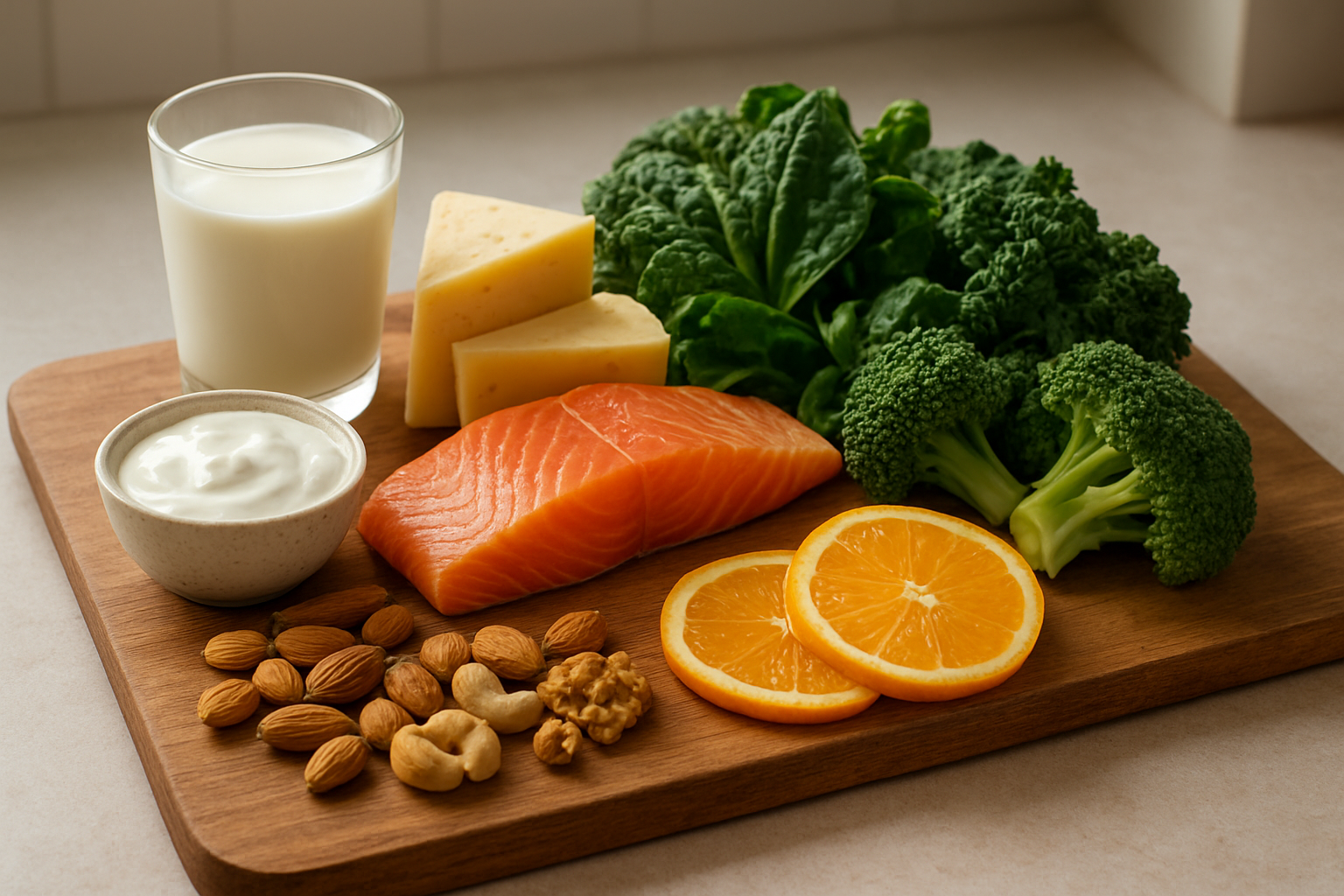
Getting enough calcium is just the starting point – your body needs to actually absorb and use it effectively. Most adults require 1,000-1,200mg of calcium daily, but many people struggle to reach these targets through food alone.
Your calcium absorption rate varies dramatically based on timing and food combinations. Your body can only absorb about 500mg of calcium at once, so splitting your intake throughout the day works far better than taking large doses. Pairing calcium rich foods with vitamin C sources like citrus fruits or bell peppers can boost absorption by up to 30%.
Top Natural Calcium Sources:
| Food Source | Calcium Content (per serving) | Absorption Rate |
|---|---|---|
| Sardines with bones (85g) | 325mg | High (32%) |
| Kale (1 cup cooked) | 180mg | Very High (49%) |
| Almonds (28g) | 75mg | Moderate (21%) |
| Dairy milk (1 cup) | 300mg | Moderate (32%) |
| Sesame seeds (1 tbsp) | 88mg | Moderate (21%) |
Dark leafy greens often outperform dairy products in terms of calcium bioavailability. Broccoli, bok choy, and collard greens provide highly absorbable calcium without the potential inflammatory effects some people experience with dairy.
Certain foods can block calcium absorption. Spinach contains oxalates that bind to calcium, making it less available. Coffee, tea, and fizzy drinks can interfere with calcium uptake when consumed with calcium-rich meals. Spacing these beverages at least two hours away from your main calcium sources helps maximise absorption.
Optimise Vitamin D Levels for Better Calcium Utilisation
Without adequate vitamin D, your body can only absorb about 10-15% of dietary calcium. With sufficient vitamin D levels, this jumps to 30-40%. Most people need blood levels of 30-50 ng/mL (75-125 nmol/L) for optimal bone health.
Sun exposure remains the most effective way to boost vitamin D naturally. Just 15-20 minutes of midday sun on your arms and face several times weekly can produce substantial amounts. However, factors like skin tone, age, latitude, and season dramatically affect production rates.
Vitamin D Food Sources:
- Fatty fish (salmon, mackerel, sardines): 400-1000 IU per serving
- Egg yolks from pasture-raised hens: 40-50 IU per yolk
- Mushrooms exposed to UV light: 300-400 IU per cup
- Fortified foods: Variable amounts, check labels
Vitamin D deficiency affects nearly 50% of the global population, making supplementation often necessary. Most adults need 1,000-2,000 IU daily, though some require higher doses. Getting your blood levels tested annually helps determine your optimal dosage.
The active form of vitamin D works like a hormone, regulating over 1,000 genes involved in bone metabolism. It increases calcium absorption in your intestines and helps maintain proper calcium and phosphate levels in your blood.
Incorporate Magnesium and Phosphorus for Bone Structure
Magnesium often gets overlooked, yet about 60% of your body’s magnesium lives in your bones. It activates vitamin D, helps regulate calcium transport, and supports the formation of bone crystals. Low magnesium levels can actually make calcium supplementation less effective and may contribute to calcium deposits in soft tissues.
Adult women need around 320mg of magnesium daily, while men require 420mg. Unfortunately, modern food processing and soil depletion have reduced magnesium content in many foods.
Excellent Magnesium Sources:
- Pumpkin seeds: 150mg per ounce
- Dark chocolate (70%+ cacao): 95mg per ounce
- Avocados: 58mg per medium fruit
- Quinoa: 120mg per cooked cup
- Almonds: 80mg per ounce
Phosphorus works closely with calcium to form hydroxyapatite, the mineral complex that gives bones their strength and hardness. Most people get plenty of phosphorus from protein sources like meat, fish, dairy, and legumes. The key is maintaining the right calcium-to-phosphorus ratio (ideally 1:1 to 2:1).
Processed foods high in phosphoric acid can disrupt this balance and potentially weaken bones over time. Limiting fizzy drinks and heavily processed foods helps maintain optimal mineral ratios.
Boost Vitamin K2 Intake for Bone Mineralisation
Vitamin K2 acts like a traffic director for calcium, ensuring it goes into your bones rather than accumulating in your arteries. This bone strengthening nutrient activates proteins that bind calcium to your bone matrix and prevents calcium from depositing where it shouldn’t.
Studies show that vitamin K2 supplementation can reduce fracture risk by 60-80% in postmenopausal women. The MK-7 form of vitamin K2 stays active in your body longer than other forms, making it particularly effective for osteoporosis prevention.
Natural K2 Sources:
- Natto (fermented soybeans): Highest natural source
- Grass-fed butter and cheese: Moderate amounts
- Egg yolks from pasture-raised chickens: Good source
- Chicken liver: High K2 content
- Fermented vegetables: Variable amounts
Most Western diets provide insufficient vitamin K2, as it’s primarily found in fermented foods and grass-fed animal products. Many people benefit from supplementing with 100-200 mcg of MK-7 daily, especially if they’re taking calcium and vitamin D supplements.
The synergistic relationship between these bone strengthening nutrients means they work best together. Taking calcium without adequate vitamin D, magnesium, and K2 can actually create imbalances that may compromise bone health rather than improve it.
Exercise Strategies That Build Bone Density
Engage in Weight-Bearing Activities for Maximum Impact
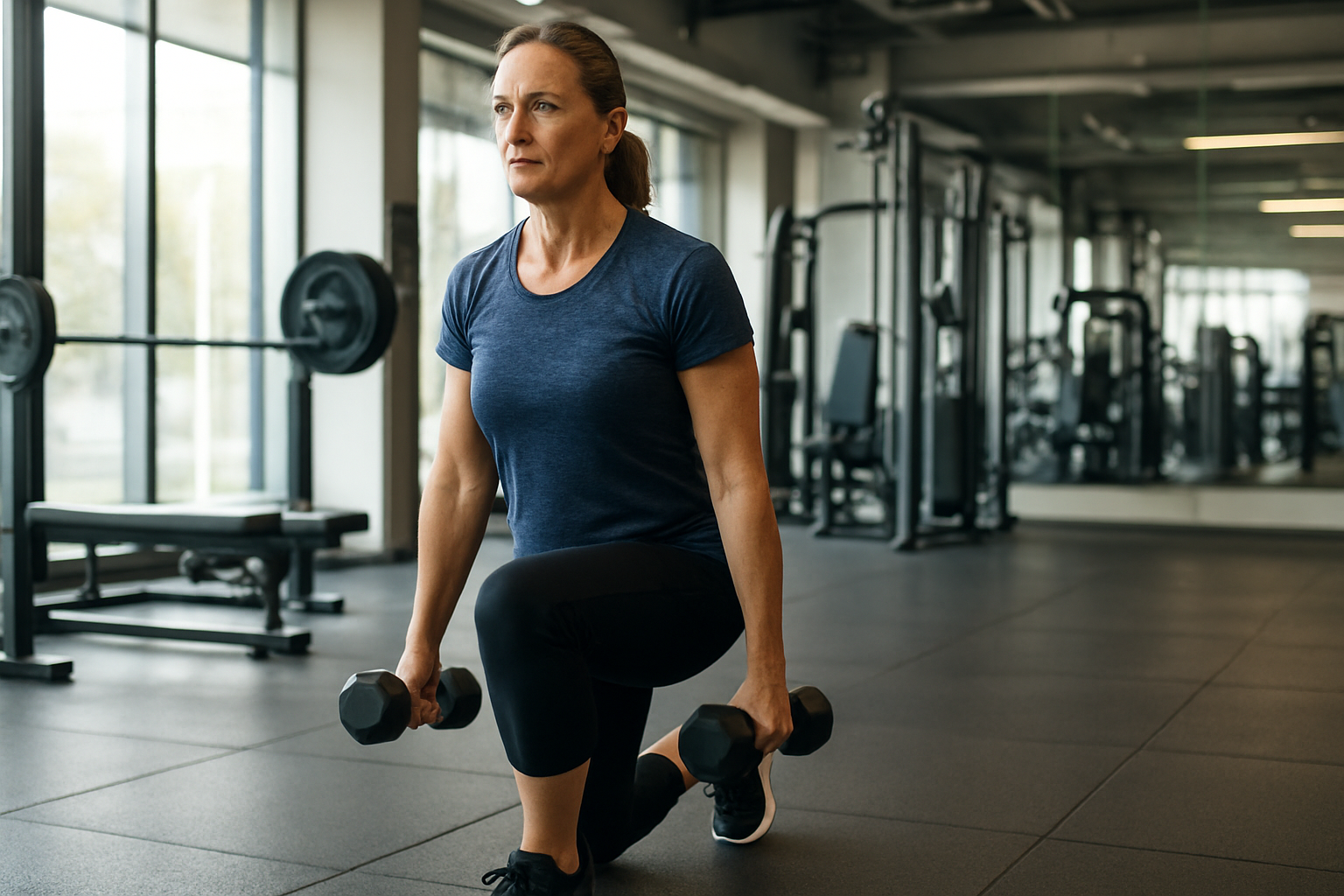
Weight-bearing exercises are the cornerstone of any effective bone density programme. These activities force your skeleton to work against gravity, sending powerful signals to your bone cells to build stronger, denser tissue. Think of it as your bones responding to the demands you place on them – the more stress you apply, the stronger they become.
Walking remains one of the most accessible weight-bearing exercises, but not all walking provides equal benefits for bone health. Brisk walking on varied terrain, hiking with gentle inclines, or adding intervals where you pick up the pace will challenge your bones more effectively than leisurely strolls on flat surfaces. Jogging and running provide even greater impact, making them excellent choices for those without joint limitations.
Dancing deserves special recognition as a bone-building powerhouse. Whether you prefer ballroom, Zumba, or folk dancing, these activities combine weight-bearing movement with directional changes that stimulate bones from multiple angles. The social aspect also helps maintain consistency – something that’s crucial for long-term bone health benefits.
Stair climbing offers exceptional value for osteoporosis prevention. The vertical movement creates significant loading forces through your spine, hips, and legs. If you have access to stairs at home or work, incorporate climbing sessions into your daily routine. Stadium steps or hill walking provide similar benefits whilst adding variety to your exercise programme.
Incorporate Resistance Training for Targeted Bone Strengthening
Resistance training specifically targets the muscle-bone connection, creating the mechanical stress necessary for bone remodelling. When muscles contract against resistance, they pull on the bones they’re attached to, stimulating osteoblast activity – the cells responsible for building new bone tissue.
Free weights offer unparalleled benefits for bone strengthening nutrients absorption at the cellular level. Compound movements like squats, deadlifts, and overhead presses engage multiple muscle groups simultaneously, creating maximum loading through your spine, hips, and arms. Start with bodyweight versions of these exercises before progressing to added resistance.
Resistance bands provide an excellent alternative for those new to strength training or managing joint issues. They offer variable resistance that increases as the band stretches, providing a different type of stimulus compared to traditional weights. Hip abduction exercises with bands specifically target areas prone to osteoporotic fractures.
Machine-based exercises can complement free weight training, particularly for isolation work targeting specific muscle groups. Cable machines allow for smooth, controlled movements whilst still providing the resistance necessary for bone adaptation. Focus on exercises that mirror daily activities – pulling, pushing, lifting, and carrying motions.
Progressive overload remains the key principle – gradually increasing weight, repetitions, or exercise difficulty over time ensures continued bone adaptation. Your bones adapt to the demands placed upon them, so consistent progression prevents plateaus in bone density improvements.
Balance High-Impact and Low-Impact Exercises Safely
Managing exercise intensity requires careful consideration of your current fitness level, age, and existing health conditions. High-impact activities like jumping, skipping, and plyometric exercises provide exceptional bone-building stimulus but aren’t suitable for everyone.
Start with low-impact modifications before progressing to higher-impact versions. Step-ups can progress to box jumps, marching in place can advance to jogging, and heel raises can evolve into calf jump sequences. This gradual progression allows your bones, joints, and muscles time to adapt whilst reducing injury risk.
Swimming and cycling, whilst excellent for cardiovascular health, provide minimal bone-building benefits due to their non-weight-bearing nature. However, they serve important roles in a comprehensive programme – improving overall fitness, enhancing recovery, and maintaining exercise consistency during periods when high-impact activities might be challenging.
Water-based exercises deserve special mention for those with significant joint limitations. Whilst the buoyancy reduces loading forces, exercises performed in shallow water where you maintain ground contact still provide some bone-building stimulus. Water walking, aqua aerobics with jumping movements, and resistance exercises using water’s natural resistance can bridge the gap between complete inactivity and land-based training.
Create a Sustainable Weekly Exercise Routine
Your weekly exercise schedule should include 3-4 sessions of weight-bearing activities and 2-3 resistance training sessions, with at least one day between intensive sessions for recovery. This frequency provides sufficient stimulus for bone adaptation whilst allowing adequate rest for tissue repair and strengthening.
A practical weekly structure might include: Monday – resistance training focusing on upper body; Wednesday – brisk walking or dancing; Friday – full-body resistance training; Saturday – hiking or stair climbing; Tuesday and Thursday – gentle activities like yoga or stretching. This pattern ensures consistent bone loading whilst preventing overuse injuries.
Progressive tracking helps maintain motivation and ensures continued improvement. Record exercises performed, weights used, distances walked, or time spent in activity. Monthly assessments of strength, balance, and endurance provide objective measures of progress that often motivate continued participation.
Seasonal adaptations keep routines fresh and address practical challenges. Winter indoor alternatives might emphasise stair climbing, mall walking, or home-based resistance training. Summer activities could include hiking, outdoor dancing, or garden work that involves lifting and carrying. This flexibility prevents weather-related exercise interruptions that could compromise bone health progress.
Lifestyle Changes That Protect Your Bones

Eliminate Smoking to Prevent Accelerated Bone Loss
Smoking ranks among the most damaging habits for your bones, creating a perfect storm of factors that accelerate bone loss and weaken your skeletal system. When you smoke, nicotine and other toxic compounds directly interfere with your body’s ability to build and maintain healthy bone tissue.
The science behind smoking’s impact on bones is both clear and alarming. Cigarette smoke reduces blood flow to your bones, starving them of essential nutrients and oxygen needed for repair and regeneration. This restricted circulation means your bones struggle to heal from daily microscopic damage, leading to gradual weakening over time.
Smoking also disrupts your hormone balance, particularly affecting oestrogen levels in women and testosterone in men. These hormones play crucial roles in bone formation, and when their levels drop due to smoking, your bones lose their protective hormonal support. Women who smoke reach menopause earlier than non-smokers, compounding the problem by reducing oestrogen protection even sooner.
Your body’s calcium absorption takes a significant hit when you smoke. Even if you’re consuming adequate amounts of calcium-rich foods, smoking interferes with how well your intestines can absorb this vital mineral. This creates a calcium deficiency at the cellular level, forcing your body to raid calcium stores from your bones to maintain other essential functions.
The good news? Your bones begin recovering almost immediately after you quit smoking. Within weeks, blood flow to your bones improves, and within months, your hormone levels start stabilising. People who quit smoking see measurable improvements in bone density within the first year, making cessation one of the most powerful osteoporosis prevention strategies available.
Limit Alcohol Consumption for Optimal Bone Health
Alcohol’s relationship with your bones is complex, but the bottom line remains clear: excessive drinking undermines bone health through multiple pathways. When you regularly consume more than moderate amounts of alcohol, you’re setting up a cascade of problems that directly threaten your bone density.
Heavy drinking interferes with your body’s ability to absorb calcium and vitamin D, two nutrients absolutely essential for strong bones. Alcohol damages the lining of your intestines, reducing their efficiency at extracting these bone-building nutrients from food. Even worse, alcohol increases calcium excretion through your kidneys, creating a double blow to your calcium balance.
Your bone-building cells, called osteoblasts, become less active when exposed to alcohol regularly. These cells are responsible for creating new bone tissue, and when they slow down, your bones can’t keep up with natural bone breakdown. This imbalance tips your bone health in the wrong direction, gradually reducing density over time.
Sleep quality suffers significantly with regular alcohol consumption, and poor sleep directly impacts bone health. During deep sleep, your body releases growth hormone, which plays a vital role in bone repair and formation. Alcohol disrupts these crucial sleep cycles, robbing your bones of their nightly restoration period.
The recommended limits for bone health align with general health guidelines: no more than 14 units per week for both men and women, spread across at least three days. One unit equals half a pint of regular beer, a small glass of wine, or a single measure of spirits. Staying within these limits allows you to enjoy alcohol occasionally while protecting your bone health.
Maintain a Healthy Body Weight for Bone Support
Your body weight has a direct and significant impact on your bone health, but the relationship isn’t as straightforward as you might expect. Both being underweight and severely overweight can compromise your bones, though through different mechanisms.
Being underweight poses serious risks to your bone density. When your body weight drops too low, you lose the beneficial mechanical stress that helps stimulate bone formation. Your bones need regular loading and pressure to maintain their strength, much like muscles need resistance training. Additionally, being underweight often correlates with inadequate nutrition, meaning your bones may not receive sufficient calcium, protein, and other essential nutrients.
Low body weight also affects your hormone production, particularly oestrogen in women. Fat tissue produces small amounts of oestrogen, so when body fat drops too low, oestrogen levels can plummet, removing this protective hormone from your bones. This is why athletes with very low body fat percentages, such as long-distance runners or gymnasts, often face increased fracture risks.
On the other end of the spectrum, carrying excess weight creates its own set of bone health challenges. While the additional weight does provide some bone-loading benefits, the inflammatory compounds produced by excess fat tissue can interfere with bone formation. Obesity also increases your risk of falls due to balance issues and mobility limitations, raising your fracture risk.
The sweet spot for bone health lies within a healthy BMI range of 18.5 to 24.9. This range provides adequate mechanical loading for bone stimulation while avoiding the inflammatory effects of excess weight. If you need to gain or lose weight, do so gradually while ensuring adequate nutrition to support bone health throughout your journey.
Maintaining stable weight matters too. Rapid weight fluctuations, particularly yo-yo dieting, can stress your bones and disrupt the delicate balance of bone formation and breakdown. Focus on sustainable lifestyle changes rather than extreme approaches to weight management.
Medical Interventions and Monitoring Your Progress
Schedule Regular Bone Density Screenings
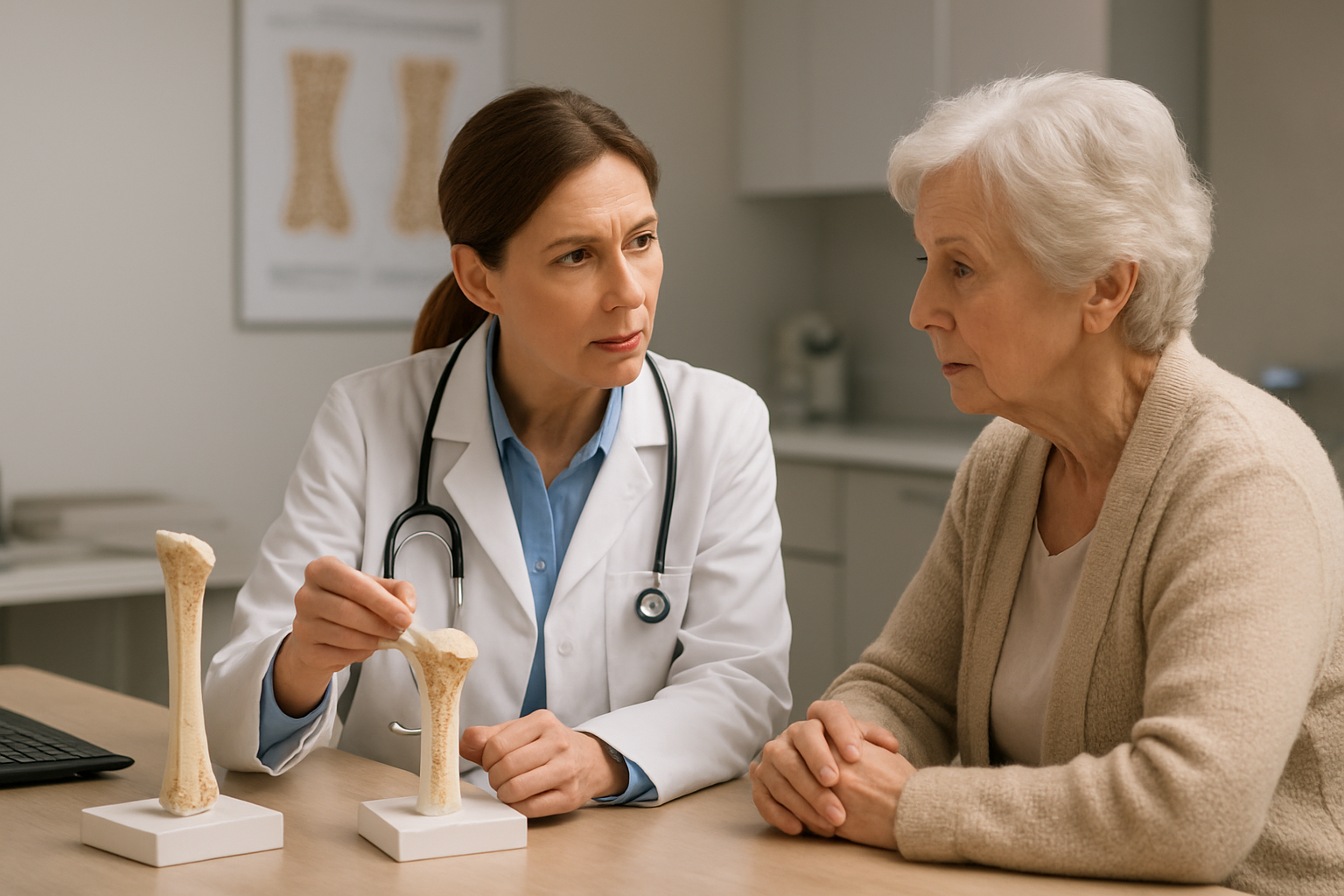
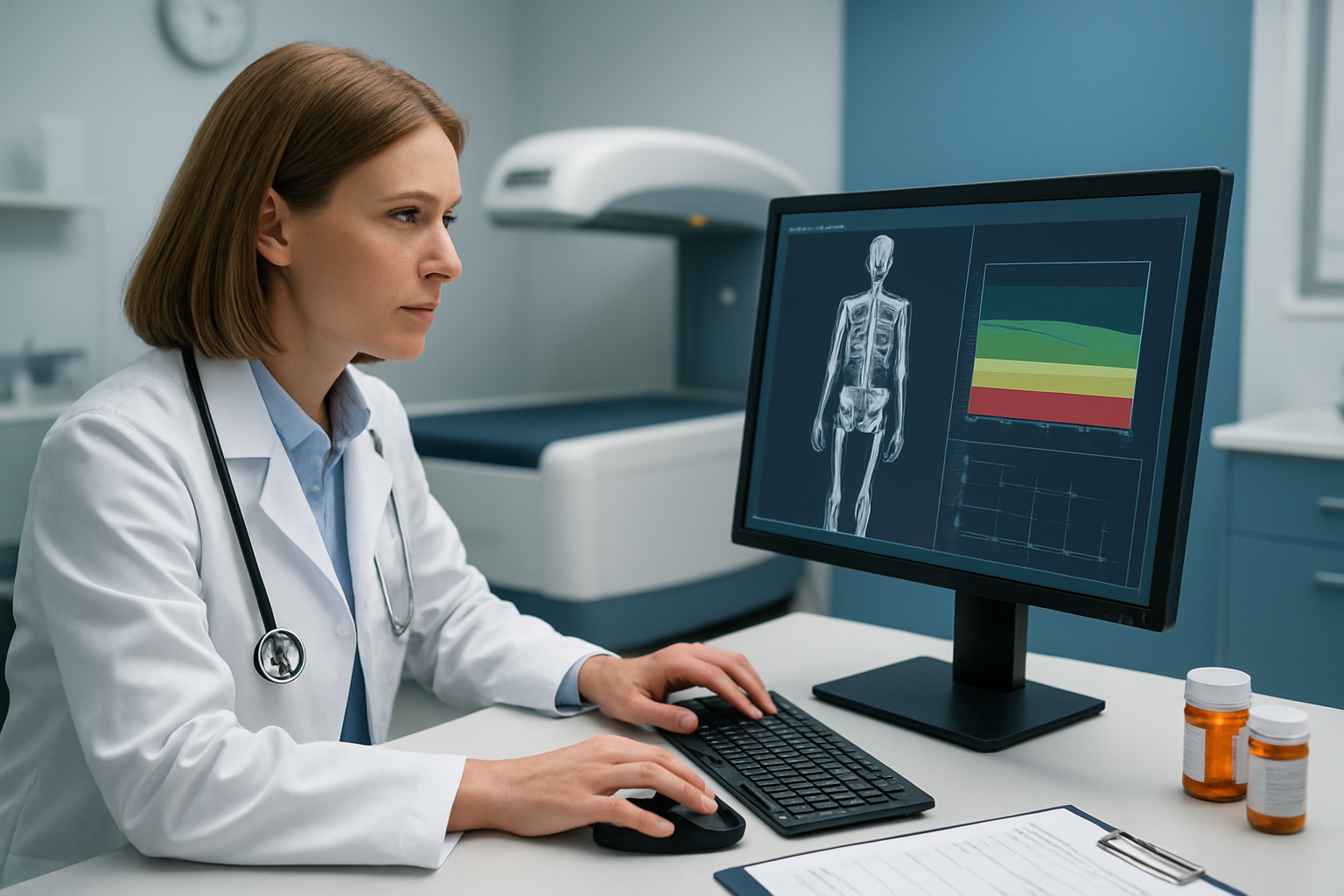
Your doctor can’t see inside your bones to check their strength, but modern technology makes monitoring your bone health straightforward. Bone density screenings, primarily using DEXA (dual-energy X-ray absorptiometry) scans, provide precise measurements of your bone mineral density at key sites like your spine and hips.
Most women should begin regular screenings at age 65, whilst men typically start at 70. However, you might need earlier testing if you have osteoporosis risk factors such as a family history of fractures, long-term steroid use, or conditions like rheumatoid arthritis. The scan takes about 10-15 minutes and involves lying on a table whilst a scanner passes over your body – it’s completely painless and uses minimal radiation.
Your results come as T-scores, which compare your bone density to that of a healthy 30-year-old. A T-score of -1.0 or above indicates normal bone density, whilst -1.0 to -2.5 suggests osteopenia (low bone density), and -2.5 or below indicates osteoporosis. These numbers help your healthcare team create the right osteoporosis prevention strategy for you.
Regular monitoring every 1-2 years allows you to track changes and adjust your prevention approach before significant bone loss prevention becomes necessary.
Consider Hormone Replacement Therapy When Appropriate
Declining oestrogen levels during menopause accelerate bone loss, making hormone replacement therapy (HRT) a valuable option for some women. Oestrogen helps maintain bone density by slowing down the cells that break down bone tissue, making HRT particularly effective for osteoporosis prevention during the crucial years following menopause.
Research shows that HRT can reduce spine fractures by up to 35% and hip fractures by about 25%. The therapy works best when started within 10 years of menopause or before age 60, as this timing maximises benefits whilst minimising risks.
However, HRT isn’t suitable for everyone. Your doctor will consider your personal and family medical history, including risks for blood clots, stroke, and certain cancers. Women with a history of breast cancer, liver disease, or unexplained vaginal bleeding typically aren’t candidates for HRT.
Modern HRT options include:
- Systemic therapy: Pills, patches, or gels that affect your entire body
- Local therapy: Vaginal treatments for specific symptoms
- Bio-identical hormones: Chemically identical to those your body produces naturally
Your healthcare provider can help determine whether HRT fits your overall health profile and osteoporosis prevention goals.
Explore Bone-Building Medications for High-Risk Individuals
When lifestyle changes and bone health supplements aren’t enough, prescription medications can significantly reduce fracture risk. These medications work through different mechanisms, but all help maintain or increase bone density.
Bisphosphonates represent the first-line treatment for most people with osteoporosis. Medications like alendronate, risedronate, and ibandronate slow bone breakdown and can reduce fracture risk by 30-70%. They’re available as weekly or monthly tablets, with some options given as yearly infusions.
Denosumab offers an alternative approach, blocking the protein responsible for bone breakdown. Given as a twice-yearly injection, it’s particularly helpful for people who can’t tolerate bisphosphonates or have kidney problems.
Anabolic agents like teriparatide actually build new bone tissue rather than just slowing breakdown. These daily injections are typically reserved for people with severe osteoporosis or those who’ve experienced fractures despite other treatments.
Selective oestrogen receptor modulators (SERMs) like raloxifene provide some oestrogen-like benefits for bones without affecting breast or uterine tissue, making them suitable for women who can’t use HRT.
Each medication has specific benefits, side effects, and monitoring requirements that your healthcare team will discuss with you.
Work with Healthcare Professionals for Personalised Treatment
Creating an effective osteoporosis prevention plan requires expertise from various healthcare professionals who can address different aspects of your bone health. Your GP typically coordinates your overall care, but you might benefit from specialists depending on your specific situation.
Endocrinologists specialise in hormone-related conditions and can be invaluable if you have complex medical conditions affecting your bones, such as diabetes, thyroid disorders, or require specialised medication management.
Rheumatologists often manage osteoporosis alongside other bone and joint conditions, particularly if you have inflammatory conditions like rheumatoid arthritis that increase your osteoporosis risk factors.
Physiotherapists design safe exercise programmes tailored to your bone density status, ensuring you get the bone density exercises you need without risking fractures. They can also help with balance training to prevent falls.
Dietitians can optimise your nutrition plan, ensuring you’re getting adequate calcium rich foods, addressing vitamin D deficiency, and helping you understand how various nutrients interact with any medications you’re taking.
Your healthcare team should regularly review your progress, adjust treatments as needed, and coordinate care between different specialists. Don’t hesitate to ask questions about your treatment plan or request referrals to specialists when appropriate.
Track Your Bone Health Improvements Over Time
Monitoring your progress goes beyond periodic bone density scans. Keeping detailed records helps you and your healthcare team make informed decisions about your osteoporosis prevention strategy.
Bone density tracking through regular DEXA scans shows whether your current approach is working. Stable or improving T-scores indicate success, whilst continued decline might signal the need for treatment adjustments. Most people see meaningful changes over 12-24 months rather than weeks or months.
Functional improvements often appear before bone density changes. Track your balance, strength, and confidence in daily activities. Can you carry groceries more easily? Do you feel steadier on your feet? These improvements reflect the broader benefits of your bone health efforts.
Lifestyle adherence monitoring helps identify patterns and challenges. Keep records of your weight bearing exercises, calcium and vitamin D intake, and medication compliance. Many people find smartphone apps helpful for tracking supplements and exercise routines.
Fracture prevention success is ultimately the most important measure. While we hope never to test this, going years without fractures despite age-related changes demonstrates effective prevention.
Create a simple tracking system that works for you – whether that’s a smartphone app, a diary, or regular check-ins with your healthcare provider. Regular monitoring helps maintain motivation and ensures your osteoporosis lifestyle changes continue supporting your long-term bone health goals.

Strong bones don’t happen by accident—they’re the result of consistent daily choices that add up over time. From getting enough calcium and vitamin D to staying active with weight-bearing exercises, you’ve now got the toolkit to give your bones the best possible foundation. The science is clear: combining proper nutrition, regular movement, and smart lifestyle habits can dramatically reduce your risk of developing osteoporosis later in life.
Don’t wait until you’re older to start caring about your bone health. Start incorporating these evidence-based strategies into your routine today, and consider speaking with your GP about bone density screening if you have risk factors. Your future self will thank you for taking action now—because preventing osteoporosis is so much easier than treating it.