
EverWise Health

<--Awin verification 001-->

How to Maximise Fish Oil Benefits: Perfect Timing Revealed

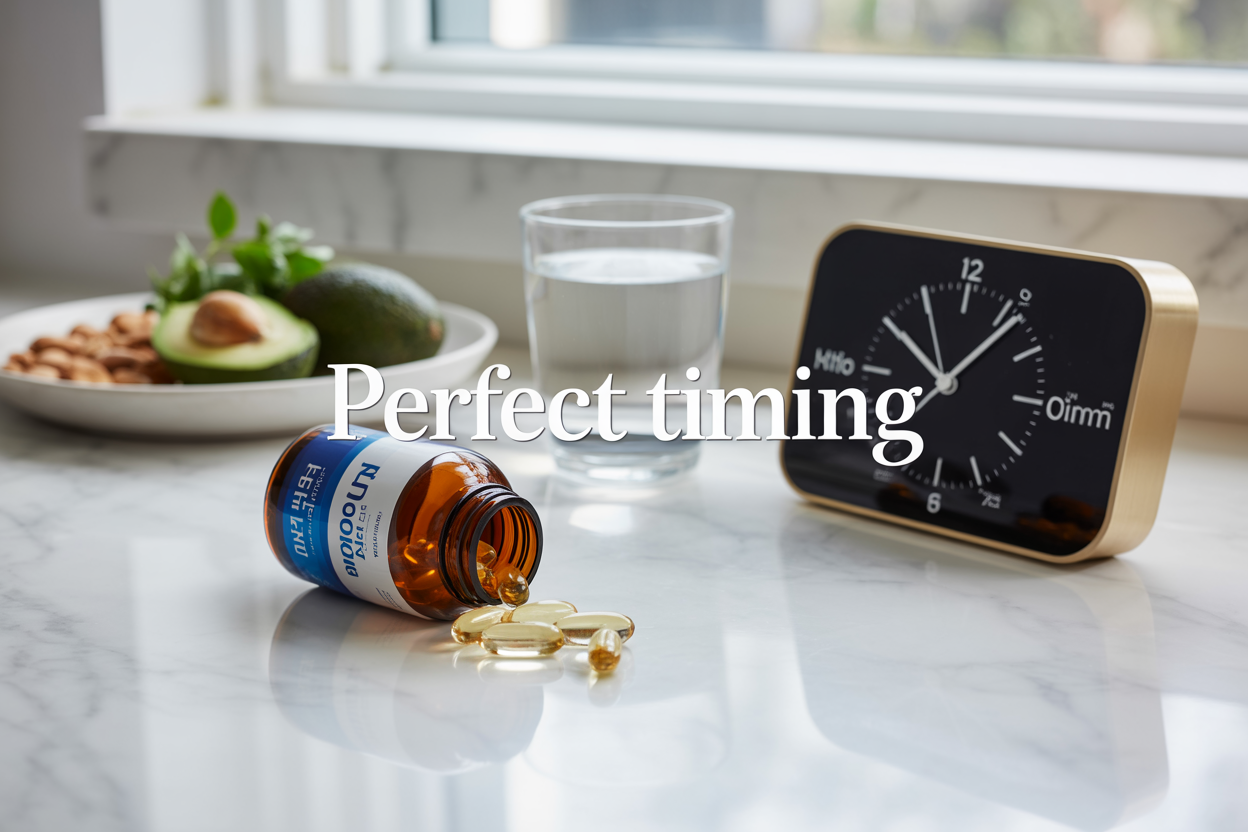
Fish oil timing can make or break your supplement results. Many people pop their omega 3 capsules whenever they remember, missing out on the dramatic difference proper timing makes to absorption and effectiveness.

This guide is for anyone taking fish oil supplements who wants to get the most bang for their buck – from fitness enthusiasts seeking better recovery to health-conscious individuals managing inflammation or supporting heart health.

You’ll discover the science behind fish oil’s peak absorption windows and why timing matters more than you think. We’ll explore how to optimise your dosage frequency for superior results and reveal the specific food combinations that supercharge fish oil effectiveness. You’ll also learn the best time to take omega 3 around your workouts for maximum recovery benefits, plus the common timing mistakes that waste your money and sabotage your health goals.

Getting fish oil timing right transforms an average supplement into a powerful health tool that actually delivers the benefits you’re paying for.

Understanding Fish Oil’s Peak Absorption Windows

Understanding Fish Oil's Peak Absorption Windows

Morning vs Evening: When Your Body Craves Omega-3s Most

Your body’s natural rhythms play a huge role in how well it absorbs fish oil. Research shows that omega 3 timing can make the difference between getting 60% or 90% absorption from your supplement.

Morning intake typically delivers superior results for most people. Your digestive system is primed after an overnight fast, and stomach acid production peaks in the early hours. This creates the perfect environment for breaking down fish oil capsules and releasing those precious omega-3 fatty acids.

Taking fish oil in the morning also aligns with your body’s natural cortisol cycle. Higher morning cortisol levels actually enhance fat absorption, making this the optimal window for lipid-based supplements. Plus, you’re more likely to remember your daily dose when it becomes part of your morning routine.

Evening supplementation works better for certain individuals, particularly those with sensitive stomachs or acid reflux issues. The slower digestive process during sleep can sometimes reduce the fishy aftertaste that bothers some people. However, absorption rates tend to be 15-20% lower compared to morning intake.

Night shift workers or those with irregular sleep patterns should time their fish oil around their longest fasting period, typically before their first major meal of the day, regardless of clock time.

The 30-Minute Golden Rule for Maximum Uptake

The timing of when to take fish oil relative to meals creates a narrow window of opportunity that most people miss completely. The 30-minute rule represents the sweet spot for maximising fish oil benefits.

Taking your omega-3 supplements 30 minutes before eating triggers optimal bile production. Your gallbladder releases bile in response to incoming fats, and this digestive enzyme is absolutely crucial for fish oil absorption. Without adequate bile, those expensive omega-3s pass straight through your system unused.

The pre-meal timing also prevents competition with other nutrients. When you take fish oil with a large meal, vitamins A, D, E, and K compete for the same absorption pathways. This nutritional traffic jam can reduce omega-3 uptake by up to 40%.

Some people prefer taking fish oil during meals to avoid stomach upset, and whilst this approach reduces the absorption rate slightly, it’s still better than skipping doses due to digestive discomfort. If you must take your supplement with food, choose meals containing some healthy fats like avocado or nuts to support the absorption process.

Avoid taking fish oil on a completely empty stomach, as this can cause nausea and reduce bioavailability. The ideal approach involves having a small piece of fruit or a few nuts 30 minutes before your supplement, followed by your main meal 30 minutes later.

How Meal Timing Dramatically Affects Bioavailability

The composition and timing of your meals can either supercharge or sabotage your fish oil effectiveness. Understanding these interactions helps you get maximum value from your omega-3 investment.

Fat-containing meals increase fish oil absorption by 300-500% compared to fat-free meals. Your body needs dietary fat to produce the bile salts required for omega-3 processing. Even a small amount of healthy fat – just 5-10 grams – can dramatically improve bioavailability.

Protein timing also matters significantly. Meals high in protein stimulate the release of cholecystokinin (CCK), a hormone that enhances fat digestion. Having your fish oil with a protein-rich breakfast creates ideal absorption conditions.

Avoid taking fish oil with high-fibre meals, as soluble fibre can bind to fats and reduce absorption. If you’re having a fibre-heavy breakfast, wait at least two hours before taking your omega-3 supplement, or take it before a different meal.

Alcohol consumption within four hours of fish oil supplementation can reduce absorption by up to 30%. The liver prioritises alcohol metabolism over fat processing, leaving less capacity for omega-3 absorption.

Meal Type Absorption Rate Best Timing
High fat breakfast 90-95% 30 mins before
Moderate fat lunch 75-85% 30 mins before
Low fat dinner 45-60% Take earlier in day
Fibre-heavy meal 30-40% Avoid this combination

Your fish oil dosage timing becomes even more critical if you’re taking multiple supplements. Space omega-3s at least two hours away from calcium, magnesium, or zinc supplements, as these minerals can interfere with fat absorption pathways.

Optimising Dosage Frequency for Superior Results
Optimising Dosage Frequency for Superior Results

Single Large Dose vs Multiple Smaller Doses Throughout the Day

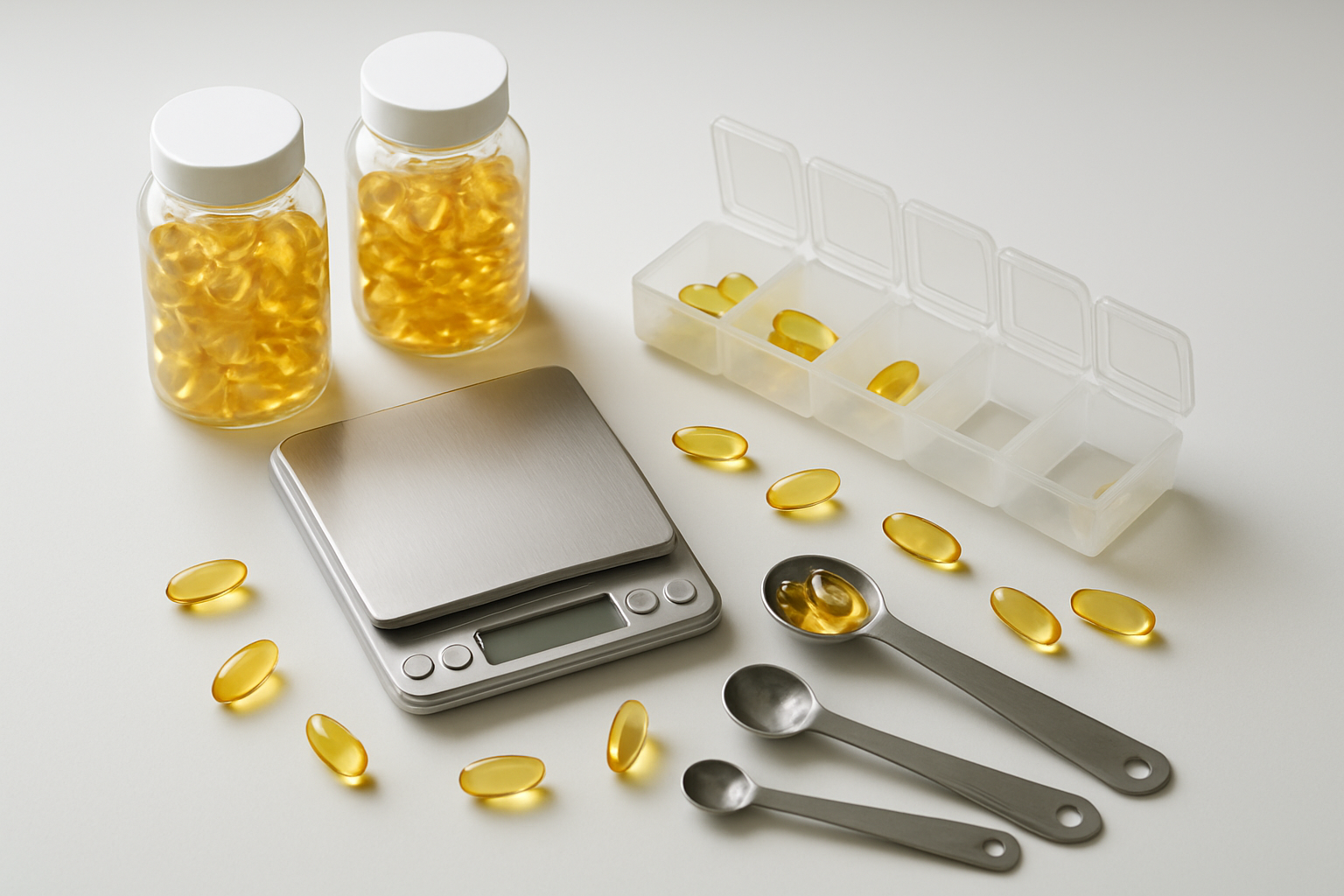
Your body processes omega-3 fatty acids differently depending on how you space out your doses. Taking a single large dose might seem convenient, but it’s not always the smartest approach for maximising fish oil benefits.

When you consume a large amount of fish oil at once—say 3-4 grams—your digestive system can only absorb so much at a time. The excess often passes through without being properly utilised, essentially wasting your investment. Research shows that splitting your daily intake into 2-3 smaller doses throughout the day significantly improves absorption rates.

Optimal splitting strategies:

  • Morning dose (40%): Take with breakfast to kickstart your day’s omega-3 levels
  • Afternoon dose (35%): Consume with lunch for sustained levels
  • Evening dose (25%): Take with dinner to support overnight recovery

This approach maintains steady omega-3 levels in your bloodstream rather than creating dramatic peaks and valleys. People who follow this pattern typically see better results in inflammation markers and cognitive function tests compared to those taking single large doses.

However, there are exceptions. If you’re taking fish oil primarily for joint support and struggle with compliance, a single 2-gram dose with your largest meal can still provide substantial benefits—just not quite as efficiently as the divided approach.

Weekly Cycling Strategies That Prevent Tolerance Build-up

Your body’s response to fish oil doesn’t diminish like it might with stimulants, but strategic cycling can enhance effectiveness and prevent digestive adaptation. Smart cycling involves varying your omega 3 timing and dosage patterns throughout the week.

The 5-2 cycling method works brilliantly for many people. Take your standard dose Monday through Friday, then reduce by 30-40% over the weekend. This prevents your digestive enzymes from becoming overly efficient at breaking down fish oil, which can reduce absorption over time.

Weekly intensity cycling aligns with your activity patterns:

Day Type Fish Oil Dose Best Time to Take
High activity days 100% standard dose Pre and post-workout
Moderate activity days 75% standard dose With largest meal
Rest days 50% standard dose Morning only

Another effective strategy is the alternate day approach. Take your full dose one day, then half the next. This creates a natural rhythm that can prevent your body from adapting too completely to consistent levels.

Some people benefit from monthly cycling—taking a 3-4 day break every month. During these breaks, focus on getting omega-3s from whole food sources like fatty fish, walnuts, and flaxseeds.

Adjusting Intake Based on Your Activity Levels

Your activity levels dramatically influence how your body uses omega-3 fatty acids. Athletes and highly active individuals need different fish oil dosage timing compared to sedentary people.

High-intensity training days call for increased doses because exercise creates inflammation that omega-3s help resolve. Take 50% more than your baseline dose, splitting it before and after training. Pre-workout fish oil (taken 2-3 hours before) helps prepare your body for the inflammatory response, whilst post-workout doses support recovery.

Endurance activities require special consideration. Long runs, cycling sessions, or swimming deplete your omega-3 stores more rapidly. Increase your dose by 30-40% on these days, with emphasis on the recovery window within 2 hours post-exercise.

Strength training days benefit from moderate increases—about 25% more than baseline. The timing matters less than consistency, but taking fish oil with your post-workout meal enhances protein synthesis and reduces delayed-onset muscle soreness.

Rest days shouldn’t be ignored. Reduce your dose to baseline levels but maintain regular timing. Your body uses these periods for deep recovery and adaptation, making steady omega-3 levels crucial.

Mental work periods also influence fish oil needs. High-stress work weeks or exam periods can benefit from increased doses focused on morning timing to support cognitive function throughout the day.

Seasonal Timing Adjustments for Year-Round Benefits

Your fish oil needs shift with the seasons, and adjusting accordingly can dramatically improve effectiveness. Winter months typically require different strategies than summer due to changes in sunlight exposure, activity patterns, and dietary habits.

Winter adjustments should account for reduced vitamin D synthesis and increased inflammatory foods in typical holiday diets. Increase your omega-3 intake by 20-30% during December through February. Take larger morning doses to combat seasonal mood changes and support immune function during cold season.

Spring timing focuses on supporting increased activity levels as people become more active. This is an excellent time to implement cycling strategies as your body adapts to changing routines.

Summer modifications often call for reduced doses if you’re eating more fresh fish and spending time outdoors. However, if you’re doing intensive summer sports or spending long hours in air conditioning, maintain higher doses for inflammation control.

Autumn preparation involves gradually increasing doses to prepare for winter’s challenges. Start building your omega-3 stores in September and October, focusing on consistent timing to establish habits that will carry through darker months.

Travel considerations during holiday seasons require portable strategies. Single larger doses might be more practical during travel periods, even if they’re less optimal for absorption.

Food Combinations That Supercharge Fish Oil Effectiveness
Food Combinations That Supercharge Fish Oil Effectiveness

Healthy Fats That Amplify Omega-3 Absorption

Taking fish oil with the right types of dietary fats can dramatically boost your omega-3 absorption rates. The secret lies in understanding how your digestive system processes these nutrients and creating the perfect environment for maximum uptake.

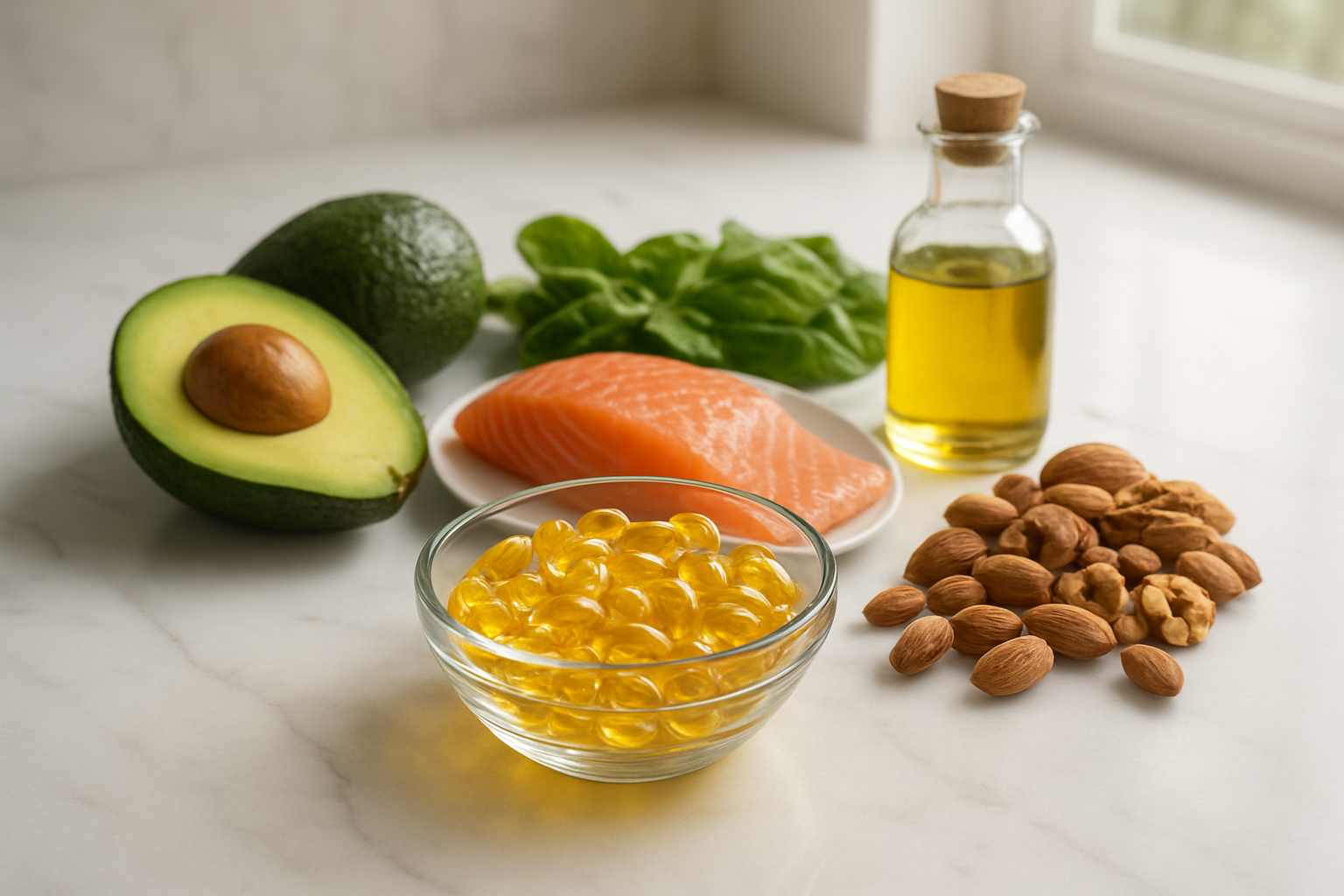
Monounsaturated fats serve as exceptional companions for fish oil absorption. Avocados, olive oil, and nuts like almonds and macadamias create an ideal lipid environment that helps your body extract more omega-3s from each capsule. When you consume these healthy fats alongside your fish oil supplement, you’re essentially priming your digestive system for optimal absorption.

Medium-chain triglycerides (MCTs) from coconut oil offer another powerful absorption enhancer. These unique fats are rapidly processed by your liver and can increase the bioavailability of omega-3 fatty acids by up to 40%. A tablespoon of coconut oil or a handful of coconut flakes taken with your fish oil creates this synergistic effect.

Fish oil with food containing natural omega-3s amplifies the benefits even more. Fatty fish like salmon, sardines, or mackerel eaten on the same day as your supplement creates a compound effect. The natural phospholipids in whole fish help transport the supplemental omega-3s more efficiently across cell membranes.

Egg yolks deserve special mention for their phosphatidylcholine content, which acts as a natural emulsifier. This compound helps break down fish oil into smaller particles, making them easier for your intestinal lining to absorb. Having eggs for breakfast when you take your morning fish oil dose can significantly improve uptake rates.

Vitamins and Minerals That Work as Perfect Partners

Strategic vitamin and mineral pairing can transform your fish oil timing strategy from good to exceptional. These micronutrients don’t just support absorption—they enhance the biological activity of omega-3s throughout your body.

Vitamin E stands as the most critical partner for omega-3 supplements. This powerful antioxidant prevents the oxidation of delicate omega-3 fatty acids both in your supplement bottle and within your body. Without adequate vitamin E, your fish oil can become rancid and potentially harmful. Taking 200-400 IU of natural vitamin E (look for d-alpha tocopherol) with your fish oil protects your investment and ensures the omega-3s remain potent.

Vitamin D creates a synergistic relationship with omega-3s that researchers are still uncovering. Studies show that combining these nutrients enhances anti-inflammatory effects and supports cardiovascular health more effectively than either nutrient alone. Taking your vitamin D3 supplement alongside fish oil, particularly during the best time to take omega 3 (with your largest meal), maximises fish oil benefits.

Magnesium plays a crucial role in converting omega-3s into their active forms. This mineral helps activate enzymes responsible for metabolising EPA and DHA, making them more bioavailable to your tissues. Dark leafy greens, nuts, and seeds provide excellent magnesium sources to consume with your fish oil.

Nutrient Partner Optimal Dose Key Benefit
Vitamin E 200-400 IU Prevents oxidation
Vitamin D3 1000-2000 IU Enhances anti-inflammatory effects
Magnesium 200-300mg Improves omega-3 metabolism
Zinc 8-15mg Supports cell membrane function
Selenium 50-100mcg Protects against lipid peroxidation

Zinc supports the structural integrity of cell membranes, helping omega-3s incorporate more effectively into cellular structures. Selenium works alongside vitamin E to provide additional antioxidant protection, ensuring your omega-3s reach their target tissues in optimal condition.

Foods to Avoid Within Two Hours of Taking Fish Oil

Certain foods can significantly impair omega 3 timing effectiveness, reducing absorption rates and potentially causing digestive discomfort. Understanding these dietary antagonists helps you schedule your fish oil dosage timing for maximum benefit.

High-fibre foods, whilst generally healthy, can interfere with fat absorption when consumed too close to your fish oil supplement. Bran cereals, whole grain breads, and large servings of raw vegetables create a barrier effect in your digestive tract. The excess fibre can bind to fats and escort them out of your system before proper absorption occurs.

Calcium-rich foods and supplements create another absorption roadblock. High doses of calcium can form insoluble complexes with fatty acids, reducing the amount available for absorption. Avoid taking fish oil within two hours of consuming dairy products, fortified plant milks, or calcium supplements.

Coffee and other caffeinated beverages accelerate gastric emptying, pushing your fish oil supplement through your digestive system too quickly for optimal absorption. The rapid transit time doesn’t allow sufficient contact between the omega-3s and your intestinal absorption sites.

Alcohol consumption within the same timeframe can disrupt the delicate enzyme systems responsible for fat digestion. Even moderate amounts of wine or beer can impair lipase activity, the key enzyme that breaks down fish oil triglycerides into absorbable fatty acids.

Iron supplements, particularly ferrous sulphate, can promote lipid oxidation and reduce omega-3 stability. If you must take iron supplements, space them at least four hours apart from your fish oil to prevent this interaction.

Processed foods high in trans fats and artificial preservatives can compete with omega-3s for absorption pathways. These inflammatory fats can also counteract the anti-inflammatory benefits you’re seeking from your fish oil supplement.

Fish oil effectiveness depends heavily on creating the right digestive environment. By avoiding these problematic food combinations and timing your supplements strategically, you’ll see dramatically improved results from your omega-3 investment.

Timing Fish Oil Around Exercise and Recovery

Timing Fish Oil Around Exercise and Recovery

Pre-Workout Timing for Enhanced Performance Benefits

Taking fish oil 45-60 minutes before exercise can significantly boost your performance potential. Your body needs time to process and mobilise the omega-3 fatty acids, allowing them to support cardiovascular function and oxygen delivery during intense training sessions.

The anti-inflammatory properties of omega-3s help reduce exercise-induced oxidative stress before it begins. This proactive approach means your muscles experience less damage during workouts, allowing you to push harder for longer periods. Many athletes report improved endurance and reduced perception of effort when they consistently time their fish oil dosage timing around their training schedule.

fish oil timing becomes especially crucial for high-intensity sessions. The EPA content helps maintain healthy blood flow, ensuring your working muscles receive adequate oxygen and nutrients. This translates to better performance metrics across various exercise modalities, from strength training to cardiovascular activities.

Consider splitting your daily dose if you train early mornings. Take half your omega-3 supplement upon waking, then the remainder 30 minutes before your session. This strategy ensures optimal blood levels whilst avoiding any potential digestive discomfort during exercise.

Post-Exercise Windows for Accelerated Muscle Recovery

The 2-4 hour window following exercise represents your golden opportunity to maximise fish oil benefits for recovery. During this period, your body’s inflammatory response peaks, making omega-3 intervention most effective for controlling excessive inflammation whilst preserving the beneficial adaptive responses.

Post-workout omega 3 timing should align with your protein intake for synergistic effects. The combination supports muscle protein synthesis whilst omega-3s help resolve inflammation through specialised pro-resolving mediators. This dual action accelerates tissue repair and reduces delayed onset muscle soreness.

Research demonstrates that taking fish oil within 2 hours post-exercise can reduce inflammatory markers by up to 30% compared to delayed supplementation. The EPA and DHA work together to shift your body from a pro-inflammatory state to an anti-inflammatory recovery phase more efficiently.

Fish oil with food becomes particularly important during recovery windows. Pairing your omega-3s with a post-workout meal containing healthy fats enhances absorption whilst supporting overall recovery nutrition. This approach ensures maximum bioavailability when your body needs these nutrients most.

Rest Day Strategies for Continued Anti-Inflammatory Support

Rest days don’t mean rest from your omega 3 supplements timing routine. These recovery periods offer unique opportunities to build omega-3 tissue levels without the competing demands of exercise-induced inflammation.

Morning supplementation on rest days allows for steady-state anti-inflammatory support throughout the day. Your body can focus entirely on tissue repair and adaptation without managing acute exercise stress. This consistent approach helps maintain optimal omega-3 status between training sessions.

Consider taking larger doses on rest days when digestive comfort isn’t compromised by exercise. Many athletes successfully implement a 2:1 ratio, taking twice their training day dose during recovery periods. This strategy helps saturate tissues with beneficial fatty acids, creating a protective buffer for subsequent training sessions.

Rest day timing also presents opportunities for testing your individual fish oil absorption patterns. Experiment with different timing protocols to identify your optimal schedule without performance pressure.

Competition Day Protocols for Peak Athletic Performance

Competition day when to take fish oil requires careful strategic planning. Take your standard dose 2-3 hours before competition to ensure adequate absorption without digestive interference. This timing provides anti-inflammatory support whilst avoiding any gastrointestinal distress during performance.

Avoid experimenting with new timing protocols on competition days. Stick to your proven routine that you’ve tested during training sessions. Your body should already be adapted to your chosen fish oil effectiveness strategy.

Consider reducing your dose by 25% on competition day if you typically experience any digestive sensitivity. The goal is maintaining your omega-3 benefits whilst eliminating any potential performance hindrances.

Post-competition supplementation becomes crucial for rapid recovery, especially during tournament settings with multiple events. Resume your normal dosing schedule immediately after competition to begin the recovery process for subsequent performances.

Avoiding Common Timing Mistakes That Waste Your Investment

Avoiding Common Timing Mistakes That Waste Your Investment

Why Taking Fish Oil on an Empty Stomach Reduces Benefits by 50%

Your stomach’s empty state creates a hostile environment for fish oil absorption, dramatically cutting your supplement’s effectiveness in half. When you take fish oil without food, the capsules pass through your digestive system too quickly, giving your body minimal time to extract the valuable omega-3 fatty acids.

The science behind this timing mistake is straightforward: fish oil requires dietary fats to trigger bile production. Bile acts like a natural emulsifier, breaking down the omega-3s into smaller particles your intestines can actually absorb. Without this crucial digestive process, most of your expensive supplement simply exits your body unused.

Studies consistently show that fish oil absorption increases by 50-85% when taken with meals containing at least 15-20 grams of fat. This means your morning toast with butter, lunch salad with olive oil dressing, or dinner with salmon creates the perfect absorption window. The fat content signals your gallbladder to release bile, maximising fish oil effectiveness and ensuring you get the full value from your investment.

Taking fish oil on an empty stomach also increases the likelihood of experiencing fishy burps, nausea, and digestive discomfort. These unpleasant side effects often lead people to abandon their supplement routine entirely, missing out on long-term omega-3 benefits for cardiovascular health, brain function, and inflammation reduction.

Medication Interactions That Require Strategic Spacing

Blood-thinning medications create the most significant timing concerns when maximising fish oil benefits. Warfarin, aspirin, clopidogrel, and other anticoagulants work synergistically with omega-3s, potentially amplifying their blood-thinning effects beyond safe levels. Space your fish oil dosage timing at least 2-3 hours away from these medications, and always consult your doctor before combining them.

Blood pressure medications present another critical interaction. Fish oil naturally lowers blood pressure, which means taking both simultaneously could cause dangerously low readings. Create a 4-6 hour gap between your omega-3 supplements timing and antihypertensive drugs to prevent hypotensive episodes.

Cholesterol medications like statins require careful consideration too. While fish oil can enhance their effectiveness, timing matters enormously. Take statins in the evening as prescribed, then schedule your fish oil with breakfast or lunch to avoid overwhelming your liver’s processing capacity.

Here’s a practical medication spacing guide:

Medication Type Recommended Gap Best Fish Oil Timing
Blood thinners 2-3 hours With breakfast if medication taken at night
Blood pressure 4-6 hours Opposite end of day from medication
Statins 8-12 hours Morning if statin taken at night
Diabetes drugs 1-2 hours With main meal, away from medication

The Coffee and Alcohol Timing Traps Most People Fall Into

Coffee creates a hidden obstacle to fish oil absorption that catches most people off guard. Caffeine accelerates gastric emptying, rushing your fish oil capsules through your stomach before proper breakdown occurs. The tannins in coffee also bind to omega-3 fatty acids, creating complexes your body struggles to absorb.

Wait at least 30-45 minutes after your morning coffee before taking fish oil with food. This simple adjustment prevents caffeine from interfering with the digestive processes essential for omega-3 absorption. Many people make the mistake of swallowing their supplements with their first cup of coffee, unknowingly sabotaging their investment.

Alcohol presents an even more problematic timing trap. Beyond the obvious health concerns, alcohol significantly impairs fat absorption in your intestines. When you take fish oil within 2-3 hours of drinking alcohol, your body’s ability to process and absorb omega-3s drops dramatically.

Weekend supplement routines often fall victim to this trap. People who religiously take fish oil with dinner might unknowingly negate their efforts by having wine with the same meal. The alcohol competes with omega-3 absorption pathways, leaving your body unable to utilise either substance effectively.

Plan your fish oil timing around alcohol consumption by maintaining at least a 3-hour buffer zone. If you know you’ll be drinking in the evening, take your omega-3 supplements with lunch instead. This strategic timing ensures maximum absorption while avoiding the interference alcohol creates in your digestive system.

Temperature also plays a role many overlook. Hot beverages like coffee can actually damage the delicate omega-3 structure in liquid fish oil supplements, reducing their potency before they even reach your stomach.

conclusion

Getting the most from your fish oil supplements really comes down to smart timing and thoughtful planning. The research shows that taking your omega-3s with fatty meals during specific absorption windows can dramatically boost how much your body actually uses. When you split your daily dose into smaller portions and pair them with the right foods, you’re setting yourself up for better results across the board.

The simple changes we’ve covered—like timing your supplements around workouts and steering clear of those common mistakes—can make a real difference to your health investment. Your body works hard to process these nutrients properly, so why not give it the best chance possible? Start with one or two timing adjustments this week and build from there. Your heart, brain, and joints will thank you for making these small but powerful changes to your daily routine.
How to Maximise Fish Oil Benefits: Perfect Timing Revealed

Table of Contents

Fish oil timing can make or break your supplement results. Many people pop their omega 3 capsules whenever they remember, missing out on the dramatic difference proper timing makes to absorption and effectiveness.

This guide is for anyone taking fish oil supplements who wants to get the most bang for their buck – from fitness enthusiasts seeking better recovery to health-conscious individuals managing inflammation or supporting heart health.

You’ll discover the science behind fish oil’s peak absorption windows and why timing matters more than you think. We’ll explore how to optimise your dosage frequency for superior results and reveal the specific food combinations that supercharge fish oil effectiveness. You’ll also learn the best time to take omega 3 around your workouts for maximum recovery benefits, plus the common timing mistakes that waste your money and sabotage your health goals.

Getting fish oil timing right transforms an average supplement into a powerful health tool that actually delivers the benefits you’re paying for.

Understanding Fish Oil’s Peak Absorption Windows

Understanding Fish Oil's Peak Absorption Windows

Morning vs Evening: When Your Body Craves Omega-3s Most

Your body’s natural rhythms play a huge role in how well it absorbs fish oil. Research shows that omega 3 timing can make the difference between getting 60% or 90% absorption from your supplement.

Morning intake typically delivers superior results for most people. Your digestive system is primed after an overnight fast, and stomach acid production peaks in the early hours. This creates the perfect environment for breaking down fish oil capsules and releasing those precious omega-3 fatty acids.

Taking fish oil in the morning also aligns with your body’s natural cortisol cycle. Higher morning cortisol levels actually enhance fat absorption, making this the optimal window for lipid-based supplements. Plus, you’re more likely to remember your daily dose when it becomes part of your morning routine.

Evening supplementation works better for certain individuals, particularly those with sensitive stomachs or acid reflux issues. The slower digestive process during sleep can sometimes reduce the fishy aftertaste that bothers some people. However, absorption rates tend to be 15-20% lower compared to morning intake.

Night shift workers or those with irregular sleep patterns should time their fish oil around their longest fasting period, typically before their first major meal of the day, regardless of clock time.

The 30-Minute Golden Rule for Maximum Uptake

The timing of when to take fish oil relative to meals creates a narrow window of opportunity that most people miss completely. The 30-minute rule represents the sweet spot for maximising fish oil benefits.

Taking your omega-3 supplements 30 minutes before eating triggers optimal bile production. Your gallbladder releases bile in response to incoming fats, and this digestive enzyme is absolutely crucial for fish oil absorption. Without adequate bile, those expensive omega-3s pass straight through your system unused.

The pre-meal timing also prevents competition with other nutrients. When you take fish oil with a large meal, vitamins A, D, E, and K compete for the same absorption pathways. This nutritional traffic jam can reduce omega-3 uptake by up to 40%.

Some people prefer taking fish oil during meals to avoid stomach upset, and whilst this approach reduces the absorption rate slightly, it’s still better than skipping doses due to digestive discomfort. If you must take your supplement with food, choose meals containing some healthy fats like avocado or nuts to support the absorption process.

Avoid taking fish oil on a completely empty stomach, as this can cause nausea and reduce bioavailability. The ideal approach involves having a small piece of fruit or a few nuts 30 minutes before your supplement, followed by your main meal 30 minutes later.

How Meal Timing Dramatically Affects Bioavailability

The composition and timing of your meals can either supercharge or sabotage your fish oil effectiveness. Understanding these interactions helps you get maximum value from your omega-3 investment.

Fat-containing meals increase fish oil absorption by 300-500% compared to fat-free meals. Your body needs dietary fat to produce the bile salts required for omega-3 processing. Even a small amount of healthy fat – just 5-10 grams – can dramatically improve bioavailability.

Protein timing also matters significantly. Meals high in protein stimulate the release of cholecystokinin (CCK), a hormone that enhances fat digestion. Having your fish oil with a protein-rich breakfast creates ideal absorption conditions.

Avoid taking fish oil with high-fibre meals, as soluble fibre can bind to fats and reduce absorption. If you’re having a fibre-heavy breakfast, wait at least two hours before taking your omega-3 supplement, or take it before a different meal.

Alcohol consumption within four hours of fish oil supplementation can reduce absorption by up to 30%. The liver prioritises alcohol metabolism over fat processing, leaving less capacity for omega-3 absorption.

Meal Type Absorption Rate Best Timing
High fat breakfast 90-95% 30 mins before
Moderate fat lunch 75-85% 30 mins before
Low fat dinner 45-60% Take earlier in day
Fibre-heavy meal 30-40% Avoid this combination

Your fish oil dosage timing becomes even more critical if you’re taking multiple supplements. Space omega-3s at least two hours away from calcium, magnesium, or zinc supplements, as these minerals can interfere with fat absorption pathways.

Optimising Dosage Frequency for Superior Results

Optimising Dosage Frequency for Superior Results

Single Large Dose vs Multiple Smaller Doses Throughout the Day

Your body processes omega-3 fatty acids differently depending on how you space out your doses. Taking a single large dose might seem convenient, but it’s not always the smartest approach for maximising fish oil benefits.

When you consume a large amount of fish oil at once—say 3-4 grams—your digestive system can only absorb so much at a time. The excess often passes through without being properly utilised, essentially wasting your investment. Research shows that splitting your daily intake into 2-3 smaller doses throughout the day significantly improves absorption rates.

Optimal splitting strategies:

  • Morning dose (40%): Take with breakfast to kickstart your day’s omega-3 levels
  • Afternoon dose (35%): Consume with lunch for sustained levels
  • Evening dose (25%): Take with dinner to support overnight recovery

This approach maintains steady omega-3 levels in your bloodstream rather than creating dramatic peaks and valleys. People who follow this pattern typically see better results in inflammation markers and cognitive function tests compared to those taking single large doses.

However, there are exceptions. If you’re taking fish oil primarily for joint support and struggle with compliance, a single 2-gram dose with your largest meal can still provide substantial benefits—just not quite as efficiently as the divided approach.

Weekly Cycling Strategies That Prevent Tolerance Build-up

Your body’s response to fish oil doesn’t diminish like it might with stimulants, but strategic cycling can enhance effectiveness and prevent digestive adaptation. Smart cycling involves varying your omega 3 timing and dosage patterns throughout the week.

The 5-2 cycling method works brilliantly for many people. Take your standard dose Monday through Friday, then reduce by 30-40% over the weekend. This prevents your digestive enzymes from becoming overly efficient at breaking down fish oil, which can reduce absorption over time.

Weekly intensity cycling aligns with your activity patterns:

Day Type Fish Oil Dose Best Time to Take
High activity days 100% standard dose Pre and post-workout
Moderate activity days 75% standard dose With largest meal
Rest days 50% standard dose Morning only

Another effective strategy is the alternate day approach. Take your full dose one day, then half the next. This creates a natural rhythm that can prevent your body from adapting too completely to consistent levels.

Some people benefit from monthly cycling—taking a 3-4 day break every month. During these breaks, focus on getting omega-3s from whole food sources like fatty fish, walnuts, and flaxseeds.

Adjusting Intake Based on Your Activity Levels

Your activity levels dramatically influence how your body uses omega-3 fatty acids. Athletes and highly active individuals need different fish oil dosage timing compared to sedentary people.

High-intensity training days call for increased doses because exercise creates inflammation that omega-3s help resolve. Take 50% more than your baseline dose, splitting it before and after training. Pre-workout fish oil (taken 2-3 hours before) helps prepare your body for the inflammatory response, whilst post-workout doses support recovery.

Endurance activities require special consideration. Long runs, cycling sessions, or swimming deplete your omega-3 stores more rapidly. Increase your dose by 30-40% on these days, with emphasis on the recovery window within 2 hours post-exercise.

Strength training days benefit from moderate increases—about 25% more than baseline. The timing matters less than consistency, but taking fish oil with your post-workout meal enhances protein synthesis and reduces delayed-onset muscle soreness.

Rest days shouldn’t be ignored. Reduce your dose to baseline levels but maintain regular timing. Your body uses these periods for deep recovery and adaptation, making steady omega-3 levels crucial.

Mental work periods also influence fish oil needs. High-stress work weeks or exam periods can benefit from increased doses focused on morning timing to support cognitive function throughout the day.

Seasonal Timing Adjustments for Year-Round Benefits

Your fish oil needs shift with the seasons, and adjusting accordingly can dramatically improve effectiveness. Winter months typically require different strategies than summer due to changes in sunlight exposure, activity patterns, and dietary habits.

Winter adjustments should account for reduced vitamin D synthesis and increased inflammatory foods in typical holiday diets. Increase your omega-3 intake by 20-30% during December through February. Take larger morning doses to combat seasonal mood changes and support immune function during cold season.

Spring timing focuses on supporting increased activity levels as people become more active. This is an excellent time to implement cycling strategies as your body adapts to changing routines.

Summer modifications often call for reduced doses if you’re eating more fresh fish and spending time outdoors. However, if you’re doing intensive summer sports or spending long hours in air conditioning, maintain higher doses for inflammation control.

Autumn preparation involves gradually increasing doses to prepare for winter’s challenges. Start building your omega-3 stores in September and October, focusing on consistent timing to establish habits that will carry through darker months.

Travel considerations during holiday seasons require portable strategies. Single larger doses might be more practical during travel periods, even if they’re less optimal for absorption.

Food Combinations That Supercharge Fish Oil Effectiveness

Food Combinations That Supercharge Fish Oil Effectiveness

Healthy Fats That Amplify Omega-3 Absorption

Taking fish oil with the right types of dietary fats can dramatically boost your omega-3 absorption rates. The secret lies in understanding how your digestive system processes these nutrients and creating the perfect environment for maximum uptake.

Monounsaturated fats serve as exceptional companions for fish oil absorption. Avocados, olive oil, and nuts like almonds and macadamias create an ideal lipid environment that helps your body extract more omega-3s from each capsule. When you consume these healthy fats alongside your fish oil supplement, you’re essentially priming your digestive system for optimal absorption.

Medium-chain triglycerides (MCTs) from coconut oil offer another powerful absorption enhancer. These unique fats are rapidly processed by your liver and can increase the bioavailability of omega-3 fatty acids by up to 40%. A tablespoon of coconut oil or a handful of coconut flakes taken with your fish oil creates this synergistic effect.

Fish oil with food containing natural omega-3s amplifies the benefits even more. Fatty fish like salmon, sardines, or mackerel eaten on the same day as your supplement creates a compound effect. The natural phospholipids in whole fish help transport the supplemental omega-3s more efficiently across cell membranes.

Egg yolks deserve special mention for their phosphatidylcholine content, which acts as a natural emulsifier. This compound helps break down fish oil into smaller particles, making them easier for your intestinal lining to absorb. Having eggs for breakfast when you take your morning fish oil dose can significantly improve uptake rates.

Vitamins and Minerals That Work as Perfect Partners

Strategic vitamin and mineral pairing can transform your fish oil timing strategy from good to exceptional. These micronutrients don’t just support absorption—they enhance the biological activity of omega-3s throughout your body.

Vitamin E stands as the most critical partner for omega-3 supplements. This powerful antioxidant prevents the oxidation of delicate omega-3 fatty acids both in your supplement bottle and within your body. Without adequate vitamin E, your fish oil can become rancid and potentially harmful. Taking 200-400 IU of natural vitamin E (look for d-alpha tocopherol) with your fish oil protects your investment and ensures the omega-3s remain potent.

Vitamin D creates a synergistic relationship with omega-3s that researchers are still uncovering. Studies show that combining these nutrients enhances anti-inflammatory effects and supports cardiovascular health more effectively than either nutrient alone. Taking your vitamin D3 supplement alongside fish oil, particularly during the best time to take omega 3 (with your largest meal), maximises fish oil benefits.

Magnesium plays a crucial role in converting omega-3s into their active forms. This mineral helps activate enzymes responsible for metabolising EPA and DHA, making them more bioavailable to your tissues. Dark leafy greens, nuts, and seeds provide excellent magnesium sources to consume with your fish oil.

Nutrient Partner Optimal Dose Key Benefit
Vitamin E 200-400 IU Prevents oxidation
Vitamin D3 1000-2000 IU Enhances anti-inflammatory effects
Magnesium 200-300mg Improves omega-3 metabolism
Zinc 8-15mg Supports cell membrane function
Selenium 50-100mcg Protects against lipid peroxidation

Zinc supports the structural integrity of cell membranes, helping omega-3s incorporate more effectively into cellular structures. Selenium works alongside vitamin E to provide additional antioxidant protection, ensuring your omega-3s reach their target tissues in optimal condition.

Foods to Avoid Within Two Hours of Taking Fish Oil

Certain foods can significantly impair omega 3 timing effectiveness, reducing absorption rates and potentially causing digestive discomfort. Understanding these dietary antagonists helps you schedule your fish oil dosage timing for maximum benefit.

High-fibre foods, whilst generally healthy, can interfere with fat absorption when consumed too close to your fish oil supplement. Bran cereals, whole grain breads, and large servings of raw vegetables create a barrier effect in your digestive tract. The excess fibre can bind to fats and escort them out of your system before proper absorption occurs.

Calcium-rich foods and supplements create another absorption roadblock. High doses of calcium can form insoluble complexes with fatty acids, reducing the amount available for absorption. Avoid taking fish oil within two hours of consuming dairy products, fortified plant milks, or calcium supplements.

Coffee and other caffeinated beverages accelerate gastric emptying, pushing your fish oil supplement through your digestive system too quickly for optimal absorption. The rapid transit time doesn’t allow sufficient contact between the omega-3s and your intestinal absorption sites.

Alcohol consumption within the same timeframe can disrupt the delicate enzyme systems responsible for fat digestion. Even moderate amounts of wine or beer can impair lipase activity, the key enzyme that breaks down fish oil triglycerides into absorbable fatty acids.

Iron supplements, particularly ferrous sulphate, can promote lipid oxidation and reduce omega-3 stability. If you must take iron supplements, space them at least four hours apart from your fish oil to prevent this interaction.

Processed foods high in trans fats and artificial preservatives can compete with omega-3s for absorption pathways. These inflammatory fats can also counteract the anti-inflammatory benefits you’re seeking from your fish oil supplement.

Fish oil effectiveness depends heavily on creating the right digestive environment. By avoiding these problematic food combinations and timing your supplements strategically, you’ll see dramatically improved results from your omega-3 investment.

Timing Fish Oil Around Exercise and Recovery

Timing Fish Oil Around Exercise and Recovery

Pre-Workout Timing for Enhanced Performance Benefits

Taking fish oil 45-60 minutes before exercise can significantly boost your performance potential. Your body needs time to process and mobilise the omega-3 fatty acids, allowing them to support cardiovascular function and oxygen delivery during intense training sessions.

The anti-inflammatory properties of omega-3s help reduce exercise-induced oxidative stress before it begins. This proactive approach means your muscles experience less damage during workouts, allowing you to push harder for longer periods. Many athletes report improved endurance and reduced perception of effort when they consistently time their fish oil dosage timing around their training schedule.

fish oil timing becomes especially crucial for high-intensity sessions. The EPA content helps maintain healthy blood flow, ensuring your working muscles receive adequate oxygen and nutrients. This translates to better performance metrics across various exercise modalities, from strength training to cardiovascular activities.

Consider splitting your daily dose if you train early mornings. Take half your omega-3 supplement upon waking, then the remainder 30 minutes before your session. This strategy ensures optimal blood levels whilst avoiding any potential digestive discomfort during exercise.

Post-Exercise Windows for Accelerated Muscle Recovery

The 2-4 hour window following exercise represents your golden opportunity to maximise fish oil benefits for recovery. During this period, your body’s inflammatory response peaks, making omega-3 intervention most effective for controlling excessive inflammation whilst preserving the beneficial adaptive responses.

Post-workout omega 3 timing should align with your protein intake for synergistic effects. The combination supports muscle protein synthesis whilst omega-3s help resolve inflammation through specialised pro-resolving mediators. This dual action accelerates tissue repair and reduces delayed onset muscle soreness.

Research demonstrates that taking fish oil within 2 hours post-exercise can reduce inflammatory markers by up to 30% compared to delayed supplementation. The EPA and DHA work together to shift your body from a pro-inflammatory state to an anti-inflammatory recovery phase more efficiently.

Fish oil with food becomes particularly important during recovery windows. Pairing your omega-3s with a post-workout meal containing healthy fats enhances absorption whilst supporting overall recovery nutrition. This approach ensures maximum bioavailability when your body needs these nutrients most.

Rest Day Strategies for Continued Anti-Inflammatory Support

Rest days don’t mean rest from your omega 3 supplements timing routine. These recovery periods offer unique opportunities to build omega-3 tissue levels without the competing demands of exercise-induced inflammation.

Morning supplementation on rest days allows for steady-state anti-inflammatory support throughout the day. Your body can focus entirely on tissue repair and adaptation without managing acute exercise stress. This consistent approach helps maintain optimal omega-3 status between training sessions.

Consider taking larger doses on rest days when digestive comfort isn’t compromised by exercise. Many athletes successfully implement a 2:1 ratio, taking twice their training day dose during recovery periods. This strategy helps saturate tissues with beneficial fatty acids, creating a protective buffer for subsequent training sessions.

Rest day timing also presents opportunities for testing your individual fish oil absorption patterns. Experiment with different timing protocols to identify your optimal schedule without performance pressure.

Competition Day Protocols for Peak Athletic Performance

Competition day when to take fish oil requires careful strategic planning. Take your standard dose 2-3 hours before competition to ensure adequate absorption without digestive interference. This timing provides anti-inflammatory support whilst avoiding any gastrointestinal distress during performance.

Avoid experimenting with new timing protocols on competition days. Stick to your proven routine that you’ve tested during training sessions. Your body should already be adapted to your chosen fish oil effectiveness strategy.

Consider reducing your dose by 25% on competition day if you typically experience any digestive sensitivity. The goal is maintaining your omega-3 benefits whilst eliminating any potential performance hindrances.

Post-competition supplementation becomes crucial for rapid recovery, especially during tournament settings with multiple events. Resume your normal dosing schedule immediately after competition to begin the recovery process for subsequent performances.

Avoiding Common Timing Mistakes That Waste Your Investment

Avoiding Common Timing Mistakes That Waste Your Investment

Why Taking Fish Oil on an Empty Stomach Reduces Benefits by 50%

Your stomach’s empty state creates a hostile environment for fish oil absorption, dramatically cutting your supplement’s effectiveness in half. When you take fish oil without food, the capsules pass through your digestive system too quickly, giving your body minimal time to extract the valuable omega-3 fatty acids.

The science behind this timing mistake is straightforward: fish oil requires dietary fats to trigger bile production. Bile acts like a natural emulsifier, breaking down the omega-3s into smaller particles your intestines can actually absorb. Without this crucial digestive process, most of your expensive supplement simply exits your body unused.

Studies consistently show that fish oil absorption increases by 50-85% when taken with meals containing at least 15-20 grams of fat. This means your morning toast with butter, lunch salad with olive oil dressing, or dinner with salmon creates the perfect absorption window. The fat content signals your gallbladder to release bile, maximising fish oil effectiveness and ensuring you get the full value from your investment.

Taking fish oil on an empty stomach also increases the likelihood of experiencing fishy burps, nausea, and digestive discomfort. These unpleasant side effects often lead people to abandon their supplement routine entirely, missing out on long-term omega-3 benefits for cardiovascular health, brain function, and inflammation reduction.

Medication Interactions That Require Strategic Spacing

Blood-thinning medications create the most significant timing concerns when maximising fish oil benefits. Warfarin, aspirin, clopidogrel, and other anticoagulants work synergistically with omega-3s, potentially amplifying their blood-thinning effects beyond safe levels. Space your fish oil dosage timing at least 2-3 hours away from these medications, and always consult your doctor before combining them.

Blood pressure medications present another critical interaction. Fish oil naturally lowers blood pressure, which means taking both simultaneously could cause dangerously low readings. Create a 4-6 hour gap between your omega-3 supplements timing and antihypertensive drugs to prevent hypotensive episodes.

Cholesterol medications like statins require careful consideration too. While fish oil can enhance their effectiveness, timing matters enormously. Take statins in the evening as prescribed, then schedule your fish oil with breakfast or lunch to avoid overwhelming your liver’s processing capacity.

Here’s a practical medication spacing guide:

Medication Type Recommended Gap Best Fish Oil Timing
Blood thinners 2-3 hours With breakfast if medication taken at night
Blood pressure 4-6 hours Opposite end of day from medication
Statins 8-12 hours Morning if statin taken at night
Diabetes drugs 1-2 hours With main meal, away from medication

The Coffee and Alcohol Timing Traps Most People Fall Into

Coffee creates a hidden obstacle to fish oil absorption that catches most people off guard. Caffeine accelerates gastric emptying, rushing your fish oil capsules through your stomach before proper breakdown occurs. The tannins in coffee also bind to omega-3 fatty acids, creating complexes your body struggles to absorb.

Wait at least 30-45 minutes after your morning coffee before taking fish oil with food. This simple adjustment prevents caffeine from interfering with the digestive processes essential for omega-3 absorption. Many people make the mistake of swallowing their supplements with their first cup of coffee, unknowingly sabotaging their investment.

Alcohol presents an even more problematic timing trap. Beyond the obvious health concerns, alcohol significantly impairs fat absorption in your intestines. When you take fish oil within 2-3 hours of drinking alcohol, your body’s ability to process and absorb omega-3s drops dramatically.

Weekend supplement routines often fall victim to this trap. People who religiously take fish oil with dinner might unknowingly negate their efforts by having wine with the same meal. The alcohol competes with omega-3 absorption pathways, leaving your body unable to utilise either substance effectively.

Plan your fish oil timing around alcohol consumption by maintaining at least a 3-hour buffer zone. If you know you’ll be drinking in the evening, take your omega-3 supplements with lunch instead. This strategic timing ensures maximum absorption while avoiding the interference alcohol creates in your digestive system.

Temperature also plays a role many overlook. Hot beverages like coffee can actually damage the delicate omega-3 structure in liquid fish oil supplements, reducing their potency before they even reach your stomach.

conclusion

Getting the most from your fish oil supplements really comes down to smart timing and thoughtful planning. The research shows that taking your omega-3s with fatty meals during specific absorption windows can dramatically boost how much your body actually uses. When you split your daily dose into smaller portions and pair them with the right foods, you’re setting yourself up for better results across the board.

The simple changes we’ve covered—like timing your supplements around workouts and steering clear of those common mistakes—can make a real difference to your health investment. Your body works hard to process these nutrients properly, so why not give it the best chance possible? Start with one or two timing adjustments this week and build from there. Your heart, brain, and joints will thank you for making these small but powerful changes to your daily routine.

No Affiliate Products found.

Related Blog