
EverWise Health

<--Awin verification 001-->

How to Fix Your Sleep Position and Wake Up Pain-Free

Waking up with aches and pains shouldn’t be part of your daily routine. If you’re tired of starting each morning with a stiff neck, sore back, or tight shoulders, your sleep position for back pain might be the culprit you haven’t considered.

This guide is for anyone who regularly experiences morning discomfort and wants to learn how to sleep without pain. You don’t need expensive treatments or complicated solutions – just a few smart adjustments to transform your nights and mornings.

We’ll start by helping you spot how your current sleeping habits might be causing those daily aches. Then, we’ll walk through the best sleeping positions that actually work to prevent pain, plus show you how to choose pillows and mattresses that support proper sleep alignment. You’ll also discover simple bedtime routines that set you up for pain-free sleep and learn how to track what’s working so you can keep improving your sleep quality.

Identify Your Current Sleep Position’s Impact on Your Body
Identify Your Current Sleep Position's Impact on Your Body

Recognise Common Pain Points from Poor Sleeping Posture

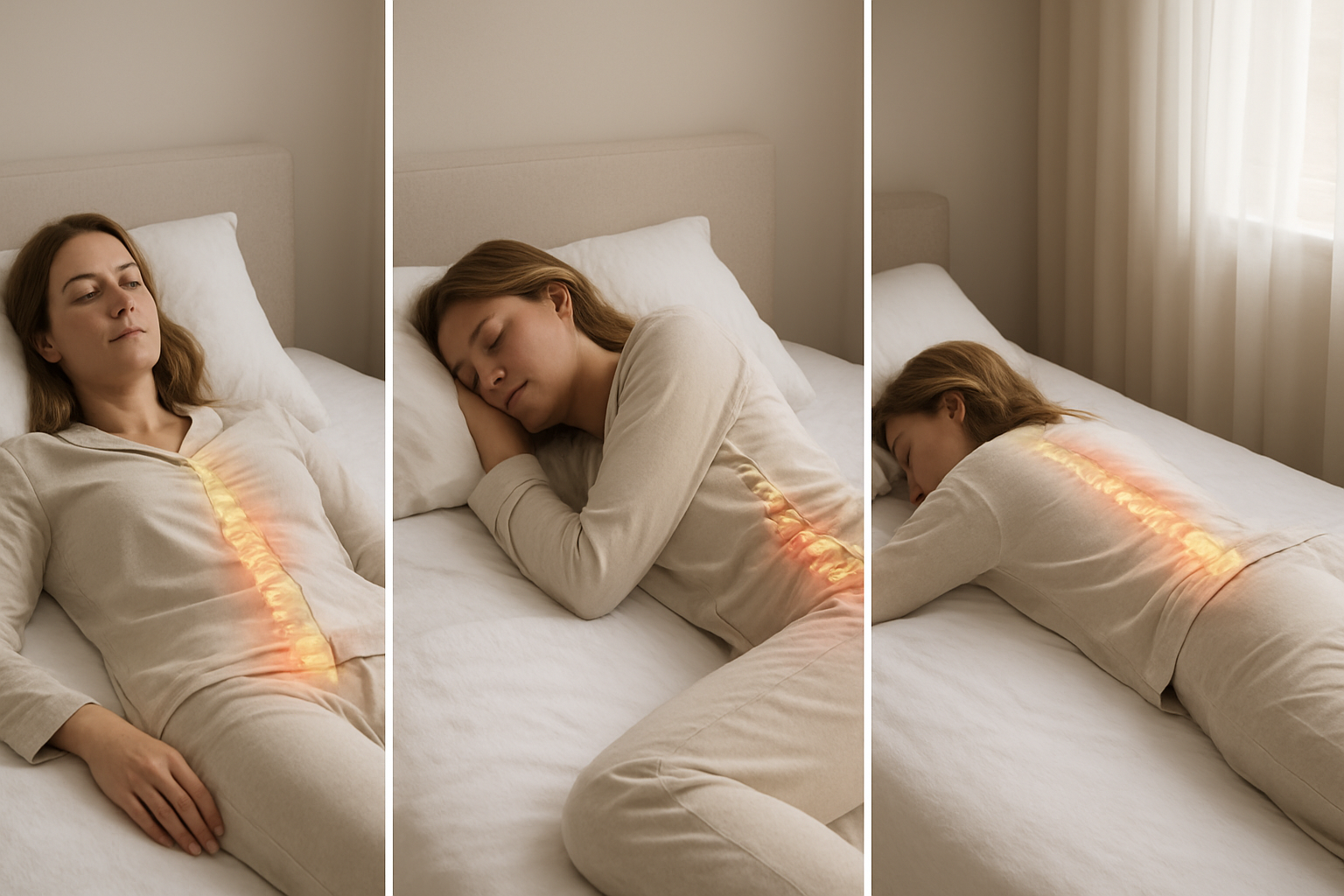
Your body sends clear signals when your sleep position for back pain isn’t working. The most telling signs appear as recurring aches that greet you each morning, particularly in your neck, shoulders, lower back, and hips.

Side sleepers often develop shoulder pain when their arm gets trapped beneath their body weight for hours. This compressed position restricts blood flow and creates pressure points that translate into numbness and stiffness. Your top leg might also roll forward, twisting your spine and creating hip misalignment that radiates pain down to your knees.

Stomach sleepers face unique challenges with their sleep posture correction needs. This position forces your neck to turn sharply to one side for breathing, creating cervical strain that can trigger headaches and neck stiffness. Your lower back also arches unnaturally, as your pelvis sinks into softer mattress areas whilst your ribcage remains elevated.

Back sleepers aren’t immune to discomfort either. Without proper support, your head might tilt too far forward or backward, straining neck muscles. Your lower back can lose its natural curve, leading to morning stiffness and potential sciatica symptoms.

Watch for these specific pain patterns:

  • Neck pain on one side: Usually indicates consistent head rotation during sleep
  • Shoulder blade tension: Often results from hunched sleeping positions
  • Lower back ache: Signals poor spinal alignment throughout the night
  • Hip soreness: Common when legs aren’t properly supported
  • Jaw tension: Can develop from stomach sleeping or stress-related teeth grinding

Understand How Your Mattress Affects Spinal Alignment

Your mattress plays a crucial role in maintaining proper sleep alignment and determining whether you’ll achieve pain-free sleep. A mattress that’s too soft allows your body to sink unevenly, creating pressure points and spinal curves that deviate from your natural posture. Conversely, an overly firm surface doesn’t accommodate your body’s natural contours, forcing muscles to work overtime to maintain comfort.

Sleep ergonomics requires your mattress to support the heaviest parts of your body—typically your hips and shoulders—whilst maintaining the natural S-curve of your spine. When lying on your side, your spine should remain parallel to the mattress surface. Back sleepers need support that maintains the gentle curve in their lower back whilst cradling their head and neck appropriately.

Different mattress types affect alignment differently:

Mattress Type Alignment Benefits Potential Issues
Memory Foam Contours to body shape, distributes weight evenly May retain heat, can feel too soft for some
Pocket Spring Good airflow, responsive support Can create pressure points if springs wear unevenly
Hybrid Combines contouring with responsiveness Quality varies significantly between brands
Latex Natural bounce, temperature neutral Can be expensive, may feel too firm initially

Age also affects how your mattress performs. Even high-quality mattresses lose support over 7-10 years, developing sagging areas that compromise spinal alignment. You might not notice gradual changes, but your body certainly does.

Assess Morning Stiffness and Discomfort Patterns

Morning stiffness reveals valuable information about your sleeping position guide needs. Your body’s response to sleep positioning becomes most apparent during those first few minutes after waking, before movement loosens tight muscles and joints.

Start tracking your morning comfort levels using a simple scale from 1-10, noting specific areas of discomfort. Pay attention to which days you wake feeling refreshed versus those when you feel like you’ve been wrestling with your pillow all night.

Different types of morning stiffness indicate specific sleep position problems:

Immediate sharp pain upon waking suggests you’ve maintained a compromised position for extended periods. This often happens when you fall asleep in unusual positions—perhaps on the sofa or propped up with multiple pillows.

Gradual stiffness that worsens with movement typically indicates inflammatory responses to poor alignment. Your muscles and joints have worked harder than necessary during sleep, leading to morning inflammation.

Numbness or tingling in arms or legs points to circulation issues caused by sustained pressure on blood vessels or nerves. This commonly affects side sleepers who place their arm under their pillow or stomach sleepers whose arms get pinned beneath their torso.

Consider these assessment questions for your healthy sleep positions evaluation:

  • Do you wake in the same position you fell asleep in?
  • Which body parts consistently feel stiff or painful?
  • How long does morning discomfort typically last?
  • Do certain pillows or sleep accessories affect your morning comfort?
  • Does weekend sleep quality differ from weeknight rest?

Document patterns over two weeks to identify trends. You might discover that stress affects your sleep positioning, or that certain evening activities influence how you settle into bed. This information becomes invaluable for developing your personalised how to sleep without pain strategy.

Master the Best Sleep Positions for Pain Prevention

Master the Best Sleep Positions for Pain Prevention

Perfect Your Back Sleeping Technique for Optimal Spine Support

Back sleeping ranks as the gold standard for sleep posture correction and maintaining natural spinal alignment. When done properly, this sleeping position allows your spine to rest in its neutral curve, distributing body weight evenly and reducing pressure points that commonly trigger morning aches.

The key to mastering back sleeping lies in proper setup. Place a medium-firm pillow under your head that keeps your neck aligned with your spine—avoid pillows that push your head too far forward or let it sink too deeply. Your shoulders should rest flat against the mattress, not hunched upwards.

For optimal spine support, slip a small pillow or rolled towel under your knees. This simple addition maintains the natural curve of your lower back and prevents your spine from flattening completely against the mattress. People with lower back pain often find this modification transforms their sleep quality dramatically.

Keep your arms relaxed at your sides or gently folded across your chest. Avoid tucking your hands under your pillow, as this can create shoulder tension and arm numbness throughout the night.

Transform Side Sleeping to Reduce Hip and Shoulder Pressure

Side sleeping requires strategic modifications to become a truly pain-free sleep position. The most common mistake side sleepers make involves sleeping on a mattress that’s too soft, causing their hips and shoulders to sink excessively and throw their spine out of alignment.

Start by choosing the correct side. If you experience hip pain, avoid sleeping on the affected side. For pregnant women or those with heart conditions, left-side sleeping often provides additional health benefits.

Your pillow height matters enormously for side sleepers. The pillow should fill the space between your shoulder and neck completely, keeping your head level with your spine. A pillow that’s too low creates neck strain, while one that’s too high forces your head upward unnaturally.

Place a firm pillow between your knees to prevent your top leg from pulling your spine out of alignment. This proper sleep alignment technique reduces stress on your hips and lower back. For extra comfort, hug a body pillow to support your top arm and prevent shoulder rolling forward.

Keep your legs slightly bent in a comfortable position—avoid pulling them up too tightly to your chest, as this can restrict breathing and create morning stiffness.

Modify Stomach Sleeping to Minimise Neck Strain

Stomach sleeping presents unique challenges for maintaining healthy sleep positions, but strategic modifications can reduce its negative impact significantly. While sleep experts generally discourage this position, some people find it impossible to sleep any other way.

The primary concern with stomach sleeping involves neck rotation. Turning your head to one side for hours creates cervical spine misalignment and muscle strain. Alternate which side you turn your head toward each night to prevent developing chronic neck stiffness on one side.

Use the thinnest pillow possible under your head, or consider sleeping without a head pillow entirely. This reduces the upward angle of your neck and decreases strain on cervical vertebrae. Some stomach sleepers find placing a thin pillow under their forehead allows them to breathe while keeping their neck straighter.

Place a thin pillow under your pelvis and lower abdomen to support your lower back’s natural curve. This prevents your spine from sagging into an uncomfortable arch that can trigger lower back pain.

Keep your arms in comfortable positions—either straight down by your sides or bent upward. Avoid sleeping with your arms under your pillow, as this can compress nerves and create morning numbness.

Use Pillows Strategically to Maintain Proper Alignment

Strategic pillow placement transforms any sleep position for back pain into a therapeutic experience. Think of pillows as alignment tools rather than just comfort accessories—each one should serve a specific purpose in supporting your body’s natural curves.

For back sleepers, the pillow arrangement should create a gentle ‘S’ curve that mirrors your spine’s natural shape. Beyond the standard head pillow and knee support, consider placing a small lumbar roll pillow behind your lower back if your mattress doesn’t provide adequate support.

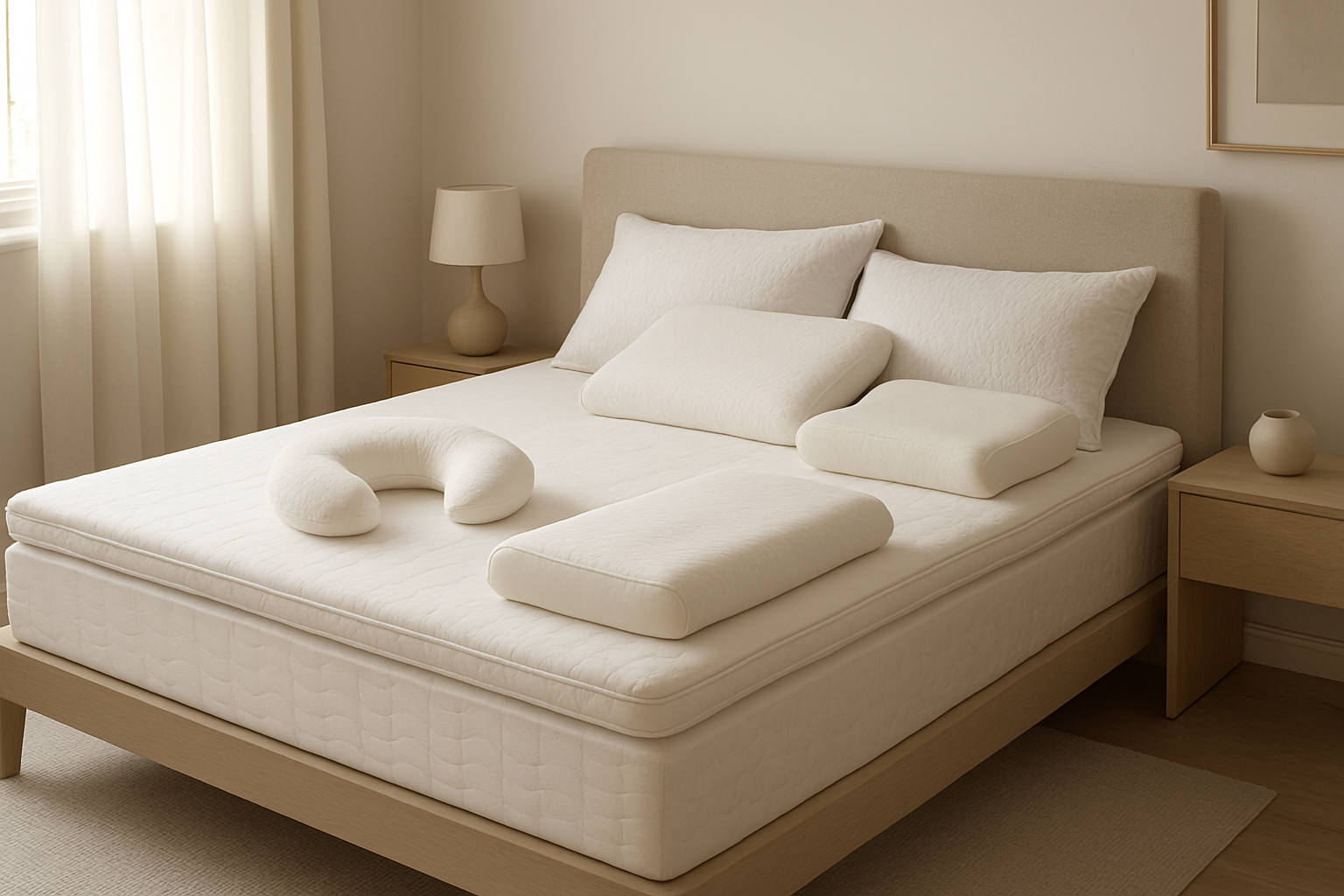
Side sleepers benefit from a full-body pillow system. Start with a contoured cervical pillow that matches your shoulder width, add a knee pillow to maintain hip alignment, and include an arm pillow to prevent shoulder rolling. This comprehensive approach addresses every potential pressure point.

Stomach sleepers should focus on minimising spinal deviation with strategic pillow placement. Beyond the ultra-thin head pillow and pelvic support, consider placing small pillows under your ankles to reduce strain on your lower legs and feet.

Sleep ergonomics extends to pillow material selection as well. Memory foam pillows provide consistent support but may retain heat. Down alternative pillows offer cooler sleeping but require more frequent replacement. Latex pillows deliver responsive support with natural cooling properties.

Replace pillows every 12-18 months to maintain optimal support—flattened pillows cannot provide the alignment your body needs for pain-free sleep tips to be effective.

Choose the Right Equipment for Pain-Free Sleep
Choose the Right Equipment for Pain-Free Sleep

Select a mattress that supports your preferred sleeping position

Your mattress plays a crucial role in maintaining proper sleep alignment and preventing morning pain. Different sleep positions require different levels of support, and choosing the wrong mattress can sabotage even perfect sleep posture.

Side sleepers need a medium to medium-soft mattress that allows the hips and shoulders to sink in slightly whilst keeping the spine neutral. Memory foam and hybrid mattresses work brilliantly for this, as they contour to your body’s curves whilst providing adequate support. If your mattress is too firm, pressure points develop at your hips and shoulders, forcing your spine out of alignment.

Back sleepers benefit from medium-firm mattresses that support the natural curve of the spine without creating excessive sinkage at the hips. Look for mattresses with zoned support that provide firmer support for your midsection whilst offering softer comfort for your shoulders and legs. Latex and quality innerspring mattresses often deliver this balanced support.

Stomach sleepers require the firmest mattresses to prevent their hips from sinking too deeply, which creates an unnatural arch in the lower back. Firm innerspring or latex mattresses work best, though stomach sleeping isn’t recommended for long-term spinal health.

Consider these mattress features for pain-free sleep:

  • Edge support: Prevents roll-off and maintains consistent support across the entire surface
  • Motion isolation: Reduces partner disturbance, allowing for uninterrupted sleep
  • Temperature regulation: Cooling materials prevent overheating that can cause restless movement
  • Durability: Quality construction maintains support levels for years

Find the perfect pillow height and firmness for your needs

Pillow selection directly impacts your neck alignment and overall sleep posture. The wrong pillow height forces your neck into unnatural positions, leading to morning stiffness and headaches.

Side sleepers need the highest pillows to fill the gap between their shoulder and neck. Measure the distance from your shoulder to your neck when lying on your side – this determines your ideal pillow height. Memory foam and latex pillows maintain their shape throughout the night, providing consistent support. Look for pillows with a gusset (the side panel) for extra height and stability.

Back sleepers require medium-height pillows that support the natural curve of the cervical spine without pushing the head too far forward. Down alternative or shredded memory foam pillows work well because you can adjust the fill to achieve the perfect height. Your ear should align with your shoulder when viewed from the side.

Stomach sleepers should use the thinnest pillow possible, or no pillow at all, to prevent excessive neck extension. If you must use a pillow, choose a soft, flat option or place a thin pillow under your stomach to reduce lower back strain.

Pillow firmness guide:

Sleep Position Firmness Level Best Materials
Side Medium to Firm Memory foam, latex, down alternative
Back Medium Adjustable fill, down alternative
Stomach Soft Down, thin memory foam

Replace pillows every 18-24 months or when they lose their shape and support. A simple test: fold your pillow in half – if it doesn’t spring back immediately, it’s time for a replacement.

Consider specialised supports for knees, ankles, and lower back

Strategic placement of additional supports can dramatically improve your sleep posture and reduce pain, especially if you’re transitioning between sleep positions or dealing with existing discomfort.

Knee pillows for side sleepers prevent the top leg from pulling the spine out of alignment. Place a firm pillow between your knees to keep your hips stacked and maintain neutral spine position. Memory foam wedges work particularly well as they won’t shift during the night. Some people find a full-length body pillow provides support for both knees and prevents rolling onto the stomach.

Lumbar support for back sleepers helps maintain the natural curve of the lower spine. A small rolled towel or specialised lumbar pillow placed at the small of your back can prevent flattening of the lumbar curve. However, if your mattress provides adequate support, additional lumbar support might not be necessary.

Ankle pillows benefit people with circulation issues or those recovering from injury. Elevating the ankles slightly reduces swelling and can improve overall comfort, particularly for side sleepers who experience pressure at the ankle bones.

Pregnancy supports become essential as the body changes. Wedge pillows support the growing belly, whilst full-length pregnancy pillows provide support for the back, belly, and between the knees simultaneously.

Additional support options:

  • Cervical rolls for neck support during travel or temporary relief
  • Wedge pillows for elevation and acid reflux prevention
  • Cooling gel inserts for temperature-sensitive areas
  • Adjustable supports that can be modified as needs change

Start with one support item and gradually add others if needed. Too many pillows can create new pressure points or restrict natural movement during sleep. The goal is to support your body’s natural alignment without feeling restricted or overwhelmed by equipment.

Quality sleep equipment is an investment in your long-term health. Proper support reduces morning pain and helps establish healthy sleep posture habits that benefit you for years to come.

Establish a Bedtime Routine That Promotes Better Sleep Posture
Establish a Bedtime Routine That Promotes Better Sleep Posture

Perform gentle stretches to prepare your body for rest

Your muscles carry tension from the entire day, and going straight to bed without addressing this can lead to stiffness and poor sleep posture correction throughout the night. A simple 10-15 minute stretching routine before bed works wonders for releasing built-up tension and preparing your body for optimal alignment.

Start with neck rolls to ease shoulder and cervical spine tension. Gently roll your head in slow circles, holding any tight spots for 10-15 seconds. Follow this with shoulder blade squeezes – pull your shoulder blades together and hold for five seconds, repeating 10 times. This counteracts the forward head posture many people develop during the day.

For your lower body, try the child’s pose stretch. Kneel on your bed and sit back on your heels, then reach your arms forward and lower your torso. This gentle stretch opens up your lower back and hips, areas that commonly cause discomfort during sleep. The figure-four stretch also works brilliantly – lie on your back, cross one ankle over the opposite knee, and gently pull your thigh towards your chest.

Cat-cow stretches on your hands and knees help mobilise your entire spine. Arch your back like a cat, then dip it down like a cow, moving slowly between positions. This movement pattern encourages natural spinal curves that support proper sleep alignment throughout the night.

Create an environment that encourages natural positioning

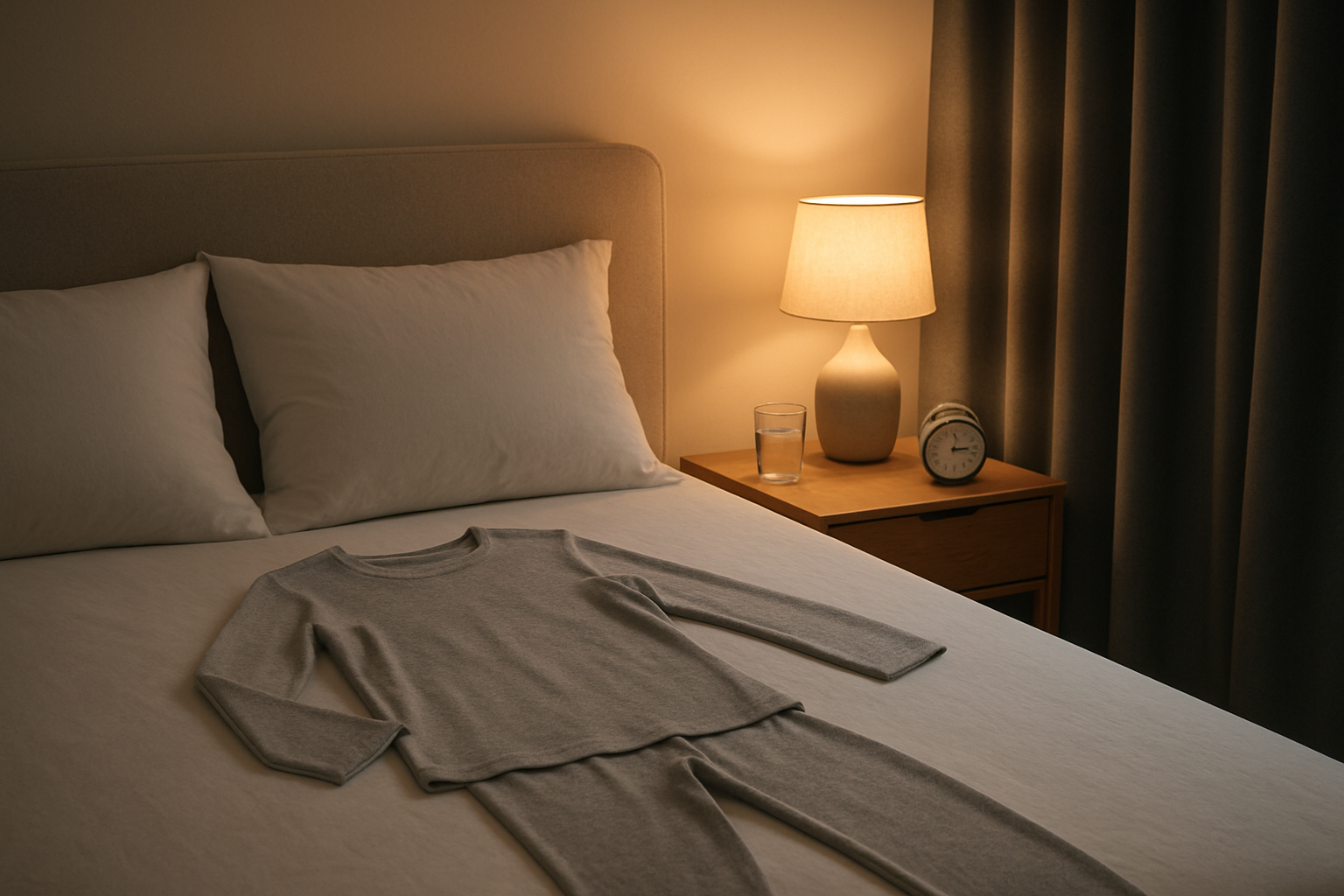
Your bedroom environment plays a massive role in whether you maintain good posture during sleep. Temperature control sits at the heart of this – your room should be between 16-19°C (60-67°F). When you’re too warm, you tend to kick off covers and twist into awkward positions that strain your spine.

Lighting affects your body’s natural preparation for rest. Dim the lights at least an hour before bedtime, allowing your circadian rhythm to signal that it’s time to relax. Blackout curtains or an eye mask ensure complete darkness, preventing you from unconsciously adjusting your position to block out light.

Sound management prevents you from tensing up or shifting positions due to disturbances. White noise machines, earplugs, or even a quiet fan can mask sudden noises that might cause you to jolt awake or adjust your position poorly.

Remove clutter from around your bed. When your bedroom feels chaotic, your mind stays active, leading to restless sleep and frequent position changes that can strain your body.

Practice relaxation techniques to reduce muscle tension

Progressive muscle relaxation proves incredibly effective for achieving pain-free sleep tips. Start at your toes and work upward, tensing each muscle group for five seconds, then releasing. Pay special attention to areas where you typically hold tension – your jaw, shoulders, and lower back.

Deep breathing exercises naturally relax your nervous system. Try the 4-7-8 technique: breathe in for four counts, hold for seven, then exhale for eight. This pattern activates your parasympathetic nervous system, preparing your body for restorative sleep.

Gentle self-massage targets specific tension points. Use a tennis ball against the wall to work out knots in your upper back, or gently massage your temples and neck with your fingertips. Focus on areas that feel tight or sore from your daily activities.

Visualisation techniques help your mind release physical tension. Picture each part of your body becoming heavy and relaxed, sinking into your mattress. This mental exercise often translates into actual physical relaxation.

Set up your bedroom for optimal comfort and support

Your bedroom setup directly impacts whether you can maintain healthy sleep positions throughout the night. Start with your mattress height – it should allow you to sit on the edge with your feet flat on the floor and your knees at roughly 90 degrees. This height makes getting in and out of bed easier while maintaining good posture.

Position your alarm clock where you can see it without turning your head dramatically. When you have to crane your neck to check the time, you risk straining your cervical spine or disrupting your carefully arranged pillow setup.

Keep essentials within arm’s reach. Water, tissues, or any medications should be easily accessible without requiring awkward stretching or twisting. A small bedside table at mattress height works perfectly for this purpose.

Consider the placement of electrical devices. Phones and tablets should be far enough away that you’re not tempted to crane your neck to check them, yet close enough for emergencies. The blue light from screens can also disrupt your natural sleep preparation, so keeping them at a distance serves multiple purposes.

Room ventilation ensures fresh air circulation, preventing stuffiness that might cause you to toss and turn. A slightly open window or a quiet air purifier can maintain optimal air quality without creating distracting noise or drafts that might affect your sleep ergonomics.

Monitor Your Progress and Make Ongoing Adjustments
Monitor Your Progress and Make Ongoing Adjustments

Track your pain levels and sleep quality improvements

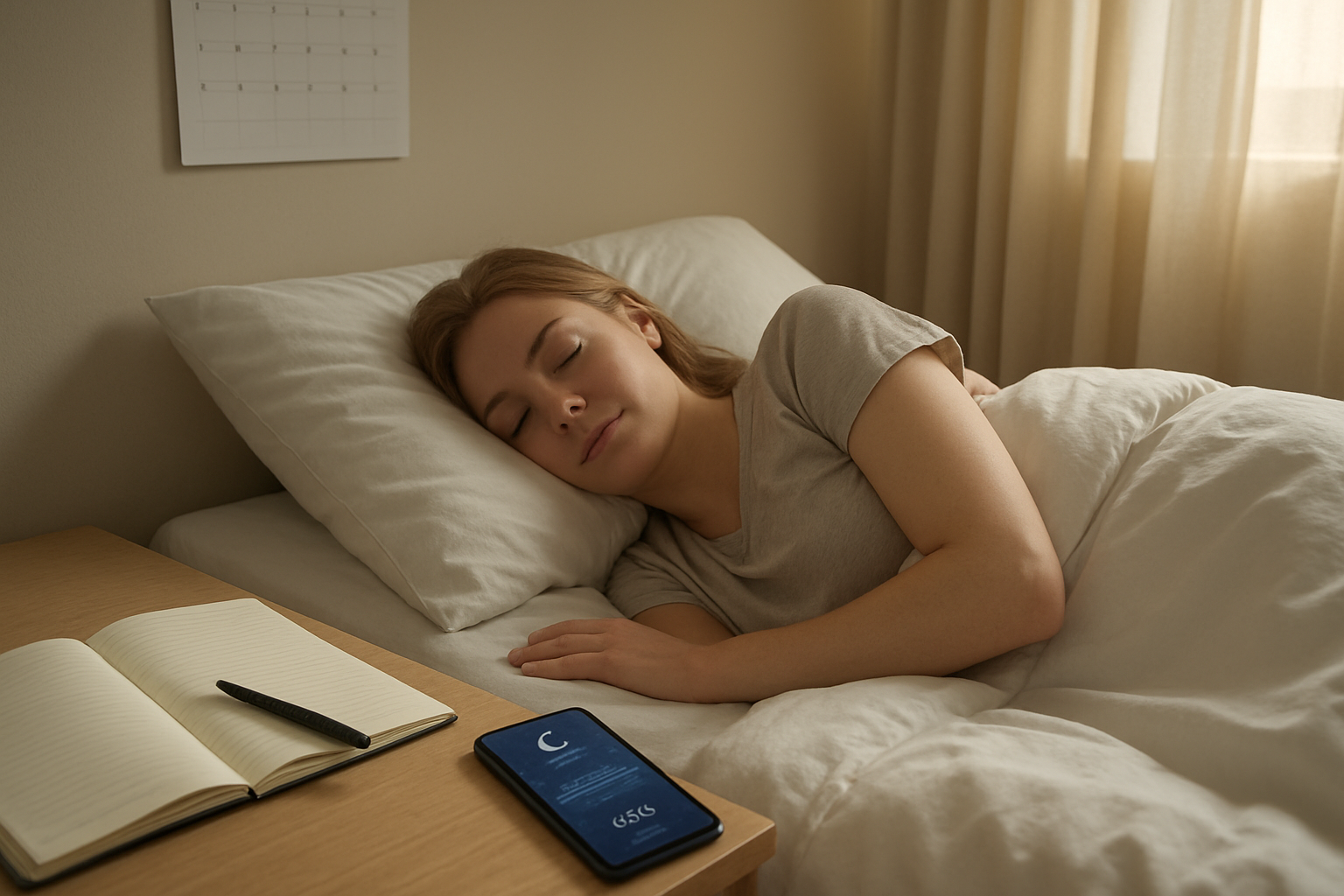
Creating a simple tracking system helps you understand which adjustments actually work for your body. Start by recording your pain levels on a scale of 1-10 when you wake up each morning, noting specific areas like your neck, shoulders, lower back, or hips. Also rate your overall sleep quality – how rested you felt, whether you woke up during the night, and how easily you fell asleep.

Use your phone’s notes app or keep a small notebook by your bedside to quickly jot down these details. Include information about what sleep position you maintained throughout the night (if you’re aware of it), which pillow setup you used, and any environmental factors like room temperature or noise levels.

After two weeks of consistent tracking, patterns will emerge. You might notice that your back pain decreases significantly when you sleep with a pillow between your knees, or that your neck feels better after switching to a firmer pillow. These insights become your roadmap for refining your pain-free sleep approach.

Pay attention to your body’s responses beyond just pain levels. Energy levels throughout the day, mood improvements, and reduced stiffness when getting out of bed all indicate that your sleep posture correction efforts are working. Some people find that proper sleep alignment even improves their digestion and reduces headaches.

Fine-tune your sleep setup based on results

Your tracking data reveals which elements of your sleep setup need adjustment. If you’re still experiencing morning stiffness despite following recommended sleeping positions, experiment with small modifications rather than overhauling everything at once.

Pillow adjustments:

  • Add or remove filling from adjustable pillows
  • Try different pillow combinations for side sleeping
  • Adjust the height of your head pillow by folding it or adding a thin pillow underneath
  • Experiment with pillow placement timing – some people benefit from positioning support pillows after lying down rather than before

Mattress modifications:

  • Add a mattress topper for extra cushioning if pressure points persist
  • Try sleeping on different areas of your mattress to test firmness variations
  • Consider a mattress wedge for gradual elevation if you have acid reflux or breathing issues
  • Adjust your bed’s foundation if it’s causing sagging or uneven support

Room environment plays a bigger role in sleep posture than many realise. Cool temperatures (around 16-19°C) help your muscles relax more completely, supporting better sleep alignment. Blackout curtains and white noise machines can prevent the micro-awakenings that cause you to shift into poor positions during the night.

Monitor how long it takes your body to adapt to changes. Most adjustments require 7-14 days to show their full effects, as your muscles and joints need time to adapt to new positioning. Don’t abandon a potentially helpful modification too quickly.

Know when to seek professional help for persistent issues

Some sleep-related pain requires more than position adjustments and better pillows. Persistent morning pain that doesn’t improve after six weeks of consistent sleep posture correction may indicate underlying conditions that need professional evaluation.

Red flags that warrant medical attention:

  • Sharp, shooting pains that wake you from sleep
  • Numbness or tingling in your arms, hands, legs, or feet
  • Pain that worsens despite trying multiple sleeping positions
  • Morning headaches that occur more than twice weekly
  • Snoring that disrupts your sleep or your partner’s sleep
  • Chronic fatigue despite getting adequate sleep hours

Sleep specialists can conduct comprehensive evaluations including sleep studies to identify issues like sleep apnoea, which affects sleep quality and can worsen pain conditions. Physical therapists specialising in sleep ergonomics can assess your specific body mechanics and recommend personalised modifications to your sleep setup.

Chiropractors and osteopaths can identify spinal alignment issues that might require hands-on treatment alongside proper sleep positioning. They can also recommend specific exercises to strengthen the muscles that support good posture during sleep.

Don’t overlook the connection between stress, anxiety, and sleep pain. Mental health professionals can help address psychological factors that prevent restful sleep and contribute to muscle tension. Sometimes the best sleeping positions in the world can’t overcome the physical effects of chronic stress on your body.

Regular check-ins with healthcare providers become especially important if you have existing conditions like arthritis, fibromyalgia, or previous injuries that affect your sleep comfort.

conclusion

Your sleep position shapes how you feel each morning, and making the right changes can transform your nights from restless to restorative. By understanding how your current position affects your body, switching to pain-preventing postures, and investing in proper pillows and mattresses, you’re setting yourself up for comfortable, uninterrupted sleep. The bedtime routine you create will help your body naturally settle into these healthier positions.

Remember, improving your sleep posture isn’t a one-night fix – it takes time for your body to adapt to new positions and equipment. Keep track of how you feel each morning and don’t be afraid to tweak your setup along the way. Your future self will thank you for taking these steps towards pain-free mornings and better overall health.


How to Fix Your Sleep Position and Wake Up Pain-Free

Table of Contents

Waking up with aches and pains shouldn’t be part of your daily routine. If you’re tired of starting each morning with a stiff neck, sore back, or tight shoulders, your sleep position for back pain might be the culprit you haven’t considered.

This guide is for anyone who regularly experiences morning discomfort and wants to learn how to sleep without pain. You don’t need expensive treatments or complicated solutions – just a few smart adjustments to transform your nights and mornings.

We’ll start by helping you spot how your current sleeping habits might be causing those daily aches. Then, we’ll walk through the best sleeping positions that actually work to prevent pain, plus show you how to choose pillows and mattresses that support proper sleep alignment. You’ll also discover simple bedtime routines that set you up for pain-free sleep and learn how to track what’s working so you can keep improving your sleep quality.

Identify Your Current Sleep Position’s Impact on Your Body

Identify Your Current Sleep Position's Impact on Your Body

Recognise Common Pain Points from Poor Sleeping Posture

Your body sends clear signals when your sleep position for back pain isn’t working. The most telling signs appear as recurring aches that greet you each morning, particularly in your neck, shoulders, lower back, and hips.

Side sleepers often develop shoulder pain when their arm gets trapped beneath their body weight for hours. This compressed position restricts blood flow and creates pressure points that translate into numbness and stiffness. Your top leg might also roll forward, twisting your spine and creating hip misalignment that radiates pain down to your knees.

Stomach sleepers face unique challenges with their sleep posture correction needs. This position forces your neck to turn sharply to one side for breathing, creating cervical strain that can trigger headaches and neck stiffness. Your lower back also arches unnaturally, as your pelvis sinks into softer mattress areas whilst your ribcage remains elevated.

Back sleepers aren’t immune to discomfort either. Without proper support, your head might tilt too far forward or backward, straining neck muscles. Your lower back can lose its natural curve, leading to morning stiffness and potential sciatica symptoms.

Watch for these specific pain patterns:

  • Neck pain on one side: Usually indicates consistent head rotation during sleep
  • Shoulder blade tension: Often results from hunched sleeping positions
  • Lower back ache: Signals poor spinal alignment throughout the night
  • Hip soreness: Common when legs aren’t properly supported
  • Jaw tension: Can develop from stomach sleeping or stress-related teeth grinding

Understand How Your Mattress Affects Spinal Alignment

Your mattress plays a crucial role in maintaining proper sleep alignment and determining whether you’ll achieve pain-free sleep. A mattress that’s too soft allows your body to sink unevenly, creating pressure points and spinal curves that deviate from your natural posture. Conversely, an overly firm surface doesn’t accommodate your body’s natural contours, forcing muscles to work overtime to maintain comfort.

Sleep ergonomics requires your mattress to support the heaviest parts of your body—typically your hips and shoulders—whilst maintaining the natural S-curve of your spine. When lying on your side, your spine should remain parallel to the mattress surface. Back sleepers need support that maintains the gentle curve in their lower back whilst cradling their head and neck appropriately.

Different mattress types affect alignment differently:

Mattress Type Alignment Benefits Potential Issues
Memory Foam Contours to body shape, distributes weight evenly May retain heat, can feel too soft for some
Pocket Spring Good airflow, responsive support Can create pressure points if springs wear unevenly
Hybrid Combines contouring with responsiveness Quality varies significantly between brands
Latex Natural bounce, temperature neutral Can be expensive, may feel too firm initially

Age also affects how your mattress performs. Even high-quality mattresses lose support over 7-10 years, developing sagging areas that compromise spinal alignment. You might not notice gradual changes, but your body certainly does.

Assess Morning Stiffness and Discomfort Patterns

Morning stiffness reveals valuable information about your sleeping position guide needs. Your body’s response to sleep positioning becomes most apparent during those first few minutes after waking, before movement loosens tight muscles and joints.

Start tracking your morning comfort levels using a simple scale from 1-10, noting specific areas of discomfort. Pay attention to which days you wake feeling refreshed versus those when you feel like you’ve been wrestling with your pillow all night.

Different types of morning stiffness indicate specific sleep position problems:

Immediate sharp pain upon waking suggests you’ve maintained a compromised position for extended periods. This often happens when you fall asleep in unusual positions—perhaps on the sofa or propped up with multiple pillows.

Gradual stiffness that worsens with movement typically indicates inflammatory responses to poor alignment. Your muscles and joints have worked harder than necessary during sleep, leading to morning inflammation.

Numbness or tingling in arms or legs points to circulation issues caused by sustained pressure on blood vessels or nerves. This commonly affects side sleepers who place their arm under their pillow or stomach sleepers whose arms get pinned beneath their torso.

Consider these assessment questions for your healthy sleep positions evaluation:

  • Do you wake in the same position you fell asleep in?
  • Which body parts consistently feel stiff or painful?
  • How long does morning discomfort typically last?
  • Do certain pillows or sleep accessories affect your morning comfort?
  • Does weekend sleep quality differ from weeknight rest?

Document patterns over two weeks to identify trends. You might discover that stress affects your sleep positioning, or that certain evening activities influence how you settle into bed. This information becomes invaluable for developing your personalised how to sleep without pain strategy.

Master the Best Sleep Positions for Pain Prevention

Master the Best Sleep Positions for Pain Prevention

Perfect Your Back Sleeping Technique for Optimal Spine Support

Back sleeping ranks as the gold standard for sleep posture correction and maintaining natural spinal alignment. When done properly, this sleeping position allows your spine to rest in its neutral curve, distributing body weight evenly and reducing pressure points that commonly trigger morning aches.

The key to mastering back sleeping lies in proper setup. Place a medium-firm pillow under your head that keeps your neck aligned with your spine—avoid pillows that push your head too far forward or let it sink too deeply. Your shoulders should rest flat against the mattress, not hunched upwards.

For optimal spine support, slip a small pillow or rolled towel under your knees. This simple addition maintains the natural curve of your lower back and prevents your spine from flattening completely against the mattress. People with lower back pain often find this modification transforms their sleep quality dramatically.

Keep your arms relaxed at your sides or gently folded across your chest. Avoid tucking your hands under your pillow, as this can create shoulder tension and arm numbness throughout the night.

Transform Side Sleeping to Reduce Hip and Shoulder Pressure

Side sleeping requires strategic modifications to become a truly pain-free sleep position. The most common mistake side sleepers make involves sleeping on a mattress that’s too soft, causing their hips and shoulders to sink excessively and throw their spine out of alignment.

Start by choosing the correct side. If you experience hip pain, avoid sleeping on the affected side. For pregnant women or those with heart conditions, left-side sleeping often provides additional health benefits.

Your pillow height matters enormously for side sleepers. The pillow should fill the space between your shoulder and neck completely, keeping your head level with your spine. A pillow that’s too low creates neck strain, while one that’s too high forces your head upward unnaturally.

Place a firm pillow between your knees to prevent your top leg from pulling your spine out of alignment. This proper sleep alignment technique reduces stress on your hips and lower back. For extra comfort, hug a body pillow to support your top arm and prevent shoulder rolling forward.

Keep your legs slightly bent in a comfortable position—avoid pulling them up too tightly to your chest, as this can restrict breathing and create morning stiffness.

Modify Stomach Sleeping to Minimise Neck Strain

Stomach sleeping presents unique challenges for maintaining healthy sleep positions, but strategic modifications can reduce its negative impact significantly. While sleep experts generally discourage this position, some people find it impossible to sleep any other way.

The primary concern with stomach sleeping involves neck rotation. Turning your head to one side for hours creates cervical spine misalignment and muscle strain. Alternate which side you turn your head toward each night to prevent developing chronic neck stiffness on one side.

Use the thinnest pillow possible under your head, or consider sleeping without a head pillow entirely. This reduces the upward angle of your neck and decreases strain on cervical vertebrae. Some stomach sleepers find placing a thin pillow under their forehead allows them to breathe while keeping their neck straighter.

Place a thin pillow under your pelvis and lower abdomen to support your lower back’s natural curve. This prevents your spine from sagging into an uncomfortable arch that can trigger lower back pain.

Keep your arms in comfortable positions—either straight down by your sides or bent upward. Avoid sleeping with your arms under your pillow, as this can compress nerves and create morning numbness.

Use Pillows Strategically to Maintain Proper Alignment

Strategic pillow placement transforms any sleep position for back pain into a therapeutic experience. Think of pillows as alignment tools rather than just comfort accessories—each one should serve a specific purpose in supporting your body’s natural curves.

For back sleepers, the pillow arrangement should create a gentle ‘S’ curve that mirrors your spine’s natural shape. Beyond the standard head pillow and knee support, consider placing a small lumbar roll pillow behind your lower back if your mattress doesn’t provide adequate support.

Side sleepers benefit from a full-body pillow system. Start with a contoured cervical pillow that matches your shoulder width, add a knee pillow to maintain hip alignment, and include an arm pillow to prevent shoulder rolling. This comprehensive approach addresses every potential pressure point.

Stomach sleepers should focus on minimising spinal deviation with strategic pillow placement. Beyond the ultra-thin head pillow and pelvic support, consider placing small pillows under your ankles to reduce strain on your lower legs and feet.

Sleep ergonomics extends to pillow material selection as well. Memory foam pillows provide consistent support but may retain heat. Down alternative pillows offer cooler sleeping but require more frequent replacement. Latex pillows deliver responsive support with natural cooling properties.

Replace pillows every 12-18 months to maintain optimal support—flattened pillows cannot provide the alignment your body needs for pain-free sleep tips to be effective.

Choose the Right Equipment for Pain-Free Sleep

Choose the Right Equipment for Pain-Free Sleep

Select a mattress that supports your preferred sleeping position

Your mattress plays a crucial role in maintaining proper sleep alignment and preventing morning pain. Different sleep positions require different levels of support, and choosing the wrong mattress can sabotage even perfect sleep posture.

Side sleepers need a medium to medium-soft mattress that allows the hips and shoulders to sink in slightly whilst keeping the spine neutral. Memory foam and hybrid mattresses work brilliantly for this, as they contour to your body’s curves whilst providing adequate support. If your mattress is too firm, pressure points develop at your hips and shoulders, forcing your spine out of alignment.

Back sleepers benefit from medium-firm mattresses that support the natural curve of the spine without creating excessive sinkage at the hips. Look for mattresses with zoned support that provide firmer support for your midsection whilst offering softer comfort for your shoulders and legs. Latex and quality innerspring mattresses often deliver this balanced support.

Stomach sleepers require the firmest mattresses to prevent their hips from sinking too deeply, which creates an unnatural arch in the lower back. Firm innerspring or latex mattresses work best, though stomach sleeping isn’t recommended for long-term spinal health.

Consider these mattress features for pain-free sleep:

  • Edge support: Prevents roll-off and maintains consistent support across the entire surface
  • Motion isolation: Reduces partner disturbance, allowing for uninterrupted sleep
  • Temperature regulation: Cooling materials prevent overheating that can cause restless movement
  • Durability: Quality construction maintains support levels for years

Find the perfect pillow height and firmness for your needs

Pillow selection directly impacts your neck alignment and overall sleep posture. The wrong pillow height forces your neck into unnatural positions, leading to morning stiffness and headaches.

Side sleepers need the highest pillows to fill the gap between their shoulder and neck. Measure the distance from your shoulder to your neck when lying on your side – this determines your ideal pillow height. Memory foam and latex pillows maintain their shape throughout the night, providing consistent support. Look for pillows with a gusset (the side panel) for extra height and stability.

Back sleepers require medium-height pillows that support the natural curve of the cervical spine without pushing the head too far forward. Down alternative or shredded memory foam pillows work well because you can adjust the fill to achieve the perfect height. Your ear should align with your shoulder when viewed from the side.

Stomach sleepers should use the thinnest pillow possible, or no pillow at all, to prevent excessive neck extension. If you must use a pillow, choose a soft, flat option or place a thin pillow under your stomach to reduce lower back strain.

Pillow firmness guide:

Sleep Position Firmness Level Best Materials
Side Medium to Firm Memory foam, latex, down alternative
Back Medium Adjustable fill, down alternative
Stomach Soft Down, thin memory foam

Replace pillows every 18-24 months or when they lose their shape and support. A simple test: fold your pillow in half – if it doesn’t spring back immediately, it’s time for a replacement.

Consider specialised supports for knees, ankles, and lower back

Strategic placement of additional supports can dramatically improve your sleep posture and reduce pain, especially if you’re transitioning between sleep positions or dealing with existing discomfort.

Knee pillows for side sleepers prevent the top leg from pulling the spine out of alignment. Place a firm pillow between your knees to keep your hips stacked and maintain neutral spine position. Memory foam wedges work particularly well as they won’t shift during the night. Some people find a full-length body pillow provides support for both knees and prevents rolling onto the stomach.

Lumbar support for back sleepers helps maintain the natural curve of the lower spine. A small rolled towel or specialised lumbar pillow placed at the small of your back can prevent flattening of the lumbar curve. However, if your mattress provides adequate support, additional lumbar support might not be necessary.

Ankle pillows benefit people with circulation issues or those recovering from injury. Elevating the ankles slightly reduces swelling and can improve overall comfort, particularly for side sleepers who experience pressure at the ankle bones.

Pregnancy supports become essential as the body changes. Wedge pillows support the growing belly, whilst full-length pregnancy pillows provide support for the back, belly, and between the knees simultaneously.

Additional support options:

  • Cervical rolls for neck support during travel or temporary relief
  • Wedge pillows for elevation and acid reflux prevention
  • Cooling gel inserts for temperature-sensitive areas
  • Adjustable supports that can be modified as needs change

Start with one support item and gradually add others if needed. Too many pillows can create new pressure points or restrict natural movement during sleep. The goal is to support your body’s natural alignment without feeling restricted or overwhelmed by equipment.

Quality sleep equipment is an investment in your long-term health. Proper support reduces morning pain and helps establish healthy sleep posture habits that benefit you for years to come.

Establish a Bedtime Routine That Promotes Better Sleep Posture

Establish a Bedtime Routine That Promotes Better Sleep Posture

Perform gentle stretches to prepare your body for rest

Your muscles carry tension from the entire day, and going straight to bed without addressing this can lead to stiffness and poor sleep posture correction throughout the night. A simple 10-15 minute stretching routine before bed works wonders for releasing built-up tension and preparing your body for optimal alignment.

Start with neck rolls to ease shoulder and cervical spine tension. Gently roll your head in slow circles, holding any tight spots for 10-15 seconds. Follow this with shoulder blade squeezes – pull your shoulder blades together and hold for five seconds, repeating 10 times. This counteracts the forward head posture many people develop during the day.

For your lower body, try the child’s pose stretch. Kneel on your bed and sit back on your heels, then reach your arms forward and lower your torso. This gentle stretch opens up your lower back and hips, areas that commonly cause discomfort during sleep. The figure-four stretch also works brilliantly – lie on your back, cross one ankle over the opposite knee, and gently pull your thigh towards your chest.

Cat-cow stretches on your hands and knees help mobilise your entire spine. Arch your back like a cat, then dip it down like a cow, moving slowly between positions. This movement pattern encourages natural spinal curves that support proper sleep alignment throughout the night.

Create an environment that encourages natural positioning

Your bedroom environment plays a massive role in whether you maintain good posture during sleep. Temperature control sits at the heart of this – your room should be between 16-19°C (60-67°F). When you’re too warm, you tend to kick off covers and twist into awkward positions that strain your spine.

Lighting affects your body’s natural preparation for rest. Dim the lights at least an hour before bedtime, allowing your circadian rhythm to signal that it’s time to relax. Blackout curtains or an eye mask ensure complete darkness, preventing you from unconsciously adjusting your position to block out light.

Sound management prevents you from tensing up or shifting positions due to disturbances. White noise machines, earplugs, or even a quiet fan can mask sudden noises that might cause you to jolt awake or adjust your position poorly.

Remove clutter from around your bed. When your bedroom feels chaotic, your mind stays active, leading to restless sleep and frequent position changes that can strain your body.

Practice relaxation techniques to reduce muscle tension

Progressive muscle relaxation proves incredibly effective for achieving pain-free sleep tips. Start at your toes and work upward, tensing each muscle group for five seconds, then releasing. Pay special attention to areas where you typically hold tension – your jaw, shoulders, and lower back.

Deep breathing exercises naturally relax your nervous system. Try the 4-7-8 technique: breathe in for four counts, hold for seven, then exhale for eight. This pattern activates your parasympathetic nervous system, preparing your body for restorative sleep.

Gentle self-massage targets specific tension points. Use a tennis ball against the wall to work out knots in your upper back, or gently massage your temples and neck with your fingertips. Focus on areas that feel tight or sore from your daily activities.

Visualisation techniques help your mind release physical tension. Picture each part of your body becoming heavy and relaxed, sinking into your mattress. This mental exercise often translates into actual physical relaxation.

Set up your bedroom for optimal comfort and support

Your bedroom setup directly impacts whether you can maintain healthy sleep positions throughout the night. Start with your mattress height – it should allow you to sit on the edge with your feet flat on the floor and your knees at roughly 90 degrees. This height makes getting in and out of bed easier while maintaining good posture.

Position your alarm clock where you can see it without turning your head dramatically. When you have to crane your neck to check the time, you risk straining your cervical spine or disrupting your carefully arranged pillow setup.

Keep essentials within arm’s reach. Water, tissues, or any medications should be easily accessible without requiring awkward stretching or twisting. A small bedside table at mattress height works perfectly for this purpose.

Consider the placement of electrical devices. Phones and tablets should be far enough away that you’re not tempted to crane your neck to check them, yet close enough for emergencies. The blue light from screens can also disrupt your natural sleep preparation, so keeping them at a distance serves multiple purposes.

Room ventilation ensures fresh air circulation, preventing stuffiness that might cause you to toss and turn. A slightly open window or a quiet air purifier can maintain optimal air quality without creating distracting noise or drafts that might affect your sleep ergonomics.

Monitor Your Progress and Make Ongoing Adjustments

Monitor Your Progress and Make Ongoing Adjustments

Track your pain levels and sleep quality improvements

Creating a simple tracking system helps you understand which adjustments actually work for your body. Start by recording your pain levels on a scale of 1-10 when you wake up each morning, noting specific areas like your neck, shoulders, lower back, or hips. Also rate your overall sleep quality – how rested you felt, whether you woke up during the night, and how easily you fell asleep.

Use your phone’s notes app or keep a small notebook by your bedside to quickly jot down these details. Include information about what sleep position you maintained throughout the night (if you’re aware of it), which pillow setup you used, and any environmental factors like room temperature or noise levels.

After two weeks of consistent tracking, patterns will emerge. You might notice that your back pain decreases significantly when you sleep with a pillow between your knees, or that your neck feels better after switching to a firmer pillow. These insights become your roadmap for refining your pain-free sleep approach.

Pay attention to your body’s responses beyond just pain levels. Energy levels throughout the day, mood improvements, and reduced stiffness when getting out of bed all indicate that your sleep posture correction efforts are working. Some people find that proper sleep alignment even improves their digestion and reduces headaches.

Fine-tune your sleep setup based on results

Your tracking data reveals which elements of your sleep setup need adjustment. If you’re still experiencing morning stiffness despite following recommended sleeping positions, experiment with small modifications rather than overhauling everything at once.

Pillow adjustments:

  • Add or remove filling from adjustable pillows
  • Try different pillow combinations for side sleeping
  • Adjust the height of your head pillow by folding it or adding a thin pillow underneath
  • Experiment with pillow placement timing – some people benefit from positioning support pillows after lying down rather than before

Mattress modifications:

  • Add a mattress topper for extra cushioning if pressure points persist
  • Try sleeping on different areas of your mattress to test firmness variations
  • Consider a mattress wedge for gradual elevation if you have acid reflux or breathing issues
  • Adjust your bed’s foundation if it’s causing sagging or uneven support

Room environment plays a bigger role in sleep posture than many realise. Cool temperatures (around 16-19°C) help your muscles relax more completely, supporting better sleep alignment. Blackout curtains and white noise machines can prevent the micro-awakenings that cause you to shift into poor positions during the night.

Monitor how long it takes your body to adapt to changes. Most adjustments require 7-14 days to show their full effects, as your muscles and joints need time to adapt to new positioning. Don’t abandon a potentially helpful modification too quickly.

Know when to seek professional help for persistent issues

Some sleep-related pain requires more than position adjustments and better pillows. Persistent morning pain that doesn’t improve after six weeks of consistent sleep posture correction may indicate underlying conditions that need professional evaluation.

Red flags that warrant medical attention:

  • Sharp, shooting pains that wake you from sleep
  • Numbness or tingling in your arms, hands, legs, or feet
  • Pain that worsens despite trying multiple sleeping positions
  • Morning headaches that occur more than twice weekly
  • Snoring that disrupts your sleep or your partner’s sleep
  • Chronic fatigue despite getting adequate sleep hours

Sleep specialists can conduct comprehensive evaluations including sleep studies to identify issues like sleep apnoea, which affects sleep quality and can worsen pain conditions. Physical therapists specialising in sleep ergonomics can assess your specific body mechanics and recommend personalised modifications to your sleep setup.

Chiropractors and osteopaths can identify spinal alignment issues that might require hands-on treatment alongside proper sleep positioning. They can also recommend specific exercises to strengthen the muscles that support good posture during sleep.

Don’t overlook the connection between stress, anxiety, and sleep pain. Mental health professionals can help address psychological factors that prevent restful sleep and contribute to muscle tension. Sometimes the best sleeping positions in the world can’t overcome the physical effects of chronic stress on your body.

Regular check-ins with healthcare providers become especially important if you have existing conditions like arthritis, fibromyalgia, or previous injuries that affect your sleep comfort.

conclusion

Your sleep position shapes how you feel each morning, and making the right changes can transform your nights from restless to restorative. By understanding how your current position affects your body, switching to pain-preventing postures, and investing in proper pillows and mattresses, you’re setting yourself up for comfortable, uninterrupted sleep. The bedtime routine you create will help your body naturally settle into these healthier positions.

Remember, improving your sleep posture isn’t a one-night fix – it takes time for your body to adapt to new positions and equipment. Keep track of how you feel each morning and don’t be afraid to tweak your setup along the way. Your future self will thank you for taking these steps towards pain-free mornings and better overall health.

No Affiliate Products found.

Related Blog