
Fish Oil After 40: Benefits, Timing & Alternatives
What Creatine Really Is Beyond Muscle Building
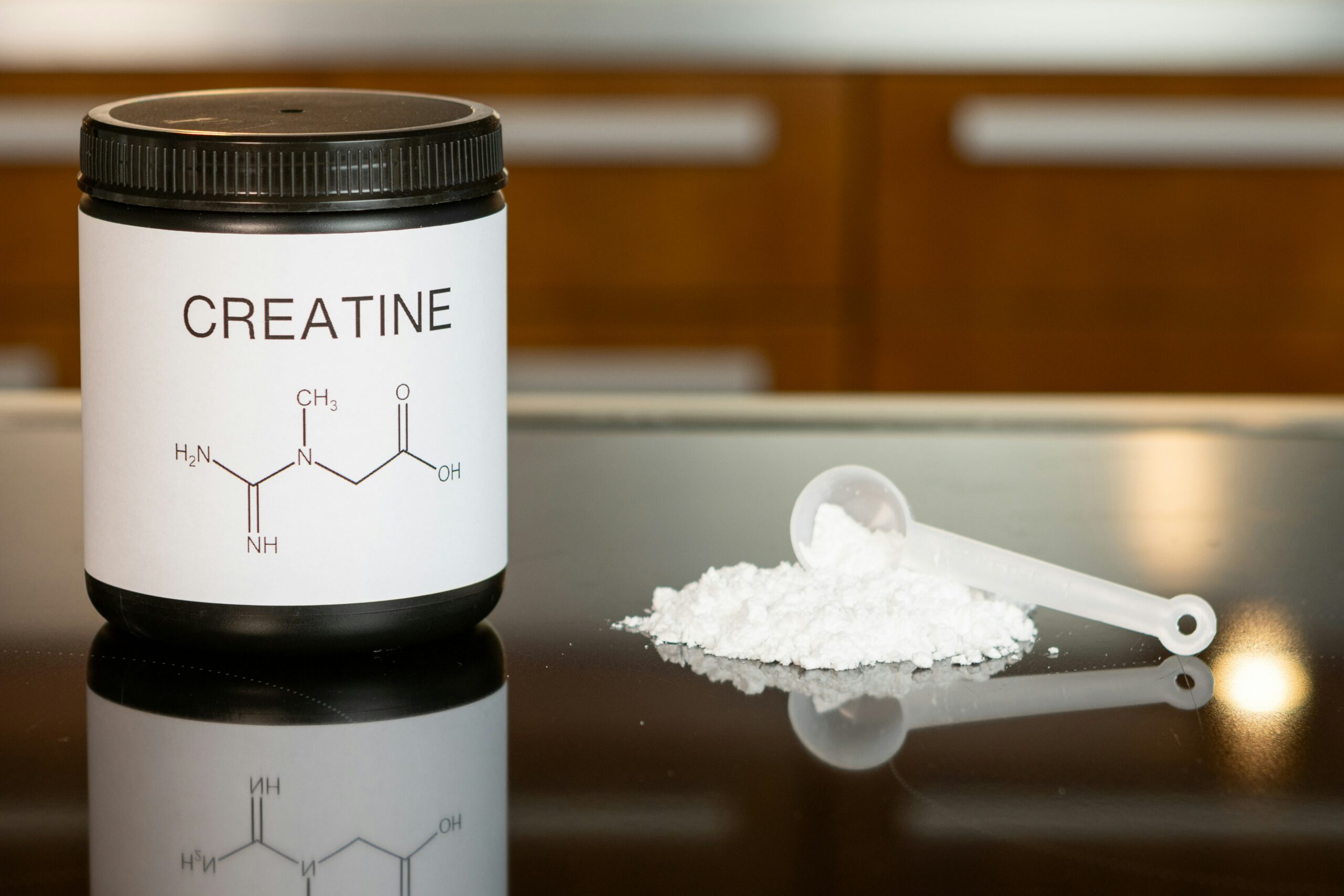
Creatine isn’t just for bodybuilders pumping iron at 5 AM. This powerhouse supplement offers surprising creatine benefits that extend far beyond muscle building, making it valuable for students, professionals, older adults, and anyone wanting to boost their mental game.
Who this guide is for: Older adults concerned about cognitive decline, and anyone curious about creatine for non-athletes who want science-backed ways to enhance their daily performance.
We’ll explore the cognitive benefits of creatine and how it supercharges your brain function during demanding mental tasks. You’ll also discover practical health applications that have nothing to do with lifting weights, plus a straightforward creatine supplementation guide covering safe dosages and who should consider adding this supplement to their routine.
Get ready to learn why creatine mental performance benefits might be exactly what your brain has been missing.

Creatine – The natural energy powerhouse in every cell
Creatine exists in virtually every cell of your body, serving as your cellular energy system’s backup battery. When your cells need quick energy, they tap into adenosine triphosphate (ATP), but ATP stores run out fast – within seconds of intense demand. That’s where creatine steps in, rapidly regenerating ATP through the phosphocreatine system.
Your body naturally produces about 1-2 grams of creatine daily in your liver, kidneys, and pancreas. You also get creatine from food sources, particularly red meat and fish, though cooking reduces the creatine content significantly. This natural compound combines three amino acids – arginine, glycine, and methionine – creating a molecule that’s essential for cellular energy production.
The creatine benefits extend far beyond what most people realize. About 95% of your body’s creatine is stored in skeletal muscle, but the remaining 5% plays critical roles in your brain, heart, and other organs. This distribution shows that creatine for non-athletes serves important physiological functions that have nothing to do with lifting weights or building muscle mass.
How your brain and organs rely on creatine daily
Your brain consumes roughly 20% of your body’s total energy despite representing only 2% of your body weight. This massive energy demand makes the brain heavily dependent on efficient ATP production, where creatine becomes crucial. The cognitive benefits of creatine stem from its ability to maintain steady energy supply to brain cells, particularly during mentally demanding tasks.
Brain tissue contains significant creatine stores, especially in areas responsible for memory, learning, and executive function. Research shows that creatine brain function connection is particularly important during periods of mental fatigue, sleep deprivation, or cognitive stress. When your brain’s energy demands spike – like during complex problem-solving or intense concentration – creatine helps maintain optimal ATP levels.
Your heart muscle also relies heavily on creatine. This organ never stops working, requiring constant energy production. The phosphocreatine system provides immediate energy for heart contractions, making creatine essential for cardiovascular health. Other organs, including your kidneys and liver, use creatine for their energy-intensive processes.
The retina in your eyes contains some of the highest creatine concentrations in your body. This makes sense considering the constant energy demands of processing visual information and maintaining eye function. Even your reproductive system uses creatine, with sperm cells relying on it for the energy needed during fertilization.
Why athletes aren’t the only ones who need it
The idea that only gym-goers benefit from creatine is a major misconception. Creatine health benefits extend to anyone whose cells need reliable energy production – which means everyone. As we age, our natural creatine production declines, and dietary sources may not always meet our body’s demands.
Mental workers, students, and professionals who engage in cognitively demanding tasks can experience significant creatine mental performance improvements. The supplement helps maintain focus during long work sessions, supports memory formation, and may reduce mental fatigue. People experiencing high stress levels, whether physical or psychological, often have increased energy demands that creatine supplementation can help meet.
Vegetarians and vegans particularly benefit from creatine supplementation since plant-based diets contain virtually no creatine. These individuals typically have lower baseline creatine levels and show more dramatic improvements when supplementing. Older adults also represent an important group who should consider creatine, as age-related decline in muscle mass and cognitive function may be partially addressed through supplementation.
People recovering from illness or injury have elevated energy needs as their bodies repair and regenerate tissues. Creatine beyond muscle building includes supporting cellular repair processes and maintaining energy production when the body is under stress. Even individuals with certain genetic conditions that affect creatine metabolism can benefit from supplementation under medical guidance.
The creatine supplementation guide isn’t just for athletes – it’s for anyone looking to optimize their cellular energy production and support their body’s natural processes.
Creatine – Cognitive Benefits That Transform Your Mental Performance

Enhanced memory and learning capacity
The brain demands massive amounts of energy to function properly, and creatine serves as a critical energy reservoir that can dramatically improve how we process and retain information. Research shows that creatine supplementation can boost working memory performance by up to 15% in healthy adults, making it a game-changer for students, professionals, and anyone looking to sharpen their mental edge.
When you take creatine, it increases phosphocreatine stores in your brain tissue. This creates a rapid-response energy system that your neurons can tap into during demanding cognitive tasks. Think of it like having a backup battery for your brain that kicks in when you need to remember complex information or learn new skills quickly.
Studies involving vegetarians and vegans show particularly impressive results, since these groups typically have lower baseline creatine levels. After supplementation, participants demonstrated significant improvements in:
- Verbal memory tasks: Recalling word lists and complex sentences
- Spatial working memory: Remembering locations and visual patterns
- Processing speed: How quickly the brain handles incoming information
- Learning efficiency: Faster acquisition of new knowledge and skills
The cognitive benefits of creatine extend beyond just memorization. People report being able to tackle challenging mental tasks for longer periods without experiencing the usual mental fatigue that comes with sustained concentration.
Improved focus and mental clarity
Mental fog doesn’t stand a chance against creatine’s energy-boosting properties. Your brain uses about 20% of your body’s total energy, and when that supply gets depleted, focus becomes nearly impossible. Creatine acts like premium fuel for your mental engine, providing the consistent energy needed for sustained attention and clear thinking.
Users consistently report sharper focus within just a few weeks of starting supplementation. This isn’t just subjective – brain imaging studies reveal that creatine increases neural activity in regions responsible for attention and executive function. The prefrontal cortex, which handles decision-making and focus, shows enhanced metabolic activity when creatine levels are optimized.
Creatine mental performance benefits become especially noticeable during:
| Mental Task | Improvement Observed |
| Extended work sessions | 25% longer sustained attention |
| Complex problem-solving | Faster solution identification |
| Multitasking scenarios | Better task-switching efficiency |
| Decision-making under pressure | Reduced mental fatigue effects |
The clarity boost isn’t temporary either. Regular creatine use helps maintain consistent mental energy throughout the day, eliminating those afternoon brain crashes that derail productivity. Many people find they can work on demanding projects for hours without losing their mental sharpness.
Protection against brain fatigue and mental decline
Your brain faces constant oxidative stress and energy depletion, especially as you age or during periods of intense mental demand. Creatine acts as a neuroprotective agent, shielding brain cells from damage while maintaining optimal energy levels even under stress.
Research reveals that creatine supplementation can reduce mental fatigue by up to 50% during cognitively demanding tasks. This protection comes from creatine’s ability to maintain cellular energy balance, preventing the cascade of metabolic problems that lead to brain fog and mental exhaustion.
Creatine brain function benefits for long-term protection include:
- Cellular energy stability: Maintains ATP levels during mental stress
- Antioxidant properties: Reduces harmful free radical damage
- Enhanced neuroplasticity: Supports the brain’s ability to adapt and grow
- Improved sleep quality: Better rest leads to sharper daytime cognition
Older adults show particularly promising results, with studies demonstrating that creatine can slow age-related cognitive decline and maintain mental performance. The supplement appears to be especially protective for areas of the brain involved in memory formation and executive function.
People working in high-stress environments – from emergency responders to financial analysts – report that creatine helps them maintain mental clarity even during their most challenging days. The supplement provides a buffer against the cognitive costs of chronic stress and sleep deprivation.
Health Applications for Non-Athletes

Supporting Heart Health and Cardiovascular Function
Your heart works like a high-performance engine, and just like any engine, it needs optimal fuel to function at its best. Creatine for non-athletes provides significant cardiovascular benefits that extend far beyond the gym floor. Research shows that creatine supplementation can improve heart function by enhancing the energy metabolism within cardiac muscle cells.
The heart muscle relies heavily on phosphocreatine stores to maintain consistent energy production during both rest and activity. When these stores are optimized through supplementation, your heart can pump more efficiently, potentially reducing strain during daily activities like climbing stairs, carrying groceries, or playing with your children.
Studies have demonstrated that creatine supplementation can improve left ventricular function and reduce symptoms in individuals with heart conditions. The supplement helps maintain stable ATP levels in cardiac tissue, which translates to better overall cardiovascular performance even for people who never set foot in a fitness center.
Boosting Energy Levels for Daily Activities with Creatine
Forget the afternoon energy crash that sends you reaching for another cup of coffee. Creatine benefits extend to everyday energy management, providing sustained vitality for your daily routine. Unlike stimulants that create peaks and valleys in your energy levels, creatine works at the cellular level to optimize your body’s natural energy production systems.
Your muscles use creatine phosphate as an immediate energy source for quick, powerful movements. This doesn’t just apply to weightlifting – it applies to everything from getting out of bed in the morning to carrying laundry upstairs. People who supplement with creatine often report feeling more energetic during routine tasks and experiencing less fatigue at the end of long days.
Professional workers, parents juggling multiple responsibilities, and anyone dealing with demanding daily schedules can benefit from creatine’s energy-supporting properties. The supplement helps your body maintain consistent energy output without the jittery side effects associated with caffeine-based energy products.
Aiding Recovery from Illness and Stress
Recovery from illness, surgery, or periods of high stress places enormous demands on your body’s energy systems. Creatine health benefits include supporting your body’s natural healing processes by ensuring adequate energy availability for cellular repair and immune function.
During illness, your body’s creatine stores can become depleted as energy demands shift toward fighting infection and tissue repair. Supplementation helps maintain these crucial energy reserves, potentially speeding recovery times and reducing the lingering fatigue that often follows illness.
Chronic stress also depletes your body’s energy reserves. Creatine supplementation provides a buffer against stress-induced energy depletion, helping you maintain physical and mental resilience during challenging periods. This is particularly valuable for caregivers, healthcare workers, and anyone dealing with prolonged stressful situations.
Managing Age-Related Muscle Loss
Sarcopenia, the age-related loss of muscle mass and strength, affects everyone as they get older. You don’t need to be an athlete to benefit from creatine’s muscle-preserving properties. Creatine supplementation guide research shows that regular creatine use can help slow muscle loss and maintain functional strength as you age.
Starting as early as your thirties, you naturally lose muscle mass at a rate of 3-8% per decade. This loss accelerates after age 60, leading to increased risk of falls, reduced independence, and decreased quality of life. Creatine supplementation, combined with basic resistance activities like bodyweight exercises or light weights, can significantly slow this process.
The beauty of using creatine for age-related muscle preservation is that you don’t need intense training programs. Simple activities like gardening, walking, or basic stretching combined with creatine supplementation can help maintain the muscle mass necessary for independent living and daily function.
| Age Group | Muscle Loss Rate | Creatine Benefits |
| 30-50 years | 3-5% per decade | Maintains current muscle mass |
| 50-70 years | 5-8% per decade | Slows muscle loss progression |
| 70+ years | 8-15% per decade | Preserves functional strength |
Considerations of Creatine Supplementation as you age.

Busy professionals needing mental edge as they age
Modern professionals face relentless cognitive demands that can leave them mentally drained by midday. Creatine for non-athletes offers a practical solution for maintaining sharp focus throughout demanding workdays. The brain consumes roughly 20% of your body’s energy, and creatine helps fuel this high-energy organ by supporting ATP production in neural cells.
Creatine brain function research shows significant improvements in working memory, processing speed, and decision-making capabilities. Professionals juggling multiple projects, attending back-to-back meetings, or analysing complex data can benefit from the sustained mental energy that creatine provides. Unlike caffeine, which creates peaks and crashes, creatine offers steady cognitive support without jitters or afternoon slumps.
The supplement proves particularly valuable during high-stress periods like quarterly reviews, product launches, or merger negotiations. Many executives report enhanced clarity during lengthy presentations and improved ability to maintain concentration during marathon work sessions. The cognitive benefits of creatine extend to better emotional regulation under pressure, helping professionals make sound decisions even when facing tight deadlines.
Older adults maintaining vitality with Creatine
Age-related changes in cellular energy production make creatine supplementation especially relevant for adults over 50. As we age, our natural creatine stores decline, affecting both physical and mental performance. Creatine health benefits for older adults extend far beyond muscle maintenance, supporting overall vitality and quality of life.
Creatine benefits for aging populations include improved sleep quality, which becomes increasingly important as sleep patterns naturally shift with age. Research indicates that creatine helps regulate circadian rhythms and supports deeper, more restorative sleep phases. This enhanced sleep quality creates a positive cycle, improving daytime cognitive function and energy levels.
Older adults often experience “brain fog” or slower processing speeds. Regular creatine supplementation can help maintain mental sharpness, supporting activities like managing finances, remembering appointments, and staying engaged in complex conversations. The neuroprotective properties of creatine may also support long-term brain health, potentially slowing age-related cognitive decline.
| Age Group | Primary Benefits | Dosage Considerations |
| 50-65 years | Enhanced energy, better sleep | Standard 3-5g daily |
| 65+ years | Cognitive support, vitality | Start with 3g daily |
Aging Vegetarians and vegans with dietary gaps
Plant-based diets naturally contain minimal creatine since the compound primarily exists in animal tissues. Vegetarians and vegans typically show lower baseline creatine levels, making them ideal candidates for creatine supplementation guide protocols. This dietary gap isn’t a flaw in plant-based eating but rather an opportunity for strategic supplementation.
Mental performance benefits become particularly pronounced in individuals following plant-based diets. Studies consistently show that vegetarians experience more dramatic improvements in cognitive function when supplementing with creatine compared to meat-eaters. This enhanced response occurs because their baseline levels start lower, creating more room for improvement.
The energy-boosting effects of creatine can help vegetarians and vegans maintain steady energy levels throughout the day without relying on animal-derived nutrients. Many report improved workout recovery, better focus during work hours, and enhanced overall well-being. Since creatine monohydrate is typically synthesized rather than animal-derived, it aligns perfectly with plant-based ethical considerations.
Creatine – Safe and Effective Usage Guidelines

Optimal Creatine dosing for non-athletic purposes
The creatine dosage safety profile for non-athletes differs significantly from traditional athletic protocols. Most people starting with creatine supplementation guide recommendations jump straight to loading phases designed for muscle saturation, but everyday users need a more nuanced approach.
Start with 3-5 grams daily – this simple dose delivers substantial creatine benefits without overwhelming your system. Research shows that non-athletes achieve optimal cellular saturation at lower doses compared to intense training regimens. Your kidneys process this amount efficiently, and you’ll avoid the bloating some experience with higher doses.
Skip the loading phase entirely. While athletes might benefit from 20 grams daily for five days, non-athletic users gain the same long-term benefits by taking consistent smaller amounts. Your brain and cellular energy systems reach peak creatine levels within 3-4 weeks of regular supplementation.
For those over 50, consider starting even lower at 2-3 grams daily. Age affects how quickly your body processes supplements, and beginning conservatively allows you to gauge your individual response. Many users find this dose sufficient for noticeable cognitive improvements and energy enhancement.
Timing Creatine strategies that maximize benefits
Brain function optimization depends more on consistency than precise timing. Creatine works by gradually saturating your cells’ energy stores rather than providing immediate effects.
Take your dose at the same time daily to build a sustainable routine. Many non-athletes prefer morning supplementation alongside breakfast, creating a natural reminder system. This timing also aligns with when your brain demands peak performance for work and daily activities.
Post-meal consumption enhances absorption and reduces potential stomach upset. The presence of food, particularly carbohydrates, helps transport creatine into your cells more effectively. Pair it with your largest meal of the day for optimal uptake.
The cognitive benefits of creatine accumulate through consistent daily intake rather than strategic pre-exercise consumption. Your brain maintains elevated creatine levels around the clock when you supplement regularly.
Combining creatine with everyday nutrition
Creatine for non-athletes integrates seamlessly into normal eating patterns without requiring special meal planning or dietary restrictions. Your body produces creatine naturally from amino acids found in protein sources, so supplementation works alongside your existing diet rather than replacing anything.
Pair creatine with foods containing natural sources like red meat, fish, and poultry to support your body’s overall energy metabolism. These foods provide the building blocks your system uses for endogenous creatine production while your supplement maintains optimal levels.
Avoid taking creatine with large amounts of caffeine simultaneously. While not dangerous, caffeine can interfere with creatine’s cellular uptake mechanisms. Space them apart by an hour or two if you’re a regular coffee drinker.
Stay properly hydrated when supplementing. Creatine pulls water into your cells as part of its energy-enhancing mechanism. Aim for an additional 8-16 ounces of water daily beyond your normal intake. This supports the supplement’s effectiveness while preventing any mild dehydration effects.
Consider combining with magnesium and B-vitamins, which support cellular energy production pathways that creatine enhances. Many users report synergistic effects when taking these nutrients together, though creatine works effectively on its own.

Creatine offers far more than just bigger biceps and stronger lifts. From sharpening your mental focus and memory to supporting healthy aging and boosting energy levels for everyday activities, this supplement deserves consideration by anyone looking to optimize their health. The research shows clear cognitive benefits, making it valuable for students, professionals, and older adults who want to maintain their mental edge.
Before starting any creatine routine, talk with your healthcare provider to make sure it’s right for your specific situation. Start with the standard 3-5 grams daily, stay well-hydrated, and give it at least a month to see results. Your brain and body might just thank you for looking beyond the gym stereotypes and discovering what creatine can really do.
Medical Disclaimer
This information is for general educational purposes only and is not a substitute for professional medical advice, diagnosis, or treatment. Always consult a qualified health professional before starting any supplement or treatment.