

EverWise Health

<--Awin verification 001-->

The Walking Prescription: Why Doctors Call It Nature’s Anti-Aging Drug

Your doctor might be onto something when they recommend walking as the simplest path to staying young. This isn’t just another fitness trend—walking for anti-aging has solid science backing its reputation as nature’s anti-aging drug.

This guide is for anyone who wants to slow down Father Time without expensive treatments or complicated workout routines. You’ll discover why a simple walking prescription can be more powerful than many anti-aging supplements on the market.

We’ll explore the fascinating science that shows how your daily steps trigger cellular repair and renewal processes. You’ll also learn the exact walking health benefits that keep your mind sharp and your mood stable as you age. Finally, we’ll break down the optimal walking routine that maximizes these anti-aging effects, so you can turn your neighborhood stroll into your personal fountain of youth.

The Science Behind Walking’s Anti-Aging Powers

The Science Behind Walking's Anti-Aging Powers

How walking triggers cellular regeneration at the molecular level

Your body operates like a sophisticated repair factory, constantly breaking down old cells and building new ones. When you walk regularly, you’re essentially pressing the accelerator on this cellular renewal process. Each step you take sends mechanical signals throughout your body that activate what scientists call mechanotransduction – your cells literally respond to the physical movement by ramping up their regenerative programs.

Walking stimulates autophagy, your body’s cellular housekeeping system that clears out damaged proteins and organelles. Think of it as your internal recycling program getting supercharged. This process becomes increasingly important as you age because cellular debris accumulates over time, leading to dysfunction and aging. When you walk for just 30 minutes, you’re triggering autophagy pathways that can continue working for hours after you’ve finished your walk.

Your muscles release powerful signaling molecules called myokines during walking. These protein messengers travel through your bloodstream, reaching organs throughout your body and instructing them to begin repair processes. One particularly important myokine, irisin, transforms white fat cells into brown fat cells that burn more energy and produce beneficial proteins. Another, called brain-derived neurotrophic factor (BDNF), promotes the growth of new brain cells and strengthens existing neural connections.

The role of walking in boosting mitochondrial function

Your mitochondria are the powerhouses of your cells, and walking for anti-aging works by dramatically improving their function and number. These tiny organelles determine how energetic you feel and how well your body resists aging. When you walk regularly, you’re essentially training your mitochondria to become more efficient energy producers.

Walking triggers mitochondrial biogenesis – the creation of brand new mitochondria within your cells. This process is controlled by a master regulator called PGC-1α, which becomes highly active during and after walking sessions. Your existing mitochondria also become more efficient, developing better capacity to use oxygen and produce ATP, your body’s primary energy currency.

The walking prescription becomes even more powerful when you consider mitochondrial quality control. Walking activates proteins that identify and remove damaged mitochondria while promoting the replication of healthy ones. This quality control system, called mitophagy, ensures your cellular power plants operate at peak efficiency. Poor mitochondrial function is linked to virtually every age-related disease, making this walking health benefit particularly significant for healthy aging.

Walking’s impact on telomere length and genetic aging markers

Your chromosomes have protective caps called telomeres that shorten each time your cells divide. These biological timekeepers provide a direct measure of cellular aging, and walking has been shown to significantly slow their shortening process. Research reveals that people who walk regularly have telomeres that are biologically younger than their sedentary counterparts.

Walking reduces chronic inflammation, which accelerates telomere shortening. The anti-inflammatory effects of regular walking protect your telomeres from oxidative stress and inflammatory damage. Your body produces fewer inflammatory cytokines like IL-6 and TNF-alpha when you maintain a consistent walking routine, creating an internal environment that supports telomere preservation.

Epigenetic changes represent another layer of walking’s anti-aging power. Your genes don’t change, but walking influences how they’re expressed through modifications to DNA methylation patterns. These changes can effectively turn on genes that promote longevity while silencing those associated with aging and disease. Walking literally rewrites your genetic expression profile to favor youthful cellular function.

Research-backed evidence from longevity studies

Large-scale population studies consistently demonstrate walking’s profound impact on lifespan and healthspan. The Nurses’ Health Study, following over 120,000 women for decades, found that those who walked briskly for 2.5 hours per week reduced their risk of death by 20% compared to inactive women. Even more impressive, walking just 75 minutes weekly provided significant longevity benefits.

Blue Zone research reveals that the world’s longest-lived populations share one common trait: they walk extensively as part of their daily lives. Sardinians walking mountain terrain, Okinawans gardening on foot, and Costa Ricans walking to work all demonstrate how this simple activity contributes to exceptional longevity. These populations don’t perform intense exercise routines – they simply walk consistently throughout their lives.

The Harvard Health Professionals Follow-up Study tracked 44,000 men for over 20 years, revealing that those who walked at least 30 minutes daily had a 18% lower risk of coronary heart disease. Even more compelling, men who increased their walking distance during the study period experienced immediate health improvements, proving it’s never too late to start reaping walking’s anti-aging benefits.

Biomarker studies show walking’s measurable effects on aging at the molecular level. Regular walkers have lower levels of advanced glycation end products (AGEs), reduced oxidative stress markers, and improved insulin sensitivity – all indicators of slower biological aging. Their blood profiles consistently show markers associated with younger biological age compared to their chronological years.

Walking’s Direct Impact on Physical Health and Vitality


Cardiovascular Benefits That Reverse Heart Aging

Your heart doesn’t have to surrender to time’s relentless march. When you walk regularly, you’re literally rewiring your cardiovascular system to function like a younger version of itself. The magic happens at the cellular level – your heart muscle strengthens, your blood vessels become more flexible, and your entire circulation system gets a complete makeover.

Walking triggers your body to produce nitric oxide, a powerful compound that keeps your arteries smooth and elastic. Think of it as nature’s own anti-aging cream for your blood vessels. Your resting heart rate drops as your heart becomes more efficient, pumping more blood with each beat. Blood pressure readings that once made you wince start moving into healthier ranges.

The real game-changer? Your body begins developing collateral circulation – essentially creating backup highways for blood flow. This natural bypass system protects you against future heart problems and dramatically reduces your risk of heart disease by up to 35%.

Improved Balance and Fall Prevention

Your balance system is like a three-legged stool – it relies on your vision, inner ear, and proprioception (your body’s awareness of where it is in space). Walking strengthens all three legs simultaneously, creating a stability foundation that keeps you upright and confident.

Every step you take challenges your balance in subtle ways. Your brain constantly adjusts to changes in terrain, wind resistance, and shifting weight. This ongoing calibration keeps your reflexes sharp and your stability muscles engaged. Regular walkers show remarkable improvements in:

  • Reaction time when stepping on uneven surfaces
  • Ankle strength that prevents dangerous wobbles
  • Core stability that keeps you centered
  • Spatial awareness that helps you navigate obstacles

The statistics speak volumes: adults who walk regularly are 40% less likely to experience serious falls compared to sedentary individuals.

Bone Density Improvement and Osteoporosis Prevention

Your bones are living tissues that respond to the demands you place on them. Walking provides the perfect stimulus – it’s weight-bearing enough to trigger bone-building activity without the harsh impact that could cause injury.

Each step sends gentle stress signals through your skeletal system. Your bones interpret these signals as a need to become stronger and denser. The process is remarkably efficient: weight-bearing exercise like walking can increase bone density by 1-3% annually, while sedentary lifestyles typically result in 1-2% annual bone loss after age 30.

Your hip bones, spine, and legs receive the most benefit from walking. These are precisely the areas most vulnerable to osteoporotic fractures later in life. By walking consistently, you’re building a bone bank account that pays dividends for decades.

Muscle Mass Preservation and Strength Maintenance

Starting around age 30, you naturally lose 3-8% of your muscle mass each decade. Walking acts as a preservation system for your muscle tissue, particularly in your lower body where age-related losses tend to be most dramatic.

Walking engages multiple muscle groups simultaneously. Your glutes, quadriceps, hamstrings, and calves all work together to propel you forward. Your core muscles stabilize your torso, while your arms and shoulders contribute to your walking rhythm. This full-body engagement maintains functional strength that translates directly to daily activities.

The beauty of walking for muscle preservation lies in its sustainability. You can walk well into your 90s, continuously providing your muscles with the stimulus they need to stay strong and functional.

Enhanced Metabolism and Weight Management

Walking transforms your body into a more efficient energy-burning machine. The metabolic benefits extend far beyond the calories you burn during your actual walk. Regular walking increases your muscle mass, and since muscle tissue burns more calories at rest than fat tissue, your baseline metabolism gets a permanent upgrade.

Your body becomes better at using fat for fuel, shifting from relying heavily on stored carbohydrates to efficiently burning stored fat. This metabolic flexibility is a hallmark of youth that walking helps restore. Walking also improves insulin sensitivity, helping your body process sugars more effectively and reducing fat storage around your midsection.

The compound effect is remarkable: consistent walkers maintain healthier body weights, lower body fat percentages, and more stable blood sugar levels throughout their lives.

Mental and Cognitive Youth Enhancement Through Walking
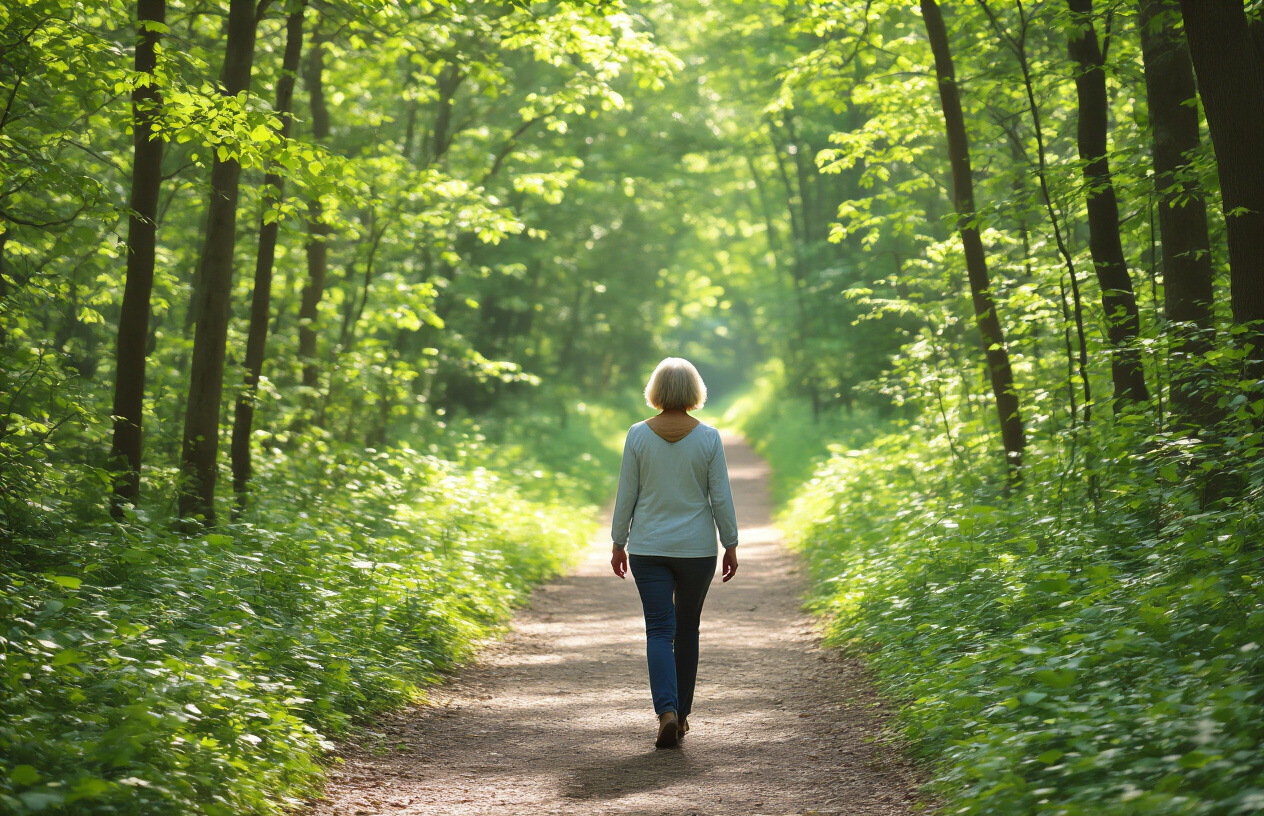
Mental and Cognitive Youth Enhancement Through Walking

Memory Improvement and Brain Volume Preservation

Your brain literally grows when you walk regularly. Research shows that aerobic exercise like walking increases the size of your hippocampus—the brain region responsible for memory formation and learning. When you commit to a walking routine, you’re essentially giving your brain a natural growth hormone that keeps it young and sharp.

Walking pumps oxygen-rich blood to your brain, delivering essential nutrients that support neuroplasticity. This means your brain stays flexible and capable of forming new neural connections throughout your life. You’ll notice improvements in your working memory, which helps you hold and manipulate information in real-time. Tasks like remembering phone numbers, following complex directions, or juggling multiple thoughts become easier.

The walking health benefits extend to protecting against age-related brain shrinkage. While sedentary adults typically lose brain volume as they age, regular walkers maintain larger brain structures well into their golden years. Your prefrontal cortex, which controls executive functions like decision-making and planning, stays more robust when you walk consistently.

Studies reveal that people who walk regularly score higher on memory tests compared to their inactive peers. You’re not just preventing cognitive decline—you’re actively enhancing your brain’s performance. Even a 40-minute walk three times per week can increase hippocampal volume by 2% in just one year.

Stress Reduction and Cortisol Level Optimization

Walking acts as your body’s natural stress-relief valve. When you step outside for a walk, your cortisol levels—those harmful stress hormones—begin to drop within minutes. This hormonal reset is one of walking’s most powerful anti-aging mechanisms, as chronic elevated cortisol accelerates aging at the cellular level.

Your nervous system shifts from fight-or-flight mode to rest-and-digest mode during walking. This transition activates your parasympathetic nervous system, which promotes healing and restoration. You’ll feel your heart rate stabilize, your breathing deepen, and your muscle tension release as you find your walking rhythm.

The rhythmic, repetitive motion of walking has a meditative quality that quiets mental chatter. Your mind naturally processes daily stressors and worries during this time, helping you gain perspective and emotional clarity. Walking mental health benefits become apparent as you develop better stress management skills.

Regular walkers show significantly lower baseline cortisol levels compared to sedentary individuals. This means you’re not just reducing stress during your walk—you’re training your body to handle stress better throughout the day. Your sleep improves, your immune system strengthens, and your energy levels stabilize.

Enhanced Mood and Natural Antidepressant Effects

Walking triggers the release of endorphins, serotonin, and dopamine—your brain’s natural mood elevators. This neurochemical cocktail creates what many call a “walker’s high,” leaving you feeling energized and optimistic after each session. You’re essentially accessing nature’s anti-aging drug through your own biochemistry.

The mood-boosting effects of walking rival prescription antidepressants for mild to moderate depression. Your brain produces brain-derived neurotrophic factor (BDNF) during walking, which supports the growth and survival of neurons involved in mood regulation. Higher BDNF levels correlate with better emotional resilience and decreased anxiety.

Outdoor walking provides additional psychological benefits through exposure to natural light and fresh air. Your circadian rhythms become more balanced, leading to better sleep quality and more stable energy levels throughout the day. Seasonal affective symptoms decrease when you maintain a consistent outdoor walking routine.

Walking in nature, even for just 20 minutes, reduces rumination—those repetitive negative thoughts that contribute to depression and anxiety. Your mind shifts focus from internal worries to external surroundings, creating a natural mindfulness experience that enhances emotional well-being.

Social walking amplifies these mood benefits. When you walk with friends, family, or walking groups, you combine physical exercise with social connection—two powerful factors for maintaining youthful mental health. Your sense of community and belonging strengthens, protecting against isolation and depression that often accompany aging.

The Optimal Walking Prescription for Maximum Anti-Aging Benefits

The Optimal Walking Prescription for Maximum Anti-Aging Benefits

Daily Step Targets Backed by Scientific Research

You’ve probably heard the magical number of 10,000 steps per day, but recent research reveals a more nuanced picture for your walking prescription. Studies involving over 200,000 participants show that you can start seeing significant anti-aging benefits at just 7,000 steps daily. Your mortality risk drops by 50% when you reach this threshold compared to walking only 4,000 steps.

For your optimal walking routine focused on anti-aging, aim for these evidence-based targets:

  • Ages 18-60: 8,000-12,000 steps daily for maximum longevity benefits
  • Ages 60+: 6,000-8,000 steps daily to reduce all-cause mortality by 40-53%
  • Minimum effective dose: 4,400 steps daily to begin seeing measurable health improvements

Research from Harvard Medical School demonstrates that your step count matters more than speed for anti-aging benefits. When you consistently hit 8,000+ steps, you activate cellular repair mechanisms that slow aging at the DNA level. Your telomeres – the protective caps on chromosomes that shorten with age – actually maintain their length better with regular walking.

Intensity Levels and Walking Pace Recommendations

Your walking pace significantly influences the anti-aging benefits you receive. Moderate-intensity walking, which feels like a brisk conversation pace, provides the sweet spot for triggering your body’s rejuvenation processes.

Zone-based walking for anti-aging:

Intensity Level Pace (mph) Target Heart Rate Anti-Aging Benefits
Light 2.0-2.5 50-60% max HR Stress reduction, improved sleep
Moderate 2.5-3.5 60-70% max HR Cellular repair, inflammation reduction
Vigorous 3.5+ 70-85% max HR Growth hormone release, metabolic boost

You should spend 70% of your walking time in the moderate zone. This intensity stimulates your production of brain-derived neurotrophic factor (BDNF), which acts like fertilizer for your brain cells and supports cognitive longevity. Your breathing should be slightly elevated but comfortable enough to maintain a conversation.

Incorporate interval walking twice weekly by alternating between moderate and vigorous paces for 30-second to 2-minute intervals. This approach maximizes your body’s production of anti-aging hormones while improving cardiovascular efficiency.

Duration and Frequency Guidelines for Different Age Groups

Your walking prescription should adapt to your life stage to maximize anti-aging benefits while respecting your body’s changing needs.

Young Adults (18-35):

  • 45-60 minutes daily, 6 days per week
  • Include 2 days of vigorous-pace walking
  • Focus on building cardiovascular base for long-term health

Middle-aged Adults (36-55):

  • 30-45 minutes daily, 5-6 days per week
  • Emphasize consistency over intensity
  • Add strength-building hills or inclines 2-3 times weekly

Older Adults (55+):

  • 20-30 minutes daily, at least 5 days per week
  • Prioritize joint-friendly surfaces
  • Include balance-challenging terrain when safe

Your body adapts to walking within 2-3 weeks, so gradually increase duration by 5-10 minutes every two weeks until you reach your target. Research shows that breaking your walking into shorter sessions throughout the day provides equal anti-aging benefits to one longer session.

Indoor Versus Outdoor Walking Benefits

Your choice between indoor and outdoor walking significantly impacts the anti-aging benefits you receive. Outdoor walking provides unique advantages that enhance the prescription’s effectiveness.

Outdoor walking advantages:

  • Vitamin D synthesis supports bone health and immune function
  • Fresh air exposure improves oxygen uptake efficiency
  • Natural terrain challenges balance and proprioception
  • Exposure to phytoncides from plants boosts immune system
  • Circadian rhythm regulation through natural light exposure

Indoor walking benefits:

  • Consistent surface reduces injury risk
  • Climate control enables year-round routine
  • Treadmill data tracking for precise monitoring
  • Safety in adverse weather conditions

Your optimal anti-aging strategy combines both environments. Spend 60-70% of your walking time outdoors when weather permits, reserving indoor options for extreme conditions. Morning outdoor walks provide the greatest circadian benefits, while evening indoor sessions can help you wind down without disrupting sleep patterns.

Studies show that just 20 minutes of outdoor walking in natural settings reduces cortisol levels by 21%, while indoor walking reduces it by only 12%. Your stress hormone reduction directly impacts cellular aging, making outdoor walking a more powerful component of your walking prescription for anti-aging benefits.

Transforming Your Walking Routine into an Anti-Aging Powerhouse

Transforming Your Walking Routine into an Anti-Aging Powerhouse

Progressive walking plans for beginners to advanced

Your journey toward harnessing walking’s anti-aging benefits starts with finding the right pace for your current fitness level. If you’re new to walking for fitness, begin with a gentle 15-20 minute daily walk at a comfortable pace where you can easily hold a conversation. Your body needs time to adapt, and starting too aggressively often leads to burnout or injury.

During your first two weeks, focus on establishing consistency rather than intensity. Walk at the same time each day to build the habit, whether that’s a morning stroll before work or an evening wind-down walk. Once this feels natural, gradually increase your walking time by 5 minutes each week until you reach 30-40 minutes daily.

For intermediate walkers who already maintain a regular walking routine, it’s time to add variety and challenge. Incorporate interval training by alternating between your normal pace and faster bursts lasting 30-60 seconds. This approach supercharges your walking prescription by boosting cardiovascular fitness and metabolism. Try adding hills or inclines to engage different muscle groups and increase calorie burn.

Advanced walkers can maximize their anti-aging exercise benefits through power walking techniques. Focus on pumping your arms, taking longer strides, and maintaining a pace where conversation becomes difficult. Aim for 45-60 minutes of walking most days, including at least two sessions weekly that push your heart rate into the moderate-to-vigorous intensity zone.

Track your progress using the talk test: easy walking allows normal conversation, moderate walking permits short sentences, and vigorous walking makes talking challenging. This simple method helps you gauge intensity without expensive equipment.

Incorporating strength-building elements while walking

Transform your standard walking routine into a full-body workout by weaving strength-building activities throughout your walk. Start by perfecting your walking posture—engage your core, pull your shoulders back, and swing your arms naturally. This foundation alone activates multiple muscle groups and improves your walking efficiency.

Add bodyweight exercises at regular intervals during your walk. Every 10-15 minutes, stop for a set of squats, lunges, or push-ups against a park bench. These movement breaks boost muscle strength while keeping your heart rate elevated, amplifying your walking health benefits.

Consider carrying light hand weights (1-3 pounds) or resistance bands to add upper body conditioning. Alternate between normal walking and periods where you perform arm circles, overhead presses, or bicep curls while maintaining your pace. Be careful not to overdo it—excessive weight can throw off your natural walking gait and lead to injury.

Walking poles offer another excellent way to engage your upper body and core while providing stability on uneven terrain. The poles help you maintain proper posture and can increase calorie burn by up to 20% compared to regular walking. They’re particularly beneficial if you’re walking on trails or dealing with balance issues.

Stair climbing represents one of the most effective strength-building additions to your walking routine. Seek out stairs in your neighborhood, office building, or local park. Climbing stairs engages your glutes, quadriceps, and calves more intensely than flat-ground walking, while descending works different muscle groups and improves coordination.

Technology tools to track and optimize your walking prescription

Modern technology makes it easier than ever to monitor and optimize your walking for healthy aging routine. Start with a basic step counter or smartphone app to track daily steps, distance, and walking time. Most phones include built-in step counters, making this the most accessible starting point for tracking your progress.

Fitness trackers provide more detailed insights into your walking patterns, including heart rate monitoring, sleep quality, and recovery metrics. Look for devices that offer GPS tracking to map your routes and calculate elevation changes. Many trackers also provide guided breathing exercises and stress management tools that complement your anti-aging goals.

Heart rate monitoring helps you stay within optimal training zones for maximum health benefits. Your target heart rate during moderate walking should be 50-70% of your maximum heart rate (calculated as 220 minus your age). During more intense walking sessions, aim for 70-85% of your maximum heart rate.

Walking apps can gamify your experience and provide structured workout plans. Many offer virtual challenges, route suggestions, and social features that help maintain motivation. Some apps even provide audio coaching to guide your pace and form during walks.

GPS watches offer the most comprehensive tracking for serious walkers. These devices monitor pace, distance, elevation gain, and can even analyze your walking efficiency and suggest improvements. Advanced models include features like fall detection and emergency alerts—valuable safety tools for solo walkers.

Consider using a simple walking journal alongside technology tools. Record how you feel before and after walks, note weather conditions, and track any physical improvements you notice. This combination of objective data and subjective feedback provides the clearest picture of your walking prescription’s effectiveness in supporting your longevity goals.
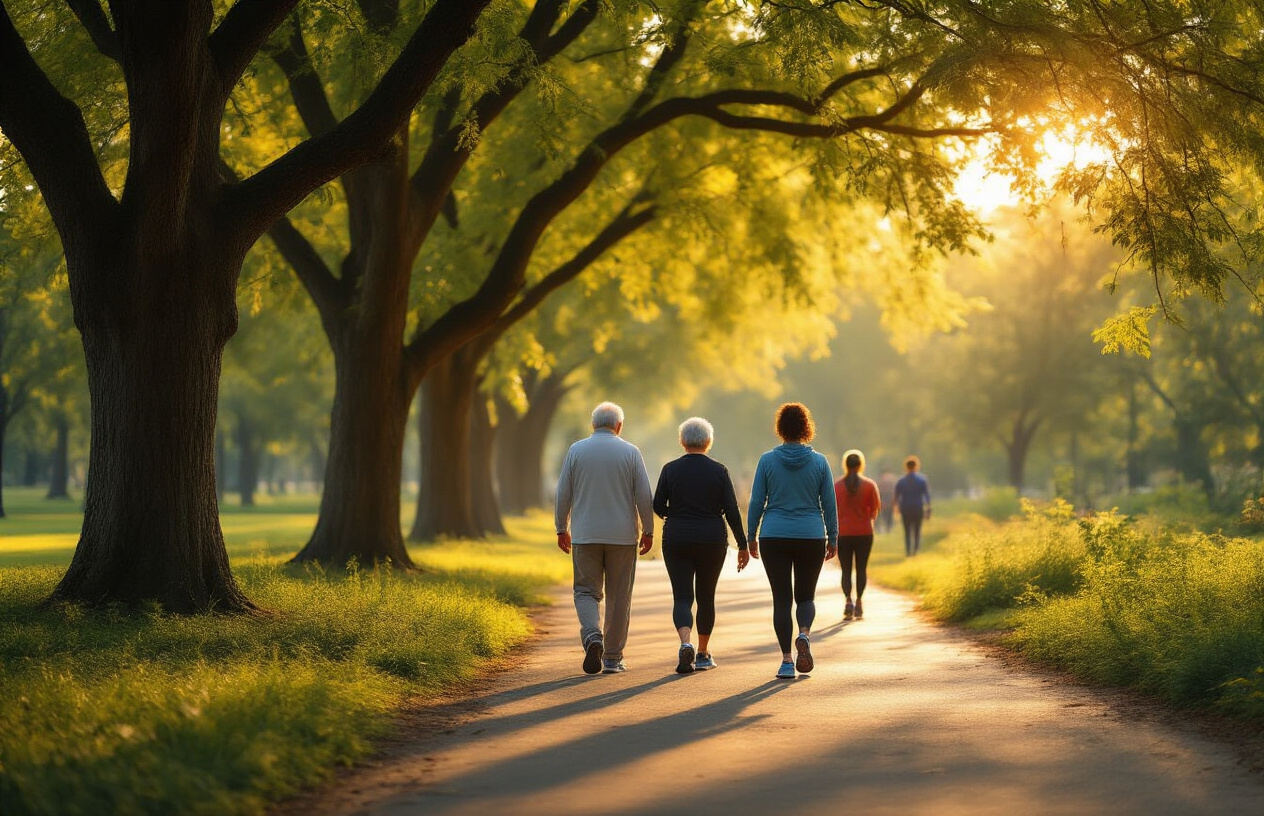
conclusion

Your daily walk isn’t just exercise – it’s your body’s natural fountain of youth. The science shows that every step you take actively fights aging at the cellular level, boosting your cardiovascular health, strengthening your muscles, and keeping your bones dense. Your brain gets an equally powerful upgrade, with walking sharpening your memory, lifting your mood, and protecting against cognitive decline that often comes with age.

The beauty of this anti-aging prescription lies in its simplicity. You don’t need expensive treatments or complicated routines – just 30 minutes of brisk walking most days can unlock these remarkable benefits. Start where you are, whether that’s a gentle stroll around the block or a more challenging hike. Make it enjoyable by exploring new routes, listening to music, or walking with friends. Your future self will thank you for every step you take today, as you’re literally walking your way to a healthier, more vibrant version of yourself.

The Walking Prescription: Why Doctors Call It Nature’s Anti-Aging Drug

Table of Contents

Your doctor might be onto something when they recommend walking as the simplest path to staying young. This isn’t just another fitness trend—walking for anti-aging has solid science backing its reputation as nature’s anti-aging drug.

This guide is for anyone who wants to slow down Father Time without expensive treatments or complicated workout routines. You’ll discover why a simple walking prescription can be more powerful than many anti-aging supplements on the market.

We’ll explore the fascinating science that shows how your daily steps trigger cellular repair and renewal processes. You’ll also learn the exact walking health benefits that keep your mind sharp and your mood stable as you age. Finally, we’ll break down the optimal walking routine that maximizes these anti-aging effects, so you can turn your neighborhood stroll into your personal fountain of youth.

The Science Behind Walking’s Anti-Aging Powers

The Science Behind Walking's Anti-Aging Powers

How walking triggers cellular regeneration at the molecular level

Your body operates like a sophisticated repair factory, constantly breaking down old cells and building new ones. When you walk regularly, you’re essentially pressing the accelerator on this cellular renewal process. Each step you take sends mechanical signals throughout your body that activate what scientists call mechanotransduction – your cells literally respond to the physical movement by ramping up their regenerative programs.

Walking stimulates autophagy, your body’s cellular housekeeping system that clears out damaged proteins and organelles. Think of it as your internal recycling program getting supercharged. This process becomes increasingly important as you age because cellular debris accumulates over time, leading to dysfunction and aging. When you walk for just 30 minutes, you’re triggering autophagy pathways that can continue working for hours after you’ve finished your walk.

Your muscles release powerful signaling molecules called myokines during walking. These protein messengers travel through your bloodstream, reaching organs throughout your body and instructing them to begin repair processes. One particularly important myokine, irisin, transforms white fat cells into brown fat cells that burn more energy and produce beneficial proteins. Another, called brain-derived neurotrophic factor (BDNF), promotes the growth of new brain cells and strengthens existing neural connections.

The role of walking in boosting mitochondrial function

Your mitochondria are the powerhouses of your cells, and walking for anti-aging works by dramatically improving their function and number. These tiny organelles determine how energetic you feel and how well your body resists aging. When you walk regularly, you’re essentially training your mitochondria to become more efficient energy producers.

Walking triggers mitochondrial biogenesis – the creation of brand new mitochondria within your cells. This process is controlled by a master regulator called PGC-1α, which becomes highly active during and after walking sessions. Your existing mitochondria also become more efficient, developing better capacity to use oxygen and produce ATP, your body’s primary energy currency.

The walking prescription becomes even more powerful when you consider mitochondrial quality control. Walking activates proteins that identify and remove damaged mitochondria while promoting the replication of healthy ones. This quality control system, called mitophagy, ensures your cellular power plants operate at peak efficiency. Poor mitochondrial function is linked to virtually every age-related disease, making this walking health benefit particularly significant for healthy aging.

Walking’s impact on telomere length and genetic aging markers

Your chromosomes have protective caps called telomeres that shorten each time your cells divide. These biological timekeepers provide a direct measure of cellular aging, and walking has been shown to significantly slow their shortening process. Research reveals that people who walk regularly have telomeres that are biologically younger than their sedentary counterparts.

Walking reduces chronic inflammation, which accelerates telomere shortening. The anti-inflammatory effects of regular walking protect your telomeres from oxidative stress and inflammatory damage. Your body produces fewer inflammatory cytokines like IL-6 and TNF-alpha when you maintain a consistent walking routine, creating an internal environment that supports telomere preservation.

Epigenetic changes represent another layer of walking’s anti-aging power. Your genes don’t change, but walking influences how they’re expressed through modifications to DNA methylation patterns. These changes can effectively turn on genes that promote longevity while silencing those associated with aging and disease. Walking literally rewrites your genetic expression profile to favor youthful cellular function.

Research-backed evidence from longevity studies

Large-scale population studies consistently demonstrate walking’s profound impact on lifespan and healthspan. The Nurses’ Health Study, following over 120,000 women for decades, found that those who walked briskly for 2.5 hours per week reduced their risk of death by 20% compared to inactive women. Even more impressive, walking just 75 minutes weekly provided significant longevity benefits.

Blue Zone research reveals that the world’s longest-lived populations share one common trait: they walk extensively as part of their daily lives. Sardinians walking mountain terrain, Okinawans gardening on foot, and Costa Ricans walking to work all demonstrate how this simple activity contributes to exceptional longevity. These populations don’t perform intense exercise routines – they simply walk consistently throughout their lives.

The Harvard Health Professionals Follow-up Study tracked 44,000 men for over 20 years, revealing that those who walked at least 30 minutes daily had a 18% lower risk of coronary heart disease. Even more compelling, men who increased their walking distance during the study period experienced immediate health improvements, proving it’s never too late to start reaping walking’s anti-aging benefits.

Biomarker studies show walking’s measurable effects on aging at the molecular level. Regular walkers have lower levels of advanced glycation end products (AGEs), reduced oxidative stress markers, and improved insulin sensitivity – all indicators of slower biological aging. Their blood profiles consistently show markers associated with younger biological age compared to their chronological years.

Walking’s Direct Impact on Physical Health and Vitality


Cardiovascular Benefits That Reverse Heart Aging

Your heart doesn’t have to surrender to time’s relentless march. When you walk regularly, you’re literally rewiring your cardiovascular system to function like a younger version of itself. The magic happens at the cellular level – your heart muscle strengthens, your blood vessels become more flexible, and your entire circulation system gets a complete makeover.

Walking triggers your body to produce nitric oxide, a powerful compound that keeps your arteries smooth and elastic. Think of it as nature’s own anti-aging cream for your blood vessels. Your resting heart rate drops as your heart becomes more efficient, pumping more blood with each beat. Blood pressure readings that once made you wince start moving into healthier ranges.

The real game-changer? Your body begins developing collateral circulation – essentially creating backup highways for blood flow. This natural bypass system protects you against future heart problems and dramatically reduces your risk of heart disease by up to 35%.

Improved Balance and Fall Prevention

Your balance system is like a three-legged stool – it relies on your vision, inner ear, and proprioception (your body’s awareness of where it is in space). Walking strengthens all three legs simultaneously, creating a stability foundation that keeps you upright and confident.

Every step you take challenges your balance in subtle ways. Your brain constantly adjusts to changes in terrain, wind resistance, and shifting weight. This ongoing calibration keeps your reflexes sharp and your stability muscles engaged. Regular walkers show remarkable improvements in:

  • Reaction time when stepping on uneven surfaces
  • Ankle strength that prevents dangerous wobbles
  • Core stability that keeps you centered
  • Spatial awareness that helps you navigate obstacles

The statistics speak volumes: adults who walk regularly are 40% less likely to experience serious falls compared to sedentary individuals.

Bone Density Improvement and Osteoporosis Prevention

Your bones are living tissues that respond to the demands you place on them. Walking provides the perfect stimulus – it’s weight-bearing enough to trigger bone-building activity without the harsh impact that could cause injury.

Each step sends gentle stress signals through your skeletal system. Your bones interpret these signals as a need to become stronger and denser. The process is remarkably efficient: weight-bearing exercise like walking can increase bone density by 1-3% annually, while sedentary lifestyles typically result in 1-2% annual bone loss after age 30.

Your hip bones, spine, and legs receive the most benefit from walking. These are precisely the areas most vulnerable to osteoporotic fractures later in life. By walking consistently, you’re building a bone bank account that pays dividends for decades.

Muscle Mass Preservation and Strength Maintenance

Starting around age 30, you naturally lose 3-8% of your muscle mass each decade. Walking acts as a preservation system for your muscle tissue, particularly in your lower body where age-related losses tend to be most dramatic.

Walking engages multiple muscle groups simultaneously. Your glutes, quadriceps, hamstrings, and calves all work together to propel you forward. Your core muscles stabilize your torso, while your arms and shoulders contribute to your walking rhythm. This full-body engagement maintains functional strength that translates directly to daily activities.

The beauty of walking for muscle preservation lies in its sustainability. You can walk well into your 90s, continuously providing your muscles with the stimulus they need to stay strong and functional.

Enhanced Metabolism and Weight Management

Walking transforms your body into a more efficient energy-burning machine. The metabolic benefits extend far beyond the calories you burn during your actual walk. Regular walking increases your muscle mass, and since muscle tissue burns more calories at rest than fat tissue, your baseline metabolism gets a permanent upgrade.

Your body becomes better at using fat for fuel, shifting from relying heavily on stored carbohydrates to efficiently burning stored fat. This metabolic flexibility is a hallmark of youth that walking helps restore. Walking also improves insulin sensitivity, helping your body process sugars more effectively and reducing fat storage around your midsection.

The compound effect is remarkable: consistent walkers maintain healthier body weights, lower body fat percentages, and more stable blood sugar levels throughout their lives.

Mental and Cognitive Youth Enhancement Through Walking

Mental and Cognitive Youth Enhancement Through Walking

Memory Improvement and Brain Volume Preservation

Your brain literally grows when you walk regularly. Research shows that aerobic exercise like walking increases the size of your hippocampus—the brain region responsible for memory formation and learning. When you commit to a walking routine, you’re essentially giving your brain a natural growth hormone that keeps it young and sharp.

Walking pumps oxygen-rich blood to your brain, delivering essential nutrients that support neuroplasticity. This means your brain stays flexible and capable of forming new neural connections throughout your life. You’ll notice improvements in your working memory, which helps you hold and manipulate information in real-time. Tasks like remembering phone numbers, following complex directions, or juggling multiple thoughts become easier.

The walking health benefits extend to protecting against age-related brain shrinkage. While sedentary adults typically lose brain volume as they age, regular walkers maintain larger brain structures well into their golden years. Your prefrontal cortex, which controls executive functions like decision-making and planning, stays more robust when you walk consistently.

Studies reveal that people who walk regularly score higher on memory tests compared to their inactive peers. You’re not just preventing cognitive decline—you’re actively enhancing your brain’s performance. Even a 40-minute walk three times per week can increase hippocampal volume by 2% in just one year.

Stress Reduction and Cortisol Level Optimization

Walking acts as your body’s natural stress-relief valve. When you step outside for a walk, your cortisol levels—those harmful stress hormones—begin to drop within minutes. This hormonal reset is one of walking’s most powerful anti-aging mechanisms, as chronic elevated cortisol accelerates aging at the cellular level.

Your nervous system shifts from fight-or-flight mode to rest-and-digest mode during walking. This transition activates your parasympathetic nervous system, which promotes healing and restoration. You’ll feel your heart rate stabilize, your breathing deepen, and your muscle tension release as you find your walking rhythm.

The rhythmic, repetitive motion of walking has a meditative quality that quiets mental chatter. Your mind naturally processes daily stressors and worries during this time, helping you gain perspective and emotional clarity. Walking mental health benefits become apparent as you develop better stress management skills.

Regular walkers show significantly lower baseline cortisol levels compared to sedentary individuals. This means you’re not just reducing stress during your walk—you’re training your body to handle stress better throughout the day. Your sleep improves, your immune system strengthens, and your energy levels stabilize.

Enhanced Mood and Natural Antidepressant Effects

Walking triggers the release of endorphins, serotonin, and dopamine—your brain’s natural mood elevators. This neurochemical cocktail creates what many call a “walker’s high,” leaving you feeling energized and optimistic after each session. You’re essentially accessing nature’s anti-aging drug through your own biochemistry.

The mood-boosting effects of walking rival prescription antidepressants for mild to moderate depression. Your brain produces brain-derived neurotrophic factor (BDNF) during walking, which supports the growth and survival of neurons involved in mood regulation. Higher BDNF levels correlate with better emotional resilience and decreased anxiety.

Outdoor walking provides additional psychological benefits through exposure to natural light and fresh air. Your circadian rhythms become more balanced, leading to better sleep quality and more stable energy levels throughout the day. Seasonal affective symptoms decrease when you maintain a consistent outdoor walking routine.

Walking in nature, even for just 20 minutes, reduces rumination—those repetitive negative thoughts that contribute to depression and anxiety. Your mind shifts focus from internal worries to external surroundings, creating a natural mindfulness experience that enhances emotional well-being.

Social walking amplifies these mood benefits. When you walk with friends, family, or walking groups, you combine physical exercise with social connection—two powerful factors for maintaining youthful mental health. Your sense of community and belonging strengthens, protecting against isolation and depression that often accompany aging.

The Optimal Walking Prescription for Maximum Anti-Aging Benefits

The Optimal Walking Prescription for Maximum Anti-Aging Benefits

Daily Step Targets Backed by Scientific Research

You’ve probably heard the magical number of 10,000 steps per day, but recent research reveals a more nuanced picture for your walking prescription. Studies involving over 200,000 participants show that you can start seeing significant anti-aging benefits at just 7,000 steps daily. Your mortality risk drops by 50% when you reach this threshold compared to walking only 4,000 steps.

For your optimal walking routine focused on anti-aging, aim for these evidence-based targets:

  • Ages 18-60: 8,000-12,000 steps daily for maximum longevity benefits
  • Ages 60+: 6,000-8,000 steps daily to reduce all-cause mortality by 40-53%
  • Minimum effective dose: 4,400 steps daily to begin seeing measurable health improvements

Research from Harvard Medical School demonstrates that your step count matters more than speed for anti-aging benefits. When you consistently hit 8,000+ steps, you activate cellular repair mechanisms that slow aging at the DNA level. Your telomeres – the protective caps on chromosomes that shorten with age – actually maintain their length better with regular walking.

Intensity Levels and Walking Pace Recommendations

Your walking pace significantly influences the anti-aging benefits you receive. Moderate-intensity walking, which feels like a brisk conversation pace, provides the sweet spot for triggering your body’s rejuvenation processes.

Zone-based walking for anti-aging:

Intensity Level Pace (mph) Target Heart Rate Anti-Aging Benefits
Light 2.0-2.5 50-60% max HR Stress reduction, improved sleep
Moderate 2.5-3.5 60-70% max HR Cellular repair, inflammation reduction
Vigorous 3.5+ 70-85% max HR Growth hormone release, metabolic boost

You should spend 70% of your walking time in the moderate zone. This intensity stimulates your production of brain-derived neurotrophic factor (BDNF), which acts like fertilizer for your brain cells and supports cognitive longevity. Your breathing should be slightly elevated but comfortable enough to maintain a conversation.

Incorporate interval walking twice weekly by alternating between moderate and vigorous paces for 30-second to 2-minute intervals. This approach maximizes your body’s production of anti-aging hormones while improving cardiovascular efficiency.

Duration and Frequency Guidelines for Different Age Groups

Your walking prescription should adapt to your life stage to maximize anti-aging benefits while respecting your body’s changing needs.

Young Adults (18-35):

  • 45-60 minutes daily, 6 days per week
  • Include 2 days of vigorous-pace walking
  • Focus on building cardiovascular base for long-term health

Middle-aged Adults (36-55):

  • 30-45 minutes daily, 5-6 days per week
  • Emphasize consistency over intensity
  • Add strength-building hills or inclines 2-3 times weekly

Older Adults (55+):

  • 20-30 minutes daily, at least 5 days per week
  • Prioritize joint-friendly surfaces
  • Include balance-challenging terrain when safe

Your body adapts to walking within 2-3 weeks, so gradually increase duration by 5-10 minutes every two weeks until you reach your target. Research shows that breaking your walking into shorter sessions throughout the day provides equal anti-aging benefits to one longer session.

Indoor Versus Outdoor Walking Benefits

Your choice between indoor and outdoor walking significantly impacts the anti-aging benefits you receive. Outdoor walking provides unique advantages that enhance the prescription’s effectiveness.

Outdoor walking advantages:

  • Vitamin D synthesis supports bone health and immune function
  • Fresh air exposure improves oxygen uptake efficiency
  • Natural terrain challenges balance and proprioception
  • Exposure to phytoncides from plants boosts immune system
  • Circadian rhythm regulation through natural light exposure

Indoor walking benefits:

  • Consistent surface reduces injury risk
  • Climate control enables year-round routine
  • Treadmill data tracking for precise monitoring
  • Safety in adverse weather conditions

Your optimal anti-aging strategy combines both environments. Spend 60-70% of your walking time outdoors when weather permits, reserving indoor options for extreme conditions. Morning outdoor walks provide the greatest circadian benefits, while evening indoor sessions can help you wind down without disrupting sleep patterns.

Studies show that just 20 minutes of outdoor walking in natural settings reduces cortisol levels by 21%, while indoor walking reduces it by only 12%. Your stress hormone reduction directly impacts cellular aging, making outdoor walking a more powerful component of your walking prescription for anti-aging benefits.

Transforming Your Walking Routine into an Anti-Aging Powerhouse

Transforming Your Walking Routine into an Anti-Aging Powerhouse

Progressive walking plans for beginners to advanced

Your journey toward harnessing walking’s anti-aging benefits starts with finding the right pace for your current fitness level. If you’re new to walking for fitness, begin with a gentle 15-20 minute daily walk at a comfortable pace where you can easily hold a conversation. Your body needs time to adapt, and starting too aggressively often leads to burnout or injury.

During your first two weeks, focus on establishing consistency rather than intensity. Walk at the same time each day to build the habit, whether that’s a morning stroll before work or an evening wind-down walk. Once this feels natural, gradually increase your walking time by 5 minutes each week until you reach 30-40 minutes daily.

For intermediate walkers who already maintain a regular walking routine, it’s time to add variety and challenge. Incorporate interval training by alternating between your normal pace and faster bursts lasting 30-60 seconds. This approach supercharges your walking prescription by boosting cardiovascular fitness and metabolism. Try adding hills or inclines to engage different muscle groups and increase calorie burn.

Advanced walkers can maximize their anti-aging exercise benefits through power walking techniques. Focus on pumping your arms, taking longer strides, and maintaining a pace where conversation becomes difficult. Aim for 45-60 minutes of walking most days, including at least two sessions weekly that push your heart rate into the moderate-to-vigorous intensity zone.

Track your progress using the talk test: easy walking allows normal conversation, moderate walking permits short sentences, and vigorous walking makes talking challenging. This simple method helps you gauge intensity without expensive equipment.

Incorporating strength-building elements while walking

Transform your standard walking routine into a full-body workout by weaving strength-building activities throughout your walk. Start by perfecting your walking posture—engage your core, pull your shoulders back, and swing your arms naturally. This foundation alone activates multiple muscle groups and improves your walking efficiency.

Add bodyweight exercises at regular intervals during your walk. Every 10-15 minutes, stop for a set of squats, lunges, or push-ups against a park bench. These movement breaks boost muscle strength while keeping your heart rate elevated, amplifying your walking health benefits.

Consider carrying light hand weights (1-3 pounds) or resistance bands to add upper body conditioning. Alternate between normal walking and periods where you perform arm circles, overhead presses, or bicep curls while maintaining your pace. Be careful not to overdo it—excessive weight can throw off your natural walking gait and lead to injury.

Walking poles offer another excellent way to engage your upper body and core while providing stability on uneven terrain. The poles help you maintain proper posture and can increase calorie burn by up to 20% compared to regular walking. They’re particularly beneficial if you’re walking on trails or dealing with balance issues.

Stair climbing represents one of the most effective strength-building additions to your walking routine. Seek out stairs in your neighborhood, office building, or local park. Climbing stairs engages your glutes, quadriceps, and calves more intensely than flat-ground walking, while descending works different muscle groups and improves coordination.

Technology tools to track and optimize your walking prescription

Modern technology makes it easier than ever to monitor and optimize your walking for healthy aging routine. Start with a basic step counter or smartphone app to track daily steps, distance, and walking time. Most phones include built-in step counters, making this the most accessible starting point for tracking your progress.

Fitness trackers provide more detailed insights into your walking patterns, including heart rate monitoring, sleep quality, and recovery metrics. Look for devices that offer GPS tracking to map your routes and calculate elevation changes. Many trackers also provide guided breathing exercises and stress management tools that complement your anti-aging goals.

Heart rate monitoring helps you stay within optimal training zones for maximum health benefits. Your target heart rate during moderate walking should be 50-70% of your maximum heart rate (calculated as 220 minus your age). During more intense walking sessions, aim for 70-85% of your maximum heart rate.

Walking apps can gamify your experience and provide structured workout plans. Many offer virtual challenges, route suggestions, and social features that help maintain motivation. Some apps even provide audio coaching to guide your pace and form during walks.

GPS watches offer the most comprehensive tracking for serious walkers. These devices monitor pace, distance, elevation gain, and can even analyze your walking efficiency and suggest improvements. Advanced models include features like fall detection and emergency alerts—valuable safety tools for solo walkers.

Consider using a simple walking journal alongside technology tools. Record how you feel before and after walks, note weather conditions, and track any physical improvements you notice. This combination of objective data and subjective feedback provides the clearest picture of your walking prescription’s effectiveness in supporting your longevity goals.

conclusion

Your daily walk isn’t just exercise – it’s your body’s natural fountain of youth. The science shows that every step you take actively fights aging at the cellular level, boosting your cardiovascular health, strengthening your muscles, and keeping your bones dense. Your brain gets an equally powerful upgrade, with walking sharpening your memory, lifting your mood, and protecting against cognitive decline that often comes with age.

The beauty of this anti-aging prescription lies in its simplicity. You don’t need expensive treatments or complicated routines – just 30 minutes of brisk walking most days can unlock these remarkable benefits. Start where you are, whether that’s a gentle stroll around the block or a more challenging hike. Make it enjoyable by exploring new routes, listening to music, or walking with friends. Your future self will thank you for every step you take today, as you’re literally walking your way to a healthier, more vibrant version of yourself.

No Affiliate Products found.

Related Blog