
EverWise Health

<--Awin verification 001-->

The Ultimate Guide to Vitamin C for Healthy Ageing

Vitamin C isn’t just for fighting off colds – it’s one of your strongest allies in the battle against ageing. This powerful antioxidant works behind the scenes to keep your skin glowing, your immune system sharp, and your body functioning at its best as the years go by.

This guide is perfect for anyone over 50 who wants to age gracefully, health-conscious adults looking to boost their anti-ageing routine, and those curious about whether they’re getting enough of this vital nutrient. You’ll also find practical advice if you’re caring for elderly parents or relatives.

We’ll start by exploring how vitamin C actually fights the ageing process at a cellular level and why your body needs more of it as you get older. Then we’ll dive into the key health benefits that matter most to mature adults – from protecting your heart and bones to keeping your brain sharp. Finally, we’ll tackle the practical stuff: how much you actually need, whether natural vitamin C sources beat supplements, and the common mistakes that could be sabotaging your efforts.

Ready to discover how this simple vitamin can transform your approach to healthy ageing? Let’s get started.

Understanding Vitamin C’s Anti-Ageing Properties
Understanding Vitamin C's Anti-Ageing Properties

How Vitamin C Combats Free Radical Damage

Vitamin C for ageing works as one of nature’s most powerful antioxidants, neutralising harmful free radicals before they can damage your cells. Free radicals are unstable molecules that steal electrons from healthy cells, creating a cascade of cellular damage linked to premature ageing, wrinkles, and age-related diseases.

When free radicals attack your skin and organs, they break down essential proteins and damage DNA. Ascorbic acid anti-ageing properties come from its ability to donate electrons to these unstable molecules, effectively stopping the chain reaction of cellular destruction. This protective mechanism becomes increasingly important as we age, since our bodies naturally produce fewer antioxidants whilst simultaneously generating more free radicals.

Research shows that adequate vitamin C levels can reduce oxidative stress by up to 30%, significantly slowing down the visible and internal signs of ageing. The vitamin works particularly well alongside other antioxidants like vitamin E and selenium, creating a comprehensive defence system against cellular damage.

The Role of Collagen Synthesis in Skin Health

Collagen production relies entirely on vitamin C, making this nutrient absolutely essential for maintaining youthful, resilient skin. Without sufficient vitamin C, your body cannot properly form the triple helix structure that gives collagen its strength and elasticity.

As we age, collagen production naturally decreases by about 1% per year after age 30. Vitamin C benefits for seniors include supporting the enzymes responsible for collagen synthesis – specifically prolyl hydroxylase and lysyl hydroxylase. These enzymes require vitamin C as a cofactor to create stable collagen fibres that keep skin firm, smooth, and wrinkle-free.

Studies demonstrate that people with higher vitamin C intake show significantly fewer wrinkles and better skin texture compared to those with deficient levels. The vitamin also helps repair existing collagen damage, making it crucial for wound healing and maintaining skin integrity as we age.

Cellular Repair and Regeneration Benefits

Vitamin C for healthy ageing extends far beyond skin deep, supporting cellular repair mechanisms throughout your entire body. The vitamin plays a vital role in DNA repair, helping cells fix damage caused by environmental toxins, stress, and natural metabolic processes.

At the cellular level, vitamin C supports mitochondrial function – the powerhouses of your cells that generate energy. Healthy mitochondria mean better cellular energy production, improved organ function, and enhanced overall vitality. This becomes particularly important for older adults, as mitochondrial dysfunction contributes to fatigue, muscle weakness, and cognitive decline.

The vitamin also supports the immune system’s ability to identify and eliminate damaged or potentially cancerous cells, acting as a guardian against age-related diseases. Regular vitamin C intake helps maintain the integrity of cell membranes, protecting the delicate structures that keep cells functioning optimally.

Protection Against UV-Induced Ageing

Sun exposure remains the primary cause of premature skin ageing, but vitamin C provides remarkable protection against UV-induced damage. While it doesn’t replace sunscreen, anti-ageing vitamin C offers additional defence by neutralising the free radicals generated when UV rays penetrate your skin.

Topical vitamin C applications can reduce UV damage by up to 20%, whilst dietary vitamin C provides systemic protection. The vitamin helps prevent the breakdown of existing collagen caused by sun exposure and supports the repair of photoaged skin.

Research indicates that people with higher vitamin C levels show less sun damage, fewer age spots, and better recovery from UV exposure. The protective effects are cumulative – consistent vitamin C intake over time builds a reservoir of antioxidant protection that helps maintain youthful skin despite daily sun exposure.

Key Health Benefits for Mature Adults

Key Health Benefits for Mature Adults

Boosting Immune System Function

Your immune system naturally weakens as you age, making vitamin C benefits for seniors particularly valuable. This powerful antioxidant acts as your body’s first line of defence, stimulating white blood cell production and enhancing their effectiveness against infections and viruses.

Research shows that older adults with adequate vitamin C levels experience fewer respiratory infections and recover more quickly when illness strikes. The vitamin supports both innate and adaptive immunity, helping your body recognise and remember threats more effectively. For mature adults, maintaining optimal vitamin C levels can mean the difference between frequent illness and robust health throughout the golden years.

Daily vitamin C intake helps maintain the integrity of your skin barrier, your body’s largest immune organ. This protection becomes increasingly important as skin naturally thins with age, making proper vitamin C for ageing support essential for maintaining natural defences.

Supporting Cardiovascular Health

Anti-ageing vitamin C plays a crucial role in maintaining heart health, particularly for those over 50. The vitamin strengthens blood vessel walls by supporting collagen production, keeping arteries flexible and reducing the risk of cardiovascular disease.

Regular vitamin C consumption helps lower blood pressure by improving endothelial function – the inner lining of blood vessels. This effect becomes more pronounced in older adults, where arterial stiffness typically increases with age. Studies demonstrate that people with higher vitamin C levels show reduced risk of heart disease and stroke.

The antioxidant properties of vitamin C protect LDL cholesterol from oxidation, preventing the formation of arterial plaques that can lead to heart attacks. For mature adults managing existing cardiovascular conditions, adequate vitamin C intake supports overall heart health and may complement prescribed treatments.

Enhancing Iron Absorption for Better Energy

Fatigue often increases with age, frequently due to iron deficiency that becomes more common in older adults. Vitamin C dramatically improves iron absorption from plant-based foods, converting iron into a more readily absorbed form in your digestive system.

Taking vitamin C with iron-rich meals can increase absorption by up to 300%, making it particularly beneficial for vegetarians or those with mild iron deficiency. This enhanced absorption translates to better oxygen transport throughout your body, resulting in improved energy levels and reduced fatigue.

For seniors taking iron supplements, combining them with vitamin C maximises effectiveness whilst potentially reducing gastrointestinal side effects. This partnership becomes especially important as stomach acid production naturally decreases with age, making iron absorption more challenging.

Reducing Inflammation Throughout the Body

Chronic inflammation accelerates ageing and contributes to numerous age-related diseases. Vitamin C acts as a powerful anti-inflammatory agent, helping to neutralise free radicals that trigger inflammatory responses throughout your body.

The vitamin helps regulate inflammatory markers like C-reactive protein, which tends to increase with age. Regular vitamin C intake can help maintain these markers within healthier ranges, potentially reducing risk of conditions like arthritis, diabetes, and cardiovascular disease.

For older adults experiencing joint discomfort or other inflammatory conditions, adequate vitamin C supports the body’s natural healing processes. The vitamin also aids in producing anti-inflammatory compounds that help your body manage stress and recover from daily wear and tear.

Protecting Cognitive Function and Memory

Brain health becomes a primary concern as we age, and vitamin C offers significant neuroprotective benefits. The vitamin crosses the blood-brain barrier, where it protects neurons from oxidative damage and supports healthy brain function.

Research indicates that people with higher vitamin C levels show better cognitive performance and reduced risk of dementia. The vitamin supports neurotransmitter production, including dopamine and norepinephrine, which are essential for mood regulation and mental clarity.

Vitamin C also helps maintain the blood-brain barrier’s integrity, preventing harmful substances from entering brain tissue. For mature adults concerned about cognitive decline, maintaining optimal vitamin C levels through diet and supplements can be a valuable strategy for preserving mental sharpness and memory function well into later years.

Optimal Dosage and Timing Strategies
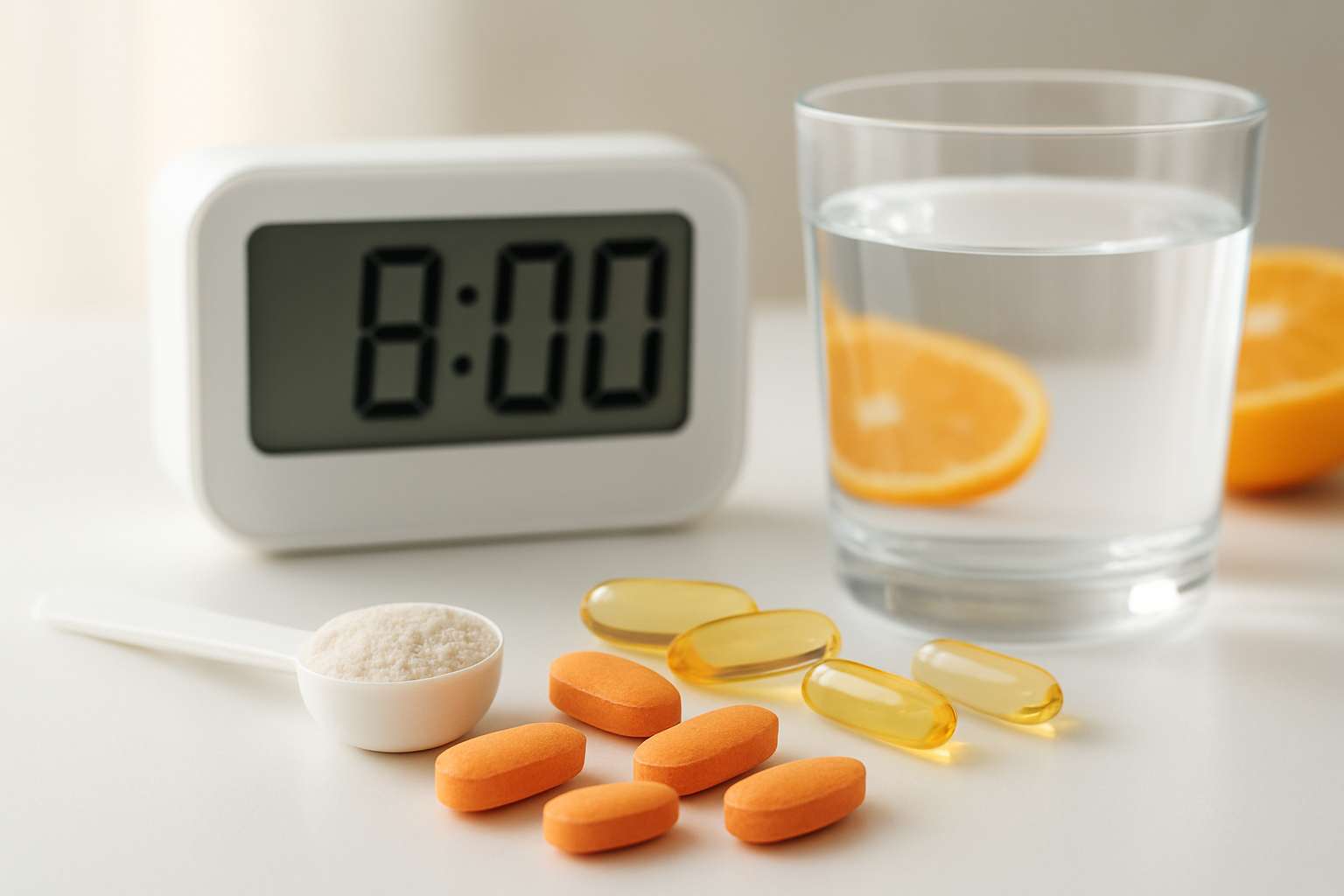
Optimal Dosage and Timing Strategies

Recommended Daily Amounts for Different Age Groups

Vitamin C dosage for older adults varies significantly based on age, gender, and individual health factors. Adults aged 65 and over typically require higher amounts than younger individuals due to decreased absorption efficiency and increased oxidative stress.

Age Group Men (mg/day) Women (mg/day) Smokers (additional mg)
51-70 years 90 75 +35
71+ years 90 75 +35
Therapeutic doses 200-500 200-500 +35

Seniors may benefit from therapeutic doses ranging from 200-500mg daily, particularly those managing chronic conditions or experiencing high stress levels. These amounts support collagen synthesis, immune function, and cellular repair processes that become less efficient with age.

Smokers and those exposed to environmental pollutants require an additional 35mg daily due to increased free radical damage. People taking certain medications, including blood thinners or iron supplements, should consult healthcare providers before adjusting their vitamin C for ageing regimen.

Best Times to Take Vitamin C for Maximum Absorption

The human body absorbs vitamin C most effectively when taken on an empty stomach, typically 30 minutes before meals or two hours after eating. Morning consumption works particularly well as cortisol levels are naturally higher, which can enhance absorption.

Taking vitamin C with meals reduces absorption rates by approximately 10-15%, but this approach minimises potential stomach upset, especially important for seniors with sensitive digestive systems. The trade-off between maximum absorption and digestive comfort often favours taking supplements with food for mature adults.

Vitamin C absorption tips include avoiding caffeine and alcohol within two hours of supplementation, as these substances can interfere with uptake. Iron-rich foods actually enhance vitamin C absorption, making post-meal timing beneficial when consuming iron-containing meals.

The body’s absorption capacity peaks at around 200mg per dose, with efficiency declining sharply beyond this amount. This natural limitation makes timing strategies crucial for maximising the anti-ageing vitamin C benefits.

Splitting Doses Throughout the Day

The body maintains vitamin C levels for approximately 4-6 hours before excretion begins through urine. This short half-life makes divided dosing the most effective strategy for maintaining consistent blood levels throughout the day.

Optimal splitting strategies:

  • Morning dose (40%): 8-9am on empty stomach
  • Afternoon dose (35%): 2-3pm with light snack
  • Evening dose (25%): 6-7pm with dinner

This approach prevents the dramatic peaks and valleys associated with single large doses, ensuring steady vitamin C benefits for seniors throughout the day. Split dosing also reduces the risk of digestive discomfort and maximises cellular uptake.

For those taking 500mg daily, consider splitting into 200mg morning, 200mg afternoon, and 100mg evening doses. Higher therapeutic doses should be divided into three or four portions to maintain optimal blood concentrations while minimising waste through urinary excretion.

Time-release formulations can provide an alternative to manual dose splitting, though they may be less predictable in absorption rates, particularly in seniors with varying digestive transit times.

Natural Food Sources vs Supplements
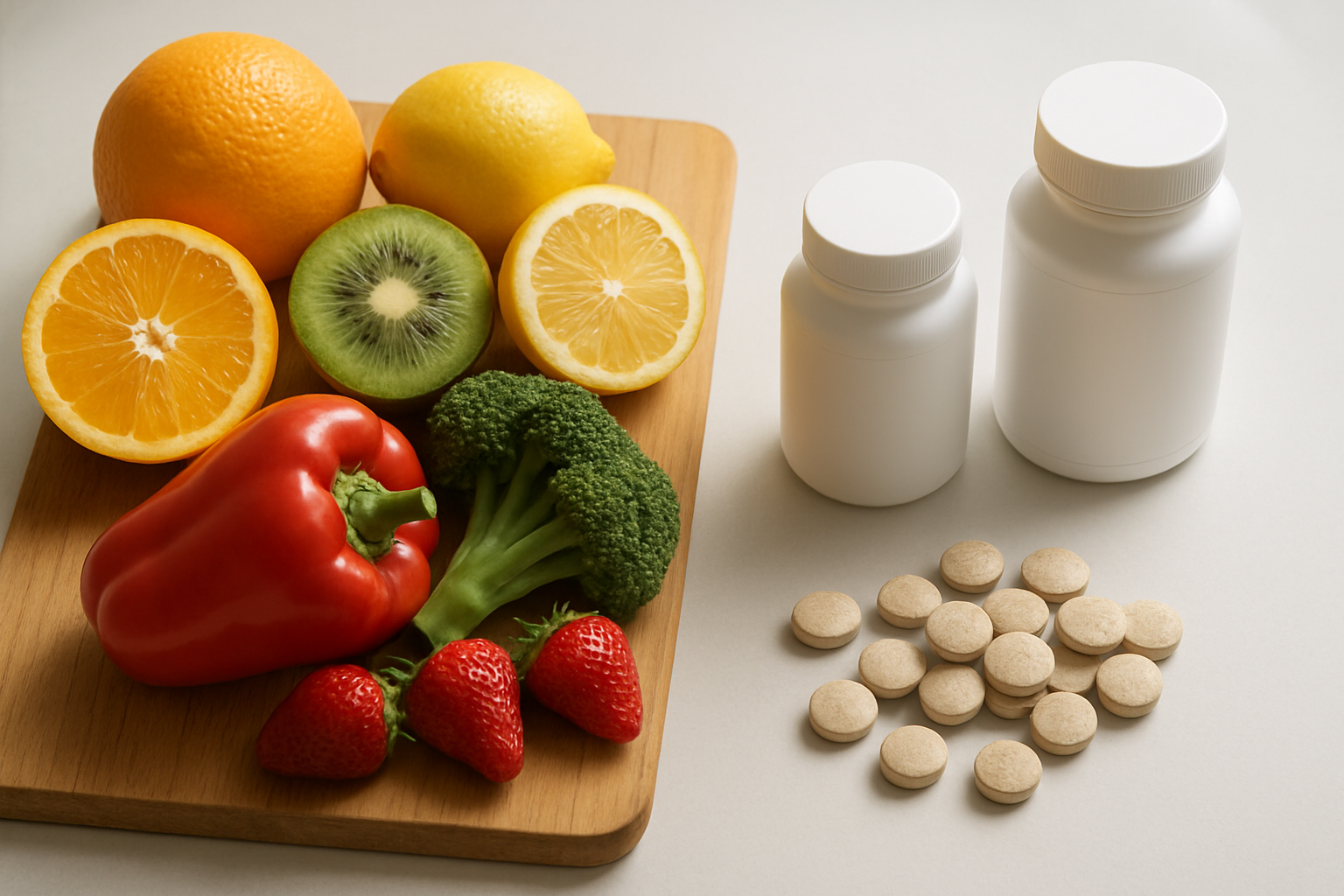
Natural Food Sources vs Supplements

Top Vitamin C-Rich Foods for Daily Consumption

Getting your daily dose of vitamin C from natural food sources offers distinct advantages over supplements. Fresh fruits and vegetables provide not just ascorbic acid, but also bioflavonoids and other compounds that enhance absorption and effectiveness.

Citrus fruits remain the champions of natural vitamin C sources. A medium orange delivers about 70mg, whilst a single kiwi fruit packs an impressive 85mg. Red bell peppers actually contain more vitamin C than oranges – one cup provides 190mg. Brussels sprouts, broccoli, and strawberries are equally powerful sources, with a cup of strawberries offering 85mg.

For those seeking less common options, acerola cherries contain extraordinary levels – just one fruit provides 65mg. Guava, papaya, and cantaloupe melon also rank highly. Among vegetables, dark leafy greens like kale and spinach contribute meaningful amounts whilst delivering additional nutrients that support healthy ageing.

The key advantage of natural vitamin C sources lies in their complete nutritional profile. These foods provide fibre, antioxidants, and minerals that work synergistically with vitamin C. Fresh consumption maximises potency, as vitamin C degrades with heat, light, and storage time.

Food Source Vitamin C Content (per 100g) Additional Benefits
Red Bell Pepper 190mg Beta-carotene, folate
Kiwi Fruit 93mg Fibre, potassium
Strawberries 89mg Anthocyanins, manganese
Orange 53mg Folate, calcium
Broccoli 89mg Vitamin K, fibre

When to Consider Vitamin C Supplements

Whilst natural food sources remain the gold standard, certain circumstances make vitamin C supplements a practical necessity for older adults. Limited mobility, digestive issues, or restricted diets can make achieving optimal intake through food alone challenging.

Seniors with absorption problems may benefit from supplements, as ageing can reduce the efficiency of nutrient uptake in the digestive tract. Those taking medications that interfere with vitamin C absorption, such as certain diuretics or antacids, might need supplemental support.

Seasonal availability and food preferences also play roles. During winter months when fresh produce quality declines, or for individuals who simply cannot consume adequate amounts of vitamin C-rich foods daily, supplements bridge the gap effectively.

Medical conditions requiring higher vitamin C intake – such as wound healing, post-surgical recovery, or chronic inflammation – often necessitate supplementation beyond what food sources can reasonably provide. Smokers and those exposed to environmental toxins also have elevated vitamin C requirements.

The convenience factor cannot be ignored. Busy lifestyles, travel, or temporary dietary restrictions make supplements a reliable backup plan. However, they should complement, not replace, a varied diet rich in natural sources.

Choosing High-Quality Supplement Forms

Not all vitamin C supplements deliver equal benefits. Understanding the different forms helps mature adults make informed choices that maximise absorption and minimise digestive discomfort.

Ascorbic acid represents the most basic and affordable form, identical to the vitamin C found naturally in foods. However, it can cause stomach irritation in some people, particularly when taken on an empty stomach or in large doses.

Buffered vitamin C (calcium ascorbate, magnesium ascorbate, or sodium ascorbate) offers gentler digestion whilst providing additional minerals. These forms reduce acidity and may be better tolerated by sensitive stomachs.

Ester-C (calcium ascorbate with vitamin C metabolites) claims enhanced absorption and retention. Whilst research remains mixed, some users report better tolerance and sustained energy levels.

Liposomal vitamin C encapsulates ascorbic acid in fat molecules, potentially improving cellular uptake. This premium form costs more but may offer superior bioavailability for those with compromised digestion.

Time-release formulations extend vitamin C availability throughout the day, as the body cannot store water-soluble vitamins. These supplements release nutrients gradually, maintaining steady blood levels.

Quality markers include third-party testing, minimal additives, and clear labelling of vitamin C content per serving. Avoid supplements with unnecessary fillers, artificial colours, or excessive sugar content.

Avoiding Common Supplement Pitfalls

Several mistakes can undermine the effectiveness of vitamin C supplementation or cause unwanted side effects in older adults. Timing represents a critical factor often overlooked.

Taking large doses all at once reduces absorption efficiency. The body can only absorb about 200mg at a time, with excess amounts excreted. Splitting daily doses throughout the day maximises utilisation and maintains steadier blood levels.

Interaction with medications poses real risks. Vitamin C can enhance iron absorption, potentially problematic for those managing iron overload conditions. It may also interfere with certain blood-thinning medications or chemotherapy treatments. Always consult healthcare providers before starting supplementation.

Quality varies dramatically between brands. Cheap supplements may contain synthetic fillers, inadequate amounts of active ingredients, or contamination with heavy metals. Stick to reputable manufacturers with transparent testing protocols.

Excessive doses create unnecessary risks. While vitamin C toxicity is rare, doses above 2000mg daily can cause digestive upset, kidney stones, or interference with certain medical tests. More isn’t always better with vitamin C supplements.

Storage mistakes reduce potency. Heat, light, and moisture degrade vitamin C rapidly. Store supplements in cool, dry places away from bathroom humidity or kitchen heat sources. Check expiration dates regularly and discard outdated products.

Expecting immediate results leads to disappointment. Vitamin C benefits for healthy ageing accumulate over time. Consistent daily intake produces better outcomes than sporadic high-dose supplementation.

Maximising Absorption and Effectiveness
Maximising Absorption and Effectiveness

Foods That Enhance Vitamin C Uptake

Your body absorbs vitamin C more effectively when paired with certain foods and nutrients. Iron-rich foods create a particularly powerful partnership with vitamin C absorption tips working both ways – ascorbic acid helps your body absorb iron, whilst iron enhances vitamin C uptake.

Fresh citrus fruits naturally contain bioflavonoids like quercetin and hesperidin, which work alongside vitamin C to boost absorption rates by up to 35%. These compounds protect vitamin C from oxidation and help transport it across cell membranes more efficiently.

Foods that boost vitamin C absorption:

  • Citrus fruits – oranges, lemons, grapefruits contain natural enhancing compounds
  • Bell peppers – red varieties offer the highest vitamin C content with natural cofactors
  • Leafy greens – spinach and kale provide folate which supports vitamin C metabolism
  • Berries – strawberries, blackcurrants contain anthocyanins that protect vitamin C
  • Tomatoes – lycopene works synergistically with vitamin C for better uptake

Taking vitamin C with meals containing healthy fats can also improve absorption, as fat-soluble vitamins help create an optimal environment for nutrient uptake.

Substances That Block Vitamin C Absorption

Several common substances can significantly reduce your body’s ability to absorb vitamin C for ageing benefits. Smoking tops the list – each cigarette destroys approximately 25mg of vitamin C, whilst also impairing absorption mechanisms in the digestive tract.

Alcohol interferes with vitamin C transport and increases urinary excretion, meaning regular drinkers need higher intake levels. Even moderate consumption can reduce vitamin C levels by 20-30% over time.

Common absorption blockers:

Substance Impact on Vitamin C Recommendation
Caffeine Reduces absorption by 15-20% Space coffee/tea 2 hours from vitamin C
Aspirin Increases excretion rate Take vitamin C between aspirin doses
Copper supplements Creates oxidative stress Take 2-3 hours apart
High-dose zinc Competes for absorption Stagger timing by 2+ hours
Antacids Changes stomach pH Take vitamin C before meals

Processed foods high in artificial preservatives and additives can also interfere with vitamin C metabolism. These chemicals create additional oxidative stress, forcing your body to use more vitamin C for cellular protection rather than anti-ageing benefits.

Combining Vitamin C with Other Anti-Ageing Nutrients

Smart nutrient pairing amplifies vitamin C benefits for seniors by creating powerful synergistic effects. Vitamin E works as vitamin C’s perfect partner – when vitamin C becomes oxidised after fighting free radicals, vitamin E regenerates it back to its active form, extending its anti-ageing effectiveness.

Collagen synthesis, crucial for healthy ageing, requires vitamin C alongside specific amino acids and minerals. Proline and lysine work with vitamin C to build strong collagen fibres, whilst zinc acts as a cofactor in collagen formation.

Powerful anti-ageing combinations:

  • Vitamin C + Vitamin E – Creates antioxidant recycling system for enhanced protection
  • Vitamin C + Zinc – Supports immune function and wound healing in older adults
  • Vitamin C + Selenium – Boosts glutathione production for cellular detoxification
  • Vitamin C + Alpha-lipoic acid – Regenerates both vitamin C and E for prolonged benefits
  • Vitamin C + Coenzyme Q10 – Enhances mitochondrial energy production and skin health

Timing matters when combining supplements. Take vitamin C with meals containing protein to provide amino acids needed for collagen synthesis. Fat-soluble vitamins like E should be taken with healthy fats for optimal absorption.

Consider splitting larger doses throughout the day rather than taking everything at once – your body can only absorb about 200mg of vitamin C at a time, making smaller, frequent doses more effective for sustained anti-ageing benefits.

Common Mistakes and Side Effects to Avoid

Common Mistakes and Side Effects to Avoid

Overdosing Signs and Symptoms

Even though vitamin C is water-soluble and your body flushes out excess amounts, taking too much can still cause uncomfortable side effects. The tolerable upper limit for adults is 2,000mg daily, but many people experience issues well before reaching this threshold.

Early warning signs include digestive upset, particularly loose stools or diarrhoea. This happens because unabsorbed vitamin C draws water into your intestines. You might also experience nausea, stomach cramps, or heartburn, especially when taking supplements on an empty stomach.

More concerning symptoms develop with chronic high doses. These include kidney stones, particularly in people with a history of kidney problems. Iron absorption can become excessive, leading to iron overload – especially problematic for older adults who may already have elevated iron levels. Headaches, fatigue, and insomnia can also occur.

Seniors should be particularly cautious about vitamin C side effects elderly individuals may experience. Age-related changes in kidney function mean the body processes supplements differently. Start with lower doses and monitor how you feel. If you experience any digestive discomfort or unusual symptoms after increasing your vitamin C intake, reduce the amount immediately.

Some people mistakenly believe that loading up on vitamin C during illness is harmless. Whilst short-term increases might be beneficial, sustained high doses aren’t necessary and can backfire by causing the very symptoms you’re trying to prevent.

Drug Interactions to Be Aware Of

Vitamin C can significantly affect how certain medications work in your body. Blood-thinning medications like warfarin are particularly sensitive to vitamin C changes. Large doses can either increase or decrease the effectiveness of these drugs, potentially leading to dangerous bleeding or clotting issues.

Chemotherapy patients need special consideration. High-dose vitamin C supplements can interfere with certain cancer treatments, potentially reducing their effectiveness. Always discuss supplement use with your oncology team before making changes.

Statins, commonly prescribed for cholesterol management, may have reduced effectiveness when combined with high doses of vitamin C. The antioxidant properties that make vitamin C beneficial can sometimes counteract the oxidative stress that helps these medications work.

Iron supplements and vitamin C create a complex interaction. Whilst vitamin C enhances iron absorption, this isn’t always desirable. Men and post-menopausal women often have adequate iron stores, and enhanced absorption could lead to excess accumulation.

Aspirin and vitamin C together can increase stomach irritation and the risk of kidney stones. If you’re on low-dose aspirin therapy, space out your vitamin C intake and choose buffered forms when possible.

Diabetes medications require careful monitoring when adding vitamin C supplements. Large doses can affect blood sugar readings on glucose metres, potentially leading to incorrect insulin dosing.

Storage Tips to Maintain Potency

Vitamin C degrades rapidly when exposed to heat, light, and air. Store supplements in cool, dark places – never leave them in cars, bathroom cabinets, or sunny windowsills. Temperature fluctuations destroy potency faster than most people realise.

Choose opaque containers over clear plastic bottles. Light exposure, even indoor lighting, gradually breaks down ascorbic acid. Original dark-coloured bottles provide better protection than transferring pills to clear organisers.

Humidity is vitamin C’s enemy. Bathroom storage seems convenient but creates the worst possible environment. Kitchen cupboards near the cooker are equally problematic. Bedroom wardrobes or cool pantry areas work much better.

Check expiration dates regularly and rotate stock if you buy in bulk. Vitamin C loses approximately 10% of its potency each year under ideal storage conditions. Poor storage can accelerate this loss dramatically.

Powder forms require extra care. Once opened, exposure to air begins immediate degradation. Seal containers tightly after each use and consider dividing large quantities into smaller containers to minimise exposure.

Liquid vitamin C products deteriorate fastest of all. Refrigerate after opening and use within the recommended timeframe. Discoloration or changes in taste indicate the product has lost significant potency.

For fresh vitamin C sources, proper storage maintains nutritional value. Keep citrus fruits at room temperature for immediate use, but refrigerate cut fruits in airtight containers.
conclusion

Getting older doesn’t have to mean accepting dull skin, low energy, or weakened immunity. Vitamin C stands out as one of nature’s most powerful allies in the fight against ageing, offering everything from collagen production support to antioxidant protection. The key lies in understanding how to use it properly—choosing the right dosage for your needs, timing your intake strategically, and knowing whether whole foods or supplements work best for your lifestyle.

Remember that consistency beats perfection when it comes to vitamin C. Whether you’re loading up on citrus fruits and leafy greens or taking a quality supplement, what matters most is making it a daily habit. Start by assessing your current intake, then gradually build up to the optimal amount whilst watching for any side effects. Your skin, immune system, and overall vitality will thank you for taking this simple yet powerful step towards healthier ageing.
The Ultimate Guide to Vitamin C for Healthy Ageing

Table of Contents

Vitamin C isn’t just for fighting off colds – it’s one of your strongest allies in the battle against ageing. This powerful antioxidant works behind the scenes to keep your skin glowing, your immune system sharp, and your body functioning at its best as the years go by.

This guide is perfect for anyone over 50 who wants to age gracefully, health-conscious adults looking to boost their anti-ageing routine, and those curious about whether they’re getting enough of this vital nutrient. You’ll also find practical advice if you’re caring for elderly parents or relatives.

We’ll start by exploring how vitamin C actually fights the ageing process at a cellular level and why your body needs more of it as you get older. Then we’ll dive into the key health benefits that matter most to mature adults – from protecting your heart and bones to keeping your brain sharp. Finally, we’ll tackle the practical stuff: how much you actually need, whether natural vitamin C sources beat supplements, and the common mistakes that could be sabotaging your efforts.

Ready to discover how this simple vitamin can transform your approach to healthy ageing? Let’s get started.

Understanding Vitamin C’s Anti-Ageing Properties

Understanding Vitamin C's Anti-Ageing Properties

How Vitamin C Combats Free Radical Damage

Vitamin C for ageing works as one of nature’s most powerful antioxidants, neutralising harmful free radicals before they can damage your cells. Free radicals are unstable molecules that steal electrons from healthy cells, creating a cascade of cellular damage linked to premature ageing, wrinkles, and age-related diseases.

When free radicals attack your skin and organs, they break down essential proteins and damage DNA. Ascorbic acid anti-ageing properties come from its ability to donate electrons to these unstable molecules, effectively stopping the chain reaction of cellular destruction. This protective mechanism becomes increasingly important as we age, since our bodies naturally produce fewer antioxidants whilst simultaneously generating more free radicals.

Research shows that adequate vitamin C levels can reduce oxidative stress by up to 30%, significantly slowing down the visible and internal signs of ageing. The vitamin works particularly well alongside other antioxidants like vitamin E and selenium, creating a comprehensive defence system against cellular damage.

The Role of Collagen Synthesis in Skin Health

Collagen production relies entirely on vitamin C, making this nutrient absolutely essential for maintaining youthful, resilient skin. Without sufficient vitamin C, your body cannot properly form the triple helix structure that gives collagen its strength and elasticity.

As we age, collagen production naturally decreases by about 1% per year after age 30. Vitamin C benefits for seniors include supporting the enzymes responsible for collagen synthesis – specifically prolyl hydroxylase and lysyl hydroxylase. These enzymes require vitamin C as a cofactor to create stable collagen fibres that keep skin firm, smooth, and wrinkle-free.

Studies demonstrate that people with higher vitamin C intake show significantly fewer wrinkles and better skin texture compared to those with deficient levels. The vitamin also helps repair existing collagen damage, making it crucial for wound healing and maintaining skin integrity as we age.

Cellular Repair and Regeneration Benefits

Vitamin C for healthy ageing extends far beyond skin deep, supporting cellular repair mechanisms throughout your entire body. The vitamin plays a vital role in DNA repair, helping cells fix damage caused by environmental toxins, stress, and natural metabolic processes.

At the cellular level, vitamin C supports mitochondrial function – the powerhouses of your cells that generate energy. Healthy mitochondria mean better cellular energy production, improved organ function, and enhanced overall vitality. This becomes particularly important for older adults, as mitochondrial dysfunction contributes to fatigue, muscle weakness, and cognitive decline.

The vitamin also supports the immune system’s ability to identify and eliminate damaged or potentially cancerous cells, acting as a guardian against age-related diseases. Regular vitamin C intake helps maintain the integrity of cell membranes, protecting the delicate structures that keep cells functioning optimally.

Protection Against UV-Induced Ageing

Sun exposure remains the primary cause of premature skin ageing, but vitamin C provides remarkable protection against UV-induced damage. While it doesn’t replace sunscreen, anti-ageing vitamin C offers additional defence by neutralising the free radicals generated when UV rays penetrate your skin.

Topical vitamin C applications can reduce UV damage by up to 20%, whilst dietary vitamin C provides systemic protection. The vitamin helps prevent the breakdown of existing collagen caused by sun exposure and supports the repair of photoaged skin.

Research indicates that people with higher vitamin C levels show less sun damage, fewer age spots, and better recovery from UV exposure. The protective effects are cumulative – consistent vitamin C intake over time builds a reservoir of antioxidant protection that helps maintain youthful skin despite daily sun exposure.

Key Health Benefits for Mature Adults

Key Health Benefits for Mature Adults

Boosting Immune System Function

Your immune system naturally weakens as you age, making vitamin C benefits for seniors particularly valuable. This powerful antioxidant acts as your body’s first line of defence, stimulating white blood cell production and enhancing their effectiveness against infections and viruses.

Research shows that older adults with adequate vitamin C levels experience fewer respiratory infections and recover more quickly when illness strikes. The vitamin supports both innate and adaptive immunity, helping your body recognise and remember threats more effectively. For mature adults, maintaining optimal vitamin C levels can mean the difference between frequent illness and robust health throughout the golden years.

Daily vitamin C intake helps maintain the integrity of your skin barrier, your body’s largest immune organ. This protection becomes increasingly important as skin naturally thins with age, making proper vitamin C for ageing support essential for maintaining natural defences.

Supporting Cardiovascular Health

Anti-ageing vitamin C plays a crucial role in maintaining heart health, particularly for those over 50. The vitamin strengthens blood vessel walls by supporting collagen production, keeping arteries flexible and reducing the risk of cardiovascular disease.

Regular vitamin C consumption helps lower blood pressure by improving endothelial function – the inner lining of blood vessels. This effect becomes more pronounced in older adults, where arterial stiffness typically increases with age. Studies demonstrate that people with higher vitamin C levels show reduced risk of heart disease and stroke.

The antioxidant properties of vitamin C protect LDL cholesterol from oxidation, preventing the formation of arterial plaques that can lead to heart attacks. For mature adults managing existing cardiovascular conditions, adequate vitamin C intake supports overall heart health and may complement prescribed treatments.

Enhancing Iron Absorption for Better Energy

Fatigue often increases with age, frequently due to iron deficiency that becomes more common in older adults. Vitamin C dramatically improves iron absorption from plant-based foods, converting iron into a more readily absorbed form in your digestive system.

Taking vitamin C with iron-rich meals can increase absorption by up to 300%, making it particularly beneficial for vegetarians or those with mild iron deficiency. This enhanced absorption translates to better oxygen transport throughout your body, resulting in improved energy levels and reduced fatigue.

For seniors taking iron supplements, combining them with vitamin C maximises effectiveness whilst potentially reducing gastrointestinal side effects. This partnership becomes especially important as stomach acid production naturally decreases with age, making iron absorption more challenging.

Reducing Inflammation Throughout the Body

Chronic inflammation accelerates ageing and contributes to numerous age-related diseases. Vitamin C acts as a powerful anti-inflammatory agent, helping to neutralise free radicals that trigger inflammatory responses throughout your body.

The vitamin helps regulate inflammatory markers like C-reactive protein, which tends to increase with age. Regular vitamin C intake can help maintain these markers within healthier ranges, potentially reducing risk of conditions like arthritis, diabetes, and cardiovascular disease.

For older adults experiencing joint discomfort or other inflammatory conditions, adequate vitamin C supports the body’s natural healing processes. The vitamin also aids in producing anti-inflammatory compounds that help your body manage stress and recover from daily wear and tear.

Protecting Cognitive Function and Memory

Brain health becomes a primary concern as we age, and vitamin C offers significant neuroprotective benefits. The vitamin crosses the blood-brain barrier, where it protects neurons from oxidative damage and supports healthy brain function.

Research indicates that people with higher vitamin C levels show better cognitive performance and reduced risk of dementia. The vitamin supports neurotransmitter production, including dopamine and norepinephrine, which are essential for mood regulation and mental clarity.

Vitamin C also helps maintain the blood-brain barrier’s integrity, preventing harmful substances from entering brain tissue. For mature adults concerned about cognitive decline, maintaining optimal vitamin C levels through diet and supplements can be a valuable strategy for preserving mental sharpness and memory function well into later years.

Optimal Dosage and Timing Strategies

Optimal Dosage and Timing Strategies

Recommended Daily Amounts for Different Age Groups

Vitamin C dosage for older adults varies significantly based on age, gender, and individual health factors. Adults aged 65 and over typically require higher amounts than younger individuals due to decreased absorption efficiency and increased oxidative stress.

Age Group Men (mg/day) Women (mg/day) Smokers (additional mg)
51-70 years 90 75 +35
71+ years 90 75 +35
Therapeutic doses 200-500 200-500 +35

Seniors may benefit from therapeutic doses ranging from 200-500mg daily, particularly those managing chronic conditions or experiencing high stress levels. These amounts support collagen synthesis, immune function, and cellular repair processes that become less efficient with age.

Smokers and those exposed to environmental pollutants require an additional 35mg daily due to increased free radical damage. People taking certain medications, including blood thinners or iron supplements, should consult healthcare providers before adjusting their vitamin C for ageing regimen.

Best Times to Take Vitamin C for Maximum Absorption

The human body absorbs vitamin C most effectively when taken on an empty stomach, typically 30 minutes before meals or two hours after eating. Morning consumption works particularly well as cortisol levels are naturally higher, which can enhance absorption.

Taking vitamin C with meals reduces absorption rates by approximately 10-15%, but this approach minimises potential stomach upset, especially important for seniors with sensitive digestive systems. The trade-off between maximum absorption and digestive comfort often favours taking supplements with food for mature adults.

Vitamin C absorption tips include avoiding caffeine and alcohol within two hours of supplementation, as these substances can interfere with uptake. Iron-rich foods actually enhance vitamin C absorption, making post-meal timing beneficial when consuming iron-containing meals.

The body’s absorption capacity peaks at around 200mg per dose, with efficiency declining sharply beyond this amount. This natural limitation makes timing strategies crucial for maximising the anti-ageing vitamin C benefits.

Splitting Doses Throughout the Day

The body maintains vitamin C levels for approximately 4-6 hours before excretion begins through urine. This short half-life makes divided dosing the most effective strategy for maintaining consistent blood levels throughout the day.

Optimal splitting strategies:

  • Morning dose (40%): 8-9am on empty stomach
  • Afternoon dose (35%): 2-3pm with light snack
  • Evening dose (25%): 6-7pm with dinner

This approach prevents the dramatic peaks and valleys associated with single large doses, ensuring steady vitamin C benefits for seniors throughout the day. Split dosing also reduces the risk of digestive discomfort and maximises cellular uptake.

For those taking 500mg daily, consider splitting into 200mg morning, 200mg afternoon, and 100mg evening doses. Higher therapeutic doses should be divided into three or four portions to maintain optimal blood concentrations while minimising waste through urinary excretion.

Time-release formulations can provide an alternative to manual dose splitting, though they may be less predictable in absorption rates, particularly in seniors with varying digestive transit times.

Natural Food Sources vs Supplements

Natural Food Sources vs Supplements

Top Vitamin C-Rich Foods for Daily Consumption

Getting your daily dose of vitamin C from natural food sources offers distinct advantages over supplements. Fresh fruits and vegetables provide not just ascorbic acid, but also bioflavonoids and other compounds that enhance absorption and effectiveness.

Citrus fruits remain the champions of natural vitamin C sources. A medium orange delivers about 70mg, whilst a single kiwi fruit packs an impressive 85mg. Red bell peppers actually contain more vitamin C than oranges – one cup provides 190mg. Brussels sprouts, broccoli, and strawberries are equally powerful sources, with a cup of strawberries offering 85mg.

For those seeking less common options, acerola cherries contain extraordinary levels – just one fruit provides 65mg. Guava, papaya, and cantaloupe melon also rank highly. Among vegetables, dark leafy greens like kale and spinach contribute meaningful amounts whilst delivering additional nutrients that support healthy ageing.

The key advantage of natural vitamin C sources lies in their complete nutritional profile. These foods provide fibre, antioxidants, and minerals that work synergistically with vitamin C. Fresh consumption maximises potency, as vitamin C degrades with heat, light, and storage time.

Food Source Vitamin C Content (per 100g) Additional Benefits
Red Bell Pepper 190mg Beta-carotene, folate
Kiwi Fruit 93mg Fibre, potassium
Strawberries 89mg Anthocyanins, manganese
Orange 53mg Folate, calcium
Broccoli 89mg Vitamin K, fibre

When to Consider Vitamin C Supplements

Whilst natural food sources remain the gold standard, certain circumstances make vitamin C supplements a practical necessity for older adults. Limited mobility, digestive issues, or restricted diets can make achieving optimal intake through food alone challenging.

Seniors with absorption problems may benefit from supplements, as ageing can reduce the efficiency of nutrient uptake in the digestive tract. Those taking medications that interfere with vitamin C absorption, such as certain diuretics or antacids, might need supplemental support.

Seasonal availability and food preferences also play roles. During winter months when fresh produce quality declines, or for individuals who simply cannot consume adequate amounts of vitamin C-rich foods daily, supplements bridge the gap effectively.

Medical conditions requiring higher vitamin C intake – such as wound healing, post-surgical recovery, or chronic inflammation – often necessitate supplementation beyond what food sources can reasonably provide. Smokers and those exposed to environmental toxins also have elevated vitamin C requirements.

The convenience factor cannot be ignored. Busy lifestyles, travel, or temporary dietary restrictions make supplements a reliable backup plan. However, they should complement, not replace, a varied diet rich in natural sources.

Choosing High-Quality Supplement Forms

Not all vitamin C supplements deliver equal benefits. Understanding the different forms helps mature adults make informed choices that maximise absorption and minimise digestive discomfort.

Ascorbic acid represents the most basic and affordable form, identical to the vitamin C found naturally in foods. However, it can cause stomach irritation in some people, particularly when taken on an empty stomach or in large doses.

Buffered vitamin C (calcium ascorbate, magnesium ascorbate, or sodium ascorbate) offers gentler digestion whilst providing additional minerals. These forms reduce acidity and may be better tolerated by sensitive stomachs.

Ester-C (calcium ascorbate with vitamin C metabolites) claims enhanced absorption and retention. Whilst research remains mixed, some users report better tolerance and sustained energy levels.

Liposomal vitamin C encapsulates ascorbic acid in fat molecules, potentially improving cellular uptake. This premium form costs more but may offer superior bioavailability for those with compromised digestion.

Time-release formulations extend vitamin C availability throughout the day, as the body cannot store water-soluble vitamins. These supplements release nutrients gradually, maintaining steady blood levels.

Quality markers include third-party testing, minimal additives, and clear labelling of vitamin C content per serving. Avoid supplements with unnecessary fillers, artificial colours, or excessive sugar content.

Avoiding Common Supplement Pitfalls

Several mistakes can undermine the effectiveness of vitamin C supplementation or cause unwanted side effects in older adults. Timing represents a critical factor often overlooked.

Taking large doses all at once reduces absorption efficiency. The body can only absorb about 200mg at a time, with excess amounts excreted. Splitting daily doses throughout the day maximises utilisation and maintains steadier blood levels.

Interaction with medications poses real risks. Vitamin C can enhance iron absorption, potentially problematic for those managing iron overload conditions. It may also interfere with certain blood-thinning medications or chemotherapy treatments. Always consult healthcare providers before starting supplementation.

Quality varies dramatically between brands. Cheap supplements may contain synthetic fillers, inadequate amounts of active ingredients, or contamination with heavy metals. Stick to reputable manufacturers with transparent testing protocols.

Excessive doses create unnecessary risks. While vitamin C toxicity is rare, doses above 2000mg daily can cause digestive upset, kidney stones, or interference with certain medical tests. More isn’t always better with vitamin C supplements.

Storage mistakes reduce potency. Heat, light, and moisture degrade vitamin C rapidly. Store supplements in cool, dry places away from bathroom humidity or kitchen heat sources. Check expiration dates regularly and discard outdated products.

Expecting immediate results leads to disappointment. Vitamin C benefits for healthy ageing accumulate over time. Consistent daily intake produces better outcomes than sporadic high-dose supplementation.

Maximising Absorption and Effectiveness

Maximising Absorption and Effectiveness

Foods That Enhance Vitamin C Uptake

Your body absorbs vitamin C more effectively when paired with certain foods and nutrients. Iron-rich foods create a particularly powerful partnership with vitamin C absorption tips working both ways – ascorbic acid helps your body absorb iron, whilst iron enhances vitamin C uptake.

Fresh citrus fruits naturally contain bioflavonoids like quercetin and hesperidin, which work alongside vitamin C to boost absorption rates by up to 35%. These compounds protect vitamin C from oxidation and help transport it across cell membranes more efficiently.

Foods that boost vitamin C absorption:

  • Citrus fruits – oranges, lemons, grapefruits contain natural enhancing compounds
  • Bell peppers – red varieties offer the highest vitamin C content with natural cofactors
  • Leafy greens – spinach and kale provide folate which supports vitamin C metabolism
  • Berries – strawberries, blackcurrants contain anthocyanins that protect vitamin C
  • Tomatoes – lycopene works synergistically with vitamin C for better uptake

Taking vitamin C with meals containing healthy fats can also improve absorption, as fat-soluble vitamins help create an optimal environment for nutrient uptake.

Substances That Block Vitamin C Absorption

Several common substances can significantly reduce your body’s ability to absorb vitamin C for ageing benefits. Smoking tops the list – each cigarette destroys approximately 25mg of vitamin C, whilst also impairing absorption mechanisms in the digestive tract.

Alcohol interferes with vitamin C transport and increases urinary excretion, meaning regular drinkers need higher intake levels. Even moderate consumption can reduce vitamin C levels by 20-30% over time.

Common absorption blockers:

Substance Impact on Vitamin C Recommendation
Caffeine Reduces absorption by 15-20% Space coffee/tea 2 hours from vitamin C
Aspirin Increases excretion rate Take vitamin C between aspirin doses
Copper supplements Creates oxidative stress Take 2-3 hours apart
High-dose zinc Competes for absorption Stagger timing by 2+ hours
Antacids Changes stomach pH Take vitamin C before meals

Processed foods high in artificial preservatives and additives can also interfere with vitamin C metabolism. These chemicals create additional oxidative stress, forcing your body to use more vitamin C for cellular protection rather than anti-ageing benefits.

Combining Vitamin C with Other Anti-Ageing Nutrients

Smart nutrient pairing amplifies vitamin C benefits for seniors by creating powerful synergistic effects. Vitamin E works as vitamin C’s perfect partner – when vitamin C becomes oxidised after fighting free radicals, vitamin E regenerates it back to its active form, extending its anti-ageing effectiveness.

Collagen synthesis, crucial for healthy ageing, requires vitamin C alongside specific amino acids and minerals. Proline and lysine work with vitamin C to build strong collagen fibres, whilst zinc acts as a cofactor in collagen formation.

Powerful anti-ageing combinations:

  • Vitamin C + Vitamin E – Creates antioxidant recycling system for enhanced protection
  • Vitamin C + Zinc – Supports immune function and wound healing in older adults
  • Vitamin C + Selenium – Boosts glutathione production for cellular detoxification
  • Vitamin C + Alpha-lipoic acid – Regenerates both vitamin C and E for prolonged benefits
  • Vitamin C + Coenzyme Q10 – Enhances mitochondrial energy production and skin health

Timing matters when combining supplements. Take vitamin C with meals containing protein to provide amino acids needed for collagen synthesis. Fat-soluble vitamins like E should be taken with healthy fats for optimal absorption.

Consider splitting larger doses throughout the day rather than taking everything at once – your body can only absorb about 200mg of vitamin C at a time, making smaller, frequent doses more effective for sustained anti-ageing benefits.

Common Mistakes and Side Effects to Avoid

Common Mistakes and Side Effects to Avoid

Overdosing Signs and Symptoms

Even though vitamin C is water-soluble and your body flushes out excess amounts, taking too much can still cause uncomfortable side effects. The tolerable upper limit for adults is 2,000mg daily, but many people experience issues well before reaching this threshold.

Early warning signs include digestive upset, particularly loose stools or diarrhoea. This happens because unabsorbed vitamin C draws water into your intestines. You might also experience nausea, stomach cramps, or heartburn, especially when taking supplements on an empty stomach.

More concerning symptoms develop with chronic high doses. These include kidney stones, particularly in people with a history of kidney problems. Iron absorption can become excessive, leading to iron overload – especially problematic for older adults who may already have elevated iron levels. Headaches, fatigue, and insomnia can also occur.

Seniors should be particularly cautious about vitamin C side effects elderly individuals may experience. Age-related changes in kidney function mean the body processes supplements differently. Start with lower doses and monitor how you feel. If you experience any digestive discomfort or unusual symptoms after increasing your vitamin C intake, reduce the amount immediately.

Some people mistakenly believe that loading up on vitamin C during illness is harmless. Whilst short-term increases might be beneficial, sustained high doses aren’t necessary and can backfire by causing the very symptoms you’re trying to prevent.

Drug Interactions to Be Aware Of

Vitamin C can significantly affect how certain medications work in your body. Blood-thinning medications like warfarin are particularly sensitive to vitamin C changes. Large doses can either increase or decrease the effectiveness of these drugs, potentially leading to dangerous bleeding or clotting issues.

Chemotherapy patients need special consideration. High-dose vitamin C supplements can interfere with certain cancer treatments, potentially reducing their effectiveness. Always discuss supplement use with your oncology team before making changes.

Statins, commonly prescribed for cholesterol management, may have reduced effectiveness when combined with high doses of vitamin C. The antioxidant properties that make vitamin C beneficial can sometimes counteract the oxidative stress that helps these medications work.

Iron supplements and vitamin C create a complex interaction. Whilst vitamin C enhances iron absorption, this isn’t always desirable. Men and post-menopausal women often have adequate iron stores, and enhanced absorption could lead to excess accumulation.

Aspirin and vitamin C together can increase stomach irritation and the risk of kidney stones. If you’re on low-dose aspirin therapy, space out your vitamin C intake and choose buffered forms when possible.

Diabetes medications require careful monitoring when adding vitamin C supplements. Large doses can affect blood sugar readings on glucose metres, potentially leading to incorrect insulin dosing.

Storage Tips to Maintain Potency

Vitamin C degrades rapidly when exposed to heat, light, and air. Store supplements in cool, dark places – never leave them in cars, bathroom cabinets, or sunny windowsills. Temperature fluctuations destroy potency faster than most people realise.

Choose opaque containers over clear plastic bottles. Light exposure, even indoor lighting, gradually breaks down ascorbic acid. Original dark-coloured bottles provide better protection than transferring pills to clear organisers.

Humidity is vitamin C’s enemy. Bathroom storage seems convenient but creates the worst possible environment. Kitchen cupboards near the cooker are equally problematic. Bedroom wardrobes or cool pantry areas work much better.

Check expiration dates regularly and rotate stock if you buy in bulk. Vitamin C loses approximately 10% of its potency each year under ideal storage conditions. Poor storage can accelerate this loss dramatically.

Powder forms require extra care. Once opened, exposure to air begins immediate degradation. Seal containers tightly after each use and consider dividing large quantities into smaller containers to minimise exposure.

Liquid vitamin C products deteriorate fastest of all. Refrigerate after opening and use within the recommended timeframe. Discoloration or changes in taste indicate the product has lost significant potency.

For fresh vitamin C sources, proper storage maintains nutritional value. Keep citrus fruits at room temperature for immediate use, but refrigerate cut fruits in airtight containers.

conclusion

Getting older doesn’t have to mean accepting dull skin, low energy, or weakened immunity. Vitamin C stands out as one of nature’s most powerful allies in the fight against ageing, offering everything from collagen production support to antioxidant protection. The key lies in understanding how to use it properly—choosing the right dosage for your needs, timing your intake strategically, and knowing whether whole foods or supplements work best for your lifestyle.

Remember that consistency beats perfection when it comes to vitamin C. Whether you’re loading up on citrus fruits and leafy greens or taking a quality supplement, what matters most is making it a daily habit. Start by assessing your current intake, then gradually build up to the optimal amount whilst watching for any side effects. Your skin, immune system, and overall vitality will thank you for taking this simple yet powerful step towards healthier ageing.

No Affiliate Products found.

Related Blog