

Fasting for over 40s requires a different approach than the methods younger people can get away with. Your metabolism has shifted, your hormones are changing, and your body needs more careful attention to stay healthy whilst reaping the benefits of intermittent fasting over 40.
This guide is specifically designed for adults over 40 who want to try fasting safely without compromising their health or energy levels. You’ll discover why your age matters when choosing safe fasting methods for middle age, and get practical rules that work with your body’s changing needs.
We’ll cover the essential fasting guidelines for mature adults, including how to pick the right fasting method for your lifestyle, why proper hydration becomes even more critical as you age, and how to recognise when your body is telling you to adjust your approach. You’ll also learn about timing your meals for better results and incorporating the right supplements to support your fasting journey.
Understanding Why Age Changes Your Fasting Needs
How metabolism slows after 40 and affects fasting response
Your body treats food differently at 45 than it did at 25, and understanding these changes makes all the difference when fasting for over 40s. The metabolic shifts that occur during middle age create a completely different landscape for safe and effective fasting practices.
Your basal metabolic rate naturally decreases by approximately 5% per decade after age 30, accelerating to 7-10% per decade after 40. This slowdown means your body burns fewer calories at rest, making it easier to gain weight but also changing how efficiently you process nutrients during eating periods. When you’re fasting, this slower metabolism can actually work in your favour, as your body becomes more efficient at using stored energy reserves.
The composition of your body changes significantly too. Lean muscle mass decreases by 3-8% per decade after age 30, with the rate accelerating after 40. Since muscle tissue is metabolically active, burning more calories than fat tissue even at rest, this loss contributes to the overall metabolic slowdown. During fasting periods, your body needs to preserve existing muscle mass whilst accessing fat stores for energy – a delicate balance that requires careful attention to protein intake during eating windows.
Your liver function also adapts with age, affecting how your body handles the metabolic switching that occurs during fasting. The liver’s ability to produce glucose from stored glycogen and convert fat to ketones may become less efficient, potentially extending the time it takes to enter a fasted state or achieve ketosis. This doesn’t mean intermittent fasting over 40 is impossible – it just means you might need longer fasting periods to achieve the same metabolic benefits you would have experienced in your twenties.
Cell regeneration processes slow down as well, affecting autophagy – the cellular cleanup process that’s one of fasting’s key benefits. Whilst this process still occurs, it may take longer to activate and proceed more gradually than in younger individuals. This means patience becomes crucial when implementing safe fasting methods for middle age.
Your insulin sensitivity typically decreases with age, particularly after 40, making blood sugar management more challenging. During fasting, this can lead to more pronounced blood sugar fluctuations, especially when breaking fasts. Your pancreas may not respond as quickly to glucose spikes, and your cells may be less receptive to insulin’s signals. This age-related insulin resistance can make the transition into and out of fasted states feel more dramatic.
The thermic effect of food – the energy cost of digesting, absorbing, and processing nutrients – also diminishes with age. This means your body expends less energy breaking down meals, contributing to the overall metabolic slowdown and affecting how your body responds to the feeding periods that follow fasts.
Why hormonal changes make fasting more challenging
The hormonal landscape after 40 becomes increasingly complex, particularly affecting fasting guidelines for mature adults. These changes don’t make fasting impossible, but they do require a more nuanced approach than the one-size-fits-all methods often promoted for younger adults.
Cortisol patterns shift significantly with age. Your morning cortisol peak may become less pronounced, whilst evening levels might remain elevated longer. During fasting, cortisol naturally rises to help maintain blood sugar levels and provide energy. However, if your baseline cortisol rhythm is already disrupted, extended fasting can exacerbate stress hormone imbalances, leading to sleep disruption, increased appetite, and difficulty losing weight despite following strict fasting protocols.
Growth hormone production, which typically increases during fasting, peaks during your twenties and thirties before declining. After 40, your body produces less growth hormone naturally, meaning the fasting-induced boost may be less dramatic. This hormone is crucial for maintaining muscle mass, bone density, and metabolic function during fasting periods. Lower baseline levels mean you might need to pay extra attention to resistance training and protein intake to preserve lean tissue.
Thyroid function often changes subtly with age, even when TSH levels appear normal on standard blood tests. Your thyroid hormones regulate metabolic rate, body temperature, and energy production – all crucial factors during fasting. A sluggish thyroid can make fasting feel more challenging, causing excessive fatigue, brain fog, or feeling unusually cold during fasted periods.
For women, the approach to healthy fasting over 40 becomes particularly complex due to perimenopause and menopause. Oestrogen and progesterone fluctuations affect everything from insulin sensitivity to stress hormone production. Declining oestrogen can make the body more sensitive to stress, including the stress of fasting. Progesterone’s calming effects diminish, potentially making the mental aspects of fasting more challenging.
The ratio between different hormones matters too. As testosterone levels decline in both men and women after 40, the balance with cortisol shifts. Lower testosterone can mean reduced muscle mass and slower recovery from the cellular stress that fasting creates. This doesn’t mean avoiding fasting – it means being more strategic about recovery and not pushing through warning signs.
Leptin sensitivity often decreases with age, affecting your body’s ability to signal satiety effectively. During eating windows, this can lead to overeating, whilst during fasts, it might cause hunger signals that don’t accurately reflect your body’s true energy needs. Learning to distinguish between hormonal hunger and genuine energy requirements becomes crucial.
Ghrelin patterns also change, with some people experiencing more pronounced hunger signals after 40, whilst others find their appetite decreases. Understanding your individual ghrelin response helps determine the most appropriate fasting windows and timing for your age and lifestyle.
The impact of medications on fasting safety
Medication interactions with fasting represent one of the most critical considerations for age-appropriate fasting techniques. After 40, many adults begin taking medications for blood pressure, cholesterol, diabetes, or other chronic conditions, each of which can significantly affect fasting safety and effectiveness.
Blood pressure medications require particular attention during fasting protocols. ACE inhibitors, diuretics, and beta-blockers can all cause blood pressure to drop more dramatically during fasting periods, especially when combined with the natural blood pressure reduction that fasting can provide. This can lead to dizziness, fainting, or falls – particularly dangerous for older adults. Some blood pressure medications work best with food, whilst others may cause stomach upset when taken on an empty stomach.
Diabetes medications present complex challenges when implementing intermittent fasting middle aged protocols. Metformin, whilst generally safe during fasting, can occasionally cause digestive upset on an empty stomach. More concerning are insulin and sulphonylurea medications, which can cause dangerous blood sugar drops during extended fasting periods. The timing of these medications often requires complete restructuring around new eating patterns.
Statins and other cholesterol medications may cause increased muscle pain or weakness during fasting periods, particularly when combined with the muscle preservation challenges that come with age-related hormonal changes. Some individuals report increased side effects from these medications when fasting, possibly due to changes in absorption or metabolism during fasted states.
Anti-inflammatory medications, including both prescription NSAIDs and over-the-counter options like ibuprofen, can cause stomach irritation that’s exacerbated by fasting. The protective effects of food become crucial, yet the medication schedule might conflict with planned eating windows.
Thyroid medications typically require consistent timing and often need to be taken on an empty stomach, which can complicate fasting schedules. Levothyroxine absorption can be affected by the timing of meals, coffee, and other medications, requiring careful coordination with fasting protocols.
Antidepressants and anxiety medications present another layer of complexity. Some can cause blood sugar fluctuations, affect appetite regulation, or influence sleep patterns – all factors that significantly impact fasting success and safety. The withdrawal-like symptoms that can occur during fasting might be intensified or confused with medication side effects.
Sleep medications and supplements can interact with the natural sleep changes that often accompany fasting. Some people find fasting improves their sleep quality, allowing them to reduce sleep aids, whilst others may experience sleep disruption that requires medication timing adjustments.
Proton pump inhibitors (PPIs) for acid reflux create interesting considerations. Whilst fasting often reduces acid production and can improve reflux symptoms, the rebound acid production when breaking fasts might be more pronounced in individuals taking these medications.
The absorption and metabolism of medications can change during fasting states. Some medications may be more potent when taken during fasted periods due to increased absorption, whilst others may be less effective. The liver’s reduced activity during fasting can affect how quickly medications are processed and cleared from the system.
Supplement interactions deserve attention too. Vitamins and minerals taken during fasting periods might cause stomach upset, whilst fat-soluble vitamins (A, D, E, K) may not absorb properly without dietary fats. Iron supplements are notorious for causing nausea when taken on empty stomachs, potentially making fasting periods uncomfortable.
Creating a comprehensive medication and supplement timeline becomes essential for fasting safety tips over 40. This might involve splitting doses, adjusting timing, or working with healthcare providers to modify medication schedules to accommodate safe fasting practices. Regular monitoring becomes more important, as the combination of age-related changes and medication effects can create unexpected interactions with fasting protocols.
Blood work monitoring takes on increased importance when medications are involved. Kidney function, liver enzymes, electrolyte levels, and other markers may need more frequent checking to ensure that the combination of fasting and medications isn’t creating harmful effects that develop gradually over time.
Rule 1: Choose the Right Fasting Method for Your Age
Why 16:8 Intermittent Fasting Works Best for Beginners Over 40
The 16:8 method stands out as the most gentle introduction to fasting for over 40s because it mirrors our natural eating patterns whilst providing genuine metabolic benefits. This approach involves eating within an 8-hour window and fasting for 16 hours, making it surprisingly manageable for most people transitioning into intermittent fasting over 40.
Your metabolism naturally slows after 40, dropping roughly 2-8% per decade, which makes dramatic fasting approaches potentially counterproductive. The 16:8 method works with your body’s changing needs rather than against them. Most people already fast for 12 hours overnight naturally, so extending this by just 4 hours feels less restrictive than jumping into 24-hour fasts or extreme protocols.
The beauty of 16:8 lies in its flexibility. You might eat from noon to 8pm, or adjust to 10am-6pm depending on your schedule. This adaptability makes it one of the most sustainable safe fasting methods for middle age, allowing you to maintain social connections and family meals without the rigid constraints of more extreme protocols.
Research specifically examining intermittent fasting middle aged participants shows that 16:8 provides impressive results without the stress response associated with longer fasts. Studies indicate improvements in insulin sensitivity, weight management, and cellular repair processes whilst maintaining stable energy levels throughout the day.
The hormonal considerations become particularly important after 40. Women approaching or experiencing menopause need gentler approaches to avoid disrupting already fluctuating hormone levels. The 16:8 method provides metabolic benefits without triggering excessive cortisol production, which longer fasts might cause in this demographic.
Sleep quality often improves with 16:8 fasting when implemented correctly. Finishing your eating window 3-4 hours before bedtime supports better sleep patterns, which become increasingly important for recovery and hormone regulation as we age. This creates a positive feedback loop where better sleep enhances the benefits of fasting.
How to Avoid Extreme Fasting Methods That Strain Mature Bodies
Extended fasting periods exceeding 24 hours pose particular risks for those over 40, especially when attempted without proper medical supervision. Your body’s ability to handle nutritional stress decreases with age, making extreme protocols potentially harmful rather than beneficial.
The 5:2 diet, whilst popular, can be problematic for mature adults due to its dramatic calorie restriction on fasting days. Consuming just 500-600 calories twice weekly may trigger muscle loss, which becomes a critical concern after 40 when sarcopenia (age-related muscle loss) naturally accelerates. Your body needs consistent protein intake to maintain lean muscle mass, making severe restriction counterproductive.
Alternate day fasting presents similar challenges. The extreme swings between feast and famine days can disrupt sleep patterns, increase anxiety, and potentially worsen existing health conditions common in middle age, such as diabetes or cardiovascular concerns. These dramatic fluctuations place unnecessary stress on systems that benefit more from steady, sustainable approaches.
Extended water fasts lasting 3-7 days carry significant risks for those over 40. Your kidney function naturally declines with age, making it harder to process the increased waste products generated during prolonged fasting. Additionally, existing medications may require adjustment during extended fasts, creating potential health complications.
The warrior diet (20:4) might seem appealing for its simplicity, but the 20-hour fasting window often proves too restrictive for mature adults. This extreme approach can lead to binge eating during the 4-hour window, poor nutrient absorption, and social isolation due to the rigid eating schedule.
Fasting safety tips over 40 include avoiding any protocol that makes you feel weak, dizzy, or unable to perform daily activities. Your fasting method should enhance your life, not restrict it to the point of social isolation or physical discomfort.
Pay attention to warning signs that indicate your chosen method is too extreme: persistent fatigue, difficulty concentrating, irritability beyond normal adjustment periods, sleep disruption, or any concerning physical symptoms. These signals suggest your body cannot handle the current level of restriction.
Adapting Fasting Windows to Fit Your Lifestyle and Energy Levels
Your natural chronotype—whether you’re a morning lark or night owl—significantly influences which fasting window will feel most sustainable. Early risers often find success with a 6pm-10am fasting schedule, allowing them to eat breakfast and lunch whilst skipping dinner. Night owls typically prefer later eating windows, perhaps 2pm-10pm, which aligns better with their natural energy patterns.
Work schedules play a crucial role in designing your age-appropriate fasting techniques. Shift workers need particularly flexible approaches, potentially rotating their eating windows to match their changing schedules. Fixed daytime workers might find consistency easier to maintain, but even they need options for social events, travel, or family obligations.
Energy levels throughout the day provide valuable feedback for refining your approach. Many people over 40 experience natural energy dips in mid-afternoon, which can be managed by timing meals strategically. If you consistently feel weak or foggy during certain hours, adjust your eating window to provide fuel when your body most needs it.
Family responsibilities often dictate eating schedules for those over 40. Parents might need to eat dinner with children, making evening-ending fasts impractical. In these cases, morning fasts might work better, skipping breakfast and eating from lunch through dinner. The key is finding what fits your life rather than forcing your life to fit a rigid protocol.
Social commitments require consideration in your fasting strategy. Business lunches, weekend brunches, or family celebrations shouldn’t become sources of stress or social isolation. Build flexibility into your routine, knowing that occasionally adjusting your eating window for important social events won’t derail your progress.
| Lifestyle Factor | Recommended Adjustment | Example Schedule |
|---|---|---|
| Early morning exercise | Eat post-workout | 7am-3pm eating window |
| Late work schedule | Delayed eating start | 2pm-10pm eating window |
| Family dinners | Include dinner time | 12pm-8pm eating window |
| Social weekends | Flexible weekend approach | Strict weekdays, relaxed weekends |
Monitor your energy patterns for 2-3 weeks before making permanent schedule commitments. You might discover that your assumed preferences don’t match your actual energy rhythms once you begin paying closer attention.
When Alternate Day Fasting Becomes Counterproductive
Alternate day fasting (ADF) involves alternating between normal eating days and either complete fasting or severely restricted calorie days. While this approach can produce rapid results, it often becomes problematic for those over 40 due to several physiological and lifestyle factors.
The most significant concern with ADF for mature adults is its impact on muscle mass preservation. After 40, you naturally lose 3-8% of muscle mass per decade. ADF’s extended periods without protein intake can accelerate this loss, particularly when combined with insufficient resistance training. The feast-famine cycle makes it challenging to maintain consistent protein synthesis, which becomes increasingly important as you age.
Hormonal disruption represents another major concern. The dramatic calorie swings in ADF can elevate cortisol levels, disrupt sleep patterns, and potentially interfere with thyroid function. Women over 40 face additional risks as ADF might worsen menopausal symptoms or interfere with already fluctuating hormone levels.
Sleep quality often deteriorates with ADF due to hunger on fasting days and potential overeating on feeding days. Poor sleep compounds the challenges of middle age, affecting recovery, mood, and metabolic function. The cyclical nature of ADF can create ongoing sleep disruption rather than the improved sleep quality seen with gentler fasting approaches.
Social and family life suffers when half your days involve severe restriction. Planning becomes complicated when you must consider whether social events fall on fasting or eating days. This rigidity can lead to social isolation or the stress of constantly adjusting plans around your fasting schedule.
The psychological impact of ADF often proves counterproductive for those over 40. The restriction-binge cycle can trigger disordered eating patterns, particularly problematic for people with previous history of eating issues. The all-or-nothing mentality required for ADF doesn’t promote the sustainable lifestyle changes most beneficial for long-term health in middle age.
Medical considerations become more complex with ADF. Many adults over 40 take medications that require food, making complete fasting days problematic. Blood sugar medications, blood pressure treatments, and supplements for bone health all work best with consistent food intake rather than dramatic fluctuations.
Performance at work and in daily activities often suffers on ADF fasting days. The cognitive demands of careers peak during middle age, making the mental fog and fatigue associated with severe restriction particularly problematic. Unlike younger adults who might tolerate temporary performance decrements, those over 40 often cannot afford reduced cognitive function in professional settings.
Healthy fasting over 40 means choosing sustainable approaches that enhance rather than complicate your life. ADF becomes counterproductive when it interferes with sleep, relationships, work performance, or overall wellbeing. The stress created by extreme restriction often outweighs any metabolic benefits, particularly when gentler methods can provide similar results without the negative side effects.
Recovery time increases with age, meaning the stress from ADF fasting days requires longer periods to resolve. Younger people might bounce back quickly from fasting stress, but those over 40 need more time to restore normal function. This slower recovery makes the frequent stress of ADF particularly challenging for mature adults.
The key lies in recognising when your chosen fasting method stops serving your goals and starts creating problems. Fasting guidelines for mature adults emphasise sustainability, social flexibility, and overall life enhancement rather than rapid but unsustainable results. If your fasting approach makes you feel stressed, socially isolated, or physically unwell, it’s time to consider gentler alternatives that better suit your current life stage.
Rule 2: Prioritise Proper Hydration Throughout Your Fast
Why dehydration risk increases with age during fasting
As we pass our 40th birthday, our bodies undergo several physiological changes that make proper hydration during fasting periods absolutely critical. The kidneys, our body’s primary water regulation system, become less efficient at concentrating urine and conserving water. This natural decline means that water loss occurs more rapidly than in younger adults, creating a perfect storm when combined with the fluid restrictions often associated with certain fasting protocols.
Body composition shifts significantly after 40, with lean muscle mass decreasing and fat tissue increasing. Since muscle tissue holds more water than fat, this change reduces our overall water storage capacity. Think of your muscles as natural reservoirs – when these shrink, your backup water supply diminishes too. This physiological reality means that fasting for over 40s requires much more attention to hydration strategies than younger fasters might need.
The hormonal landscape also shifts dramatically during middle age. Declining oestrogen levels in women and testosterone in men affect the body’s ability to maintain proper fluid balance. These hormones play crucial roles in regulating how efficiently our cells retain water and how our kidneys process fluids. Without adequate hormone levels, our natural thirst mechanisms become less reliable, often leaving us dehydrated before we even feel thirsty.
Age-related changes in circulation compound these hydration challenges. Blood vessels become less elastic, and circulation slows, making it harder for the body to transport fluids efficiently to where they’re needed most. During fasting periods, when the digestive system is at rest, this reduced circulation can create pockets of dehydration in various tissues, even when overall fluid intake seems adequate.
The body’s ability to detect thirst also diminishes with age. The hypothalamus, which controls our thirst response, becomes less sensitive to changes in blood osmolality (the concentration of particles in our blood). This means that by the time you feel thirsty during a fast, you may already be significantly dehydrated. For those practicing intermittent fasting over 40, this delayed thirst response can lead to chronic mild dehydration that undermines the health benefits of fasting.
Medication usage, which increases with age, can further complicate hydration during fasting. Blood pressure medications, diuretics, and certain diabetes medications can all affect fluid balance. Some medications increase urine production, while others can cause fluid retention or affect how the kidneys process electrolytes. If you’re taking any medications while following safe fasting methods for middle age, understanding their impact on hydration becomes essential.
How to maintain electrolyte balance without breaking your fast
Maintaining proper electrolyte balance during fasting becomes increasingly important as we age, yet it requires careful navigation to avoid breaking the fast. Electrolytes – sodium, potassium, magnesium, and chloride – are essential for proper muscle function, nerve transmission, and fluid regulation. During extended fasting periods, these minerals can become depleted through normal bodily processes and increased urination.
The key to maintaining electrolyte balance lies in understanding which supplements and additions won’t trigger an insulin response or break your fast. Pure sodium chloride (table salt) dissolved in water provides essential sodium and chloride without any calories. A pinch of high-quality sea salt or pink Himalayan salt in your water can help maintain sodium levels throughout your fasting window. Many practitioners of healthy fasting over 40 find that adding a quarter teaspoon of salt to a litre of water prevents the fatigue and headaches often associated with electrolyte depletion.
Potassium supplementation during fasting requires more careful consideration. While potassium chloride (NoSalt or similar salt substitutes) can be added to water, the taste is often unpalatable. Potassium supplements in pill form typically contain minimal amounts due to safety regulations, making them less effective for fasting support. Some people find success with cream of tartar, which is potassium bitartrate, dissolved in water, though the taste takes getting used to.
Magnesium supplementation offers perhaps the most flexibility during fasting periods. Magnesium citrate, magnesium glycinate, or magnesium oxide can be taken in capsule form without breaking a fast, as they contain negligible calories. Magnesium is particularly important for those following fasting guidelines for mature adults because deficiency symptoms like muscle cramps, fatigue, and irregular heart rhythm become more pronounced with age.
Creating an electrolyte drink that won’t break your fast involves combining these minerals in proper ratios. A typical recipe includes one-quarter teaspoon of sea salt, one-quarter teaspoon of NoSalt (for potassium), and a magnesium supplement dissolved in two litres of water. This mixture should be consumed throughout the fasting period rather than all at once to avoid digestive upset.
Bone broth presents a grey area in the fasting community. While it contains calories that technically break a fast, some practitioners of age-appropriate fasting techniques use small amounts of bone broth to maintain electrolyte balance during extended fasts. The collagen and minerals in bone broth can be particularly beneficial for older adults, though this approach is more suitable for those practising modified or therapeutic fasting rather than strict intermittent fasting.
Apple cider vinegar, when used sparingly (one to two teaspoons in water), can help maintain electrolyte balance without significantly impacting blood sugar. The acetic acid may actually help improve insulin sensitivity and provide trace amounts of potassium. However, it should be diluted to prevent tooth enamel erosion and digestive irritation.
Timing electrolyte supplementation strategically can maximise benefits while minimising any potential fast-breaking effects. Taking supplements immediately before breaking your fast ensures you’re replenishing stores right when your body will begin processing nutrients again. This timing works particularly well for those following intermittent fasting middle aged protocols with daily eating windows.
Signs that you’re not drinking enough water whilst fasting
Recognising dehydration during fasting requires heightened awareness, especially for those over 40 whose thirst mechanisms may be compromised. The signs of inadequate hydration during fasting can be subtle initially but quickly progress to more serious symptoms that require immediate attention.
Early warning signs of dehydration during fasting include darker urine that’s more concentrated than usual. Ideally, urine should be pale yellow or nearly clear during fasting periods. If your urine resembles apple juice or darker, you’re already moderately dehydrated. The frequency of urination also matters – if you’re going more than four hours without urinating during a fast, your fluid intake likely needs increasing.
Physical symptoms of dehydration manifest differently during fasting periods. Headaches are often the first noticeable symptom, typically starting as a dull ache behind the eyes or at the temples. These headaches result from reduced blood volume affecting circulation to the brain. For those practicing fasting safety tips over 40, distinguishing between hunger headaches and dehydration headaches is crucial – dehydration headaches often come with neck stiffness and don’t improve with distraction activities.
Fatigue during fasting can indicate multiple issues, but dehydration-related fatigue has specific characteristics. It’s typically accompanied by difficulty concentrating, dizziness when standing, and a general feeling of weakness that doesn’t improve with rest. This type of fatigue often worsens throughout the day if hydration isn’t addressed, unlike hunger-related fatigue which may come in waves.
Skin elasticity provides a reliable indicator of hydration status, though this test becomes less accurate with age due to natural skin changes. Pinch the skin on the back of your hand and release it – properly hydrated skin should snap back immediately. If the skin takes more than two seconds to return to normal, dehydration is likely. For older adults, testing on the chest or forehead may provide more accurate results.
Dry mouth and excessive thirst are obvious signs, but during fasting, these symptoms can be masked by the natural reduction in saliva production that occurs when we’re not eating. The mouth may feel sticky or tacky rather than obviously dry. Bad breath that’s metallic or unusually strong (beyond typical “fasting breath”) can also indicate dehydration.
Mood changes and irritability often accompany dehydration during fasting periods. While some mood shifts are normal during fasting as the body adapts, persistent anxiety, unusual irritability, or difficulty managing stress can signal inadequate hydration. These psychological symptoms are particularly important for those following fasting rules for older adults to monitor, as they can affect decision-making about when to break a fast safely.
Heart rate changes provide another important indicator. A resting heart rate that’s 10-15 beats per minute higher than normal, especially when accompanied by other symptoms, suggests dehydration. Some people also experience heart palpitations or irregular rhythms when dehydrated during fasting periods. These cardiovascular symptoms require immediate attention and may indicate the need to break the fast.
Muscle cramps, particularly in the legs or feet, often result from electrolyte imbalances caused by dehydration. While cramping can occur due to other factors during fasting, when combined with other dehydration symptoms, it’s a clear sign that both fluid and electrolyte intake need attention.
Advanced dehydration symptoms require immediate action and may indicate the need to break the fast regardless of your planned schedule. These include severe dizziness, confusion, rapid breathing, sunken eyes, or inability to produce tears when crying. Nausea and vomiting during a fast, particularly when accompanied by other dehydration signs, can create a dangerous cycle where fluid replacement becomes increasingly difficult.
Creating a hydration monitoring system helps prevent dehydration during fasting. Keep track of fluid intake, urine colour, and any symptoms in a simple log. Set regular reminders to drink water, especially during longer fasting periods. Many successful practitioners of safe fasting methods for middle age find that drinking a full glass of water every hour during waking hours prevents most dehydration issues.
Recovery from mild dehydration during fasting should be gradual. Drinking large amounts of water quickly can cause digestive upset or dilute electrolytes further. Instead, sip water consistently over 30-60 minutes, adding a pinch of salt if symptoms are pronounced. If symptoms don’t improve within two hours of increased fluid intake, consider breaking the fast and consulting with a healthcare provider about your fasting approach.
Rule 3: Listen to Your Body’s Warning Signals

Recognising when dizziness means you should break your fast
Dizziness during fasting over 40 requires immediate attention and differs significantly from the mild lightheadedness younger people might experience. Your body’s response to blood sugar fluctuations becomes more pronounced with age, making it crucial to distinguish between normal adjustment symptoms and warning signs that demand action.
When you feel dizzy during intermittent fasting over 40, assess the severity and accompanying symptoms. Mild dizziness upon standing quickly often results from positional changes and typically resolves within seconds. However, persistent dizziness that continues regardless of position, especially when accompanied by visual disturbances, nausea, or confusion, signals your body’s urgent need for fuel.
Age-related changes in blood pressure regulation mean dizziness can escalate quickly in people over 40. Your cardiovascular system doesn’t adapt to blood sugar drops as efficiently as it once did, making you more susceptible to orthostatic hypotension during fasting periods. This condition occurs when blood pressure drops significantly upon standing, causing dizziness, lightheadedness, and potential fainting.
Monitor the timing of dizzy spells during your fasting window. Early-onset dizziness within the first few hours suggests your body hasn’t adapted to your chosen fasting method. Late-stage dizziness, occurring near the end of extended fasts, often indicates depleted glycogen stores and the need to break your fast immediately.
Environmental factors amplify dizziness risk for mature adults practising safe fasting methods for middle age. Hot weather, dehydration, stress, or inadequate sleep before fasting can trigger severe dizziness episodes. Unlike younger fasters who might push through these symptoms, your priority should be safety over completing the full fasting duration.
Physical warning signs accompanying dizziness include cold sweats, rapid heartbeat, trembling hands, and difficulty concentrating. These symptoms indicate your body’s stress response is activated, and continuing to fast could lead to dangerous complications. Breaking your fast with a small portion of easily digestible food containing natural sugars often resolves these symptoms within 15-30 minutes.
Why fatigue patterns differ from younger fasters
Energy patterns during fasting for over 40s follow distinctly different trajectories compared to younger individuals. Your metabolic flexibility – the ability to switch between burning glucose and fat for fuel – naturally declines with age, creating unique fatigue challenges that require specific management strategies.
Hormonal changes significantly impact how your body responds to fasting-induced fatigue. Declining growth hormone levels, reduced thyroid function, and changing cortisol patterns all contribute to altered energy production during fasting periods. Women over 40 face additional challenges with fluctuating oestrogen levels affecting energy stability throughout fasting windows.
The timeline of fatigue during healthy fasting over 40 typically follows a predictable pattern. Initial fatigue occurs within 2-4 hours as your body begins transitioning from glucose to fat metabolism. Unlike younger fasters who often experience energy surges after this transition, mature adults may require 6-12 hours longer to achieve metabolic switching, resulting in prolonged fatigue periods.
Sleep architecture changes over 40 compound fasting-related fatigue. Your deep sleep stages become shorter and less restorative, meaning you enter fasting periods with an existing energy deficit. This baseline fatigue amplifies during fasting, creating a cumulative effect that can feel overwhelming compared to your younger experiences with intermittent fasting.
Muscle mass naturally decreases with age, affecting your body’s ability to maintain stable blood sugar levels during fasting. Lower muscle mass means reduced glycogen storage capacity, leading to earlier onset fatigue as your readily available energy stores deplete more quickly. This biological reality requires adjusted expectations for energy levels during age-appropriate fasting techniques.
Recovery from fasting-related fatigue also takes longer for people over 40. While younger individuals might bounce back within hours of breaking their fast, mature adults often need 12-24 hours to fully restore energy levels. This extended recovery period affects planning for consecutive fasting days and overall fasting frequency.
Cognitive fatigue presents differently in older fasters, manifesting as difficulty concentrating, memory lapses, and decision-making challenges. These symptoms often appear before physical fatigue becomes noticeable, serving as early warning signs that your fasting duration may need adjustment.
Understanding the difference between normal hunger and concerning symptoms
Normal hunger during fasting guidelines for mature adults presents as a manageable, wave-like sensation that comes and goes predictably. Your stomach may growl, you might think about food more frequently, and you could experience mild irritability – all normal responses that typically subside as your body adapts to the fasting rhythm.
Concerning symptoms transcend basic hunger and indicate your body’s distress signals. These include persistent nausea that doesn’t resolve with position changes, severe abdominal cramping beyond typical hunger pangs, and overwhelming weakness that impairs your ability to perform basic activities safely.
The intensity and persistence of symptoms distinguish normal hunger from warning signs. Normal hunger fluctuates throughout the day, often decreasing after drinking water or engaging in light activities. Concerning symptoms intensify over time and don’t respond to simple interventions like hydration or distraction techniques.
Physical manifestations provide clear indicators of problematic fasting responses. Normal hunger rarely causes visible tremors, excessive sweating, or rapid breathing. When these symptoms accompany hunger sensations, your body is signalling an urgent need for nutrition that shouldn’t be ignored.
Emotional and psychological symptoms also differentiate normal hunger from concerning responses. While mild mood changes are normal during fasting adjustment periods, severe anxiety, panic attacks, or overwhelming depression indicate your body’s stress response is overwhelmed. These psychological symptoms often precede physical complications.
The relationship between hunger and energy levels offers another diagnostic tool. Normal hunger during intermittent fasting middle aged practitioners experience typically occurs alongside stable energy levels. When hunger coincides with profound weakness, confusion, or inability to complete routine tasks, this signals concerning symptom territory requiring immediate attention.
Timing patterns help distinguish normal from abnormal responses. Normal hunger during fasting safety tips over 40 implementation follows predictable cycles, often aligning with previous meal times. Irregular, intense hunger episodes that occur unpredictably throughout the fasting window may indicate blood sugar instability requiring medical evaluation.
When to stop fasting immediately and seek medical advice
Cardiac symptoms during fasting require immediate cessation and medical evaluation. Chest pain, irregular heartbeat, palpitations that don’t resolve with rest, or any sensation of heart racing or skipping beats warrant emergency medical attention. Your cardiovascular system faces increased stress during fasting, and these symptoms could indicate serious complications.
Severe hypoglycaemic episodes present life-threatening emergencies that demand immediate intervention. Symptoms include profuse sweating, severe confusion, inability to speak clearly, aggressive behaviour, or loss of consciousness. These situations require immediate glucose administration and emergency medical care, not gradual refeeding approaches.
Persistent vomiting or inability to keep fluids down creates dangerous dehydration risks for mature adults. Your kidney function naturally declines with age, making dehydration complications more severe and potentially irreversible. Any vomiting episode lasting more than 2-3 hours during fasting requires medical evaluation and likely intravenous fluid replacement.
Blood pressure irregularities during fasting over 40s implementation can signal serious complications. Extremely high readings (above 180/120) or dangerously low readings (below 90/60) both require immediate medical attention. Home blood pressure monitoring becomes essential for safe fasting practices in this age group.
Neurological symptoms including severe headaches, visual disturbances, numbness, tingling, or speech difficulties indicate potential complications affecting your nervous system. These symptoms could signal electrolyte imbalances, stroke risk, or other serious conditions requiring emergency medical evaluation.
Temperature regulation problems manifest as uncontrollable shivering, inability to warm up despite appropriate clothing, or conversely, feeling extremely hot with profuse sweating in normal temperatures. These symptoms suggest your metabolic system is overwhelmed and requires immediate medical attention.
Mental status changes beyond normal mood fluctuations warrant serious concern. Severe confusion, disorientation, inability to recognise familiar people or places, or aggressive behaviour changes indicate potential complications affecting brain function that require emergency medical intervention.
Pre-existing medical conditions create additional stop-fasting triggers. Diabetics experiencing any blood sugar reading below 70 mg/dL should break their fast immediately and contact their healthcare provider. Similarly, individuals with heart conditions should stop fasting if they experience any chest discomfort or breathing difficulties.
The “better safe than sorry” principle applies universally to fasting safety for mature adults. When in doubt about any symptom severity, err on the side of caution by breaking your fast and seeking medical advice. Your healthcare provider can help establish personalised warning signs and appropriate response protocols for your individual health profile.
Documentation of symptoms becomes crucial for medical evaluation. Record the timing, duration, severity, and any triggering factors for concerning symptoms during your fasting practice. This information helps healthcare providers assess whether modifications to your fasting approach are necessary or if underlying health issues require investigation.
Rule 4: Time Your Eating Windows for Maximum Benefit

Why eating earlier in the day supports better sleep after 40
Your body’s internal clock becomes increasingly sensitive to meal timing once you hit your forties. The hormone melatonin, responsible for signalling sleep time, can be disrupted when you eat late in the evening. After 40, this disruption becomes more pronounced because your metabolism naturally slows down, making it harder to process food efficiently in the later hours.
When you practice intermittent fasting over 40, eating your last meal at least three to four hours before bedtime allows your digestive system to complete its work before your body prepares for sleep. This timing prevents the common issue of lying awake with an active digestive system competing with your body’s natural wind-down process.
Research shows that people over 40 who eat their final meal before 7 PM experience deeper, more restorative sleep cycles. Your core body temperature naturally drops as bedtime approaches, but digesting a late meal keeps your internal temperature elevated, interfering with this crucial sleep preparation phase.
The insulin response from late-night eating also affects sleep quality more dramatically in middle age. Insulin levels that remain elevated during what should be your body’s natural fasting period can prevent the release of growth hormone, which peaks during the first few hours of deep sleep. This hormone becomes increasingly important for muscle maintenance and cellular repair as you age.
Creating a clear distinction between your eating and sleeping hours supports your circadian biology in ways that become more critical with age. Your pancreas, liver, and other digestive organs need time to rest and reset, particularly when you’re following safe fasting methods for middle age. This rest period allows these organs to perform maintenance functions that support overall metabolic health.
How to align fasting with your natural circadian rhythms
Your circadian rhythms govern much more than sleep patterns – they control when your body produces digestive enzymes, releases hormones, and processes nutrients most effectively. After 40, these rhythms can become less robust, making it essential to work with them rather than against them when implementing fasting for over 40s.
The most powerful synchroniser of your internal clock is light exposure, but meal timing runs a close second. Your digestive system anticipates food based on your regular eating patterns, producing stomach acid and digestive enzymes in preparation. When you eat at unpredictable times, this system becomes confused, leading to digestive discomfort and reduced nutrient absorption.
Morning cortisol levels naturally peak between 6 and 9 AM, making this an ideal time to break your fast. Cortisol helps mobilise glucose and supports the digestive process, working synergistically with your first meal of the day. This natural hormone surge also supports mental alertness and physical energy, making morning eating windows particularly effective for those following intermittent fasting middle aged protocols.
Your liver’s circadian clock responds strongly to meal timing. The liver performs most of its detoxification and regenerative work during fasting periods, particularly between midnight and 4 AM. When you align your eating windows with daylight hours and allow for proper fasting during darkness, you support these essential liver functions.
Temperature regulation, controlled by your circadian system, also influences how effectively you process different macronutrients throughout the day. Your body temperature typically rises during morning hours and gradually decreases toward evening. This pattern affects enzyme activity and metabolic processes, making certain foods more appropriate at different times of day.
Consider tracking your natural hunger patterns for a week before implementing any fasting protocol. Many people over 40 discover they naturally feel less hungry in the evening hours, suggesting their circadian rhythms are already primed for earlier eating windows. Working with these natural tendencies rather than forcing an eating schedule makes healthy fasting over 40 more sustainable and effective.
Planning your largest meal to fuel afternoon energy needs
The afternoon energy crash that many people experience after 40 often stems from poor meal timing rather than age-related fatigue. Your body’s natural energy patterns include a slight dip between 1 and 3 PM, but this doesn’t need to become a daily struggle when you time your largest meal strategically.
Placing your main meal between noon and 2 PM takes advantage of several physiological factors that peak during midday hours. Your digestive fire, as traditional medicine calls it, burns strongest during these hours, allowing for optimal breakdown and absorption of nutrients. This timing also provides sustained energy for the remainder of your active day while allowing sufficient time for digestion before evening.
Many people following age-appropriate fasting techniques find that a substantial midday meal prevents the late-afternoon hunger that can derail fasting plans. This meal should comprise roughly 40-50% of your daily caloric intake, focusing on a balance of high-quality proteins, complex carbohydrates, and healthy fats that provide sustained energy release.
Your insulin sensitivity tends to be highest during daylight hours, particularly around midday. This means your body handles larger amounts of carbohydrates more effectively during lunch than during dinner. Taking advantage of this natural insulin sensitivity allows you to enjoy more substantial portions of nutrient-dense carbohydrates without the blood sugar spikes that can occur with evening meals.
The thermic effect of food – the energy required to digest, absorb, and process nutrients – is also higher during midday hours. This means you’ll burn more calories processing a large lunch compared to an equivalent dinner, supporting weight management goals that often become more challenging after 40.
Structure your main meal around lean proteins that support muscle maintenance, as muscle mass naturally declines with age. Include a generous portion of non-starchy vegetables for fibre and micronutrients, and add complex carbohydrates like quinoa, sweet potatoes, or brown rice to sustain energy levels through the afternoon.
Meal timing also affects your ability to maintain stable blood glucose levels throughout the day. When you front-load your calories during the earlier part of your eating window, you’re less likely to experience the blood sugar fluctuations that can trigger cravings and disrupt your fasting schedule.
Planning your largest meal for midday requires some practical adjustments, particularly if you’re accustomed to light lunches and heavy dinners. Prepare substantial lunch portions in advance, or choose restaurants that can accommodate more substantial midday meals. This shift supports both your fasting guidelines for mature adults and your body’s natural energy rhythms.
Consider the social aspects of meal timing as well. While dinner often serves as family time, you can maintain these connections through shared activities that don’t revolve around food, or by enjoying lighter, conversation-focused meals in the evening while doing your primary nourishing at midday.
The key to successful meal timing lies in consistency. Your digestive system thrives on predictable patterns, so establish a routine where your largest meal occurs within the same two-hour window each day. This regularity helps optimise hormone production, enzyme release, and nutrient absorption while supporting your overall fasting safety tips over 40.
Remember that individual variations exist, and some experimentation may be needed to find your optimal timing. Pay attention to your energy levels, sleep quality, and hunger patterns as you adjust your meal timing. The goal is to work with your body’s natural rhythms rather than forcing a schedule that creates additional stress.
Your afternoon meal should leave you feeling satisfied and energised rather than sluggish or overly full. This balance comes from choosing nutrient-dense foods in appropriate portions, allowing adequate time for mindful eating, and stopping when you feel comfortably full rather than completely stuffed.
Rule 5: Focus on Nutrient-Dense Foods During Eating Periods
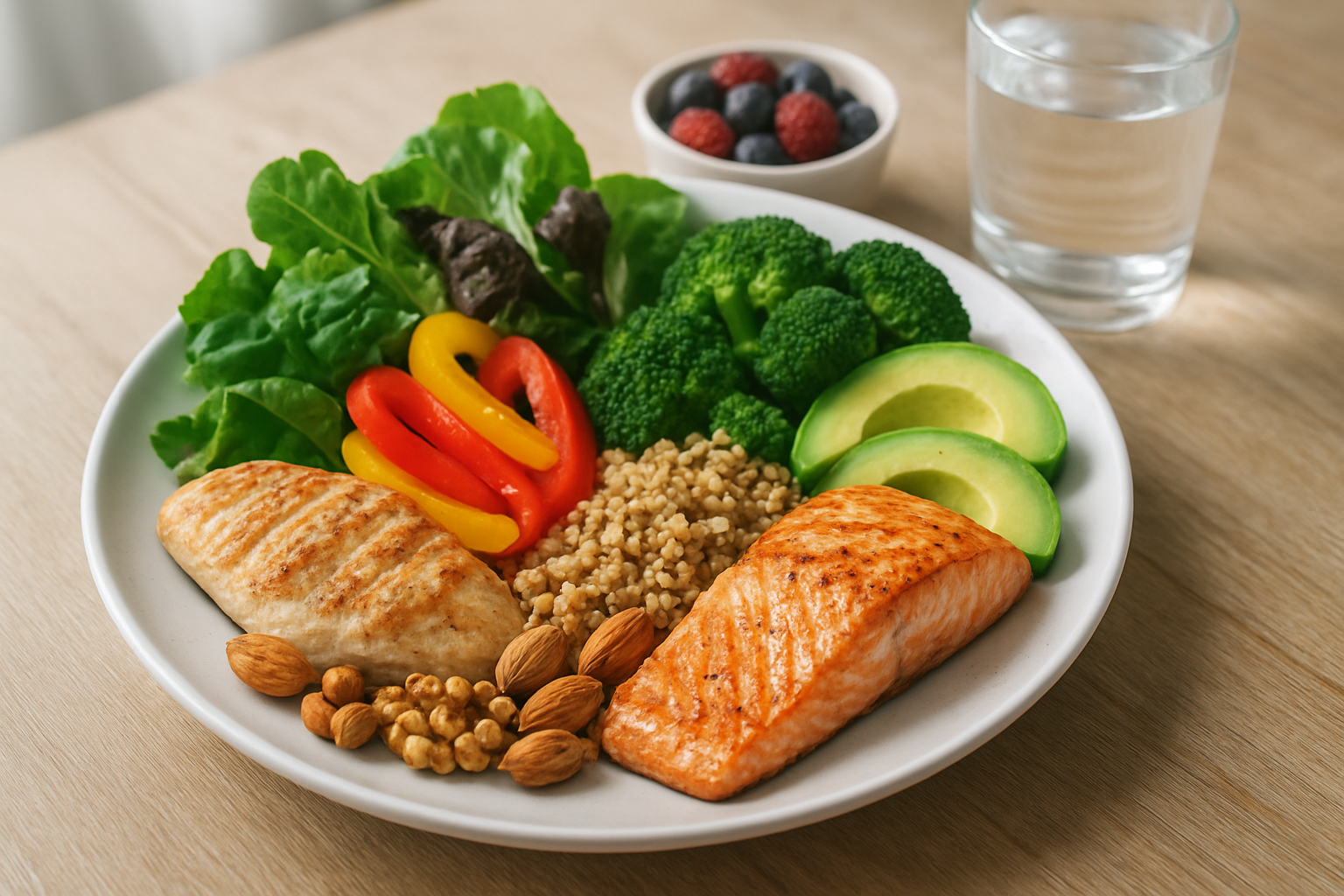
Why protein requirements increase during fasting for over-40s
After 40, your body undergoes significant changes that directly impact how you process and need protein during fasting periods. Your muscle mass naturally begins declining at a rate of 3-8% per decade, a process called sarcopenia. This muscle loss accelerates when you’re combining intermittent fasting over 40 with potentially inadequate protein intake.
During fasting states, your body turns to protein breakdown to maintain blood glucose levels through gluconeogenesis. When you’re younger, this process is more efficient and your body can better preserve muscle tissue. However, fasting for over 40s presents unique challenges because your protein synthesis rates have already begun slowing down.
The hormonal changes that come with middle age compound this issue. Growth hormone production decreases significantly after 40, which directly affects your body’s ability to build and maintain muscle tissue. Insulin sensitivity also changes, making it harder for your muscles to uptake amino acids effectively when you do eat.
Research shows that adults over 40 need approximately 1.2-1.6 grams of protein per kilogram of body weight during fasting protocols, compared to the 0.8g/kg recommended for younger adults. This increased requirement becomes even more critical when you extend your fasting windows beyond 16 hours.
Your digestive system also becomes less efficient at protein absorption as you age. The production of digestive enzymes decreases, and gut health often declines, meaning you need to consume higher quality proteins to achieve the same muscle-building benefits you once got from smaller amounts.
When following safe fasting methods for middle age, timing your protein intake becomes crucial. Research indicates that consuming 25-40 grams of high-quality protein within your eating window can maximise muscle protein synthesis. This is particularly important for the first meal breaking your fast, as your muscles are primed to utilise amino acids after the fasting period.
Essential vitamins and minerals that prevent deficiencies
Micronutrient deficiencies become increasingly common when combining healthy fasting over 40 with an already declining absorption capacity. Your body’s ability to store and utilise vitamins and minerals changes significantly during middle age, making strategic supplementation and food choices critical.
Vitamin B12 absorption decreases dramatically after 40 due to reduced stomach acid production. During fasting periods, this deficiency can manifest as fatigue, brain fog, and mood changes that many people mistakenly attribute to hunger. Since B12 is primarily found in animal products, ensuring adequate intake during your eating windows becomes essential.
Vitamin D requirements increase with age, and deficiency rates soar among the over-40 population. This vitamin plays a crucial role in immune function, bone health, and mood regulation – all areas that can be impacted by fasting. Since vitamin D is fat-soluble, consuming it with healthy fats during your eating window improves absorption significantly.
Iron absorption becomes more complex after 40, particularly for women approaching menopause. While iron needs may decrease for post-menopausal women, the body’s ability to absorb iron from plant sources diminishes. Combining vitamin C-rich foods with iron sources during eating periods can enhance absorption rates by up to 300%.
Magnesium deficiency affects over 60% of adults over 40, and fasting can exacerbate this issue. This mineral is crucial for muscle function, sleep quality, and stress management – all factors that directly impact your fasting success. Magnesium requirements actually increase during fasting due to stress on the body, yet many people consume less during restricted eating windows.
| Nutrient | Daily Requirement (40+) | Best Food Sources | Timing During Eating Window |
|---|---|---|---|
| Vitamin B12 | 2.4-3.0 mcg | Beef liver, salmon, eggs | Early in eating window |
| Vitamin D | 800-1000 IU | Fatty fish, egg yolks | With fats |
| Iron | 8-18 mg | Red meat, spinach, lentils | Away from calcium/tea |
| Magnesium | 350-420 mg | Dark chocolate, nuts, seeds | Throughout eating window |
| Zinc | 8-12 mg | Oysters, beef, pumpkin seeds | Away from iron supplements |
Calcium absorption becomes increasingly important as bone density naturally declines after 40. However, calcium competes with iron and magnesium for absorption, so strategic timing within your eating window matters. Consuming calcium-rich foods separately from iron sources by at least two hours optimises absorption of both minerals.
Potassium needs increase during intermittent fasting middle aged protocols because this electrolyte becomes depleted during fasting periods, especially if you’re also exercising. Inadequate potassium can lead to muscle cramps, fatigue, and irregular heartbeat – symptoms that can make fasting feel unsafe or uncomfortable.
How to maximise bone health whilst maintaining a fasting routine
Bone health becomes a primary concern when implementing fasting guidelines for mature adults because bone density naturally peaks around age 30 and begins declining thereafter. The challenge lies in maintaining adequate calcium absorption and bone-building nutrients while restricting eating windows.
Your bones undergo constant remodelling, breaking down old tissue and building new tissue throughout your life. This process requires consistent nutrient availability, particularly calcium, magnesium, vitamin D, and vitamin K2. During extended fasting periods, your body may struggle to maintain optimal bone formation rates without strategic nutrient timing.
Protein plays a crucial role in bone health that many people overlook. Collagen makes up about 90% of your bone matrix, and adequate protein intake during eating windows provides the amino acids necessary for collagen synthesis. Research shows that adults over 40 need higher protein intake to maintain bone density, particularly when following time-restricted eating patterns.
Weight-bearing exercise becomes even more critical when combining fasting with bone health goals. Your bones respond to mechanical stress by increasing density, but this process requires adequate nutrition during recovery periods. Timing your post-exercise meals within your eating window maximises bone-building benefits.
Vitamin K2 deserves special attention in age-appropriate fasting techniques because it directs calcium to bones rather than allowing it to accumulate in soft tissues. This vitamin is found in fermented foods, grass-fed dairy, and certain cheeses – foods that provide multiple bone-supporting nutrients when consumed during eating windows.
The timing of bone-supporting nutrients matters more as you age. Consuming calcium with vitamin D enhances absorption, while magnesium helps convert vitamin D to its active form. Spreading these nutrients throughout your eating window, rather than consuming them all at once, improves utilisation rates.
Sleep quality directly impacts bone health through growth hormone release, which occurs primarily during deep sleep stages. Fasting safety tips over 40 should include strategies for maintaining sleep quality, as poor sleep can counteract many of the bone health benefits from proper nutrition during eating windows.
Inflammatory foods can accelerate bone loss, making food quality even more important during restricted eating periods. Processed foods, excessive sugar, and trans fats promote inflammation that interferes with bone formation. Focusing on anti-inflammatory foods during eating windows supports both fasting goals and bone health.
Building meals that sustain energy through longer fasting periods
Creating meals that provide sustained energy during fasting for over 40s requires understanding how macronutrient ratios affect blood sugar stability and hunger hormones. Your metabolism changes significantly after 40, making strategic meal composition essential for successful extended fasting periods.
Fat becomes your most valuable macronutrient for sustaining energy through longer fasts. Healthy fats provide 9 calories per gram compared to 4 calories from carbohydrates and protein, offering more concentrated energy. More importantly, fat doesn’t trigger the same insulin response as carbohydrates, helping maintain the metabolic benefits of fasting.
The type of carbohydrates you consume during eating windows dramatically impacts your fasting experience. Simple carbohydrates cause rapid blood sugar spikes followed by crashes that trigger intense hunger within hours of eating. Complex carbohydrates paired with fibre provide steady glucose release without disrupting fat-burning metabolism.
Meal timing within your eating window affects energy sustainability throughout fasting periods. Starting with protein and fat, then adding complex carbohydrates, helps moderate insulin response and promotes satiety. This sequence also supports better nutrient absorption, as protein stimulates digestive enzyme production.
Building meals around complete proteins ensures you’re getting all essential amino acids needed for muscle maintenance and metabolic function. Complete proteins include eggs, fish, poultry, and complete plant combinations like rice and beans. These proteins provide sustained satiety that helps extend fasting periods comfortably.
Fibre content becomes crucial for adults over 40 because digestive function naturally slows with age. High-fibre foods promote satiety, support gut health, and help regulate blood sugar levels. Aiming for 25-35 grams of fibre during eating windows helps maintain digestive health while supporting longer fasting periods.
Pre-fast meal composition significantly impacts your fasting experience. A meal high in refined carbohydrates will leave you hungry within hours, while a balanced meal with adequate protein, healthy fats, and complex carbohydrates can comfortably sustain you through 16-24 hour fasting periods.
Hydration through food becomes more important as you age because kidney function naturally declines, making it harder to maintain proper fluid balance. Foods with high water content – cucumbers, melons, soups, and leafy greens – contribute to hydration while providing essential nutrients during eating windows.
Strategic use of healthy fats like avocados, nuts, seeds, and olive oil provides fat-soluble vitamins while promoting satiety. These fats also support hormone production, which becomes increasingly important after 40 as natural hormone levels begin declining.
Meal preparation strategies help ensure nutrient density during restricted eating windows. Batch cooking proteins, pre-cutting vegetables, and having healthy fats readily available makes it easier to create balanced meals that support extended fasting periods without compromising nutrition quality.
Rule 6: Incorporate Gentle Exercise That Complements Fasting

Why high-intensity workouts can backfire during fasting after 40
After 40, your body’s relationship with exercise during fasting becomes more delicate than in your younger years. High-intensity workouts that might have been perfectly manageable in your twenties and thirties can now create stress that works against your fasting goals.
Your metabolic flexibility decreases with age, meaning your body takes longer to switch between burning glucose and fat for fuel. When you combine this natural decline with the metabolic demands of intense exercise during a fast, you’re asking your body to perform a juggling act it’s no longer equipped to handle efficiently. High-intensity interval training (HIIT), heavy weightlifting, or prolonged cardio sessions can trigger cortisol spikes that are particularly problematic for those practising intermittent fasting over 40.
The stress hormone cortisol plays a more pronounced role in your body’s response to exercise as you age. During fasting, cortisol levels naturally fluctuate to help maintain blood sugar stability. Add intense exercise into the mix, and you risk creating a cortisol storm that can lead to muscle breakdown, increased hunger, sleep disruption, and even fat storage – the opposite of what you’re trying to achieve through fasting for over 40s.
Your recovery capacity also diminishes after 40. What once took 24 hours to bounce back from now requires 48-72 hours. When you’re already asking your body to adapt to fasting protocols, intense exercise becomes an additional stressor that can overwhelm your system’s ability to repair and regenerate.
Blood sugar regulation becomes more challenging with age, and intense exercise during fasting can create dangerous dips in blood glucose levels. This is particularly risky for those new to safe fasting methods for middle age, as it can lead to dizziness, weakness, and potentially dangerous situations if you’re driving or operating machinery.
Hormonal changes, particularly the decline in growth hormone and testosterone in men, and oestrogen in women, mean your body’s ability to build and maintain muscle during periods of stress (like fasting combined with intense exercise) becomes compromised. This creates a perfect storm for muscle loss rather than the lean body mass preservation you’re likely seeking.
Best low-impact exercises to maintain muscle mass whilst fasting
The key to successful exercise during intermittent fasting over 40 lies in choosing activities that support rather than sabotage your fasting goals. Walking remains one of the most underrated yet effective exercises for fasted individuals over 40. A brisk 30-45 minute walk during your fasting window can actually enhance fat oxidation without triggering excessive stress responses.
Resistance training with bodyweight exercises or light weights proves particularly beneficial for maintaining muscle mass during fasting periods. Push-ups, squats, lunges, and planks performed at a moderate intensity help signal to your body that muscle tissue is necessary and should be preserved even during periods of caloric restriction.
Yoga and tai chi offer exceptional benefits for those following age-appropriate fasting techniques. These practices combine gentle strength training with stress reduction, helping to keep cortisol levels balanced whilst still providing muscle-stimulating benefits. The controlled breathing techniques inherent in these practices also support the metabolic flexibility you’re trying to achieve through fasting.
Swimming and water-based exercises provide excellent muscle engagement with minimal joint stress. The buoyancy of water reduces impact whilst the resistance ensures your muscles remain active and engaged. Water walking, gentle swimming laps, or aqua aerobics classes designed for mature adults can be perfect complements to your fasting routine.
Resistance band workouts offer versatility and controlled resistance that’s ideal for the over-40 fasting crowd. Bands provide variable resistance that increases as you stretch them, creating muscle tension throughout the full range of motion without the joint stress of heavy weights. They’re particularly useful for maintaining the smaller stabilising muscles that become increasingly important for injury prevention as we age.
Pilates focuses on core strength, flexibility, and controlled movement patterns that support overall functional fitness. The emphasis on proper alignment and controlled breathing makes it an ideal choice for those practising healthy fasting over 40. The strengthening benefits help preserve lean muscle mass whilst the mindful movement aspects support the mental discipline required for successful fasting.
Balance and stability training becomes increasingly important after 40, and simple exercises like single-leg stands, heel-to-toe walking, or using a balance board can be performed safely during fasting periods. These exercises help prevent falls and maintain functional independence whilst requiring minimal energy expenditure.
Gentle cycling, either on a stationary bike or outdoors on flat terrain, provides cardiovascular benefits without excessive stress. The seated position reduces the risk of lightheadedness that some people experience during fasted exercise, whilst still providing meaningful movement that supports circulation and energy levels.
Timing your workouts to avoid energy crashes
Strategic timing of exercise during intermittent fasting middle aged protocols can mean the difference between feeling energised and experiencing debilitating crashes. The relationship between your circadian rhythm, eating windows, and exercise timing becomes more critical as you age.
Morning workouts during your fasted state can be particularly effective, but they require careful consideration of your individual energy patterns. Many people over 40 find their energy levels are naturally higher in the morning before the day’s stresses accumulate. However, if you’re someone whose energy doesn’t peak until later in the day, forcing morning workouts during fasting can backfire spectacularly.
The optimal timing often falls 2-3 hours after waking, when your natural cortisol awakening response has stabilised but before afternoon energy dips occur. This timing allows your body to have mobilised stored energy whilst avoiding the late-day fatigue that can be exacerbated by exercise during fasting.
For those following 16:8 intermittent fasting schedules, exercising 1-2 hours before your eating window opens often works best. This timing allows you to refuel relatively soon after exercise whilst still gaining the metabolic benefits of fasted training. Your body has time to tap into fat stores for energy during the workout, and you can support recovery with proper nutrition shortly thereafter.
Afternoon workouts require more careful consideration for those over 40. Natural energy dips occur in most people between 2-4 PM, and exercising during this time whilst fasting can amplify fatigue and impact the rest of your day. If afternoon exercise is your only option, keep it particularly gentle and consider breaking your fast shortly before exercising if your protocol allows flexibility.
Evening workouts during fasting periods can interfere with sleep quality, which is already more fragile after 40. Exercise raises core body temperature and can increase cortisol levels at a time when they should naturally be declining. If you must exercise in the evening whilst fasting, finish at least 3 hours before bedtime and focus on gentle, restorative movements.
Pay attention to your meal timing from the previous day when planning fasted exercise. If you finished eating particularly early the night before, your glycogen stores may be more depleted, requiring even gentler exercise choices. Conversely, if you ate later or had a larger meal, you might have more energy available for slightly more intensive activities.
Weather conditions play a larger role in exercise timing for fasting individuals over 40. Hot, humid conditions increase the risk of dehydration and heat-related issues when combined with fasting. Cold conditions may require more energy to maintain body temperature. Planning indoor alternatives or adjusting workout intensity based on environmental factors becomes crucial for fasting safety tips over 40.
Listen to your hunger cues when timing workouts. If you’re experiencing significant hunger pangs, pushing through with exercise can lead to overeating when you break your fast. Sometimes the wisest choice is to adjust your eating window slightly to fuel your body before exercise, rather than forcing a workout that may ultimately sabotage your goals.
Consider your sleep quality from the previous night when planning exercise timing. Poor sleep affects blood sugar regulation, stress hormone levels, and energy availability. After a poor night’s sleep, gentle movement early in your fast is preferable to more intensive exercise later in the day.
Your hydration status significantly impacts optimal exercise timing during fasting. Morning dehydration is common and becomes more pronounced with age. Ensure adequate hydration before attempting any exercise, and remember that thirst sensation diminishes as we age, making proactive hydration essential.
Track your energy levels and exercise performance across different timing scenarios to find your personal sweet spot. What works for others following fasting guidelines for mature adults may not work for you. Keep a simple log noting exercise type, timing, energy levels before and after, and how you felt throughout the day. This data will help you optimise your approach over time.
Rule 7: Monitor Your Progress and Adjust Accordingly

Key Health Markers to Track Beyond Just Weight Loss
Stepping on the scales might feel like the obvious way to measure your fasting success, but for those over 40, weight alone tells only part of the story. Your body is changing in ways that numbers on a scale simply can’t capture, and focusing solely on weight loss can actually mislead you about how well your fasting for over 40s routine is working.
Energy levels serve as one of your most reliable indicators. When intermittent fasting over 40 is working properly, you should notice sustained energy throughout the day rather than the roller-coaster highs and crashes that come with constant eating. Many people report feeling more alert during their fasting windows once their bodies adapt, typically after the first few weeks.
Sleep quality deserves your attention too. Proper fasting can improve your sleep patterns by regulating circadian rhythms and reducing late-night eating that disrupts rest. Track how quickly you fall asleep, whether you wake during the night, and how refreshed you feel in the morning. Poor sleep quality might signal that your eating window is too close to bedtime or that you’re not eating enough during your feeding periods.
Blood pressure readings provide valuable insight into cardiovascular health improvements. Many people over 40 see reductions in both systolic and diastolic pressure within 8-12 weeks of consistent fasting. You can monitor this at home with a reliable blood pressure cuff or during regular pharmacy visits.
Blood sugar stability becomes increasingly important with age. If you have a glucose monitor, check your fasting glucose levels periodically. Healthy fasting should help stabilise blood sugar, not create wild swings. Some people notice their fasting glucose drops into healthier ranges within a month of starting safe fasting methods for middle age.
Mental clarity and mood deserve equal attention. Brain fog, irritability, or difficulty concentrating during fasting periods might indicate you need to adjust your approach. Conversely, improved focus and mood stability often signal that your fasting protocol suits your body well.
Digestive health markers include regularity, bloating, and overall gut comfort. Many people over 40 find that giving their digestive system regular breaks through fasting improves these symptoms significantly.
Consider tracking these markers in a simple journal or smartphone app:
| Health Marker | Frequency to Check | What to Look For |
|---|---|---|
| Energy Levels | Daily | Sustained energy vs. crashes |
| Sleep Quality | Daily | Time to fall asleep, night wakings |
| Blood Pressure | Weekly | Gradual reduction in readings |
| Fasting Glucose | Bi-weekly | Stabilisation in healthy range |
| Mental Clarity | Daily | Focus, mood, cognitive function |
| Digestive Health | Daily | Regularity, comfort, bloating |
How to Recognise When Fasting Is Improving Your Wellbeing
Your body sends clear signals when healthy fasting over 40 is working in your favour. Learning to recognise these positive changes helps you stay motivated and confirms you’re on the right track.
Physical improvements often appear first. Your clothes might fit better before the scales show dramatic changes, particularly around your waistline where visceral fat tends to accumulate with age. This type of fat loss is especially beneficial for reducing disease risk in middle-aged adults.
Skin clarity frequently improves within the first month. The process of autophagy, where your cells clean out damaged components during fasting periods, often shows up as clearer, more radiant skin. Many people notice reduced inflammation in their complexion and fewer breakouts.
Joint comfort can improve as inflammation decreases throughout your body. If you’ve been experiencing morning stiffness or general aches, you might find these symptoms lessening as your fasting routine becomes established. This anti-inflammatory effect is one of the key benefits of intermittent fasting over 40.
Hunger patterns shift in positive ways. Initially, you might feel intense hunger during fasting periods, but as your body adapts, true hunger becomes more subtle and manageable. You’ll learn to distinguish between actual hunger and habitual eating triggers.
Food cravings, particularly for sugary or processed foods, often diminish significantly. This happens because fasting helps regulate hormones like ghrelin and leptin that control hunger and satiety. When these hormones function properly, you naturally desire more nutritious foods.
Your relationship with food itself may transform. Many people report feeling more mindful about their eating choices and less driven by emotional or stress-related eating patterns. This psychological shift is particularly valuable for long-term success.
Exercise performance might initially dip as your body adjusts, but many people find their endurance and recovery improve once adapted. Some discover they can exercise effectively in a fasted state, though this varies greatly between individuals.
Digestive improvements include less bloating, more regular bowel movements, and reduced acid reflux or heartburn. Your digestive system benefits from the regular rest periods that fasting provides.
Mental benefits often include improved concentration during fasting periods, better emotional stability, and increased confidence from successfully managing your eating schedule. Many people describe feeling more in control of their health and daily routine.
Signs That Your Current Fasting Approach Needs Modification
Not every fasting method suits every person, and fasting guidelines for mature adults must account for individual differences and changing needs. Recognising when to adjust your approach prevents potential problems and keeps your fasting practice sustainable.
Persistent fatigue beyond the initial adaptation period signals a problem. While some tiredness is normal during the first week or two, ongoing exhaustion suggests your eating windows might be too restrictive or you’re not consuming adequate nutrients during feeding periods.
Mood changes that extend beyond normal adjustment include persistent irritability, anxiety, or depression. These symptoms might indicate that your fasting schedule conflicts with your natural circadian rhythms or that you’re creating too much stress on your system.
Sleep disturbances can manifest as difficulty falling asleep, frequent night wakings, or early morning awakening with inability to return to sleep. If sleep problems persist beyond the first few weeks, consider adjusting your eating window timing or duration.
Obsessive thoughts about food, rigid thinking about eating schedules, or anxiety around breaking your fast suggest your approach has become too restrictive. Fasting safety tips over 40 emphasise flexibility and sustainability over rigid adherence to schedules.
Physical symptoms requiring attention include persistent headaches, dizziness, nausea, or feeling faint during fasting periods. These signs often indicate dehydration, electrolyte imbalance, or excessive restriction.
Social isolation resulting from your fasting schedule is problematic. If you’re consistently avoiding social situations involving food or feeling unable to adjust your fasting for important events, your approach has become too rigid.
Binge eating during feeding windows suggests your fasting periods are too long or restrictive. Healthy fasting should allow you to eat normally during eating windows without feeling the need to consume excessive amounts.
Hair loss, brittle nails, or other signs of nutrient deficiency indicate inadequate nutrition during eating periods. This is particularly important for women over 40 who may already be dealing with hormonal changes affecting hair and nail health.
Menstrual irregularities in women who still menstruate can signal that fasting is creating too much stress on the reproductive system. This requires immediate attention and often protocol modification.
Blood sugar problems, including reactive hypoglycemia or persistently elevated glucose levels, suggest your fasting approach doesn’t suit your metabolic needs. People with diabetes or pre-diabetes need particularly careful monitoring.
When to Take Breaks From Fasting to Reset Your System
Your body sometimes needs a break from fasting routines, and recognising these moments prevents burnout and maintains long-term success with age-appropriate fasting techniques. Strategic breaks can actually enhance the benefits of fasting when you return to your routine.
Planned diet breaks every 6-8 weeks help prevent metabolic adaptation and maintain healthy hormone levels. During these breaks, eat normally for 1-2 weeks while maintaining healthy food choices. This approach prevents your metabolism from adapting too aggressively to caloric restriction.
Illness requires immediate suspension of fasting protocols. When you’re fighting an infection, dealing with a chronic condition flare-up, or recovering from surgery, your body needs consistent nutrition to heal properly. Resume fasting only after full recovery.
High-stress periods call for fasting modifications or temporary cessation. Major life events like job changes, relationship difficulties, moving house, or family emergencies already stress your system. Adding fasting stress during these times can be counterproductive.
Travel often disrupts fasting routines naturally, and fighting this disruption can create unnecessary stress. Instead of struggling to maintain your exact schedule across time zones and unfamiliar food environments, consider travel periods as natural fasting breaks.
Hormonal fluctuations in women may require temporary adjustments. The week before menstruation, during menopause transition, or when dealing with thyroid issues might call for gentler approaches or brief fasting breaks.
Plateau periods lasting more than a month might benefit from a reset break. If your progress has stalled completely despite consistent adherence, taking 1-2 weeks off can help reset your metabolism and hormones before resuming.
Holiday seasons and special celebrations deserve flexibility. Rather than creating stress around maintaining perfect fasting schedules during genuinely special occasions, plan temporary breaks and return to your routine afterwards.
Warning signs that demand immediate breaks include persistent fatigue lasting more than two weeks, mood changes affecting daily life, sleep problems not resolving after protocol adjustments, or any concerning physical symptoms.
Social pressure shouldn’t force breaks, but genuine desire to participate in food-centred celebrations with loved ones represents healthy balance. Plan these breaks intentionally rather than feeling guilty about necessary flexibility.
Working With Healthcare Providers to Ensure Long-Term Safety
Collaborating with qualified healthcare professionals becomes increasingly important when practicing intermittent fasting middle aged and beyond. Your medical team can provide valuable oversight and catch potential issues before they become problems.
Choose providers familiar with fasting protocols rather than those who dismiss all forms of intermittent fasting. Many doctors now recognise the research supporting various fasting approaches, but some remain sceptical. Seek practitioners who can evaluate your individual situation objectively.
Schedule regular check-ups every 3-6 months when starting a new fasting routine, particularly if you have existing health conditions. These visits should include comprehensive blood work to monitor key markers including glucose, lipid panels, liver function, kidney function, and nutrient levels.
Medication timing often requires adjustment when fasting. Some medications need food for proper absorption or to prevent stomach irritation, while others work better on an empty stomach. Never adjust prescription medications without professional guidance.
Existing health conditions require careful monitoring. Diabetes, heart disease, kidney problems, liver issues, or autoimmune conditions all need professional oversight when combined with fasting protocols. Your condition doesn’t necessarily preclude fasting, but it does require more careful management.
Blood work should include comprehensive metabolic panels, lipid profiles, HbA1c, vitamin D, B12, folate, and iron studies. Women should have hormone panels if experiencing menstrual changes. These tests establish baselines and track changes over time.
Document your fasting routine, including eating windows, foods consumed, energy levels, sleep quality, and any symptoms. This information helps your healthcare provider make informed recommendations about your protocol.
Emergency situations require immediate medical attention. Severe dizziness, chest pain, persistent nausea and vomiting, signs of dehydration, or any symptom that concerns you warrant prompt medical evaluation.
Specialist referrals might become necessary. Endocrinologists can help with diabetes or thyroid issues, gastroenterologists with digestive problems, and registered dietitians with nutrition planning. Your primary care provider can coordinate these referrals.
Regular medication reviews ensure your prescriptions remain appropriate as your health improves. Many people find they need adjustments to blood pressure medications, diabetes medications, or other prescriptions as fasting improves their health markers.
Communication with your healthcare team should be ongoing and honest. Report any concerning symptoms promptly, and don’t hesitate to ask questions about how fasting might interact with your specific health situation. Your safety depends on this professional partnership combined with careful self-monitoring.
Ensure you utilise appropriate supplements during your Fasting

Hydration Supplementation, ensure you monitor your electrolytes
Water isn’t the only thing your body needs during a fast, especially when you’re over 40. Your electrolyte balance becomes increasingly important as we age, and fasting can throw this delicate system off course if you’re not careful.
Think of electrolytes as your body’s electrical system. Sodium, potassium, and magnesium work together to keep your heart beating properly, your muscles functioning, and your brain sharp. During a fast, you’re not getting these minerals from food, and you’re likely drinking more water than usual, which can dilute what’s already in your system.
The warning signs of electrolyte imbalance aren’t subtle. You might experience headaches that won’t shift, muscle cramps that come out of nowhere, or that dizzy feeling when you stand up too quickly. Some people describe feeling like their heart is racing or skipping beats. These symptoms often worsen after age 40 because our kidneys become less efficient at maintaining mineral balance.
Sodium: The misunderstood mineral
Many people panic at the thought of adding salt during a fast, but this is exactly when your body might need it most. When you fast, your insulin levels drop significantly, which signals your kidneys to release more sodium and water. This natural diuretic effect is why you might notice the scales dropping quickly in your first few days of fasting – much of that initial weight loss is water.
A pinch of high-quality sea salt in your water can prevent the uncomfortable side effects that come with sodium depletion. Pink Himalayan salt or Celtic sea salt contain trace minerals that table salt lacks. Start with just 1/4 teaspoon dissolved in a large glass of water, particularly during longer fasting periods or if you’re sweating more than usual.
Potassium: Your heart’s best friend
Potassium deficiency during fasting can be particularly dangerous for the over-40 crowd. This mineral keeps your heart rhythm steady and your blood pressure in check. Unlike sodium, potassium is harder to supplement directly because most over-the-counter supplements contain relatively small amounts due to safety regulations.
The clever way around this is to add a small amount of potassium chloride (available as a salt substitute like Lo-Salt) to your water. Just 1/4 teaspoon provides roughly 600mg of potassium. Some fasting enthusiasts make their own “snake juice” – a mixture of sodium, potassium, and magnesium dissolved in water. While the name sounds alarming, the concept is sound for maintaining electrolyte balance during extended fasting periods.
Magnesium: The relaxation mineral
Magnesium deficiency affects nearly 60% of adults over 40 even when they’re eating regularly. During a fast, this becomes more pronounced. Low magnesium can cause muscle cramps, restless legs, difficulty sleeping, and that jittery feeling that makes fasting feel harder than it should be.
Magnesium glycinate is your best bet for supplementation during fasting. It’s gentle on the stomach (important when you’re not eating) and well-absorbed. Take 200-400mg in the evening, as magnesium has a calming effect that can improve your sleep quality during fasting periods.
Creating your electrolyte strategy
The timing of electrolyte supplementation matters more than you might think. Don’t wait until you feel terrible to address it. Start your fasting day with a glass of water containing a pinch of sea salt. Around midday, have another electrolyte drink, and consider magnesium in the evening.
For fasts lasting longer than 24 hours, increase your electrolyte intake accordingly. Some people find that preparing a large bottle of electrolyte water at the start of their fast and sipping it throughout the day works better than trying to remember multiple supplements.
Your individual needs will vary based on your activity level, climate, and how your body responds to fasting. Someone doing intermittent fasting for over 40s in a hot climate will need more electrolytes than someone fasting in cooler weather with minimal activity.
Additional supplements as you fast
Beyond electrolytes, several other supplements can make your fasting experience safer and more effective, particularly as your nutritional needs become more specific with age.
Multivitamins: Filling the gaps
A good multivitamin becomes more important during fasting periods because you’re missing out on the regular influx of nutrients from food. Your body’s vitamin stores last different lengths of time – some B vitamins need daily replenishment, while others like vitamin D can last weeks.
Choose a multivitamin that’s designed to be taken on an empty stomach. Look for one that contains the active forms of vitamins rather than synthetic versions. Methylated B vitamins (like methylcobalamin instead of cyanocobalamin) are better absorbed and don’t require as much energy to convert into usable forms.
The timing matters here too. Take your multivitamin with your first electrolyte drink of the day rather than dry-swallowing it. This helps with absorption and reduces the chance of stomach upset.
Omega-3 fatty acids: Brain and heart protection
Omega-3 supplementation during fasting serves multiple purposes for those practising safe fasting methods for middle age. These essential fats support brain function when your brain is adapting to using ketones for fuel, and they help maintain cardiovascular health during the metabolic changes that come with fasting.
Fish oil can be taken during fasting periods without breaking your fast, as the caloric content is minimal. However, some people find that fish oil on an empty stomach causes burping or an unpleasant aftertaste. Taking it with your electrolyte mixture can help reduce these effects.
Aim for 1-2 grams of combined EPA and DHA daily. If you’re vegetarian or vegan, algae-based omega-3 supplements provide the same benefits without the fish source.
Vitamin D: The sunshine vitamin
Vitamin D deficiency is incredibly common in adults over 40, particularly in the UK where sunlight exposure is limited for much of the year. During fasting, maintaining adequate vitamin D levels becomes even more important as it supports immune function and bone health.
Most adults need between 1000-4000 IU daily, depending on their current levels. Vitamin D3 (cholecalciferol) is more effective than D2. Because it’s fat-soluble, vitamin D is better absorbed with a small amount of fat, but the tiny amount in a fish oil capsule is sufficient.
Probiotics: Gut health maintenance
Fasting can significantly impact your gut microbiome, both positively and negatively. While short fasting periods often improve gut health by giving your digestive system a rest, longer fasts can sometimes disrupt the balance of beneficial bacteria.
Taking a probiotic during fasting periods can help maintain gut health, particularly if you’re new to fasting or alternating between eating and fasting periods frequently. Choose a probiotic that doesn’t require refrigeration for convenience, and take it with your electrolyte drink rather than on a completely empty stomach.
B-Complex vitamins: Energy production support
B vitamins play crucial roles in energy metabolism, which becomes particularly important when your body is adapting to burning fat instead of glucose. B12, B6, and folate are especially important for maintaining energy levels and supporting the nervous system during fasting.
While a good multivitamin contains B vitamins, some people find that additional B-complex supplementation helps reduce fatigue during longer fasting periods. This is particularly relevant for fasting guidelines for mature adults, as B vitamin absorption can decrease with age.
Adaptogens: Stress management
Fasting is a form of hormetic stress – beneficial stress that makes your body stronger. However, for people over 40, managing stress levels becomes increasingly important. Adaptogenic herbs like ashwagandha, rhodiola, or holy basil can help your body cope with the stress of fasting while supporting adrenal function.
These supplements won’t break your fast and can actually enhance the benefits by helping your body adapt more efficiently to the metabolic changes occurring during fasting periods.
Personalising your supplement protocol
Your supplement needs during fasting will depend on several factors specific to your situation. Consider your current health status, any medications you’re taking, the length and frequency of your fasts, and your individual response to fasting.
Start with the basics – electrolytes and a good multivitamin – then add other supplements based on how you feel and what your goals are. Some people thrive with minimal supplementation, while others need more support to fast safely and comfortably.
Keep a fasting journal that includes notes about which supplements you took and how you felt. This helps you identify patterns and optimise your supplement protocol over time. Remember that healthy fasting over 40 isn’t about following someone else’s exact protocol – it’s about finding what works best for your unique physiology and lifestyle.
The key is consistency and quality. Invest in reputable supplement brands that third-party test their products, and don’t try to start everything at once. Introduce new supplements gradually so you can assess their individual effects on your fasting experience.

Fasting after 40 doesn’t have to be complicated or dangerous when you follow these seven essential guidelines. Your body’s needs change as you age, but that doesn’t mean you can’t enjoy the benefits of intermittent fasting safely. The key is choosing the right approach for your lifestyle, staying properly hydrated, and paying close attention to what your body tells you. Focus on eating nutrient-rich foods during your eating windows, pair your fasting with gentle movement, and don’t forget about helpful supplements that can support your journey.
Remember that successful fasting at this stage of life is about working with your body, not against it. Track your progress carefully and be ready to make adjustments when needed. Your fasting routine should enhance your wellbeing, not create stress or health problems. Start slowly, be patient with yourself, and celebrate the small wins along the way. When done thoughtfully, fasting can become a powerful tool for maintaining your health and vitality well into your later years.