
EverWise Health

<--Awin verification 001-->

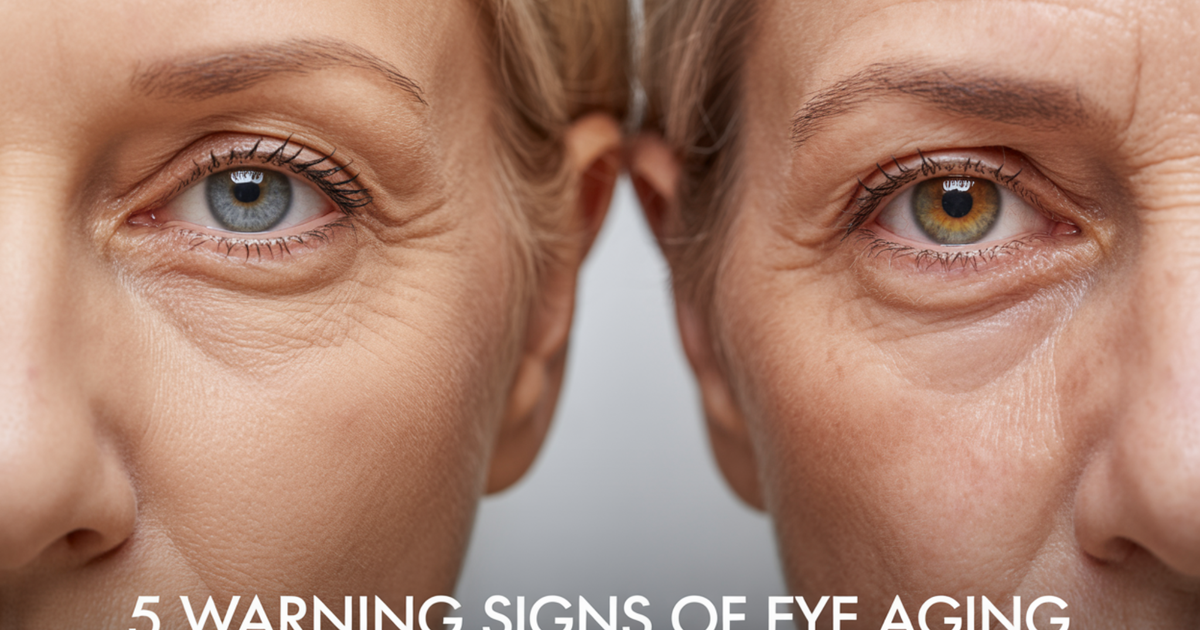
5 Warning Signs Your Eyes Are Ageing Faster Than You Think

Your eyes might be showing ageing signs earlier than you expect, especially if you’re over 40. Many people notice subtle vision changes but dismiss them as temporary stress or tiredness. This guide helps adults approaching middle age and beyond spot the key eye ageing symptoms before they become serious problems.

Eye health after 40 requires closer attention because ageing eyes develop issues gradually. You might experience dryness that won’t go away, struggle with reading small print, or notice your eyes feel tired after screen time. These signs of ageing eyes often appear years before you think they should.

We’ll explore how to recognise early physical changes around your eyes, including puffiness and sensitivity that signal deeper issues. You’ll also learn to identify vision quality problems like blurriness or difficulty adjusting to light changes. Finally, we’ll cover why dry eyes and irritation become more common with age, plus simple steps to prevent eye ageing through proper nutrition and eye health supplements.

Recognise the Early Physical Changes Around Your Eyes
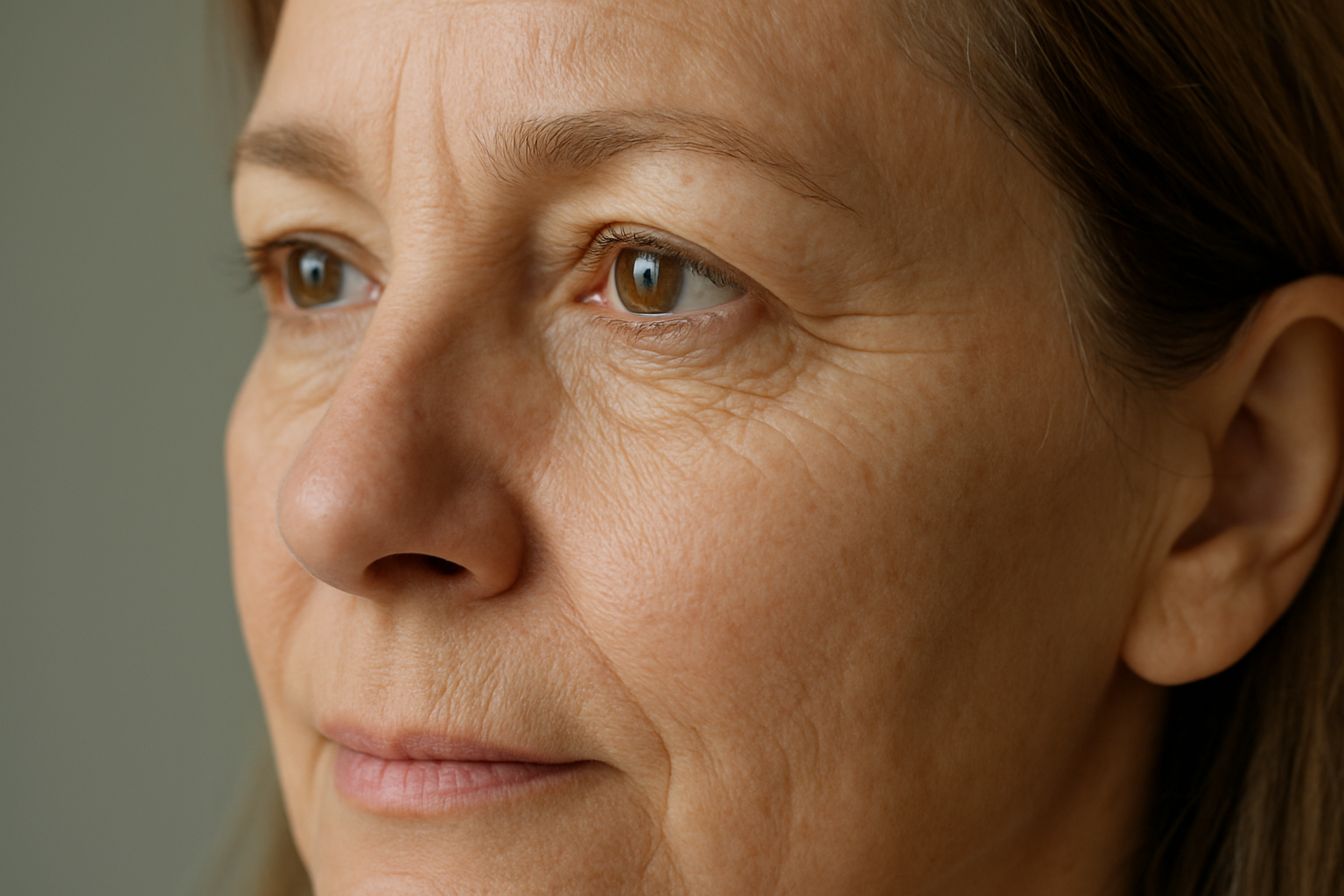
Recognise the Early Physical Changes Around Your Eyes

Spot Fine Lines Appearing Earlier Than Expected

The delicate skin around your eyes is often the first to betray the passage of time, sometimes catching you completely off guard. This paper-thin area contains virtually no oil glands and loses collagen at an accelerated rate, making it particularly vulnerable to premature ageing eyes symptoms.

Fine lines typically begin as barely visible creases that appear during facial expressions – those subtle crow’s feet that emerge when you laugh or squint. What starts as temporary expression lines gradually becomes permanent etching as the skin loses its elasticity. Many people notice these eye ageing signs appearing in their early thirties, particularly around the outer corners where the skin stretches repeatedly throughout the day.

The progression follows a predictable pattern: dynamic lines form first during movement, then static lines develop that remain visible even when your face is relaxed. Environmental factors accelerate this process significantly. Regular sun exposure without proper protection breaks down collagen fibres, whilst digital screen time increases squinting and blinking patterns that deepen expression lines.

Eye health after 40 becomes even more critical as cellular regeneration slows dramatically. The skin’s natural repair mechanisms become less efficient, and existing lines deepen whilst new ones appear more rapidly. Sleep position also plays a role – consistently sleeping on one side can create asymmetrical line development.

Notice Increased Puffiness and Dark Circles

Morning puffiness that once disappeared within minutes now lingers for hours, signalling changes in your eye area’s lymphatic drainage and skin structure. This persistent swelling indicates weakening tissues that struggle to bounce back from overnight fluid accumulation.

Dark circles become more pronounced as the thin under-eye skin reveals underlying blood vessels more clearly. The loss of subcutaneous fat padding creates a hollow appearance, whilst decreased circulation causes blood to pool in the delicate capillaries beneath your eyes. These signs of ageing eyes often become more noticeable after poor sleep, high sodium intake, or hormonal fluctuations.

The colour and type of dark circles can indicate different underlying causes:

Circle Type Appearance Primary Cause
Pigmented Brown/black Melanin accumulation
Vascular Blue/purple Blood vessel visibility
Structural Shadowing Volume loss and hollowing
Allergic Reddish-brown Chronic inflammation

Puffiness patterns also change with age. Young skin shows temporary morning swelling that quickly resolves, whilst ageing eyes display persistent puffiness that worsens throughout the day. Gravity compounds the problem as weakened tissue support allows fluid to accumulate in lower areas.

Lifestyle factors significantly impact these changes. Excessive alcohol consumption, smoking, and poor over 40 wellness habits accelerate tissue breakdown and impair circulation. Conversely, proper hydration, elevated sleep positioning, and gentle lymphatic massage can help minimise these effects.

Identify Changes in Eyelid Texture and Firmness

The eyelid skin undergoes dramatic transformations that extend beyond simple wrinkling. Upper eyelids may develop a crepe-like texture as collagen and elastin fibres break down, creating a loose, gathered appearance that can eventually affect your field of vision.

Lower eyelids show different eye ageing symptoms, often developing a rougher texture with more pronounced skin folds. The muscle tone beneath weakens, causing the skin to sag and create pockets where shadows naturally fall. This combination creates an aged appearance that makeup alone cannot fully disguise.

Firmness testing reveals significant changes – gently pressing the eyelid skin shows delayed bounce-back compared to younger skin. The elasticity loss is particularly noticeable when blinking or during facial expressions, as the skin takes longer to return to its original position.

Texture changes often include increased dryness and sensitivity as the skin’s barrier function weakens. The natural oil production decreases, leaving the delicate eye area more vulnerable to environmental irritants and requiring more intensive moisturising routines.

These physical changes interconnect with overall eye health after 40, as weakened eyelid muscles may affect proper tear distribution, leading to dry spots and irritation. The structural changes can also impact how effectively you blink, potentially contributing to dry eyes ageing processes that compound the aesthetic concerns with functional vision problems.

Understand Vision Quality Deterioration Signs
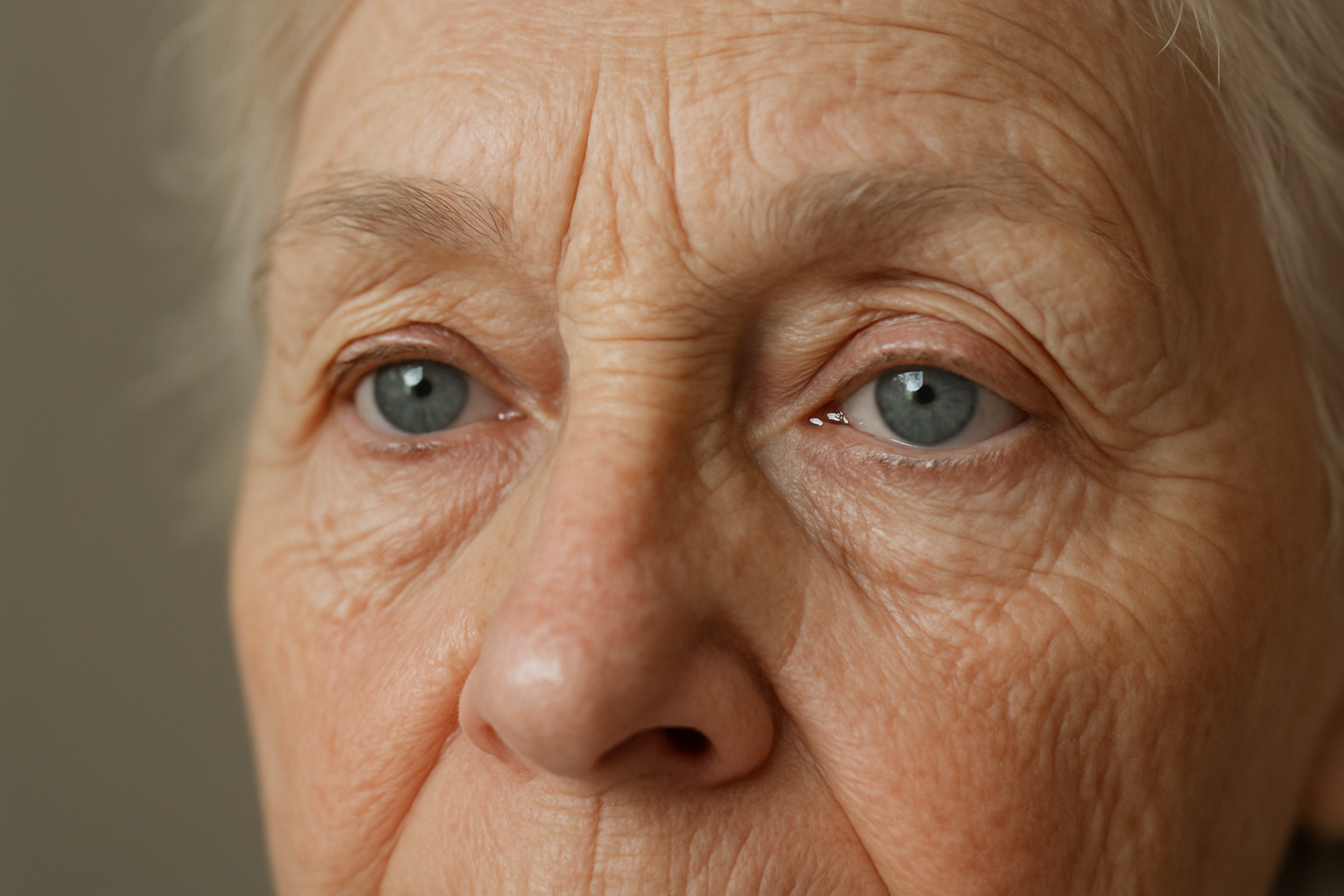
Understand Vision Quality Deterioration Signs

Experience Frequent Eye Strain During Daily Activities

Your eyes shouldn’t feel tired after a normal day, yet many people dismiss constant eye strain as a simple byproduct of modern life. The reality is that persistent eye fatigue often signals that your ageing eyes are working harder than they should to maintain clear vision.

Digital eye strain has become increasingly common, but when your eyes feel exhausted after just 30 minutes of screen time or reading, this could indicate early presbyopia or other eye ageing symptoms. The muscles that control your lens become less flexible with age, forcing them to work overtime to maintain focus. This extra effort manifests as that familiar burning, tired sensation that seems to worsen throughout the day.

Pay attention to headaches that develop around your temples or behind your eyes. These aren’t random occurrences – they’re often your body’s way of signalling that your visual system is under stress. The strain spreads beyond your eyes to surrounding muscles as they compensate for declining visual acuity.

Signs of ageing eyes during daily activities include:

  • Needing frequent breaks while reading or using devices
  • Rubbing your eyes more often than usual
  • Blinking excessively to clear your vision
  • Feeling like your eyes are “working harder” to see clearly
  • Experiencing fatigue that worsens with visual tasks

Notice Difficulty Focusing on Close Objects

Presbyopia sneaks up gradually, making it one of the most overlooked vision changes after 40. You might first notice it when holding your phone further away to read messages clearly, or when restaurant menus suddenly seem to have impossibly small print.

This focusing difficulty occurs because the lens in your eye becomes less elastic over time. Think of it like a camera that’s losing its ability to adjust for close-up shots. The ciliary muscles that change your lens shape for near vision become weaker, and the lens itself hardens, making accommodation increasingly difficult.

The progression is often subtle but predictable:

Stage Typical Symptoms Age Range
Early Slight blur when reading fine print 40-45
Moderate Need to hold reading material at arm’s length 45-50
Advanced Difficulty with all near tasks without glasses 50+

Many people compensate unconsciously by increasing lighting when reading or squinting to create a pinhole effect. While these strategies might work temporarily, they’re clear indicators that your near vision is declining. The key is recognising these adaptations as eye ageing signs rather than normal adjustments.

Observe Increased Sensitivity to Bright Lights

Light sensitivity, medically known as photophobia, becomes more pronounced as your eyes age. The pupils become less responsive to light changes, and the natural yellowing of the lens affects how light is processed. This creates uncomfortable glare in situations that previously posed no problems.

Driving becomes particularly challenging when oncoming headlights create halos or starbursts around light sources. Bright sunlight that once felt pleasant now requires constant squinting or sunglasses, even on moderately sunny days. Indoor lighting that seemed adequate now feels either too dim or harshly bright.

The ageing cornea also becomes less smooth, scattering light rather than focusing it cleanly. This scattered light creates visual noise that your brain must work harder to filter out, contributing to overall visual fatigue and discomfort.

Common light sensitivity indicators include:

  • Squinting in normal daylight conditions
  • Avoiding brightly lit environments
  • Experiencing headaches in fluorescent lighting
  • Needing sunglasses more frequently
  • Seeing halos around light sources

Struggle with Night Vision Clarity

Night vision deterioration is often the most noticeable and concerning eye ageing symptom for many people. The changes happen gradually but become unmistakably apparent when driving after dark or navigating dimly lit spaces.

Your pupils naturally become smaller and less responsive with age, allowing less light to reach your retina. The rod cells responsible for low-light vision also become less sensitive over time. Combined with potential early cataract formation – even microscopic changes can affect night vision – these factors create a perfect storm for reduced visibility in dim conditions.

Street signs that were once easily readable now require closer proximity. Parking in dimly lit areas becomes anxiety-inducing rather than routine. The transition from bright to dark environments takes longer, leaving you temporarily blind while your eyes adjust.

Night vision warning signs for eye health after 40:

  • Difficulty reading street signs in twilight
  • Increased glare from oncoming headlights
  • Slower adaptation when moving between light levels
  • Reluctance to drive after sunset
  • Bumping into objects in dim lighting

These vision quality changes don’t happen overnight, but recognising them early allows for proactive management. Regular eye examinations become increasingly important as these symptoms can indicate not just normal ageing but potentially treatable conditions that could preserve your vision for years to come.

Detect Dryness and Irritation Symptoms
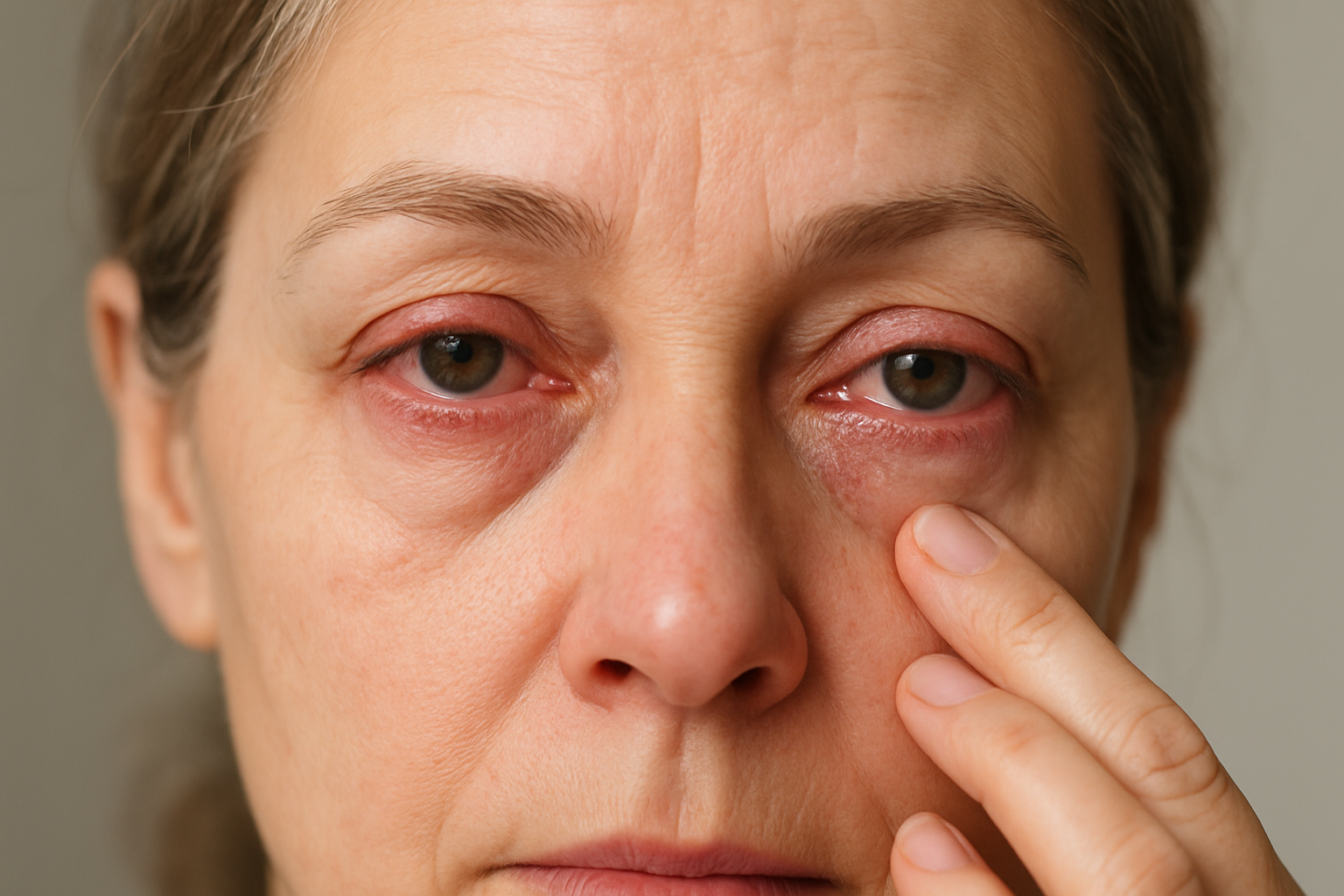
Detect Dryness and Irritation Symptoms

Feel persistent scratchiness throughout the day

That gritty sensation in your eyes isn’t just from a busy day staring at screens. Persistent scratchiness often signals the beginning of dry eyes ageing, where your tear production starts declining more rapidly than expected. Your eyes might feel like there’s sand trapped beneath your eyelids, particularly noticeable when you first wake up or during the afternoon hours.

This scratchy feeling becomes more pronounced as we enter our 40s because the composition of our tears changes. The oil-producing glands in your eyelids become less efficient, creating tears that evaporate too quickly. You’ll find yourself rubbing your eyes more frequently, which only worsens the irritation and can lead to inflammation around the delicate eye area.

Women experiencing hormonal changes often notice this ageing eyes symptom intensifies during menopause, when oestrogen levels drop significantly. The scratchiness might come and go initially, but as eye ageing signs progress, it becomes a constant companion throughout your day.

Notice excessive tearing as a compensation response

Your eyes might seem to be working overtime, producing tears when you least expect it. This contradictory symptom puzzles many people – how can your eyes be both dry and watery simultaneously? The answer lies in your body’s desperate attempt to compensate for poor tear quality.

When your natural tear film becomes unstable, your eyes trigger reflex tearing to flush out irritants and provide moisture. These compensatory tears lack the proper balance of oils, water, and proteins that healthy tears contain. They’re essentially emergency measures that don’t provide lasting relief.

You might notice tears streaming down your face when stepping outside on windy days, reading for extended periods, or even during emotional moments when your eyes are already stressed. This excessive tearing represents one of the most misunderstood signs of ageing eyes, as many people assume watery eyes mean adequate lubrication.

Experience burning sensations during screen use

The burning sensation that creeps up during digital device use has become increasingly common among those experiencing vision changes after 40. Your eyes might feel like they’re on fire after just an hour of computer work, tablet reading, or smartphone scrolling. This burning often intensifies as the day progresses, making evening activities uncomfortable.

Screen time reduces your natural blink rate by up to 60%, preventing proper tear distribution across your eye surface. When combined with age-related changes in tear production, this creates perfect conditions for that characteristic burning sensation. The blue light emission from devices can also contribute to inflammation, worsening the discomfort.

Climate-controlled offices with dry air circulation compound the problem. Your eyes work harder to maintain moisture whilst processing visual information from screens, creating a double burden that manifests as persistent burning. This symptom often serves as an early warning sign that your eye health after 40 needs immediate attention.

What you can use to counteract dryness and irritation

Addressing these uncomfortable symptoms requires a multi-layered approach that goes beyond basic eye drops. Eye health supplements containing omega-3 fatty acids have shown remarkable success in improving tear quality and reducing inflammation. These supplements work from the inside out, helping your oil glands function more effectively.

Omega-3 for eye health particularly targets the root cause of tear film instability. Clinical studies demonstrate that consistent supplementation with high-quality omega-3s can significantly reduce dry eye symptoms within 6-8 weeks. Look for supplements with a proper EPA to DHA ratio for optimal benefits.

Solution Type Immediate Relief Long-term Benefits
Preservative-free eye drops High Low
Omega-3 supplements Low Very High
Humidifier use Medium Medium
Screen break habits Medium High

Environmental modifications make substantial differences too. Position humidifiers in your workspace and bedroom to maintain 40-50% humidity levels. Take regular breaks using the 20-20-20 rule: every 20 minutes, look at something 20 feet away for 20 seconds.

Consider switching to preservative-free lubricating drops for immediate relief without long-term irritation. Night-time eye ointments provide extended moisture during sleep when natural tear production is at its lowest. Warm compresses applied for 10-15 minutes daily can help unblock oil glands and improve tear quality naturally.

Identify Changes in Eye Movement and Coordination
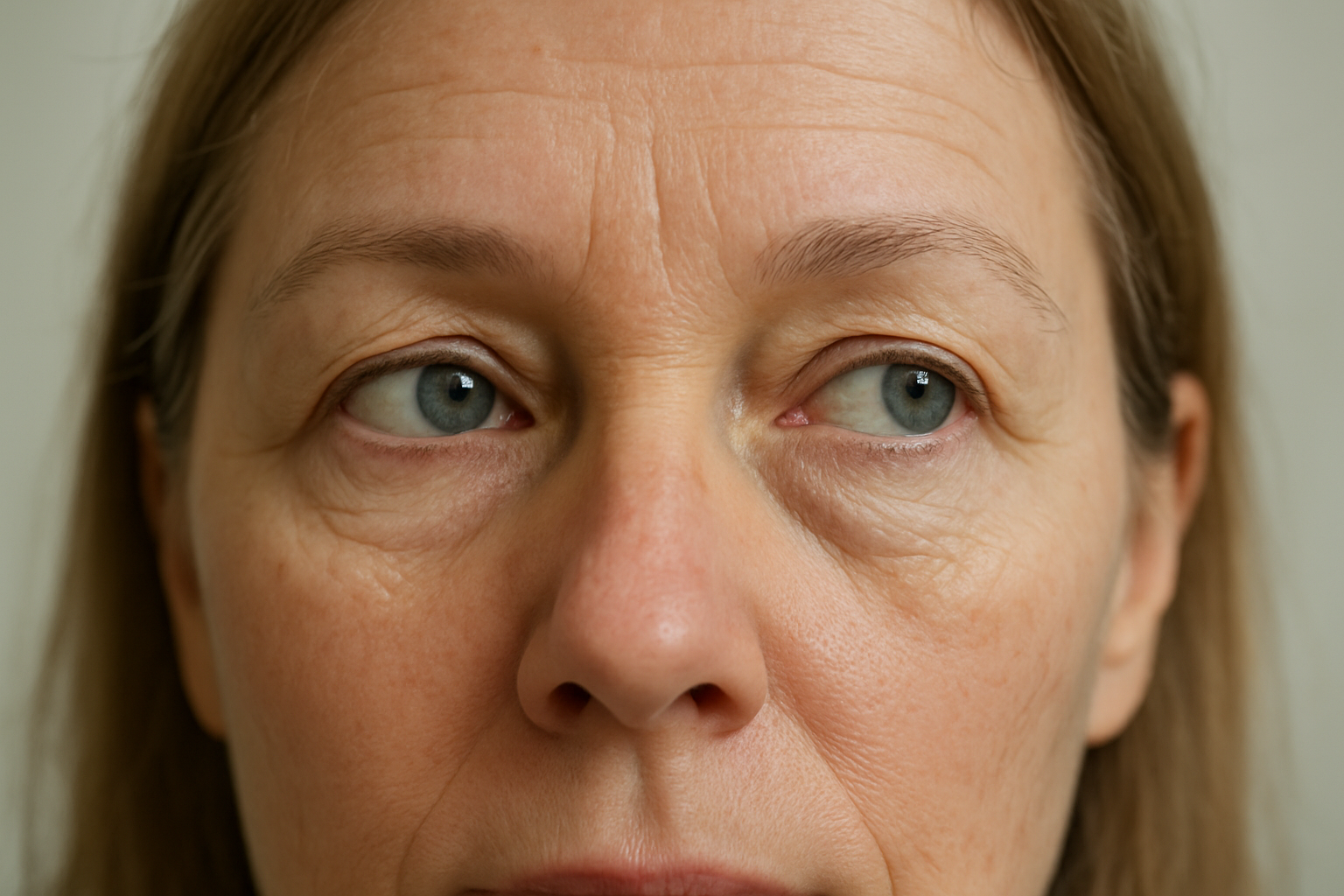
Identify Changes in Eye Movement and Coordination

Notice slower adjustment between near and far objects

Your eyes’ ability to quickly shift focus between different distances relies on the flexibility of your lens and the strength of tiny muscles called ciliary muscles. When ageing eyes begin showing their age, this accommodation process becomes noticeably sluggish. You might find yourself blinking several times or waiting a moment longer when looking up from your phone to check something across the room.

This delayed focusing, known as presbyopia, typically emerges as one of the earliest signs of ageing eyes after 40. The crystalline lens inside your eye gradually hardens and loses its elastic properties, making it increasingly difficult for the ciliary muscles to change its shape efficiently. What once happened in milliseconds now takes several seconds, creating that frustrating moment of blurred vision during focus transitions.

Pay attention to how long it takes your vision to clear when switching between reading a book and watching television, or when glancing from your computer screen to a colleague entering your office. If these adjustments feel slower than they used to, your eyes are signalling the beginning of age-related changes that affect millions experiencing vision changes after 40.

Experience difficulty tracking moving objects

Smooth pursuit eye movements allow you to follow moving objects effortlessly – watching a tennis match, tracking a bird in flight, or following your child running across a playground. As eyes age, these coordinated movements become less precise and require more conscious effort.

You might notice your eyes “jumping” or making jerky movements when trying to follow a moving car or struggling to keep up with fast-paced action scenes in films. This deterioration in tracking ability stems from changes in the neural pathways that control eye movement coordination and the gradual weakening of the six extraocular muscles responsible for eye positioning.

The impact becomes particularly apparent during activities requiring sustained visual tracking. Sports enthusiasts may find their performance declining, not due to reflexes or physical ability, but because their eyes can’t maintain smooth, accurate tracking of fast-moving objects. Even everyday tasks like following text while scrolling on your phone or watching children play in the garden can become more challenging.

Feel eye fatigue after minimal visual tasks

Eye ageing symptoms often manifest as disproportionate tiredness following routine visual activities. Tasks that previously caused no discomfort – reading for twenty minutes, working on a computer, or doing detailed craftwork – now leave your eyes feeling strained, heavy, and uncomfortable.

This premature fatigue occurs because ageing eyes work harder to maintain clear vision. The focusing muscles strain more intensely, the tear film becomes less stable, and the visual processing system requires additional energy to compensate for declining efficiency. What your younger eyes accomplished effortlessly now demands significant muscular and neurological resources.

Digital eye strain becomes particularly problematic for those experiencing eye health after 40 changes. The constant refocusing required when viewing screens, combined with reduced blink rates and blue light exposure, accelerates the onset of fatigue. You might find yourself rubbing your eyes frequently, feeling the need to close them for relief, or experiencing headaches after relatively brief periods of visual concentration.

Observe reduced peripheral vision awareness

Peripheral vision deterioration represents one of the more subtle yet significant ageing eyes changes that many people overlook. Your side vision gradually narrows, reducing your awareness of movement and objects outside your direct line of sight. This change happens so gradually that many don’t recognise the loss until it becomes substantial.

The reduction affects daily activities in ways you might not initially connect to vision changes. You may bump into door frames more often, miss seeing people approaching from the side, or feel less confident driving, particularly when changing lanes or navigating busy car parks. Objects that should be visible in your peripheral field simply don’t register as clearly or quickly as they once did.

This decreased peripheral awareness stems from age-related changes in retinal cells and the gradual loss of rod photoreceptors, which are particularly important for detecting movement and objects in low-light conditions around the edges of your visual field.

Monitor Environmental Impact on Eye Health
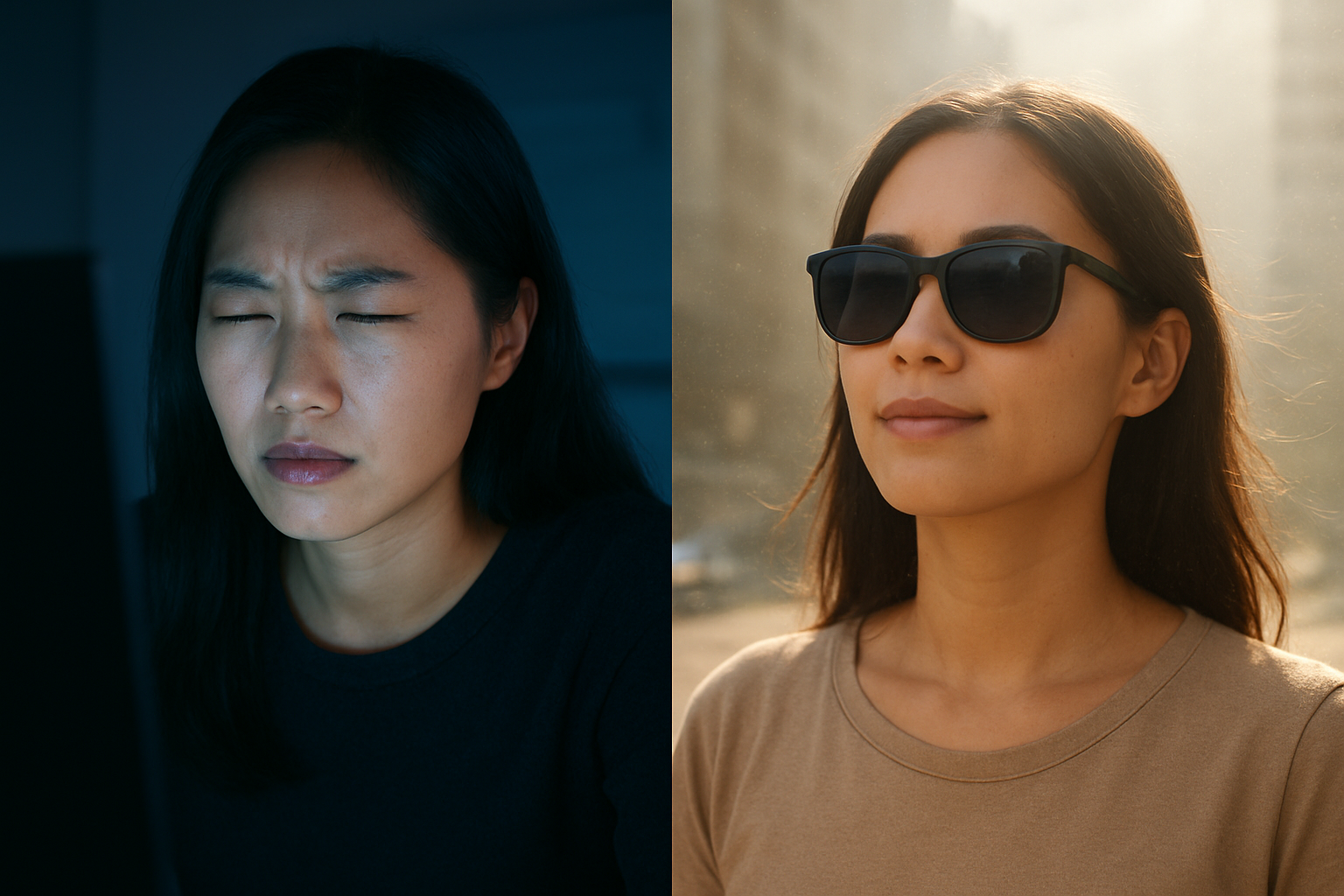
Monitor Environmental Impact on Eye Health

Recognise Increased UV Sensitivity Symptoms

Your ageing eyes become increasingly vulnerable to ultraviolet radiation damage as natural protective mechanisms weaken over time. The lens of your eye gradually loses its ability to filter harmful UV rays effectively, whilst the cornea becomes thinner and more susceptible to damage. You might notice that bright sunlight feels more uncomfortable than it used to, causing excessive squinting, tearing, or a burning sensation even during brief outdoor exposure.

Watch for these telling signs of ageing eyes related to UV sensitivity:

  • Persistent discomfort in bright outdoor conditions, even on overcast days
  • Increased difficulty seeing clearly after sun exposure
  • More frequent headaches following time spent outdoors
  • Heightened sensitivity to reflective surfaces like snow, water, or concrete
  • Feeling like you constantly need darker sunglasses than before

The cumulative effects of UV exposure accelerate eye ageing symptoms, particularly after 40 when your eyes’ natural defence systems begin declining. This increased sensitivity isn’t just about comfort—it’s a warning sign that your eyes are processing environmental stressors less efficiently than they once did.

Notice Worsening Reactions to Air Pollution

Environmental pollutants affect eye health after 40 more dramatically than in younger years. Your tear film becomes less effective at washing away irritants, whilst the conjunctiva—the thin membrane covering your eyes—becomes more reactive to airborne particles. Cities with higher pollution levels can trigger symptoms that weren’t problematic in your younger years.

Ageing eyes typically show these pollution-related changes:

  • Increased redness and irritation on high pollution days
  • More frequent eye infections or styes
  • Persistent grittiness that doesn’t improve with eye drops
  • Excessive tearing when exposed to vehicle emissions or industrial areas
  • Morning symptoms that worsen throughout the day in urban environments

Air quality apps can help you correlate your symptoms with daily pollution levels. Many people notice their vision changes after 40 become more pronounced during high pollution periods, as the eyes struggle to maintain their protective barriers against environmental toxins.

Identify Heightened Computer Vision Syndrome Effects

Digital eye strain affects everyone, but ageing eyes experience more severe and lasting symptoms from prolonged screen use. Your focusing muscles work harder to maintain clarity at close distances, whilst reduced blink rates compound existing dry eyes ageing issues. The blue light emission from devices also becomes more problematic as your natural filtering capacity diminishes.

Modern eye ageing signs related to digital devices include:

  • Difficulty refocusing between screen and distance objects
  • Increased eye fatigue after shorter periods of computer use
  • More pronounced dry eye symptoms during video calls or extended reading
  • Blurred vision that persists even after looking away from screens
  • Neck and shoulder tension from unconscious compensation for vision changes

The 20-20-20 rule becomes essential: every 20 minutes, look at something 20 feet away for at least 20 seconds. Adjusting screen brightness, increasing font sizes, and using artificial tears can help manage these eye ageing symptoms.

What Supplements to Take to Better Support Eye Health

Nutritional support becomes increasingly important as your eyes age and face greater environmental challenges. Eye health supplements can help prevent eye ageing by providing targeted nutrients that support cellular repair and protection against oxidative stress.

Supplement Daily Dosage Key Benefits
Omega-3 fatty acids 1000-2000mg Supports tear production and reduces inflammation
Lutein 10-20mg Protects against blue light damage
Zeaxanthin 2-4mg Enhances macular pigment density
Vitamin C 500-1000mg Antioxidant protection for lens and retina
Vitamin E 15mg Cellular membrane protection
Zinc 8-11mg Supports retinal function and wound healing

Omega-3 for eye health deserves special attention, particularly EPA and DHA forms found in high-quality fish oil supplements. These essential fatty acids help maintain the lipid layer of your tear film, reducing dry eyes ageing symptoms and supporting overall ocular surface health.

Over 40 wellness routines should include regular eye health monitoring alongside these supplements. Choose products from reputable manufacturers that provide third-party testing certificates, and always consult with your healthcare provider before starting new supplements, especially if you’re taking medications or have existing health conditions.

Quality matters significantly with eye health supplements—look for products that combine multiple nutrients in bioavailable forms rather than single-ingredient supplements. The synergistic effects of comprehensive formulations often provide better results for supporting ageing eyes against environmental stressors.
conclusion

The signs your eyes are showing their age can sneak up on you quicker than you’d expect. From the subtle physical changes around your eyes to the more obvious struggles with focus and clarity, your vision system might be working harder than it should. Dryness, irritation, and those moments when your eyes just don’t seem to move as smoothly as before are all telling you something important about what’s happening beneath the surface.

Don’t wait until these warning signs become major problems. Your eyes are working round the clock, and they deserve the same attention you’d give any other part of your body that’s showing signs of wear. Start paying closer attention to how your environment affects your vision, and consider making small changes now that could make a real difference down the road. The sooner you recognise what’s happening, the better chance you have of keeping your eyes healthy and your vision sharp for years to come.

5 Warning Signs Your Eyes Are Ageing Faster Than You Think

Table of Contents

Your eyes might be showing ageing signs earlier than you expect, especially if you’re over 40. Many people notice subtle vision changes but dismiss them as temporary stress or tiredness. This guide helps adults approaching middle age and beyond spot the key eye ageing symptoms before they become serious problems.

Eye health after 40 requires closer attention because ageing eyes develop issues gradually. You might experience dryness that won’t go away, struggle with reading small print, or notice your eyes feel tired after screen time. These signs of ageing eyes often appear years before you think they should.

We’ll explore how to recognise early physical changes around your eyes, including puffiness and sensitivity that signal deeper issues. You’ll also learn to identify vision quality problems like blurriness or difficulty adjusting to light changes. Finally, we’ll cover why dry eyes and irritation become more common with age, plus simple steps to prevent eye ageing through proper nutrition and eye health supplements.

Recognise the Early Physical Changes Around Your Eyes

Recognise the Early Physical Changes Around Your Eyes

Spot Fine Lines Appearing Earlier Than Expected

The delicate skin around your eyes is often the first to betray the passage of time, sometimes catching you completely off guard. This paper-thin area contains virtually no oil glands and loses collagen at an accelerated rate, making it particularly vulnerable to premature ageing eyes symptoms.

Fine lines typically begin as barely visible creases that appear during facial expressions – those subtle crow’s feet that emerge when you laugh or squint. What starts as temporary expression lines gradually becomes permanent etching as the skin loses its elasticity. Many people notice these eye ageing signs appearing in their early thirties, particularly around the outer corners where the skin stretches repeatedly throughout the day.

The progression follows a predictable pattern: dynamic lines form first during movement, then static lines develop that remain visible even when your face is relaxed. Environmental factors accelerate this process significantly. Regular sun exposure without proper protection breaks down collagen fibres, whilst digital screen time increases squinting and blinking patterns that deepen expression lines.

Eye health after 40 becomes even more critical as cellular regeneration slows dramatically. The skin’s natural repair mechanisms become less efficient, and existing lines deepen whilst new ones appear more rapidly. Sleep position also plays a role – consistently sleeping on one side can create asymmetrical line development.

Notice Increased Puffiness and Dark Circles

Morning puffiness that once disappeared within minutes now lingers for hours, signalling changes in your eye area’s lymphatic drainage and skin structure. This persistent swelling indicates weakening tissues that struggle to bounce back from overnight fluid accumulation.

Dark circles become more pronounced as the thin under-eye skin reveals underlying blood vessels more clearly. The loss of subcutaneous fat padding creates a hollow appearance, whilst decreased circulation causes blood to pool in the delicate capillaries beneath your eyes. These signs of ageing eyes often become more noticeable after poor sleep, high sodium intake, or hormonal fluctuations.

The colour and type of dark circles can indicate different underlying causes:

Circle Type Appearance Primary Cause
Pigmented Brown/black Melanin accumulation
Vascular Blue/purple Blood vessel visibility
Structural Shadowing Volume loss and hollowing
Allergic Reddish-brown Chronic inflammation

Puffiness patterns also change with age. Young skin shows temporary morning swelling that quickly resolves, whilst ageing eyes display persistent puffiness that worsens throughout the day. Gravity compounds the problem as weakened tissue support allows fluid to accumulate in lower areas.

Lifestyle factors significantly impact these changes. Excessive alcohol consumption, smoking, and poor over 40 wellness habits accelerate tissue breakdown and impair circulation. Conversely, proper hydration, elevated sleep positioning, and gentle lymphatic massage can help minimise these effects.

Identify Changes in Eyelid Texture and Firmness

The eyelid skin undergoes dramatic transformations that extend beyond simple wrinkling. Upper eyelids may develop a crepe-like texture as collagen and elastin fibres break down, creating a loose, gathered appearance that can eventually affect your field of vision.

Lower eyelids show different eye ageing symptoms, often developing a rougher texture with more pronounced skin folds. The muscle tone beneath weakens, causing the skin to sag and create pockets where shadows naturally fall. This combination creates an aged appearance that makeup alone cannot fully disguise.

Firmness testing reveals significant changes – gently pressing the eyelid skin shows delayed bounce-back compared to younger skin. The elasticity loss is particularly noticeable when blinking or during facial expressions, as the skin takes longer to return to its original position.

Texture changes often include increased dryness and sensitivity as the skin’s barrier function weakens. The natural oil production decreases, leaving the delicate eye area more vulnerable to environmental irritants and requiring more intensive moisturising routines.

These physical changes interconnect with overall eye health after 40, as weakened eyelid muscles may affect proper tear distribution, leading to dry spots and irritation. The structural changes can also impact how effectively you blink, potentially contributing to dry eyes ageing processes that compound the aesthetic concerns with functional vision problems.

Understand Vision Quality Deterioration Signs

Understand Vision Quality Deterioration Signs

Experience Frequent Eye Strain During Daily Activities

Your eyes shouldn’t feel tired after a normal day, yet many people dismiss constant eye strain as a simple byproduct of modern life. The reality is that persistent eye fatigue often signals that your ageing eyes are working harder than they should to maintain clear vision.

Digital eye strain has become increasingly common, but when your eyes feel exhausted after just 30 minutes of screen time or reading, this could indicate early presbyopia or other eye ageing symptoms. The muscles that control your lens become less flexible with age, forcing them to work overtime to maintain focus. This extra effort manifests as that familiar burning, tired sensation that seems to worsen throughout the day.

Pay attention to headaches that develop around your temples or behind your eyes. These aren’t random occurrences – they’re often your body’s way of signalling that your visual system is under stress. The strain spreads beyond your eyes to surrounding muscles as they compensate for declining visual acuity.

Signs of ageing eyes during daily activities include:

  • Needing frequent breaks while reading or using devices
  • Rubbing your eyes more often than usual
  • Blinking excessively to clear your vision
  • Feeling like your eyes are “working harder” to see clearly
  • Experiencing fatigue that worsens with visual tasks

Notice Difficulty Focusing on Close Objects

Presbyopia sneaks up gradually, making it one of the most overlooked vision changes after 40. You might first notice it when holding your phone further away to read messages clearly, or when restaurant menus suddenly seem to have impossibly small print.

This focusing difficulty occurs because the lens in your eye becomes less elastic over time. Think of it like a camera that’s losing its ability to adjust for close-up shots. The ciliary muscles that change your lens shape for near vision become weaker, and the lens itself hardens, making accommodation increasingly difficult.

The progression is often subtle but predictable:

Stage Typical Symptoms Age Range
Early Slight blur when reading fine print 40-45
Moderate Need to hold reading material at arm’s length 45-50
Advanced Difficulty with all near tasks without glasses 50+

Many people compensate unconsciously by increasing lighting when reading or squinting to create a pinhole effect. While these strategies might work temporarily, they’re clear indicators that your near vision is declining. The key is recognising these adaptations as eye ageing signs rather than normal adjustments.

Observe Increased Sensitivity to Bright Lights

Light sensitivity, medically known as photophobia, becomes more pronounced as your eyes age. The pupils become less responsive to light changes, and the natural yellowing of the lens affects how light is processed. This creates uncomfortable glare in situations that previously posed no problems.

Driving becomes particularly challenging when oncoming headlights create halos or starbursts around light sources. Bright sunlight that once felt pleasant now requires constant squinting or sunglasses, even on moderately sunny days. Indoor lighting that seemed adequate now feels either too dim or harshly bright.

The ageing cornea also becomes less smooth, scattering light rather than focusing it cleanly. This scattered light creates visual noise that your brain must work harder to filter out, contributing to overall visual fatigue and discomfort.

Common light sensitivity indicators include:

  • Squinting in normal daylight conditions
  • Avoiding brightly lit environments
  • Experiencing headaches in fluorescent lighting
  • Needing sunglasses more frequently
  • Seeing halos around light sources

Struggle with Night Vision Clarity

Night vision deterioration is often the most noticeable and concerning eye ageing symptom for many people. The changes happen gradually but become unmistakably apparent when driving after dark or navigating dimly lit spaces.

Your pupils naturally become smaller and less responsive with age, allowing less light to reach your retina. The rod cells responsible for low-light vision also become less sensitive over time. Combined with potential early cataract formation – even microscopic changes can affect night vision – these factors create a perfect storm for reduced visibility in dim conditions.

Street signs that were once easily readable now require closer proximity. Parking in dimly lit areas becomes anxiety-inducing rather than routine. The transition from bright to dark environments takes longer, leaving you temporarily blind while your eyes adjust.

Night vision warning signs for eye health after 40:

  • Difficulty reading street signs in twilight
  • Increased glare from oncoming headlights
  • Slower adaptation when moving between light levels
  • Reluctance to drive after sunset
  • Bumping into objects in dim lighting

These vision quality changes don’t happen overnight, but recognising them early allows for proactive management. Regular eye examinations become increasingly important as these symptoms can indicate not just normal ageing but potentially treatable conditions that could preserve your vision for years to come.

Detect Dryness and Irritation Symptoms

Detect Dryness and Irritation Symptoms

Feel persistent scratchiness throughout the day

That gritty sensation in your eyes isn’t just from a busy day staring at screens. Persistent scratchiness often signals the beginning of dry eyes ageing, where your tear production starts declining more rapidly than expected. Your eyes might feel like there’s sand trapped beneath your eyelids, particularly noticeable when you first wake up or during the afternoon hours.

This scratchy feeling becomes more pronounced as we enter our 40s because the composition of our tears changes. The oil-producing glands in your eyelids become less efficient, creating tears that evaporate too quickly. You’ll find yourself rubbing your eyes more frequently, which only worsens the irritation and can lead to inflammation around the delicate eye area.

Women experiencing hormonal changes often notice this ageing eyes symptom intensifies during menopause, when oestrogen levels drop significantly. The scratchiness might come and go initially, but as eye ageing signs progress, it becomes a constant companion throughout your day.

Notice excessive tearing as a compensation response

Your eyes might seem to be working overtime, producing tears when you least expect it. This contradictory symptom puzzles many people – how can your eyes be both dry and watery simultaneously? The answer lies in your body’s desperate attempt to compensate for poor tear quality.

When your natural tear film becomes unstable, your eyes trigger reflex tearing to flush out irritants and provide moisture. These compensatory tears lack the proper balance of oils, water, and proteins that healthy tears contain. They’re essentially emergency measures that don’t provide lasting relief.

You might notice tears streaming down your face when stepping outside on windy days, reading for extended periods, or even during emotional moments when your eyes are already stressed. This excessive tearing represents one of the most misunderstood signs of ageing eyes, as many people assume watery eyes mean adequate lubrication.

Experience burning sensations during screen use

The burning sensation that creeps up during digital device use has become increasingly common among those experiencing vision changes after 40. Your eyes might feel like they’re on fire after just an hour of computer work, tablet reading, or smartphone scrolling. This burning often intensifies as the day progresses, making evening activities uncomfortable.

Screen time reduces your natural blink rate by up to 60%, preventing proper tear distribution across your eye surface. When combined with age-related changes in tear production, this creates perfect conditions for that characteristic burning sensation. The blue light emission from devices can also contribute to inflammation, worsening the discomfort.

Climate-controlled offices with dry air circulation compound the problem. Your eyes work harder to maintain moisture whilst processing visual information from screens, creating a double burden that manifests as persistent burning. This symptom often serves as an early warning sign that your eye health after 40 needs immediate attention.

What you can use to counteract dryness and irritation

Addressing these uncomfortable symptoms requires a multi-layered approach that goes beyond basic eye drops. Eye health supplements containing omega-3 fatty acids have shown remarkable success in improving tear quality and reducing inflammation. These supplements work from the inside out, helping your oil glands function more effectively.

Omega-3 for eye health particularly targets the root cause of tear film instability. Clinical studies demonstrate that consistent supplementation with high-quality omega-3s can significantly reduce dry eye symptoms within 6-8 weeks. Look for supplements with a proper EPA to DHA ratio for optimal benefits.

Solution Type Immediate Relief Long-term Benefits
Preservative-free eye drops High Low
Omega-3 supplements Low Very High
Humidifier use Medium Medium
Screen break habits Medium High

Environmental modifications make substantial differences too. Position humidifiers in your workspace and bedroom to maintain 40-50% humidity levels. Take regular breaks using the 20-20-20 rule: every 20 minutes, look at something 20 feet away for 20 seconds.

Consider switching to preservative-free lubricating drops for immediate relief without long-term irritation. Night-time eye ointments provide extended moisture during sleep when natural tear production is at its lowest. Warm compresses applied for 10-15 minutes daily can help unblock oil glands and improve tear quality naturally.

Identify Changes in Eye Movement and Coordination

Identify Changes in Eye Movement and Coordination

Notice slower adjustment between near and far objects

Your eyes’ ability to quickly shift focus between different distances relies on the flexibility of your lens and the strength of tiny muscles called ciliary muscles. When ageing eyes begin showing their age, this accommodation process becomes noticeably sluggish. You might find yourself blinking several times or waiting a moment longer when looking up from your phone to check something across the room.

This delayed focusing, known as presbyopia, typically emerges as one of the earliest signs of ageing eyes after 40. The crystalline lens inside your eye gradually hardens and loses its elastic properties, making it increasingly difficult for the ciliary muscles to change its shape efficiently. What once happened in milliseconds now takes several seconds, creating that frustrating moment of blurred vision during focus transitions.

Pay attention to how long it takes your vision to clear when switching between reading a book and watching television, or when glancing from your computer screen to a colleague entering your office. If these adjustments feel slower than they used to, your eyes are signalling the beginning of age-related changes that affect millions experiencing vision changes after 40.

Experience difficulty tracking moving objects

Smooth pursuit eye movements allow you to follow moving objects effortlessly – watching a tennis match, tracking a bird in flight, or following your child running across a playground. As eyes age, these coordinated movements become less precise and require more conscious effort.

You might notice your eyes “jumping” or making jerky movements when trying to follow a moving car or struggling to keep up with fast-paced action scenes in films. This deterioration in tracking ability stems from changes in the neural pathways that control eye movement coordination and the gradual weakening of the six extraocular muscles responsible for eye positioning.

The impact becomes particularly apparent during activities requiring sustained visual tracking. Sports enthusiasts may find their performance declining, not due to reflexes or physical ability, but because their eyes can’t maintain smooth, accurate tracking of fast-moving objects. Even everyday tasks like following text while scrolling on your phone or watching children play in the garden can become more challenging.

Feel eye fatigue after minimal visual tasks

Eye ageing symptoms often manifest as disproportionate tiredness following routine visual activities. Tasks that previously caused no discomfort – reading for twenty minutes, working on a computer, or doing detailed craftwork – now leave your eyes feeling strained, heavy, and uncomfortable.

This premature fatigue occurs because ageing eyes work harder to maintain clear vision. The focusing muscles strain more intensely, the tear film becomes less stable, and the visual processing system requires additional energy to compensate for declining efficiency. What your younger eyes accomplished effortlessly now demands significant muscular and neurological resources.

Digital eye strain becomes particularly problematic for those experiencing eye health after 40 changes. The constant refocusing required when viewing screens, combined with reduced blink rates and blue light exposure, accelerates the onset of fatigue. You might find yourself rubbing your eyes frequently, feeling the need to close them for relief, or experiencing headaches after relatively brief periods of visual concentration.

Observe reduced peripheral vision awareness

Peripheral vision deterioration represents one of the more subtle yet significant ageing eyes changes that many people overlook. Your side vision gradually narrows, reducing your awareness of movement and objects outside your direct line of sight. This change happens so gradually that many don’t recognise the loss until it becomes substantial.

The reduction affects daily activities in ways you might not initially connect to vision changes. You may bump into door frames more often, miss seeing people approaching from the side, or feel less confident driving, particularly when changing lanes or navigating busy car parks. Objects that should be visible in your peripheral field simply don’t register as clearly or quickly as they once did.

This decreased peripheral awareness stems from age-related changes in retinal cells and the gradual loss of rod photoreceptors, which are particularly important for detecting movement and objects in low-light conditions around the edges of your visual field.

Monitor Environmental Impact on Eye Health

Monitor Environmental Impact on Eye Health

Recognise Increased UV Sensitivity Symptoms

Your ageing eyes become increasingly vulnerable to ultraviolet radiation damage as natural protective mechanisms weaken over time. The lens of your eye gradually loses its ability to filter harmful UV rays effectively, whilst the cornea becomes thinner and more susceptible to damage. You might notice that bright sunlight feels more uncomfortable than it used to, causing excessive squinting, tearing, or a burning sensation even during brief outdoor exposure.

Watch for these telling signs of ageing eyes related to UV sensitivity:

  • Persistent discomfort in bright outdoor conditions, even on overcast days
  • Increased difficulty seeing clearly after sun exposure
  • More frequent headaches following time spent outdoors
  • Heightened sensitivity to reflective surfaces like snow, water, or concrete
  • Feeling like you constantly need darker sunglasses than before

The cumulative effects of UV exposure accelerate eye ageing symptoms, particularly after 40 when your eyes’ natural defence systems begin declining. This increased sensitivity isn’t just about comfort—it’s a warning sign that your eyes are processing environmental stressors less efficiently than they once did.

Notice Worsening Reactions to Air Pollution

Environmental pollutants affect eye health after 40 more dramatically than in younger years. Your tear film becomes less effective at washing away irritants, whilst the conjunctiva—the thin membrane covering your eyes—becomes more reactive to airborne particles. Cities with higher pollution levels can trigger symptoms that weren’t problematic in your younger years.

Ageing eyes typically show these pollution-related changes:

  • Increased redness and irritation on high pollution days
  • More frequent eye infections or styes
  • Persistent grittiness that doesn’t improve with eye drops
  • Excessive tearing when exposed to vehicle emissions or industrial areas
  • Morning symptoms that worsen throughout the day in urban environments

Air quality apps can help you correlate your symptoms with daily pollution levels. Many people notice their vision changes after 40 become more pronounced during high pollution periods, as the eyes struggle to maintain their protective barriers against environmental toxins.

Identify Heightened Computer Vision Syndrome Effects

Digital eye strain affects everyone, but ageing eyes experience more severe and lasting symptoms from prolonged screen use. Your focusing muscles work harder to maintain clarity at close distances, whilst reduced blink rates compound existing dry eyes ageing issues. The blue light emission from devices also becomes more problematic as your natural filtering capacity diminishes.

Modern eye ageing signs related to digital devices include:

  • Difficulty refocusing between screen and distance objects
  • Increased eye fatigue after shorter periods of computer use
  • More pronounced dry eye symptoms during video calls or extended reading
  • Blurred vision that persists even after looking away from screens
  • Neck and shoulder tension from unconscious compensation for vision changes

The 20-20-20 rule becomes essential: every 20 minutes, look at something 20 feet away for at least 20 seconds. Adjusting screen brightness, increasing font sizes, and using artificial tears can help manage these eye ageing symptoms.

What Supplements to Take to Better Support Eye Health

Nutritional support becomes increasingly important as your eyes age and face greater environmental challenges. Eye health supplements can help prevent eye ageing by providing targeted nutrients that support cellular repair and protection against oxidative stress.

Supplement Daily Dosage Key Benefits
Omega-3 fatty acids 1000-2000mg Supports tear production and reduces inflammation
Lutein 10-20mg Protects against blue light damage
Zeaxanthin 2-4mg Enhances macular pigment density
Vitamin C 500-1000mg Antioxidant protection for lens and retina
Vitamin E 15mg Cellular membrane protection
Zinc 8-11mg Supports retinal function and wound healing

Omega-3 for eye health deserves special attention, particularly EPA and DHA forms found in high-quality fish oil supplements. These essential fatty acids help maintain the lipid layer of your tear film, reducing dry eyes ageing symptoms and supporting overall ocular surface health.

Over 40 wellness routines should include regular eye health monitoring alongside these supplements. Choose products from reputable manufacturers that provide third-party testing certificates, and always consult with your healthcare provider before starting new supplements, especially if you’re taking medications or have existing health conditions.

Quality matters significantly with eye health supplements—look for products that combine multiple nutrients in bioavailable forms rather than single-ingredient supplements. The synergistic effects of comprehensive formulations often provide better results for supporting ageing eyes against environmental stressors.

conclusion

The signs your eyes are showing their age can sneak up on you quicker than you’d expect. From the subtle physical changes around your eyes to the more obvious struggles with focus and clarity, your vision system might be working harder than it should. Dryness, irritation, and those moments when your eyes just don’t seem to move as smoothly as before are all telling you something important about what’s happening beneath the surface.

Don’t wait until these warning signs become major problems. Your eyes are working round the clock, and they deserve the same attention you’d give any other part of your body that’s showing signs of wear. Start paying closer attention to how your environment affects your vision, and consider making small changes now that could make a real difference down the road. The sooner you recognise what’s happening, the better chance you have of keeping your eyes healthy and your vision sharp for years to come.

No Affiliate Products found.

Related Blog