
EverWise Health

<--Awin verification 001-->

7 Signs Your Gut Bacteria Needs Change After 40

Your body sends clear signals when your gut bacteria needs to change after 40, and needs attention. As we age, our gut microbiome naturally shifts, but certain warning signs shouldn’t be ignored.

This guide is for adults over 40 who’ve noticed changes in their digestion, energy, or overall wellbeing and want to understand if poor gut health might be the culprit.

You’ll discover how digestive changes reveal gut bacteria imbalance and why your energy levels and mood swings might actually stem from your gut microbiome after 40. We’ll also explore how your immune system weakening connects to deteriorating gut bacteria, and share practical steps to restore balance using targeted probiotics after 40 and prebiotics for gut health.

Ready to decode what your body’s trying to tell you about your digestive health after 40?

Digestive Changes That Signal Gut Bacteria Needs to Change After 40
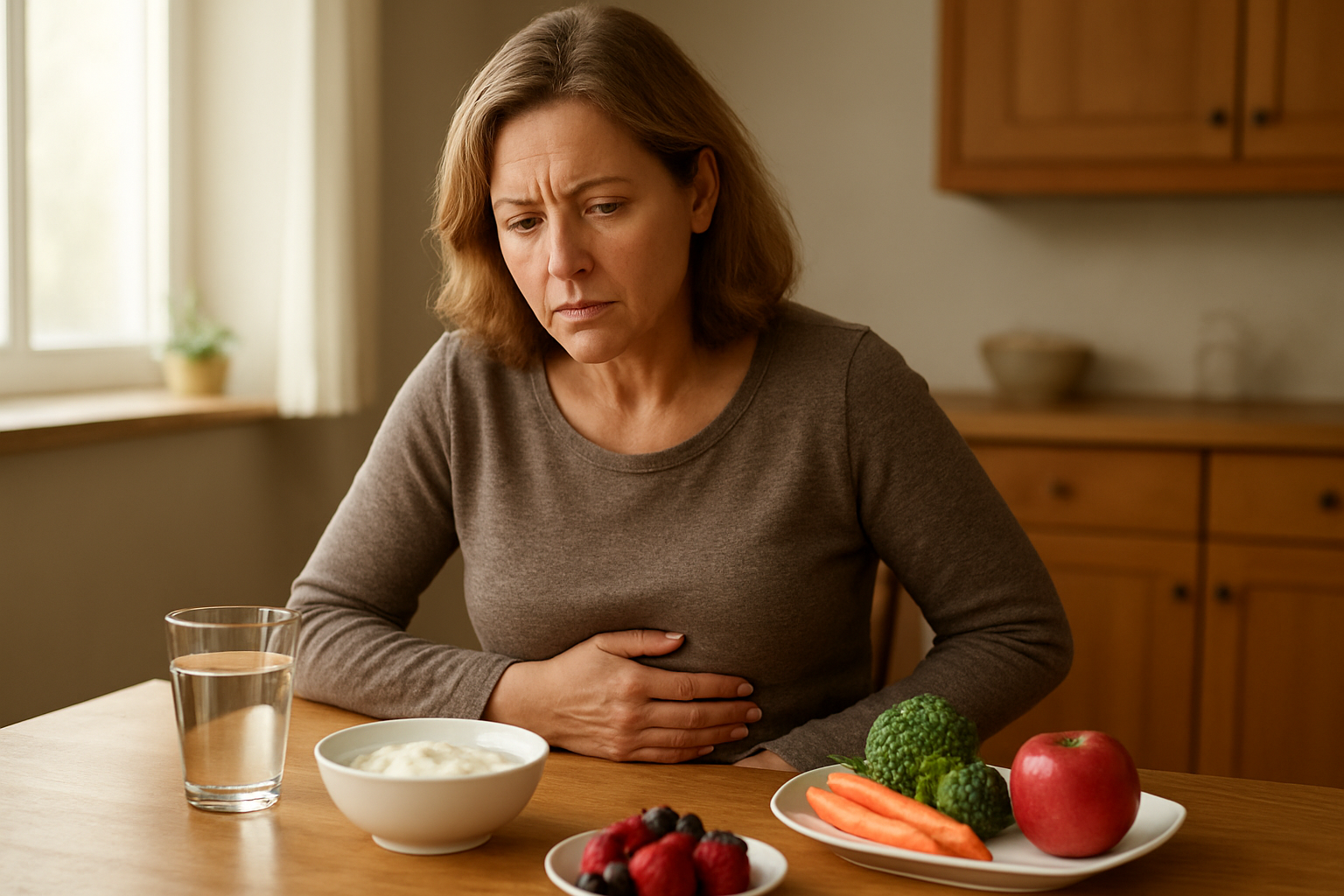
Digestive Changes That Signal Gut Imbalance After 40

Increased Bloating and Gas After Meals

That uncomfortable feeling of your trousers becoming tighter after eating isn’t just about portion sizes. When gut bacteria after 40 starts shifting out of balance, bloating becomes a regular dinner companion. Your digestive system, which once handled meals with ease, now seems to turn even simple foods into a source of discomfort.

The changes happen because beneficial bacteria populations decline with age, whilst harmful bacteria often multiply. This imbalance creates excess fermentation in your digestive tract, producing gases that leave you feeling like a balloon. Even foods you’ve enjoyed for decades might suddenly trigger bloating episodes that last for hours.

Pay attention to which foods consistently cause problems. Common culprits include dairy products, cruciferous vegetables, and high-fibre foods that your changing gut microbiome after 40 struggles to process efficiently. The timing matters too – if bloating occurs within 30 minutes of eating, it often points to bacterial imbalance rather than food allergies.

Irregular Bowel Movements and Constipation Patterns

Your bathroom routine tells a detailed story about your gut health after 40. When beneficial bacteria populations drop, your digestive rhythm changes dramatically. What was once predictable becomes erratic, with days of constipation followed by loose stools or complete irregularity.

Healthy gut bacteria produce short-chain fatty acids that keep your intestinal muscles working properly. Without enough good bacteria, these muscles lose their coordination, leading to sluggish bowel movements. You might notice stools becoming harder, smaller, or requiring more effort to pass.

The colour and consistency changes too. Healthy stools should be brown and well-formed, but gut bacteria imbalance often produces pale, hard pellets or overly soft, unformed waste. Track these patterns for a week to identify trends that might indicate deeper digestive health after 40 issues.

Food Intolerances Developing Unexpectedly

Foods that never bothered you before suddenly become problematic after 40, creating a confusing maze of dietary restrictions. This isn’t just pickiness – it’s your gut microbiome signalling that something fundamental has shifted.

A balanced microbiome helps break down various food compounds, including lactose, gluten proteins, and complex carbohydrates. When signs of poor gut health emerge, your digestive system loses this processing power. Dairy might start causing stomach upset, wheat products could trigger bloating, and even certain fruits might become difficult to digest.

These new intolerances often develop gradually. You might notice mild discomfort after eating certain foods, which progressively worsens over months. The inflammation and gut health connection means that unaddressed food intolerances can create a cycle where inflammation damages gut bacteria, which creates more intolerances.

Keep a food diary noting what you eat and how you feel within 2-4 hours afterwards. Patterns will emerge showing which foods your changing gut struggles to handle.

Persistent Stomach Discomfort and Cramping

Chronic stomach discomfort becomes the unwelcome background noise of daily life when gut bacteria balance shifts. Unlike occasional indigestion from overeating, this discomfort feels constant, creating a nagging awareness that something isn’t right.

The cramping often follows unpredictable patterns – sometimes severe after meals, other times appearing randomly throughout the day. Your stomach might feel tender to touch, or you might experience waves of cramping that come and go without obvious triggers.

This happens because gut bacteria imbalance creates chronic low-level inflammation in your digestive tract. The intestinal lining becomes irritated, sending pain signals even when no immediate threat exists. Your nervous system, which connects directly to your gut, amplifies these signals, creating persistent discomfort that affects your quality of life.

The pain might shift locations too – sometimes upper stomach, sometimes lower abdomen, reflecting how widespread the bacterial imbalance has become throughout your digestive system.

Energy and Mood Fluctuations Linked to Poor Gut Health

Energy and Mood Fluctuations Linked to Poor Gut Health

Chronic fatigue despite adequate sleep

Your gut microbiome after 40 plays a crucial role in energy production that many people don’t realise. When gut bacteria imbalance occurs, it directly affects how your body processes nutrients and manufactures essential energy-supporting compounds. Even if you’re getting seven to eight hours of quality sleep, you might find yourself dragging through the day.

The gut produces approximately 90% of your body’s serotonin, which doesn’t just regulate mood—it also influences your sleep-wake cycle and energy levels. Poor gut health after 40 can disrupt this production, leaving you feeling exhausted regardless of your sleep duration. Your digestive system also manufactures B vitamins, particularly B12 and folate, which are vital for cellular energy production. When beneficial bacteria populations decline, your body struggles to create these energy-boosting nutrients.

Inflammation caused by gut bacteria imbalance creates another energy drain. Your immune system works overtime to manage chronic low-grade inflammation, redirecting resources away from normal cellular functions. This process literally steals energy from your daily activities, leaving you feeling wiped out by mid-afternoon.

Signs that your fatigue stems from gut issues include:

  • Feeling tired even after a full night’s rest
  • Energy crashes that coincide with digestive discomfort
  • Difficulty maintaining energy throughout the day
  • Fatigue that worsens after meals high in processed foods

Unexplained mood swings and irritability

The gut-brain axis becomes particularly sensitive after 40, making mood fluctuations a telling sign of digestive health problems. Your intestinal bacteria communicate directly with your brain through the vagus nerve, producing neurotransmitters that regulate emotional stability. When this delicate ecosystem falls out of balance, your mood pays the price.

Beneficial bacteria strains like Lactobacillus helveticus and Bifidobacterium longum help maintain emotional equilibrium by producing gamma-aminobutyric acid (GABA), a calming neurotransmitter. Without adequate populations of these helpful microbes, anxiety and irritability can spike unexpectedly. You might notice yourself snapping at loved ones or feeling overwhelmed by situations that previously felt manageable.

Gut bacteria imbalance also affects cortisol regulation. Unhealthy bacteria can trigger inflammatory responses that keep stress hormones elevated, creating a cycle of emotional instability. This explains why you might feel on edge even during relatively calm periods of your life.

Watch for these mood-related warning signs:

  • Sudden irritability without clear triggers
  • Feeling emotionally fragile or overwhelmed
  • Mood changes that seem tied to digestive symptoms
  • Increased sensitivity to stress or minor setbacks
  • Emotional reactions that feel disproportionate to circumstances

Difficulty concentrating and brain fog

Brain fog represents one of the most frustrating symptoms of poor gut health after 40. This mental cloudiness stems from inflammation and toxins produced by harmful bacteria crossing the intestinal barrier and affecting cognitive function. Your ability to think clearly, remember details, and maintain focus can suffer dramatically when your gut microbiome is out of balance.

The inflammatory compounds released by unhealthy gut bacteria can cross the blood-brain barrier, directly impacting brain tissue. This process interferes with neurotransmitter production and cellular communication in your brain, making concentration feel like an uphill battle. You might find yourself re-reading the same paragraph multiple times or struggling to complete tasks that once felt effortless.

Digestive health after 40 becomes particularly important for cognitive function because the ageing process naturally reduces beneficial bacteria populations. Without intervention, this decline can accelerate brain fog symptoms. Poor nutrient absorption caused by gut imbalance means your brain isn’t receiving the vitamins, minerals, and fatty acids it needs for optimal performance.

Common brain fog symptoms linked to gut problems include:

  • Difficulty focusing on tasks for extended periods
  • Feeling mentally “stuck” or unable to think clearly
  • Trouble finding the right words during conversations
  • Forgetting routine information or appointments
  • Mental fatigue that worsens throughout the day
  • Reduced problem-solving abilities

The connection between gut bacteria after 40 and cognitive function is so strong that improving your microbiome often leads to noticeable improvements in mental clarity within weeks. Supporting your digestive system with targeted probiotics and gut-healing nutrients can help restore the sharp thinking you remember from your younger years.

Immune System Weakening as Gut Bacteria Deteriorates

Immune System Weakening as Gut Bacteria Deteriorates

Frequent Colds and Infections

After 40, your immune system begins to rely more heavily on the gut bacteria for protection against common infections. When gut bacteria imbalance occurs, you’ll notice catching every cold that goes around the office or picking up infections that others seem to shake off easily. The gut microbiome after 40 plays a crucial role in producing antibodies and supporting immune cell function.

Your digestive tract houses approximately 70% of your immune system, making gut health after 40 absolutely essential for maintaining resistance to pathogens. When beneficial bacteria decline, harmful microorganisms can flourish, weakening your body’s first line of defence. This creates a perfect storm where respiratory infections, urinary tract infections, and even food poisoning become more frequent visitors.

Many people dismiss recurring infections as simply “getting older,” but these episodes often signal that your gut bacteria after 40 needs immediate attention. The connection between digestive health after 40 and immune function becomes particularly evident when you experience infections that linger longer than expected or return shortly after seeming to clear up.

Slower Recovery from Minor Illnesses

Recovery time from common ailments like colds, flu, or minor injuries increases significantly when gut bacteria deteriorates. What once took three days to overcome now stretches into weeks, leaving you feeling frustrated and depleted. This prolonged healing process directly correlates with inflammation and gut health imbalances that develop after 40.

Poor gut health disrupts the production of short-chain fatty acids, which are vital for reducing inflammation throughout the body. Without these beneficial compounds, your immune system struggles to coordinate an effective response and return to baseline health. The signs of poor gut health become particularly apparent when comparing your current recovery times to those from your younger years.

Your gut microbiome produces essential vitamins like B12, folate, and vitamin K, all crucial for cellular repair and immune function. When bacterial diversity decreases, vitamin production suffers, directly impacting your body’s ability to heal and regenerate damaged tissues. This creates a cycle where poor nutrition absorption leads to slower healing, which places additional stress on an already compromised system.

Increased Allergic Reactions to Common Substances

Developing new allergies or experiencing worsening reactions to previously tolerated substances often indicates gut bacteria imbalance after 40. Your digestive system’s ability to distinguish between harmful invaders and harmless proteins becomes compromised when beneficial bacteria populations decline.

Food sensitivities that never bothered you before suddenly trigger uncomfortable symptoms like bloating, rashes, or digestive upset. Environmental allergens such as pollen, dust, or pet dander may provoke stronger reactions than in previous years. This heightened sensitivity stems from increased intestinal permeability, commonly known as “leaky gut,” which allows larger protein molecules to enter the bloodstream and trigger immune responses.

The gut barrier function deteriorates when protective bacteria species diminish, allowing allergens to cross into systemic circulation more easily. This phenomenon explains why many people over 40 suddenly develop lactose intolerance, gluten sensitivity, or reactions to foods they’ve enjoyed their entire lives.

Persistent Skin Problems and Inflammation

Chronic skin issues like eczema, psoriasis, acne, or unexplained rashes frequently reflect internal gut problems that intensify after 40. The gut-skin axis demonstrates how intestinal health directly influences skin appearance and function through complex inflammatory pathways.

When gut bacteria populations become imbalanced, inflammatory compounds circulate throughout the body, manifesting as visible skin problems. These inflammatory markers can trigger flare-ups of existing conditions or create entirely new skin challenges that seem to appear without obvious external causes.

Probiotics after 40 and prebiotics for gut health can help restore the bacterial balance necessary for healthy skin function. The connection between internal inflammation and external appearance becomes increasingly important as natural collagen production decreases and skin repair processes slow down with age.

Sleep Disturbances Connected to Gut Microbiome Issues

Sleep Disturbances Connected to Gut Microbiome Issues

Difficulty Falling Asleep Naturally

Your gut bacteria after 40 plays a crucial role in producing neurotransmitters that regulate your sleep-wake cycle. When gut microbiome after 40 becomes imbalanced, it directly impacts your body’s ability to wind down naturally at bedtime. The gut produces approximately 90% of your body’s serotonin, which converts to melatonin – your primary sleep hormone.

Poor gut health after 40 disrupts this delicate production line. Harmful bacteria can crowd out beneficial strains that support neurotransmitter synthesis, leaving you lying awake despite feeling physically tired. You might find yourself tossing and turning for hours, with your mind racing even when you’ve followed your usual bedtime routine.

Inflammation and gut health are closely linked, and chronic low-grade inflammation from gut bacteria imbalance can keep your nervous system in a heightened state. This makes it nearly impossible to achieve the relaxed state necessary for natural sleep onset. Many people over 40 notice they need longer to fall asleep compared to their younger years, and this change often coincides with declining digestive health.

The connection between your evening meal and sleep quality becomes more pronounced with age. If your gut struggles with poor bacterial diversity, even light dinners can trigger inflammatory responses that interfere with your natural circadian rhythms.

Frequent Night-Time Awakenings

Digestive health after 40 significantly impacts sleep continuity throughout the night. When signs of poor gut health manifest as bacterial overgrowth or dysbiosis, your body may wake you repeatedly during what should be restorative sleep phases.

Your gut operates on its own circadian rhythm, and disrupted gut bacteria can send mixed signals to your brain about when to maintain deep sleep. This creates a pattern of waking every few hours, often between 2-4 AM, which coincides with peak gut repair activity.

Gut bacteria imbalance can trigger the release of stress hormones like cortisol during inappropriate times. Instead of following the natural cortisol curve that keeps levels low at night, an unhealthy microbiome can cause midnight cortisol spikes that jolt you awake. These awakenings often come with feelings of anxiety or restlessness that make returning to sleep challenging.

The gut-brain connection means that digestive discomfort, even if mild, can register as sleep disruption signals. You might not feel obvious stomach pain, but your brain receives subtle inflammatory messages that interrupt deep sleep cycles. This creates fragmented rest that leaves you feeling as though you’ve barely slept, even after spending eight hours in bed.

Unrefreshed Feeling Upon Waking

Morning fatigue despite adequate sleep time often signals that gut microbiome after 40 isn’t supporting proper sleep quality. Your gut bacteria influence how effectively your body progresses through essential sleep stages, particularly the deep restorative phases that leave you feeling refreshed.

When gut health after 40 declines, your body may spend more time in lighter sleep stages and less time in the crucial deep sleep phases where physical and mental restoration occurs. This means you can sleep for eight hours but wake feeling as though you’ve only had four hours of quality rest.

Poor gut bacteria balance affects your body’s ability to regulate blood sugar overnight. Unstable glucose levels can cause energy crashes that persist into the morning, creating that groggy, heavy feeling that even coffee can’t shake. Your gut bacteria help metabolise nutrients that fuel overnight cellular repair, and when this process is compromised, you wake up feeling depleted rather than restored.

The inflammatory cascade triggered by gut bacteria imbalance doesn’t pause during sleep. Instead, it continues working against your body’s natural repair mechanisms, leaving you with that puffy, sluggish feeling upon waking. This chronic low-grade inflammation can make mornings feel like an uphill battle, requiring significant time and stimulants to feel properly alert and energised for the day ahead.

Physical Appearance Changes Reflecting Internal Gut Problems
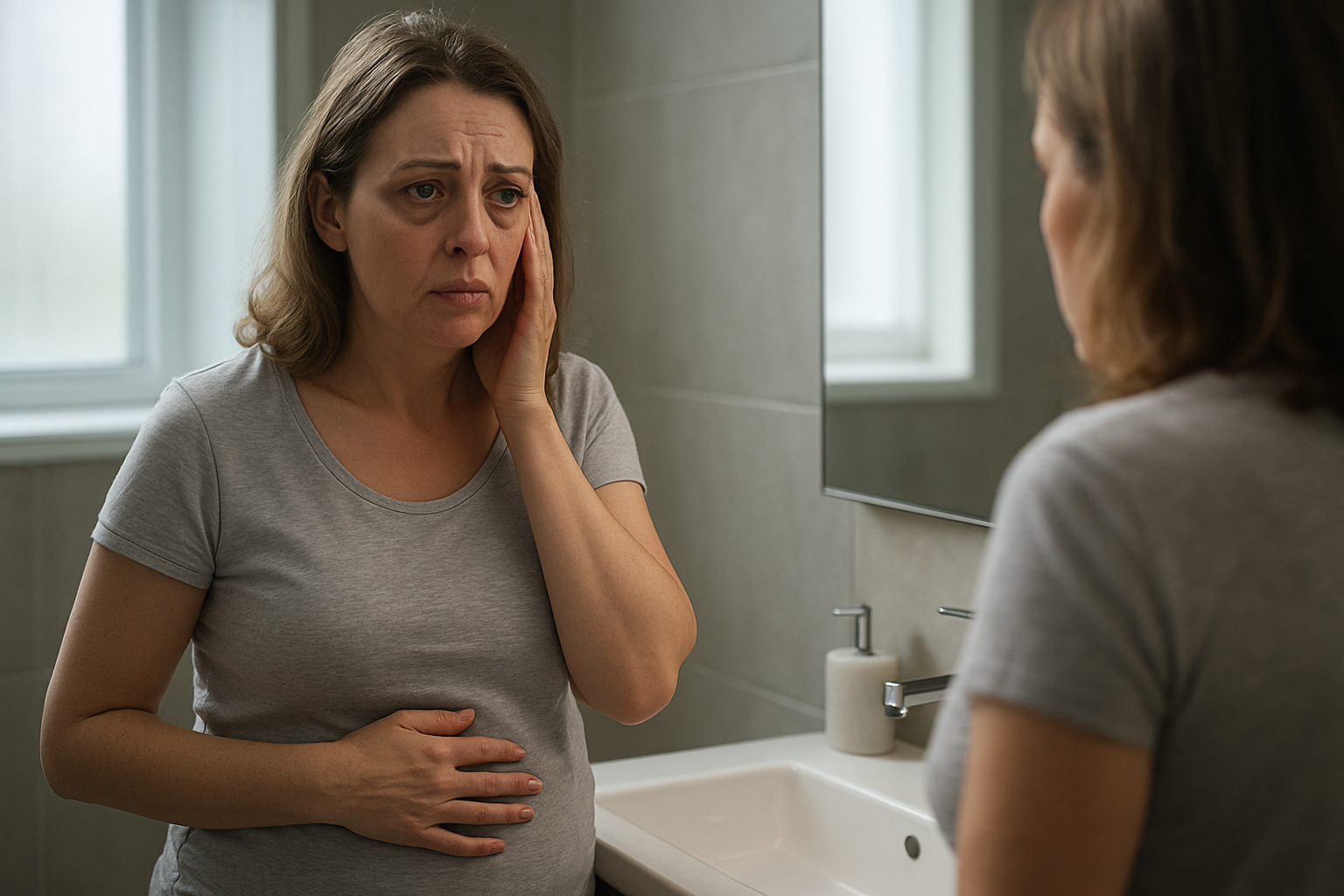
Physical Appearance Changes Reflecting Internal Gut Problems

Dull skin complexion and premature ageing

Your skin acts as a mirror for your gut health after 40, revealing what’s happening inside your digestive system. When gut bacteria imbalance strikes, your complexion often bears the brunt of this internal chaos. You might notice your skin losing its natural glow, appearing lacklustre and tired even after a full night’s sleep.

The connection between your gut microbiome after 40 and skin health runs deeper than many people realise. Your gut produces essential nutrients like vitamin K, biotin, and B vitamins that directly support skin cell regeneration. When harmful bacteria outnumber beneficial ones, this nutrient production plummets, leaving your skin starved of the building blocks it needs to maintain its youthful appearance.

Inflammation triggered by poor gut health creates another pathway to premature ageing. An imbalanced gut barrier allows toxins to escape into your bloodstream, triggering inflammatory responses throughout your body. This systemic inflammation breaks down collagen and elastin fibres in your skin, accelerating the formation of fine lines and wrinkles.

Chronic digestive health after 40 issues often manifest as persistent skin problems like adult acne, eczema, or rosacea. These conditions rarely respond to topical treatments alone because they stem from internal imbalances. Your gut bacteria directly influences your skin’s protective barrier, and when this balance shifts, your skin becomes more vulnerable to environmental stressors and premature ageing.

Unexplained weight gain around the midsection

Weight gain concentrated around your midsection after 40 frequently signals underlying gut bacteria imbalance rather than simple caloric excess. Your gut microbiome plays a crucial role in metabolism, and certain bacterial strains can actually extract more calories from the same foods, leading to gradual weight accumulation despite unchanged eating habits.

Beneficial bacteria help regulate hormones like GLP-1 and leptin, which control hunger and satiety signals. When signs of poor gut health emerge, these hormonal messages become scrambled, often leading to increased appetite and slower feelings of fullness. This hormonal disruption particularly affects abdominal fat storage, as stress hormones like cortisol rise when your gut environment becomes hostile.

Short-chain fatty acids produced by healthy gut bacteria serve as powerful metabolic regulators. These compounds help maintain insulin sensitivity and promote fat burning, especially around your waistline. When gut bacteria imbalance occurs, production of these beneficial fatty acids drops significantly, making your body more likely to store fat rather than burn it efficiently.

The type of bacteria dominating your gut after 40 can literally reprogram your metabolism. Research shows that people with higher ratios of Firmicutes to Bacteroidetes bacteria tend to extract more energy from food and store more fat, particularly in the abdominal region. This bacterial shift often occurs naturally with age but accelerates with poor dietary choices, stress, and antibiotic use.

Hair thinning and brittle nails

Your hair and nails reflect the internal state of your digestive system more than you might expect. Gut bacteria after 40 directly influences the absorption of nutrients essential for healthy hair growth and nail strength, including iron, zinc, biotin, and protein building blocks.

When your gut microbiome becomes imbalanced, nutrient malabsorption often follows. Even if you’re eating a balanced diet, damaged gut lining and disrupted bacterial populations can prevent proper absorption of hair and nail-supporting nutrients. This deficiency manifests as gradual hair thinning, increased hair breakage, and nails that split or peel easily.

Inflammation and gut health problems create another pathway to hair and nail deterioration. Chronic low-grade inflammation triggered by intestinal permeability diverts resources away from non-essential functions like hair and nail growth. Your body prioritises healing internal inflammation over maintaining strong hair follicles and nail beds.

Bacterial overgrowth conditions can directly compete with your body for nutrients. Harmful bacteria consume vital minerals and vitamins before your body can absorb them, creating functional deficiencies even when blood tests appear normal. This nutrient competition particularly affects sulfur-containing amino acids essential for keratin production, the protein that forms the structure of both hair and nails.

Hormonal disruptions linked to poor gut health compound these effects. Your gut bacteria help metabolise and regulate hormones like oestrogen and thyroid hormones, both crucial for maintaining healthy hair growth cycles and nail strength. When gut bacteria imbalance occurs, these hormonal pathways become disrupted, often manifesting as noticeable changes in hair thickness and nail quality within months.

Cravings and Appetite Shifts That Indicate Bacterial Imbalance

Cravings and Appetite Shifts That Indicate Bacterial Imbalance

Intense Sugar and Processed Food Cravings

Your gut bacteria literally control what you want to eat, and after 40, these microscopic inhabitants might be sending you down the wrong path. When harmful bacteria outnumber the beneficial ones in your gut microbiome after 40, they actually hijack your brain’s reward system to demand more of what feeds them best – sugar and processed foods.

Bad bacteria thrive on simple sugars and refined carbohydrates. They release chemicals that trigger intense cravings, making you feel like you absolutely must have that chocolate bar or packet of crisps. These aren’t just moments of weakness; they’re your gut bacteria imbalance speaking directly to your brain through the gut-brain axis.

You might notice these cravings hit hardest in the afternoon or evening, when cortisol levels naturally fluctuate. This timing isn’t coincidental – stress hormones and gut bacteria work together to create a perfect storm of processed food desires. The more you feed these harmful bacteria, the stronger they become and the louder their demands get.

Loss of Appetite for Nutritious Whole Foods

When your gut bacteria composition shifts unfavourably, something peculiar happens – foods that once seemed appealing suddenly lose their charm. Fresh vegetables, lean proteins, and whole grains might start tasting bland or even unappetising. This dramatic shift in food preferences represents one of the clearest signs of poor gut health.

Beneficial bacteria produce enzymes and compounds that help you appreciate the complex flavours in whole foods. They also signal satisfaction when you eat nutrient-dense meals. When these good bacteria decline – which commonly happens with age, stress, and poor dietary choices – you lose this natural guidance system.

Your taste buds might become less sensitive to subtle flavours, making processed foods with their artificial flavour enhancers seem more attractive by comparison. This creates a vicious cycle where gut health after 40 continues to deteriorate as you gravitate towards foods that feed harmful bacteria whilst starving the beneficial ones.

Emotional Eating Patterns Becoming More Frequent

The connection between your emotions and eating habits becomes particularly pronounced when gut bacteria are out of balance. Your gut produces approximately 95% of your body’s serotonin – the “feel-good” neurotransmitter that regulates mood and emotional wellbeing. When gut bacteria after 40 becomes disrupted, serotonin production plummets, leaving you reaching for comfort foods to fill the emotional void.

Stress eating episodes might become more frequent and intense. You might find yourself automatically opening the fridge when feeling anxious, sad, or overwhelmed, even when you’re not physically hungry. This isn’t simply a lack of willpower – it’s your gut bacteria influencing your brain chemistry and emotional responses.

The foods you crave during emotional eating typically contain high levels of sugar, fat, or salt. These provide a temporary mood boost by triggering dopamine release, but they also feed pathogenic bacteria that worsen the underlying imbalance. Breaking this cycle requires addressing both the emotional triggers and the bacterial imbalance driving them.

Feeling Unsatisfied After Meals Despite Eating Enough

Perhaps one of the most frustrating aspects of gut bacteria imbalance is the persistent feeling that you haven’t eaten enough, even after consuming adequate portions. This happens because beneficial bacteria play a crucial role in producing satiety hormones like GLP-1 and peptide YY, which signal fullness to your brain.

When these bacteria are depleted, the communication between your gut and brain becomes disrupted. You might eat a full meal but still feel hungry twenty minutes later. This leads to overeating, snacking between meals, and a constant preoccupation with food that can be both physically and mentally exhausting.

The quality of your digestion also suffers when gut bacteria are imbalanced. Poor nutrient absorption means your body isn’t getting what it needs from food, creating a biological drive to keep eating in search of missing nutrients. This explains why you might feel simultaneously overfed and undernourished – a common complaint among people experiencing digestive health after 40 challenges.

Simple Steps to Restore Healthy Gut Bacteria Balance
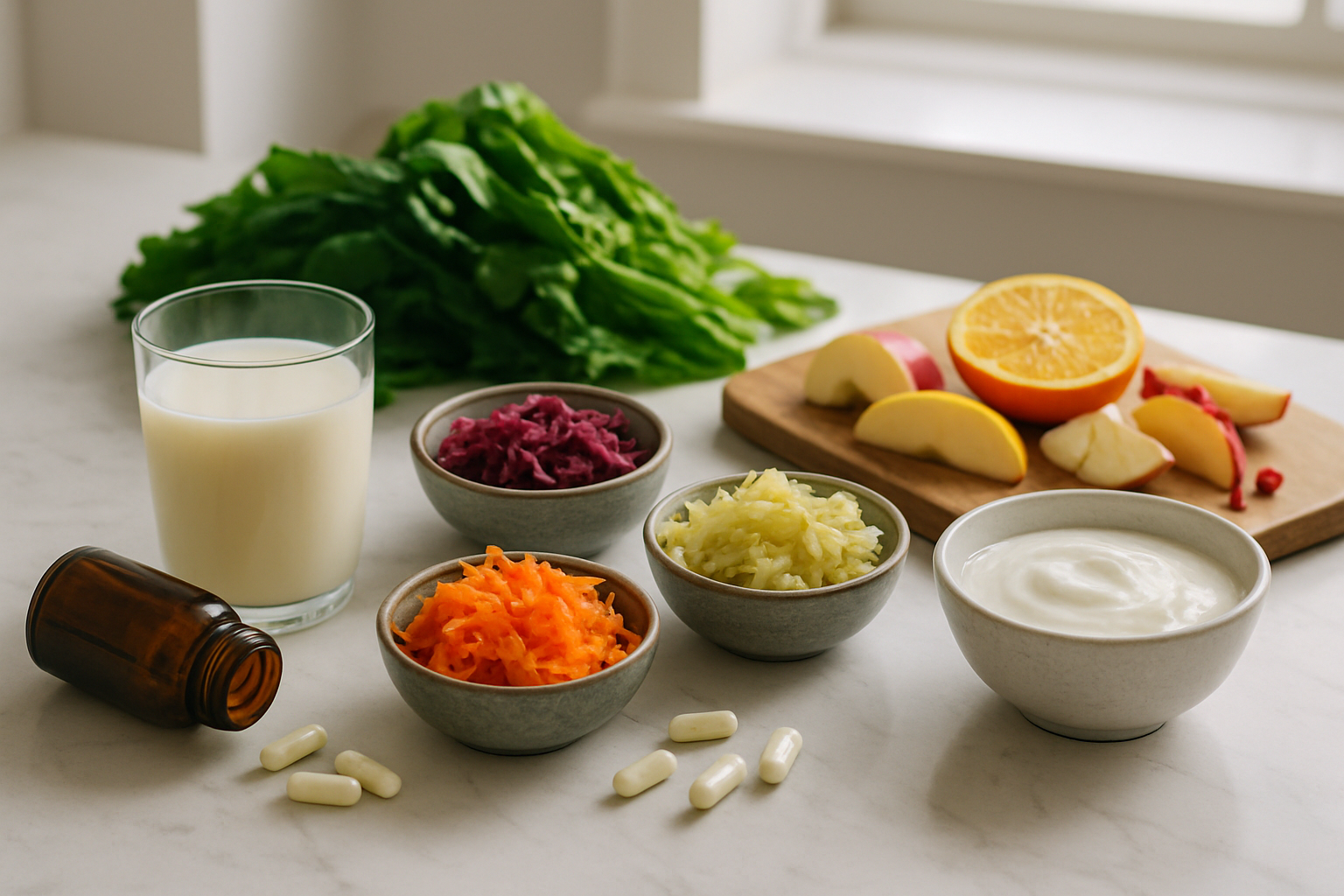
Simple Steps to Restore Healthy Gut Bacteria Balance

Incorporating Fermented Foods into Daily Routine

Fermented foods pack a powerful punch when it comes to rebuilding your gut bacteria after 40. Think of them as nature’s probiotic powerhouses that deliver live beneficial bacteria straight to your digestive system. Your morning routine can easily accommodate a spoonful of natural yoghurt with live cultures or a small glass of kefir. These dairy-based options contain multiple strains of helpful bacteria that can help restore balance to your gut microbiome after 40.

Non-dairy options work brilliantly too. Sauerkraut, kimchi, and other fermented vegetables bring both probiotics and additional nutrients to your meals. Start with a tablespoon of sauerkraut alongside your lunch or add kimchi to your evening stir-fry. Kombucha offers another tasty way to get your daily dose of beneficial bacteria, though choose varieties with lower sugar content.

The key lies in consistency rather than quantity. Your gut bacteria after 40 responds better to regular, smaller amounts of fermented foods rather than occasional large servings. Aim to include at least one fermented food with each meal, rotating between different types to expose your digestive system to various beneficial bacterial strains.

Reducing Processed Foods and Artificial Sweeteners

Processed foods and artificial sweeteners act like kryptonite to your gut health after 40. These products feed harmful bacteria whilst starving the beneficial ones, creating an environment where digestive problems flourish. Ultra-processed foods often contain preservatives, emulsifiers, and other additives that can damage the protective lining of your intestinal wall.

Artificial sweeteners deserve particular attention. Research shows that compounds like aspartame, sucralose, and saccharin can alter your gut microbiome composition, potentially leading to glucose intolerance and inflammation. Even though they contain no calories, these sweeteners can still trigger cravings and disrupt the delicate balance of your digestive ecosystem.

Start by reading ingredient labels more carefully. Foods with more than five ingredients or ingredients you can’t pronounce often spell trouble for your gut bacteria. Replace processed snacks with whole food alternatives like nuts, seeds, or fresh fruit. Swap artificial sweeteners for natural options like stevia or small amounts of raw honey.

Your taste buds will adapt within a few weeks, and you’ll likely notice improved energy levels and fewer digestive complaints as your gut microbiome after 40 begins to rebalance.

Adding Prebiotic-Rich Vegetables to Meals

Prebiotics serve as fuel for your beneficial gut bacteria, and vegetables provide some of the best sources. Your gut bacteria after 40 particularly thrives on the inulin found in garlic, onions, and leeks. These vegetables can easily become the foundation of most savoury dishes, providing both flavour and bacterial nourishment.

Asparagus, Jerusalem artichokes, and chicory root contain high levels of prebiotic fibres that feed specific strains of beneficial bacteria. Green bananas and cooked then cooled potatoes offer resistant starch, another type of prebiotic that your gut bacteria loves to ferment into beneficial short-chain fatty acids.

Diversify your vegetable intake by including different colours and types throughout the week. Purple vegetables like red cabbage and beetroot contain unique compounds that support gut health after 40. Cruciferous vegetables such as broccoli, Brussels sprouts, and cauliflower provide sulphur compounds that help maintain a healthy gut lining.

Prebiotic Vegetable Key Benefits Easy Ways to Include
Garlic & Onions High inulin content Base for most cooked dishes
Asparagus Rich prebiotic fibres Grilled, roasted, or steamed
Green Bananas Resistant starch Smoothies or sliced with meals
Artichokes Multiple prebiotic types Salads or Mediterranean dishes

Managing Stress Through Mindfulness and Exercise

The connection between stress and gut health after 40 runs deeper than many people realise. Chronic stress releases cortisol, which can dramatically alter your gut microbiome composition and increase intestinal permeability. Your digestive system contains more nerve endings than your spinal cord, making it incredibly sensitive to emotional and physical stress.

Mindfulness practices like meditation, deep breathing exercises, or yoga can help activate your parasympathetic nervous system, creating optimal conditions for digestion and gut bacteria flourishing. Even ten minutes of focused breathing daily can start shifting your nervous system away from the chronic stress response that damages your gut microbiome after 40.

Regular exercise provides another powerful tool for gut health restoration. Moderate physical activity increases the diversity of beneficial bacteria whilst reducing inflammation throughout your body. Walking, swimming, or cycling for 30 minutes most days can significantly improve your gut bacteria balance. High-intensity exercise sessions should be balanced with adequate recovery time, as excessive training stress can negatively impact your digestive health.

Sleep quality also plays a massive role in gut health maintenance. Your gut bacteria follow circadian rhythms just like the rest of your body, so consistent sleep schedules support optimal bacterial balance. Aim for seven to eight hours of quality sleep nightly to give your gut microbiome time to repair and regenerate.

Considering Targeted Probiotic Supplementation

Probiotic supplements can provide concentrated doses of beneficial bacteria when dietary changes alone aren’t enough to restore gut balance after 40. However, not all probiotics are created equal, and choosing the right supplement requires careful consideration of your specific needs and symptoms.

Look for multi-strain probiotics that contain at least 10-50 billion colony-forming units (CFUs) from reputable manufacturers. The most researched strains include Lactobacillus acidophilus, Bifidobacterium bifidum, and Lactobacillus plantarum. These strains have demonstrated benefits for digestive health, immune function, and overall gut microbiome balance.

Refrigerated probiotics often maintain higher potency, though some shelf-stable options use protective technologies that preserve bacterial viability. Check expiration dates carefully and store supplements according to manufacturer instructions to maintain effectiveness.

Consider working with a healthcare practitioner who understands gut health after 40 to identify which specific strains might benefit your particular situation. Some people respond better to certain bacterial combinations, and targeted supplementation can address specific digestive concerns more effectively than general formulations.

Timing matters with probiotic supplementation. Taking them on an empty stomach or with a small meal can improve bacterial survival through your stomach acid. Consistency proves more important than perfect timing – choose a schedule you can maintain long-term for the best results in restoring your gut bacteria balance.

conclusion

Your body speaks volumes about the state of your gut health, especially after hitting the big 4-0. From persistent digestive troubles and unexplained fatigue to weakened immunity and restless nights, these warning signs all point to one thing: your gut bacteria needs some serious attention. Even changes in your skin, unusual food cravings, and shifts in appetite are your microbiome’s way of asking for help.

The good news is that you’re not stuck with an unhealthy gut forever. Simple changes to your daily routine can make a world of difference in restoring balance to your bacterial ecosystem. Start paying attention to what your body is telling you, and take those first steps towards better gut health today. Your energy levels, mood, immune system, and overall wellbeing will thank you for it.
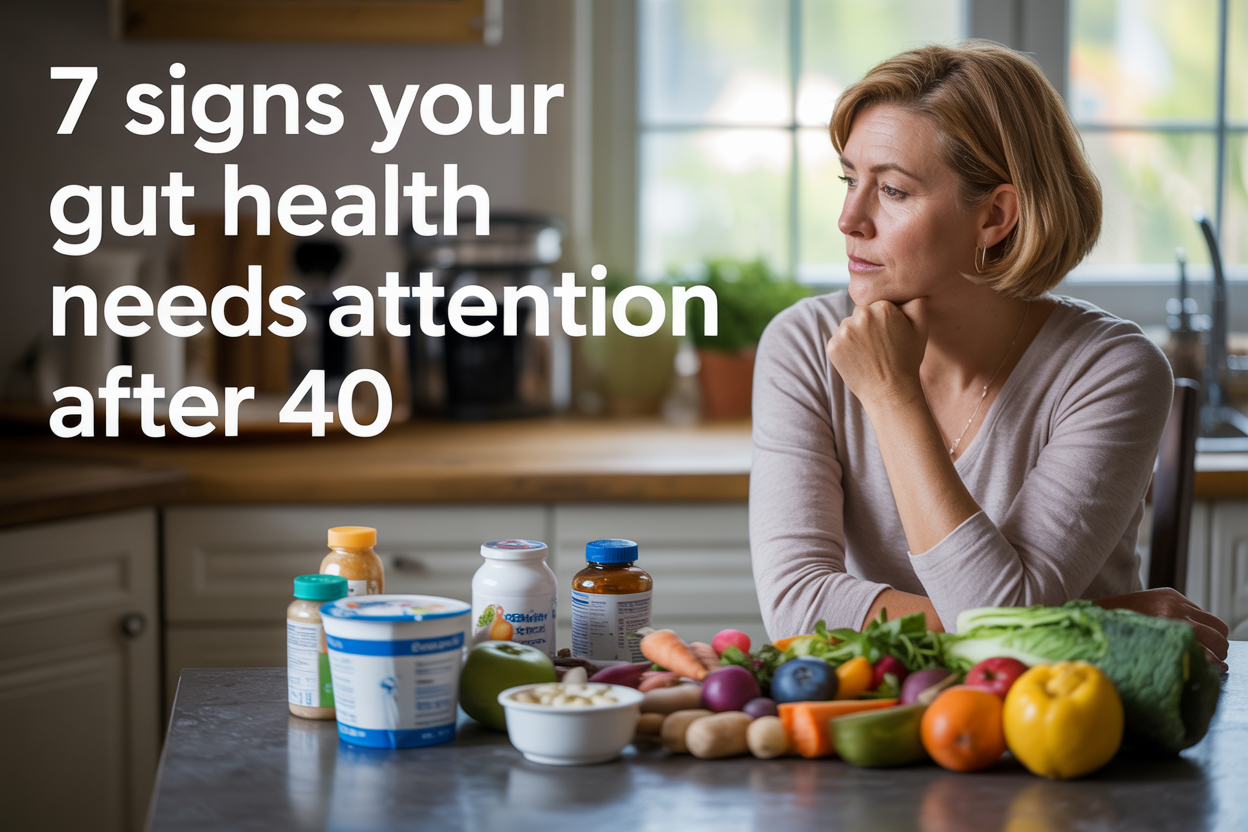
7 Signs Your Gut Bacteria Needs Change After 40

Table of Contents

Your body sends clear signals when your gut bacteria needs to change after 40, and needs attention. As we age, our gut microbiome naturally shifts, but certain warning signs shouldn’t be ignored.

This guide is for adults over 40 who’ve noticed changes in their digestion, energy, or overall wellbeing and want to understand if poor gut health might be the culprit.

You’ll discover how digestive changes reveal gut bacteria imbalance and why your energy levels and mood swings might actually stem from your gut microbiome after 40. We’ll also explore how your immune system weakening connects to deteriorating gut bacteria, and share practical steps to restore balance using targeted probiotics after 40 and prebiotics for gut health.

Ready to decode what your body’s trying to tell you about your digestive health after 40?

Digestive Changes That Signal Gut Bacteria Needs to Change After 40

Digestive Changes That Signal Gut Imbalance After 40

Increased Bloating and Gas After Meals

That uncomfortable feeling of your trousers becoming tighter after eating isn’t just about portion sizes. When gut bacteria after 40 starts shifting out of balance, bloating becomes a regular dinner companion. Your digestive system, which once handled meals with ease, now seems to turn even simple foods into a source of discomfort.

The changes happen because beneficial bacteria populations decline with age, whilst harmful bacteria often multiply. This imbalance creates excess fermentation in your digestive tract, producing gases that leave you feeling like a balloon. Even foods you’ve enjoyed for decades might suddenly trigger bloating episodes that last for hours.

Pay attention to which foods consistently cause problems. Common culprits include dairy products, cruciferous vegetables, and high-fibre foods that your changing gut microbiome after 40 struggles to process efficiently. The timing matters too – if bloating occurs within 30 minutes of eating, it often points to bacterial imbalance rather than food allergies.

Irregular Bowel Movements and Constipation Patterns

Your bathroom routine tells a detailed story about your gut health after 40. When beneficial bacteria populations drop, your digestive rhythm changes dramatically. What was once predictable becomes erratic, with days of constipation followed by loose stools or complete irregularity.

Healthy gut bacteria produce short-chain fatty acids that keep your intestinal muscles working properly. Without enough good bacteria, these muscles lose their coordination, leading to sluggish bowel movements. You might notice stools becoming harder, smaller, or requiring more effort to pass.

The colour and consistency changes too. Healthy stools should be brown and well-formed, but gut bacteria imbalance often produces pale, hard pellets or overly soft, unformed waste. Track these patterns for a week to identify trends that might indicate deeper digestive health after 40 issues.

Food Intolerances Developing Unexpectedly

Foods that never bothered you before suddenly become problematic after 40, creating a confusing maze of dietary restrictions. This isn’t just pickiness – it’s your gut microbiome signalling that something fundamental has shifted.

A balanced microbiome helps break down various food compounds, including lactose, gluten proteins, and complex carbohydrates. When signs of poor gut health emerge, your digestive system loses this processing power. Dairy might start causing stomach upset, wheat products could trigger bloating, and even certain fruits might become difficult to digest.

These new intolerances often develop gradually. You might notice mild discomfort after eating certain foods, which progressively worsens over months. The inflammation and gut health connection means that unaddressed food intolerances can create a cycle where inflammation damages gut bacteria, which creates more intolerances.

Keep a food diary noting what you eat and how you feel within 2-4 hours afterwards. Patterns will emerge showing which foods your changing gut struggles to handle.

Persistent Stomach Discomfort and Cramping

Chronic stomach discomfort becomes the unwelcome background noise of daily life when gut bacteria balance shifts. Unlike occasional indigestion from overeating, this discomfort feels constant, creating a nagging awareness that something isn’t right.

The cramping often follows unpredictable patterns – sometimes severe after meals, other times appearing randomly throughout the day. Your stomach might feel tender to touch, or you might experience waves of cramping that come and go without obvious triggers.

This happens because gut bacteria imbalance creates chronic low-level inflammation in your digestive tract. The intestinal lining becomes irritated, sending pain signals even when no immediate threat exists. Your nervous system, which connects directly to your gut, amplifies these signals, creating persistent discomfort that affects your quality of life.

The pain might shift locations too – sometimes upper stomach, sometimes lower abdomen, reflecting how widespread the bacterial imbalance has become throughout your digestive system.

Energy and Mood Fluctuations Linked to Poor Gut Health

Energy and Mood Fluctuations Linked to Poor Gut Health

Chronic fatigue despite adequate sleep

Your gut microbiome after 40 plays a crucial role in energy production that many people don’t realise. When gut bacteria imbalance occurs, it directly affects how your body processes nutrients and manufactures essential energy-supporting compounds. Even if you’re getting seven to eight hours of quality sleep, you might find yourself dragging through the day.

The gut produces approximately 90% of your body’s serotonin, which doesn’t just regulate mood—it also influences your sleep-wake cycle and energy levels. Poor gut health after 40 can disrupt this production, leaving you feeling exhausted regardless of your sleep duration. Your digestive system also manufactures B vitamins, particularly B12 and folate, which are vital for cellular energy production. When beneficial bacteria populations decline, your body struggles to create these energy-boosting nutrients.

Inflammation caused by gut bacteria imbalance creates another energy drain. Your immune system works overtime to manage chronic low-grade inflammation, redirecting resources away from normal cellular functions. This process literally steals energy from your daily activities, leaving you feeling wiped out by mid-afternoon.

Signs that your fatigue stems from gut issues include:

  • Feeling tired even after a full night’s rest
  • Energy crashes that coincide with digestive discomfort
  • Difficulty maintaining energy throughout the day
  • Fatigue that worsens after meals high in processed foods

Unexplained mood swings and irritability

The gut-brain axis becomes particularly sensitive after 40, making mood fluctuations a telling sign of digestive health problems. Your intestinal bacteria communicate directly with your brain through the vagus nerve, producing neurotransmitters that regulate emotional stability. When this delicate ecosystem falls out of balance, your mood pays the price.

Beneficial bacteria strains like Lactobacillus helveticus and Bifidobacterium longum help maintain emotional equilibrium by producing gamma-aminobutyric acid (GABA), a calming neurotransmitter. Without adequate populations of these helpful microbes, anxiety and irritability can spike unexpectedly. You might notice yourself snapping at loved ones or feeling overwhelmed by situations that previously felt manageable.

Gut bacteria imbalance also affects cortisol regulation. Unhealthy bacteria can trigger inflammatory responses that keep stress hormones elevated, creating a cycle of emotional instability. This explains why you might feel on edge even during relatively calm periods of your life.

Watch for these mood-related warning signs:

  • Sudden irritability without clear triggers
  • Feeling emotionally fragile or overwhelmed
  • Mood changes that seem tied to digestive symptoms
  • Increased sensitivity to stress or minor setbacks
  • Emotional reactions that feel disproportionate to circumstances

Difficulty concentrating and brain fog

Brain fog represents one of the most frustrating symptoms of poor gut health after 40. This mental cloudiness stems from inflammation and toxins produced by harmful bacteria crossing the intestinal barrier and affecting cognitive function. Your ability to think clearly, remember details, and maintain focus can suffer dramatically when your gut microbiome is out of balance.

The inflammatory compounds released by unhealthy gut bacteria can cross the blood-brain barrier, directly impacting brain tissue. This process interferes with neurotransmitter production and cellular communication in your brain, making concentration feel like an uphill battle. You might find yourself re-reading the same paragraph multiple times or struggling to complete tasks that once felt effortless.

Digestive health after 40 becomes particularly important for cognitive function because the ageing process naturally reduces beneficial bacteria populations. Without intervention, this decline can accelerate brain fog symptoms. Poor nutrient absorption caused by gut imbalance means your brain isn’t receiving the vitamins, minerals, and fatty acids it needs for optimal performance.

Common brain fog symptoms linked to gut problems include:

  • Difficulty focusing on tasks for extended periods
  • Feeling mentally “stuck” or unable to think clearly
  • Trouble finding the right words during conversations
  • Forgetting routine information or appointments
  • Mental fatigue that worsens throughout the day
  • Reduced problem-solving abilities

The connection between gut bacteria after 40 and cognitive function is so strong that improving your microbiome often leads to noticeable improvements in mental clarity within weeks. Supporting your digestive system with targeted probiotics and gut-healing nutrients can help restore the sharp thinking you remember from your younger years.

Immune System Weakening as Gut Bacteria Deteriorates

Immune System Weakening as Gut Bacteria Deteriorates

Frequent Colds and Infections

After 40, your immune system begins to rely more heavily on the gut bacteria for protection against common infections. When gut bacteria imbalance occurs, you’ll notice catching every cold that goes around the office or picking up infections that others seem to shake off easily. The gut microbiome after 40 plays a crucial role in producing antibodies and supporting immune cell function.

Your digestive tract houses approximately 70% of your immune system, making gut health after 40 absolutely essential for maintaining resistance to pathogens. When beneficial bacteria decline, harmful microorganisms can flourish, weakening your body’s first line of defence. This creates a perfect storm where respiratory infections, urinary tract infections, and even food poisoning become more frequent visitors.

Many people dismiss recurring infections as simply “getting older,” but these episodes often signal that your gut bacteria after 40 needs immediate attention. The connection between digestive health after 40 and immune function becomes particularly evident when you experience infections that linger longer than expected or return shortly after seeming to clear up.

Slower Recovery from Minor Illnesses

Recovery time from common ailments like colds, flu, or minor injuries increases significantly when gut bacteria deteriorates. What once took three days to overcome now stretches into weeks, leaving you feeling frustrated and depleted. This prolonged healing process directly correlates with inflammation and gut health imbalances that develop after 40.

Poor gut health disrupts the production of short-chain fatty acids, which are vital for reducing inflammation throughout the body. Without these beneficial compounds, your immune system struggles to coordinate an effective response and return to baseline health. The signs of poor gut health become particularly apparent when comparing your current recovery times to those from your younger years.

Your gut microbiome produces essential vitamins like B12, folate, and vitamin K, all crucial for cellular repair and immune function. When bacterial diversity decreases, vitamin production suffers, directly impacting your body’s ability to heal and regenerate damaged tissues. This creates a cycle where poor nutrition absorption leads to slower healing, which places additional stress on an already compromised system.

Increased Allergic Reactions to Common Substances

Developing new allergies or experiencing worsening reactions to previously tolerated substances often indicates gut bacteria imbalance after 40. Your digestive system’s ability to distinguish between harmful invaders and harmless proteins becomes compromised when beneficial bacteria populations decline.

Food sensitivities that never bothered you before suddenly trigger uncomfortable symptoms like bloating, rashes, or digestive upset. Environmental allergens such as pollen, dust, or pet dander may provoke stronger reactions than in previous years. This heightened sensitivity stems from increased intestinal permeability, commonly known as “leaky gut,” which allows larger protein molecules to enter the bloodstream and trigger immune responses.

The gut barrier function deteriorates when protective bacteria species diminish, allowing allergens to cross into systemic circulation more easily. This phenomenon explains why many people over 40 suddenly develop lactose intolerance, gluten sensitivity, or reactions to foods they’ve enjoyed their entire lives.

Persistent Skin Problems and Inflammation

Chronic skin issues like eczema, psoriasis, acne, or unexplained rashes frequently reflect internal gut problems that intensify after 40. The gut-skin axis demonstrates how intestinal health directly influences skin appearance and function through complex inflammatory pathways.

When gut bacteria populations become imbalanced, inflammatory compounds circulate throughout the body, manifesting as visible skin problems. These inflammatory markers can trigger flare-ups of existing conditions or create entirely new skin challenges that seem to appear without obvious external causes.

Probiotics after 40 and prebiotics for gut health can help restore the bacterial balance necessary for healthy skin function. The connection between internal inflammation and external appearance becomes increasingly important as natural collagen production decreases and skin repair processes slow down with age.

Sleep Disturbances Connected to Gut Microbiome Issues

Sleep Disturbances Connected to Gut Microbiome Issues

Difficulty Falling Asleep Naturally

Your gut bacteria after 40 plays a crucial role in producing neurotransmitters that regulate your sleep-wake cycle. When gut microbiome after 40 becomes imbalanced, it directly impacts your body’s ability to wind down naturally at bedtime. The gut produces approximately 90% of your body’s serotonin, which converts to melatonin – your primary sleep hormone.

Poor gut health after 40 disrupts this delicate production line. Harmful bacteria can crowd out beneficial strains that support neurotransmitter synthesis, leaving you lying awake despite feeling physically tired. You might find yourself tossing and turning for hours, with your mind racing even when you’ve followed your usual bedtime routine.

Inflammation and gut health are closely linked, and chronic low-grade inflammation from gut bacteria imbalance can keep your nervous system in a heightened state. This makes it nearly impossible to achieve the relaxed state necessary for natural sleep onset. Many people over 40 notice they need longer to fall asleep compared to their younger years, and this change often coincides with declining digestive health.

The connection between your evening meal and sleep quality becomes more pronounced with age. If your gut struggles with poor bacterial diversity, even light dinners can trigger inflammatory responses that interfere with your natural circadian rhythms.

Frequent Night-Time Awakenings

Digestive health after 40 significantly impacts sleep continuity throughout the night. When signs of poor gut health manifest as bacterial overgrowth or dysbiosis, your body may wake you repeatedly during what should be restorative sleep phases.

Your gut operates on its own circadian rhythm, and disrupted gut bacteria can send mixed signals to your brain about when to maintain deep sleep. This creates a pattern of waking every few hours, often between 2-4 AM, which coincides with peak gut repair activity.

Gut bacteria imbalance can trigger the release of stress hormones like cortisol during inappropriate times. Instead of following the natural cortisol curve that keeps levels low at night, an unhealthy microbiome can cause midnight cortisol spikes that jolt you awake. These awakenings often come with feelings of anxiety or restlessness that make returning to sleep challenging.

The gut-brain connection means that digestive discomfort, even if mild, can register as sleep disruption signals. You might not feel obvious stomach pain, but your brain receives subtle inflammatory messages that interrupt deep sleep cycles. This creates fragmented rest that leaves you feeling as though you’ve barely slept, even after spending eight hours in bed.

Unrefreshed Feeling Upon Waking

Morning fatigue despite adequate sleep time often signals that gut microbiome after 40 isn’t supporting proper sleep quality. Your gut bacteria influence how effectively your body progresses through essential sleep stages, particularly the deep restorative phases that leave you feeling refreshed.

When gut health after 40 declines, your body may spend more time in lighter sleep stages and less time in the crucial deep sleep phases where physical and mental restoration occurs. This means you can sleep for eight hours but wake feeling as though you’ve only had four hours of quality rest.

Poor gut bacteria balance affects your body’s ability to regulate blood sugar overnight. Unstable glucose levels can cause energy crashes that persist into the morning, creating that groggy, heavy feeling that even coffee can’t shake. Your gut bacteria help metabolise nutrients that fuel overnight cellular repair, and when this process is compromised, you wake up feeling depleted rather than restored.

The inflammatory cascade triggered by gut bacteria imbalance doesn’t pause during sleep. Instead, it continues working against your body’s natural repair mechanisms, leaving you with that puffy, sluggish feeling upon waking. This chronic low-grade inflammation can make mornings feel like an uphill battle, requiring significant time and stimulants to feel properly alert and energised for the day ahead.

Physical Appearance Changes Reflecting Internal Gut Problems

Physical Appearance Changes Reflecting Internal Gut Problems

Dull skin complexion and premature ageing

Your skin acts as a mirror for your gut health after 40, revealing what’s happening inside your digestive system. When gut bacteria imbalance strikes, your complexion often bears the brunt of this internal chaos. You might notice your skin losing its natural glow, appearing lacklustre and tired even after a full night’s sleep.

The connection between your gut microbiome after 40 and skin health runs deeper than many people realise. Your gut produces essential nutrients like vitamin K, biotin, and B vitamins that directly support skin cell regeneration. When harmful bacteria outnumber beneficial ones, this nutrient production plummets, leaving your skin starved of the building blocks it needs to maintain its youthful appearance.

Inflammation triggered by poor gut health creates another pathway to premature ageing. An imbalanced gut barrier allows toxins to escape into your bloodstream, triggering inflammatory responses throughout your body. This systemic inflammation breaks down collagen and elastin fibres in your skin, accelerating the formation of fine lines and wrinkles.

Chronic digestive health after 40 issues often manifest as persistent skin problems like adult acne, eczema, or rosacea. These conditions rarely respond to topical treatments alone because they stem from internal imbalances. Your gut bacteria directly influences your skin’s protective barrier, and when this balance shifts, your skin becomes more vulnerable to environmental stressors and premature ageing.

Unexplained weight gain around the midsection

Weight gain concentrated around your midsection after 40 frequently signals underlying gut bacteria imbalance rather than simple caloric excess. Your gut microbiome plays a crucial role in metabolism, and certain bacterial strains can actually extract more calories from the same foods, leading to gradual weight accumulation despite unchanged eating habits.

Beneficial bacteria help regulate hormones like GLP-1 and leptin, which control hunger and satiety signals. When signs of poor gut health emerge, these hormonal messages become scrambled, often leading to increased appetite and slower feelings of fullness. This hormonal disruption particularly affects abdominal fat storage, as stress hormones like cortisol rise when your gut environment becomes hostile.

Short-chain fatty acids produced by healthy gut bacteria serve as powerful metabolic regulators. These compounds help maintain insulin sensitivity and promote fat burning, especially around your waistline. When gut bacteria imbalance occurs, production of these beneficial fatty acids drops significantly, making your body more likely to store fat rather than burn it efficiently.

The type of bacteria dominating your gut after 40 can literally reprogram your metabolism. Research shows that people with higher ratios of Firmicutes to Bacteroidetes bacteria tend to extract more energy from food and store more fat, particularly in the abdominal region. This bacterial shift often occurs naturally with age but accelerates with poor dietary choices, stress, and antibiotic use.

Hair thinning and brittle nails

Your hair and nails reflect the internal state of your digestive system more than you might expect. Gut bacteria after 40 directly influences the absorption of nutrients essential for healthy hair growth and nail strength, including iron, zinc, biotin, and protein building blocks.

When your gut microbiome becomes imbalanced, nutrient malabsorption often follows. Even if you’re eating a balanced diet, damaged gut lining and disrupted bacterial populations can prevent proper absorption of hair and nail-supporting nutrients. This deficiency manifests as gradual hair thinning, increased hair breakage, and nails that split or peel easily.

Inflammation and gut health problems create another pathway to hair and nail deterioration. Chronic low-grade inflammation triggered by intestinal permeability diverts resources away from non-essential functions like hair and nail growth. Your body prioritises healing internal inflammation over maintaining strong hair follicles and nail beds.

Bacterial overgrowth conditions can directly compete with your body for nutrients. Harmful bacteria consume vital minerals and vitamins before your body can absorb them, creating functional deficiencies even when blood tests appear normal. This nutrient competition particularly affects sulfur-containing amino acids essential for keratin production, the protein that forms the structure of both hair and nails.

Hormonal disruptions linked to poor gut health compound these effects. Your gut bacteria help metabolise and regulate hormones like oestrogen and thyroid hormones, both crucial for maintaining healthy hair growth cycles and nail strength. When gut bacteria imbalance occurs, these hormonal pathways become disrupted, often manifesting as noticeable changes in hair thickness and nail quality within months.

Cravings and Appetite Shifts That Indicate Bacterial Imbalance

Cravings and Appetite Shifts That Indicate Bacterial Imbalance

Intense Sugar and Processed Food Cravings

Your gut bacteria literally control what you want to eat, and after 40, these microscopic inhabitants might be sending you down the wrong path. When harmful bacteria outnumber the beneficial ones in your gut microbiome after 40, they actually hijack your brain’s reward system to demand more of what feeds them best – sugar and processed foods.

Bad bacteria thrive on simple sugars and refined carbohydrates. They release chemicals that trigger intense cravings, making you feel like you absolutely must have that chocolate bar or packet of crisps. These aren’t just moments of weakness; they’re your gut bacteria imbalance speaking directly to your brain through the gut-brain axis.

You might notice these cravings hit hardest in the afternoon or evening, when cortisol levels naturally fluctuate. This timing isn’t coincidental – stress hormones and gut bacteria work together to create a perfect storm of processed food desires. The more you feed these harmful bacteria, the stronger they become and the louder their demands get.

Loss of Appetite for Nutritious Whole Foods

When your gut bacteria composition shifts unfavourably, something peculiar happens – foods that once seemed appealing suddenly lose their charm. Fresh vegetables, lean proteins, and whole grains might start tasting bland or even unappetising. This dramatic shift in food preferences represents one of the clearest signs of poor gut health.

Beneficial bacteria produce enzymes and compounds that help you appreciate the complex flavours in whole foods. They also signal satisfaction when you eat nutrient-dense meals. When these good bacteria decline – which commonly happens with age, stress, and poor dietary choices – you lose this natural guidance system.

Your taste buds might become less sensitive to subtle flavours, making processed foods with their artificial flavour enhancers seem more attractive by comparison. This creates a vicious cycle where gut health after 40 continues to deteriorate as you gravitate towards foods that feed harmful bacteria whilst starving the beneficial ones.

Emotional Eating Patterns Becoming More Frequent

The connection between your emotions and eating habits becomes particularly pronounced when gut bacteria are out of balance. Your gut produces approximately 95% of your body’s serotonin – the “feel-good” neurotransmitter that regulates mood and emotional wellbeing. When gut bacteria after 40 becomes disrupted, serotonin production plummets, leaving you reaching for comfort foods to fill the emotional void.

Stress eating episodes might become more frequent and intense. You might find yourself automatically opening the fridge when feeling anxious, sad, or overwhelmed, even when you’re not physically hungry. This isn’t simply a lack of willpower – it’s your gut bacteria influencing your brain chemistry and emotional responses.

The foods you crave during emotional eating typically contain high levels of sugar, fat, or salt. These provide a temporary mood boost by triggering dopamine release, but they also feed pathogenic bacteria that worsen the underlying imbalance. Breaking this cycle requires addressing both the emotional triggers and the bacterial imbalance driving them.

Feeling Unsatisfied After Meals Despite Eating Enough

Perhaps one of the most frustrating aspects of gut bacteria imbalance is the persistent feeling that you haven’t eaten enough, even after consuming adequate portions. This happens because beneficial bacteria play a crucial role in producing satiety hormones like GLP-1 and peptide YY, which signal fullness to your brain.

When these bacteria are depleted, the communication between your gut and brain becomes disrupted. You might eat a full meal but still feel hungry twenty minutes later. This leads to overeating, snacking between meals, and a constant preoccupation with food that can be both physically and mentally exhausting.

The quality of your digestion also suffers when gut bacteria are imbalanced. Poor nutrient absorption means your body isn’t getting what it needs from food, creating a biological drive to keep eating in search of missing nutrients. This explains why you might feel simultaneously overfed and undernourished – a common complaint among people experiencing digestive health after 40 challenges.

Simple Steps to Restore Healthy Gut Bacteria Balance

Simple Steps to Restore Healthy Gut Bacteria Balance

Incorporating Fermented Foods into Daily Routine

Fermented foods pack a powerful punch when it comes to rebuilding your gut bacteria after 40. Think of them as nature’s probiotic powerhouses that deliver live beneficial bacteria straight to your digestive system. Your morning routine can easily accommodate a spoonful of natural yoghurt with live cultures or a small glass of kefir. These dairy-based options contain multiple strains of helpful bacteria that can help restore balance to your gut microbiome after 40.

Non-dairy options work brilliantly too. Sauerkraut, kimchi, and other fermented vegetables bring both probiotics and additional nutrients to your meals. Start with a tablespoon of sauerkraut alongside your lunch or add kimchi to your evening stir-fry. Kombucha offers another tasty way to get your daily dose of beneficial bacteria, though choose varieties with lower sugar content.

The key lies in consistency rather than quantity. Your gut bacteria after 40 responds better to regular, smaller amounts of fermented foods rather than occasional large servings. Aim to include at least one fermented food with each meal, rotating between different types to expose your digestive system to various beneficial bacterial strains.

Reducing Processed Foods and Artificial Sweeteners

Processed foods and artificial sweeteners act like kryptonite to your gut health after 40. These products feed harmful bacteria whilst starving the beneficial ones, creating an environment where digestive problems flourish. Ultra-processed foods often contain preservatives, emulsifiers, and other additives that can damage the protective lining of your intestinal wall.

Artificial sweeteners deserve particular attention. Research shows that compounds like aspartame, sucralose, and saccharin can alter your gut microbiome composition, potentially leading to glucose intolerance and inflammation. Even though they contain no calories, these sweeteners can still trigger cravings and disrupt the delicate balance of your digestive ecosystem.

Start by reading ingredient labels more carefully. Foods with more than five ingredients or ingredients you can’t pronounce often spell trouble for your gut bacteria. Replace processed snacks with whole food alternatives like nuts, seeds, or fresh fruit. Swap artificial sweeteners for natural options like stevia or small amounts of raw honey.

Your taste buds will adapt within a few weeks, and you’ll likely notice improved energy levels and fewer digestive complaints as your gut microbiome after 40 begins to rebalance.

Adding Prebiotic-Rich Vegetables to Meals

Prebiotics serve as fuel for your beneficial gut bacteria, and vegetables provide some of the best sources. Your gut bacteria after 40 particularly thrives on the inulin found in garlic, onions, and leeks. These vegetables can easily become the foundation of most savoury dishes, providing both flavour and bacterial nourishment.

Asparagus, Jerusalem artichokes, and chicory root contain high levels of prebiotic fibres that feed specific strains of beneficial bacteria. Green bananas and cooked then cooled potatoes offer resistant starch, another type of prebiotic that your gut bacteria loves to ferment into beneficial short-chain fatty acids.

Diversify your vegetable intake by including different colours and types throughout the week. Purple vegetables like red cabbage and beetroot contain unique compounds that support gut health after 40. Cruciferous vegetables such as broccoli, Brussels sprouts, and cauliflower provide sulphur compounds that help maintain a healthy gut lining.

Prebiotic Vegetable Key Benefits Easy Ways to Include
Garlic & Onions High inulin content Base for most cooked dishes
Asparagus Rich prebiotic fibres Grilled, roasted, or steamed
Green Bananas Resistant starch Smoothies or sliced with meals
Artichokes Multiple prebiotic types Salads or Mediterranean dishes

Managing Stress Through Mindfulness and Exercise

The connection between stress and gut health after 40 runs deeper than many people realise. Chronic stress releases cortisol, which can dramatically alter your gut microbiome composition and increase intestinal permeability. Your digestive system contains more nerve endings than your spinal cord, making it incredibly sensitive to emotional and physical stress.

Mindfulness practices like meditation, deep breathing exercises, or yoga can help activate your parasympathetic nervous system, creating optimal conditions for digestion and gut bacteria flourishing. Even ten minutes of focused breathing daily can start shifting your nervous system away from the chronic stress response that damages your gut microbiome after 40.

Regular exercise provides another powerful tool for gut health restoration. Moderate physical activity increases the diversity of beneficial bacteria whilst reducing inflammation throughout your body. Walking, swimming, or cycling for 30 minutes most days can significantly improve your gut bacteria balance. High-intensity exercise sessions should be balanced with adequate recovery time, as excessive training stress can negatively impact your digestive health.

Sleep quality also plays a massive role in gut health maintenance. Your gut bacteria follow circadian rhythms just like the rest of your body, so consistent sleep schedules support optimal bacterial balance. Aim for seven to eight hours of quality sleep nightly to give your gut microbiome time to repair and regenerate.

Considering Targeted Probiotic Supplementation

Probiotic supplements can provide concentrated doses of beneficial bacteria when dietary changes alone aren’t enough to restore gut balance after 40. However, not all probiotics are created equal, and choosing the right supplement requires careful consideration of your specific needs and symptoms.

Look for multi-strain probiotics that contain at least 10-50 billion colony-forming units (CFUs) from reputable manufacturers. The most researched strains include Lactobacillus acidophilus, Bifidobacterium bifidum, and Lactobacillus plantarum. These strains have demonstrated benefits for digestive health, immune function, and overall gut microbiome balance.

Refrigerated probiotics often maintain higher potency, though some shelf-stable options use protective technologies that preserve bacterial viability. Check expiration dates carefully and store supplements according to manufacturer instructions to maintain effectiveness.

Consider working with a healthcare practitioner who understands gut health after 40 to identify which specific strains might benefit your particular situation. Some people respond better to certain bacterial combinations, and targeted supplementation can address specific digestive concerns more effectively than general formulations.

Timing matters with probiotic supplementation. Taking them on an empty stomach or with a small meal can improve bacterial survival through your stomach acid. Consistency proves more important than perfect timing – choose a schedule you can maintain long-term for the best results in restoring your gut bacteria balance.

conclusion

Your body speaks volumes about the state of your gut health, especially after hitting the big 4-0. From persistent digestive troubles and unexplained fatigue to weakened immunity and restless nights, these warning signs all point to one thing: your gut bacteria needs some serious attention. Even changes in your skin, unusual food cravings, and shifts in appetite are your microbiome’s way of asking for help.

The good news is that you’re not stuck with an unhealthy gut forever. Simple changes to your daily routine can make a world of difference in restoring balance to your bacterial ecosystem. Start paying attention to what your body is telling you, and take those first steps towards better gut health today. Your energy levels, mood, immune system, and overall wellbeing will thank you for it.

No Affiliate Products found.

Related Blog