
EverWise Health

<--Awin verification 001-->

7 Early Warning Signs of Heart Disease You Shouldn’t Ignore

Heart disease remains the leading cause of death, but spotting early symptoms of heart disease can be life-saving. Many people dismiss warning signs as stress or ageing, missing crucial opportunities for early treatment.

This guide is for anyone concerned about their cardiovascular health – whether you’re over 40, have family history of heart problems, or simply want to stay informed about your body’s signals.

We’ll explore how to recognise chest discomfort and pain patterns that differ from everyday aches, monitor shortness of breath during routine activities, and identify when unusual fatigue signals something more serious than a busy week. You’ll also learn to spot swelling patterns and understand when heart palpitations symptoms require immediate attention.

Knowing these heart disease warning signs helps you take control of your health and know exactly when to see a cardiologist.

Recognise Chest Discomfort and Pain Patterns
Recognise Chest Discomfort and Pain Patterns

Distinguish between heart-related chest pain and other causes

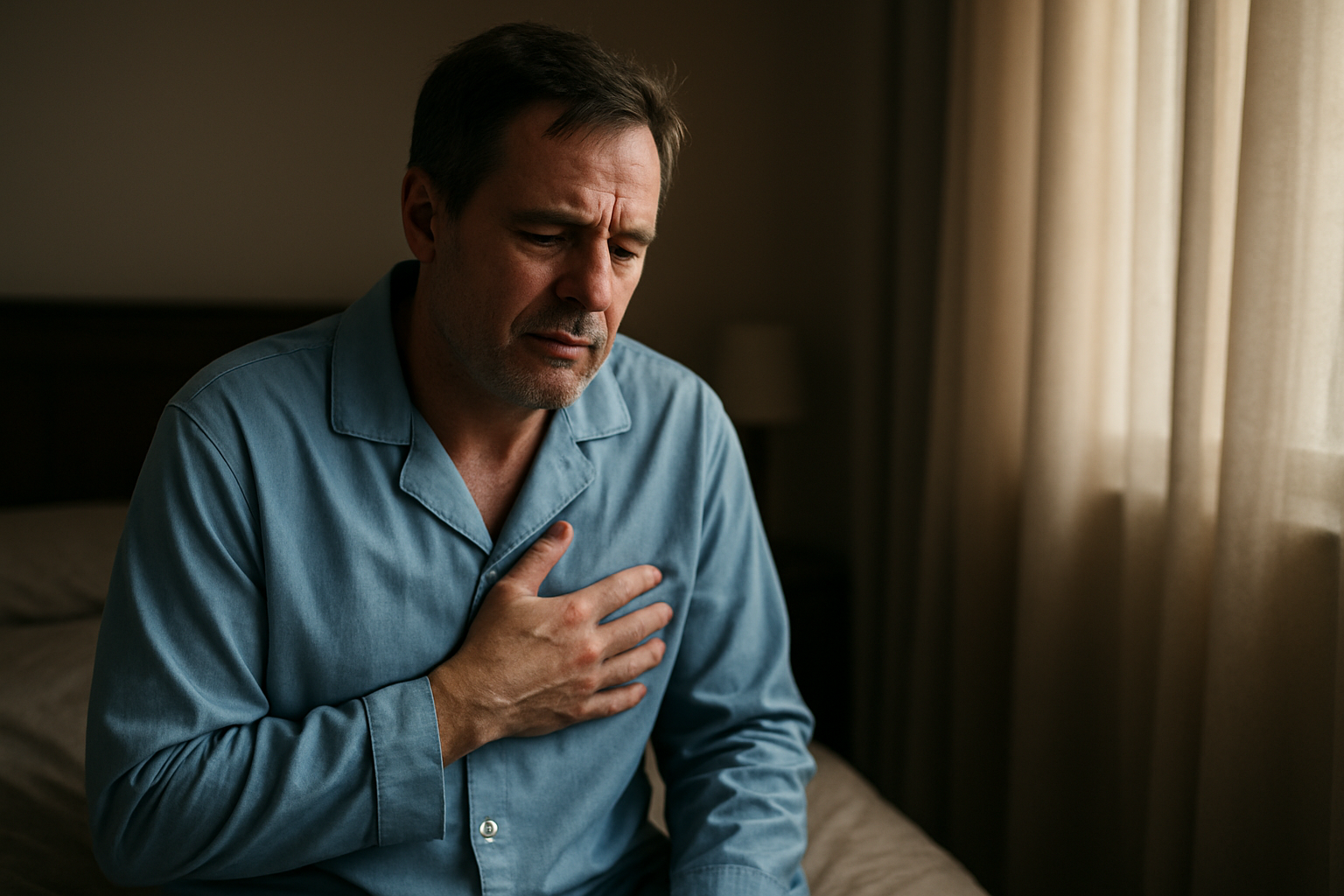
Heart-related chest pain differs significantly from other types of discomfort, and recognising these differences could save your life. Heart disease warning signs often start subtly, making it crucial to understand what sets cardiac pain apart from muscular strain, indigestion, or anxiety-related symptoms.

Cardiac chest pain typically feels deep and central, often described as pressure behind the breastbone rather than a sharp, stabbing sensation. Unlike pulled muscles that hurt when you move or breathe deeply, heart-related discomfort remains constant regardless of your position or breathing pattern. The pain often spreads beyond the chest area, radiating to your left arm, neck, jaw, or even your back.

Non-cardiac chest pain usually has clear triggers and patterns. Muscle strain worsens with movement, whilst digestive issues often relate to meals or lying down. Anxiety-related chest pain tends to be sharp and localised, often accompanied by rapid breathing or panic symptoms. These conditions rarely cause the spreading, pressure-like sensation characteristic of early symptoms of heart disease.

Women and older adults may experience atypical presentations. Instead of classic chest pressure, they might feel upper back pain, nausea, or general discomfort that doesn’t fit typical patterns. Age also plays a role – chest pain in people over 40, especially those with risk factors like high blood pressure or diabetes, requires more serious consideration.

Identify pressure, squeezing, and burning sensations

Chest pain heart attack warnings often manifest as specific sensations that people frequently misinterpret. The classic description involves feeling like an elephant sitting on your chest – a heavy, crushing pressure that builds gradually or appears suddenly. This pressure creates a sensation of tightness, as though someone were squeezing your chest from the inside.

Burning sensations in the chest deserve particular attention, especially when they differ from typical heartburn. Heart-related burning often feels deeper and more central than acid reflux, and antacids won’t provide relief. The burning may intensify with physical activity or emotional stress, unlike digestive burning that typically worsens after eating.

Many people describe the sensation as wearing a tight band around their chest or having a heavy weight pressing down. The discomfort might feel like severe indigestion that won’t go away, particularly in women who often experience less typical symptoms. Some individuals report feeling like they can’t take a deep breath, not because of lung problems, but due to the chest pressure.

The intensity varies considerably between individuals. Some experience mild discomfort they initially dismiss as minor indigestion, whilst others feel crushing pain that immediately signals danger. Location matters too – pressure directly behind the breastbone or slightly to the left often indicates cardiac origin, particularly when it persists for more than a few minutes.

Understand when chest discomfort signals immediate medical attention

Certain chest pain characteristics demand immediate emergency response, regardless of your age or perceived health status. Heart attack warning signs include chest discomfort lasting more than 15 minutes, pain that worsens progressively, or any chest symptoms accompanied by sweating, nausea, or shortness of breath.

Call 999 immediately if chest pressure comes with additional warning signs: pain radiating to your arm, neck, or jaw; cold, clammy skin; dizziness or feeling faint; or sudden onset of severe symptoms. Don’t drive yourself to hospital – ambulance crews can begin life-saving treatment during transport and alert the emergency department to prepare for your arrival.

The timing and progression of symptoms matter enormously. Intermittent chest discomfort over weeks might indicate developing cardiovascular disease early signs requiring medical evaluation, but not necessarily emergency treatment. However, any new chest pain lasting more than 20 minutes, especially in people with heart disease risk factors, needs immediate assessment.

Trust your instincts about unusual symptoms. Many heart attack survivors report knowing something felt fundamentally different, even when symptoms seemed mild. Don’t worry about feeling embarrassed if tests reveal non-cardiac causes – medical professionals would rather investigate unnecessary concerns than miss genuine heart disease warning signs.

Consider your personal risk factors when evaluating chest discomfort. Family history of heart disease, smoking, high cholesterol, diabetes, or high blood pressure all increase the likelihood that chest symptoms indicate serious cardiac problems requiring urgent attention.

Monitor Shortness of Breath During Daily Activities
Monitor Shortness of Breath During Daily Activities

Notice breathing difficulties during light exercise or walking

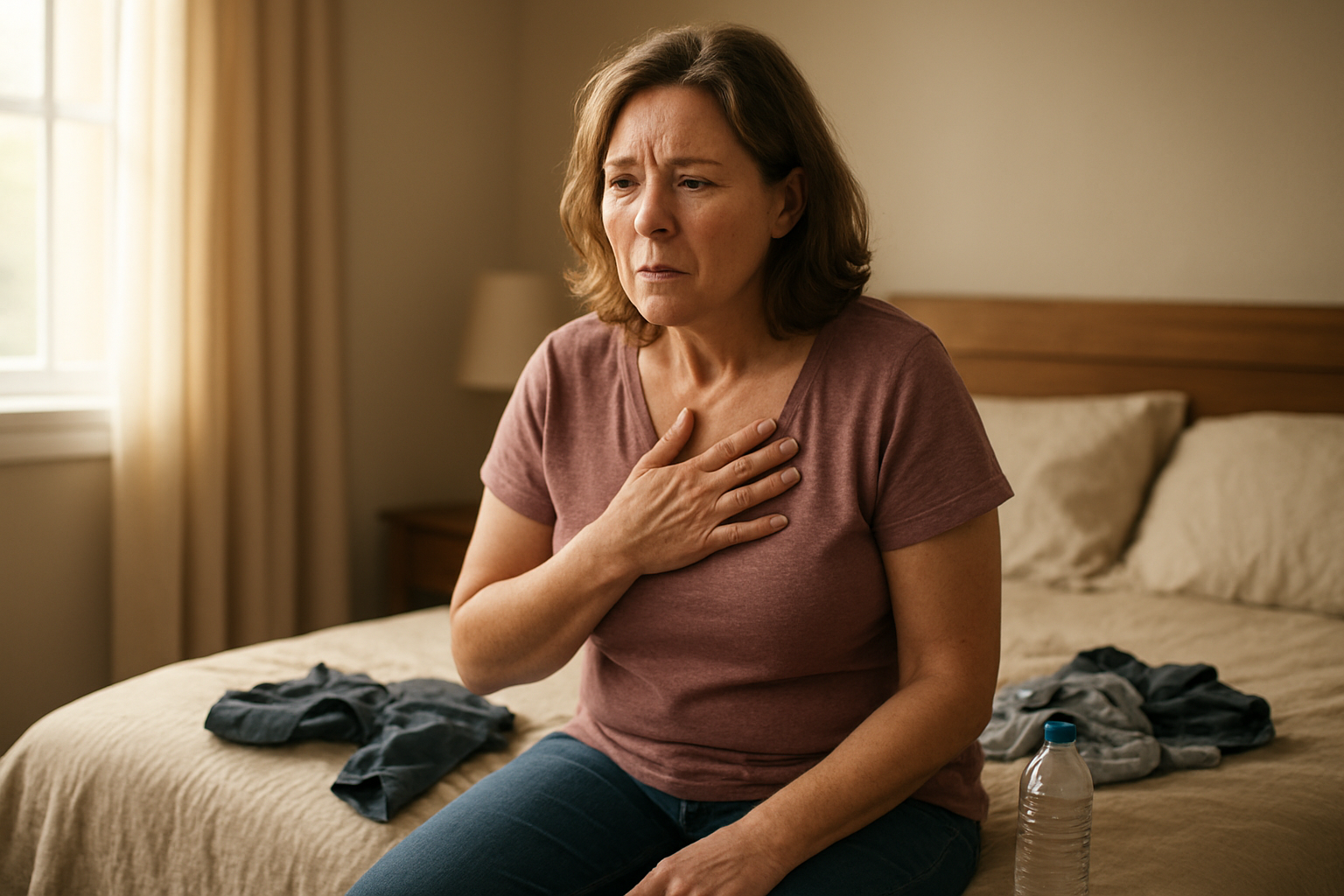
Breathlessness during activities that once felt effortless can signal developing heart problems. Your heart muscle might struggle to pump blood efficiently, leaving your body’s tissues crying out for oxygen. When climbing a single flight of stairs leaves you gasping for air, or when a gentle walk around the block feels like running a marathon, your cardiovascular system could be sending distress signals.

Many people dismiss exercise-induced shortness of breath heart problems as poor fitness or getting older. However, cardiac-related breathlessness typically develops gradually and becomes more noticeable over time. You might find yourself avoiding stairs, choosing lifts instead, or making excuses to skip physical activities you previously enjoyed.

The key difference between normal exercise fatigue and heart-related breathlessness lies in proportion. Healthy individuals recover quickly after light exertion, but those with developing heart conditions may need extended rest periods. If walking to your local shops leaves you breathless for more than a few minutes, this warrants medical attention.

Watch for patterns in your breathing difficulties. Heart-related shortness of breath often worsens when lying flat and improves when sitting upright. This occurs because fluid can accumulate in your lungs when your heart cannot pump blood effectively through your circulatory system.

Recognise unexplained breathlessness whilst resting

Breathing difficulties that occur without any physical exertion represent one of the most concerning early symptoms of heart disease. When you’re sitting comfortably watching television or reading a book and suddenly feel like you cannot catch your breath, your heart might be struggling to maintain adequate circulation.

Resting breathlessness often develops gradually, making it easy to overlook initially. You might attribute it to stress, anxiety, or environmental factors like stuffy rooms. However, cardiac-related breathlessness at rest typically persists regardless of your surroundings or emotional state.

This symptom becomes particularly worrying when it occurs during sleep or whilst lying down. Many people with developing heart problems find themselves needing multiple pillows to breathe comfortably at night. They might wake up gasping for air or feel compelled to sit upright in bed to breathe easier.

The mechanism behind resting breathlessness involves your heart’s reduced ability to pump blood through your lungs efficiently. When blood backs up in your pulmonary circulation, fluid can leak into your lung tissues, creating a sensation of drowning from within. This condition, called pulmonary oedema, requires immediate medical evaluation.

Identify when simple tasks leave you winded

Everyday activities that never caused breathing problems suddenly becoming exhausting can indicate cardiovascular disease early signs. Washing dishes, making beds, or carrying shopping bags might leave you breathless and needing to rest. These routine tasks require minimal physical effort for healthy hearts, but struggling cardiovascular systems cannot meet even these modest demands.

The progression often follows a predictable pattern. Initially, you might notice breathlessness during more demanding household tasks like hoovering or gardening. Gradually, simpler activities begin causing problems. Eventually, even basic self-care tasks like showering or getting dressed might leave you winded.

Activity Level Normal Response Heart Disease Warning
Light housework Comfortable breathing Mild breathlessness
Climbing one flight Slight increase in breathing Significant shortness of breath
Walking short distances Normal breathing Need to stop and rest
Personal care tasks No breathing changes Breathless and fatigued

Pay attention to your recovery time after these activities. Healthy individuals return to normal breathing within minutes, but those with heart problems might need 10-15 minutes or longer to feel comfortable again. If you find yourself planning your day around avoiding activities that might leave you breathless, or if you’re making excuses to others about your limitations, these could be signs that your heart needs medical evaluation.

The emotional impact of this limitation often compounds the physical symptoms. Frustration, embarrassment, or anxiety about your changing capabilities can create a cycle where you become less active, leading to further deconditioning and worsening symptoms.

Pay Attention to Unusual Fatigue and Weakness
Pay Attention to Unusual Fatigue and Weakness

Spot Excessive Tiredness That Doesn’t Improve with Rest

When your heart struggles to pump blood efficiently, your body doesn’t receive the oxygen and nutrients it needs to function properly. This creates a persistent, bone-deep exhaustion that feels completely different from ordinary tiredness. You might find yourself sleeping eight hours or more yet still waking up feeling drained, as if you haven’t slept at all.

This type of fatigue is particularly concerning because it doesn’t respond to traditional remedies like a good night’s sleep, caffeine, or rest breaks. Your body is essentially running on reduced power, much like a mobile phone with a failing battery. Even after weekends of rest or holidays, you still feel depleted and lacking energy.

The fatigue often affects your mental clarity as well. You might struggle to concentrate at work, feel foggy during conversations, or find it difficult to complete tasks that usually come easily. This cognitive fatigue happens because your brain, like every other organ, needs adequate blood flow to function optimally.

Recognise When Normal Activities Become Exhausting

Simple daily tasks that never bothered you before suddenly feel overwhelming. Walking up a single flight of stairs might leave you breathless and needing to sit down. Carrying groceries from the car becomes a monumental effort requiring multiple breaks. Even basic activities like showering, getting dressed, or preparing breakfast can leave you feeling completely spent.

This change often happens gradually, so you might initially dismiss it as getting older or being out of shape. However, when routine activities consistently drain your energy reserves, your heart may be working harder than it should to meet your body’s demands.

Pay particular attention to activities involving any physical exertion, even mild ones. If you notice that tasks requiring minimal effort – like making your bed, walking to the postbox, or standing for extended periods – consistently leave you exhausted, this warrants medical attention. Your activity tolerance serves as an excellent barometer for your heart’s pumping efficiency.

Understand the Difference Between Normal Tiredness and Heart-Related Fatigue

Normal tiredness follows predictable patterns and has clear causes. You feel tired after a long day at work, following exercise, or when you haven’t slept well. This tiredness responds well to rest, improves with adequate sleep, and doesn’t interfere significantly with your daily functioning.

Heart-related fatigue, however, presents differently. It appears disproportionate to your activity level and persists despite adequate rest. You might feel exhausted after minimal exertion or experience crushing fatigue that seems to come from nowhere. This type of tiredness often feels heavier and more profound than normal fatigue.

Normal Tiredness Heart-Related Fatigue
Improves with rest Persists despite rest
Proportional to activity Disproportionate to effort
Occasional occurrence Persistent and frequent
Affects energy only Affects energy and breathing
Responds to sleep Unresponsive to sleep

Another key difference lies in accompanying symptoms. Heart-related fatigue often comes with subtle breathlessness, even during rest, or a feeling that your heart is working harder than usual. You might notice your heart beating more forcefully or rapidly during simple activities.

Notice Fatigue That Worsens Progressively Over Time

Perhaps most concerning is fatigue that gradually intensifies over weeks or months. You might initially attribute declining energy levels to stress, ageing, or seasonal changes. However, heart disease warning signs often develop slowly, creating a new baseline of reduced energy that becomes your “normal.”

Track your energy patterns over time. If you notice that activities you managed comfortably six months ago now require significant effort, this progression suggests your heart’s pumping ability may be declining. The deterioration might be so gradual that family members notice the change before you do.

Progressive fatigue often coincides with other cardiovascular disease early signs. You might simultaneously develop mild shortness of breath, slight swelling in your ankles, or occasional chest discomfort. These symptoms together create a concerning pattern that requires prompt medical evaluation.

Women, in particular, should pay close attention to unusual fatigue, as it’s often one of the most prominent heart attack warning signs in females, sometimes appearing weeks before other symptoms. Don’t dismiss persistent, worsening fatigue as simply “part of getting older” – your heart might be trying to tell you something important.

Watch for Swelling in Your Lower Extremities
Watch for Swelling in Your Lower Extremities

Identify fluid retention in ankles, feet, and lower legs

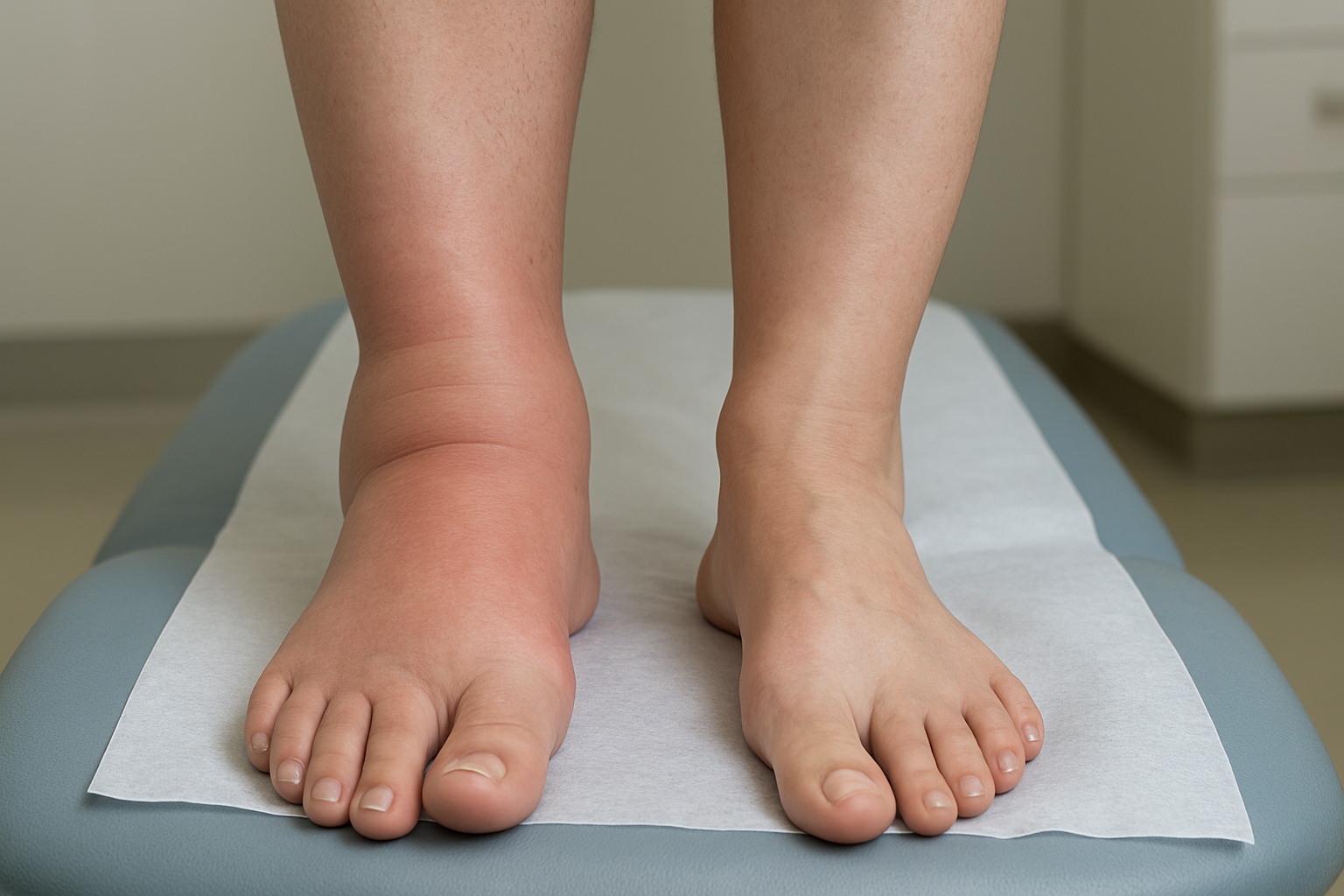
Swelling in your lower extremities can be one of the most telling heart disease warning signs that many people overlook. When your heart struggles to pump blood effectively, fluid begins to accumulate in the tissues of your legs, ankles, and feet – a condition known as oedema. This happens because weakened heart muscle cannot circulate blood efficiently back from your extremities to your heart and lungs.

The swelling typically starts gradually and may appear as puffiness around your ankles after a long day of standing or sitting. You might notice that your shoes feel tighter than usual, or sock marks remain indented on your skin long after removing them. The affected areas often feel tender to touch and may appear shiny or stretched.

What makes this particularly concerning is the pattern of fluid retention. Unlike temporary swelling from prolonged sitting or minor injuries, cardiovascular disease early signs include persistent oedema that worsens over time. The fluid accumulation follows gravity, so you’ll typically see it first in your feet and ankles, gradually moving up your legs as the condition progresses.

Pay attention to these specific indicators:

  • Pressing your finger into the swollen area leaves a dent that takes several seconds to fill back in
  • Your lower legs feel heavy or achy, especially at the end of the day
  • The swelling affects both legs equally (unilateral swelling might indicate other issues)
  • Your skin appears stretched, shiny, or discoloured in the affected areas

Notice when swelling persists despite elevation

Healthy circulation responds well to elevation – when you put your feet up, normal swelling from daily activities should reduce significantly within 15-30 minutes. However, when heart disease symptoms are present, this simple remedy becomes less effective or stops working altogether.

If you’ve elevated your legs above heart level for several hours and the swelling remains unchanged, this signals that your circulatory system isn’t responding as it should. The persistence of oedema despite elevation suggests that the underlying cause isn’t simply gravity or temporary fluid retention – it points to a more serious cardiovascular issue requiring medical attention.

Your heart may be struggling to maintain adequate pressure to move fluid back into circulation. This creates a backup effect where fluid continues to leak from blood vessels into surrounding tissues, regardless of positioning. The longer this pattern continues, the more stretched and damaged the tissues become, making the swelling even more resistant to simple interventions.

Professional healthcare providers often use the elevation test as a diagnostic tool. If swelling doesn’t improve with elevation, combined with other symptoms, it strengthens the case for further cardiac evaluation.

Recognise rapid weight gain from fluid accumulation

Sudden weight gain often accompanies lower extremity swelling when heart problems develop. This isn’t the gradual weight increase from changes in diet or exercise – we’re talking about gaining 2-3 pounds or more in just a few days without any obvious cause.

This rapid weight gain occurs because your body retains excess fluid that would normally be processed and eliminated by properly functioning circulation. Each litre of retained fluid weighs approximately one kilogram, so even modest fluid retention shows up quickly on the scales.

Track your weight daily at the same time, preferably first thing in the morning after using the toilet but before eating or drinking. Keep a simple log noting:

Day Weight Swelling Level Other Symptoms
Monday 70kg Mild ankle puffiness None
Tuesday 71kg Ankle swelling worse Slightly breathless
Wednesday 72.5kg Swelling to mid-calf Fatigue

This type of monitoring helps you spot concerning patterns early. If you gain more than 1-2 pounds in a single day or 3-4 pounds in a week without dietary changes, especially when accompanied by swelling, contact your GP promptly.

The combination of rapid weight gain and persistent lower extremity oedema represents early symptoms of heart disease that shouldn’t be dismissed as normal ageing or lifestyle factors. Your cardiovascular system may be sending clear signals that intervention is needed before more serious complications develop.

Detect Irregular Heart Rhythms and Palpitations
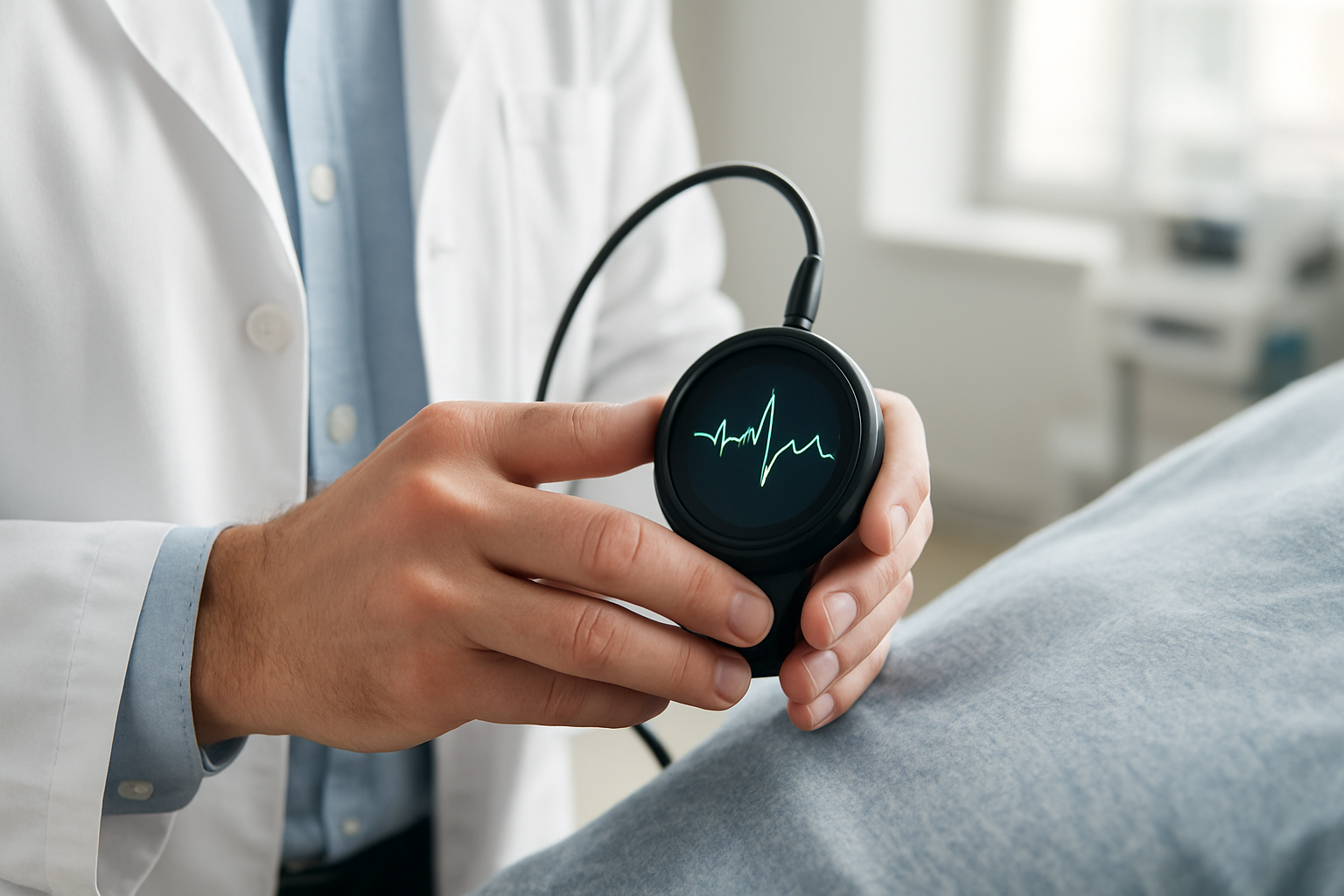
Detect Irregular Heart Rhythms and Palpitations

Notice Skipped Beats or Fluttering Sensations

Your heart normally beats in a steady, rhythmic pattern that you rarely notice during daily activities. When this rhythm changes, it can create sensations that range from subtle to alarming. Skipped beats, medically known as palpitations, feel like your heart has missed a beat, paused momentarily, or given an extra thump in your chest.

These heart palpitations symptoms might manifest as a brief fluttering sensation, similar to butterflies in your chest. You might feel your heart “jumping” or experience what feels like a fish flopping in your chest. Some people describe it as their heart doing a somersault or briefly stopping before resuming its normal rhythm.

The sensation can occur anywhere in your chest, throat, or neck area. You might notice it more when lying down quietly at night, during periods of stress, or after consuming caffeine or alcohol. While occasional skipped beats are common and often harmless, persistent or frequent episodes warrant medical attention as they could signal underlying cardiovascular issues.

Identify When Your Heart Races Without Obvious Cause

A racing heart, or tachycardia, becomes concerning when it occurs without clear triggers like exercise, stress, or caffeine consumption. Your resting heart rate typically ranges between 60-100 beats per minute, but during unexplained episodes, it might surge to 120 beats per minute or higher whilst you’re sitting calmly or performing light activities.

These episodes of irregular heartbeat symptoms can start suddenly and may last anywhere from a few seconds to several hours. You might feel your heart pounding forcefully against your chest wall, making you acutely aware of each beat. The sensation can be accompanied by a feeling of your heart working harder than necessary for your current activity level.

Pay particular attention to racing episodes that occur:

  • During rest or sleep
  • Without emotional stress or physical exertion
  • After minimal activities like walking slowly
  • Repeatedly throughout the week
  • When accompanied by sweating or discomfort

Recognise When Palpitations Occur with Other Symptoms

Heart disease warning signs become more significant when palpitations appear alongside other symptoms. This combination suggests your cardiovascular system may be under stress or experiencing dysfunction that requires immediate evaluation.

Watch for palpitations that coincide with:

Accompanying Symptom Potential Significance
Chest discomfort or pressure Possible heart attack or angina
Severe shortness of breath Heart failure or arrhythmia
Dizziness or fainting Blood flow disruption
Excessive sweating Cardiovascular distress
Nausea or vomiting Serious cardiac event

When your heart rhythm problems occur with chest pain, this combination represents one of the classic early symptoms of heart disease. The chest discomfort might feel like pressure, squeezing, or burning rather than sharp pain. Similarly, palpitations with unexplained shortness of breath during normal activities could indicate your heart isn’t pumping effectively.

Understand When Irregular Rhythms Require Immediate Evaluation

Certain heart rhythm disturbances demand urgent medical attention, as they can indicate life-threatening conditions. These cardiovascular disease early signs shouldn’t be dismissed or delayed for a convenient appointment time.

Seek emergency care immediately if you experience:

  • Palpitations with severe chest pain lasting more than a few minutes
  • Heart rhythm problems accompanied by difficulty breathing while at rest
  • Irregular heartbeats with loss of consciousness or near-fainting
  • Sustained rapid heart rate (over 120 bpm) lasting more than 30 minutes without exertion
  • Palpitations with severe dizziness, confusion, or weakness

Contact your GP within 24 hours for:

  • New onset of frequent palpitations (several times weekly)
  • Heart rhythm changes that interfere with daily activities
  • Palpitations lasting longer than usual patterns
  • Episodes occurring with mild chest discomfort or breathlessness

Regular monitoring becomes essential if you’ve noticed changes in your heart rhythm patterns. Keep a simple diary noting when episodes occur, their duration, accompanying symptoms, and potential triggers. This information helps healthcare providers determine whether your heart palpitations symptoms require further investigation or treatment adjustments.

Recognise Dizziness and Lightheadedness Patterns
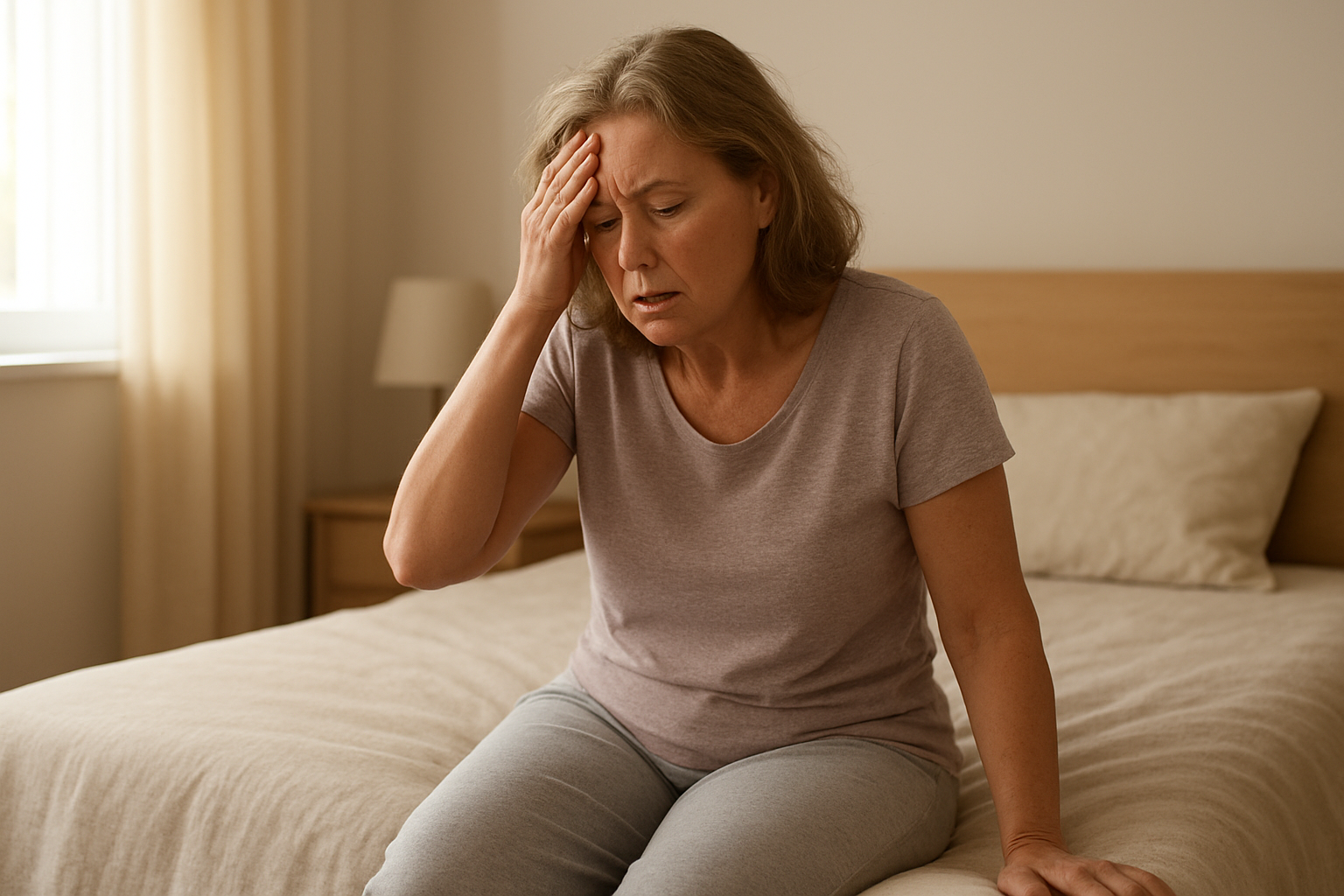
Recognise Dizziness and Lightheadedness Patterns

Identify Fainting Spells or Near-Fainting Episodes

Fainting spells and near-fainting episodes can be frightening experiences that may signal serious heart disease warning signs. These episodes, medically known as syncope and presyncope, occur when your brain temporarily doesn’t receive enough blood flow. Your heart might struggle to pump blood effectively, particularly if you have underlying cardiovascular disease.

Pay close attention to moments when you suddenly feel like you’re going to lose consciousness. You might experience a greyish haze creeping into your vision, hear sounds becoming muffled, or feel like the world is spinning. Some people describe it as feeling like they’re “going down a tunnel” or experiencing a sudden wave of nausea accompanied by sweating.

These episodes often happen when you stand up quickly, but they can also occur during normal activities. If you’ve experienced multiple episodes where you’ve actually fainted or come close to fainting, this warrants immediate medical attention. Your GP can perform tests to determine if your heart rhythm is irregular or if your heart muscle isn’t pumping as efficiently as it should.

Keep a diary of these episodes, noting what you were doing when they occurred, how long they lasted, and any other symptoms you experienced. This information proves invaluable when discussing your cardiovascular disease early signs with your healthcare provider.

Notice Dizziness During Physical Activity

Dizziness that appears during physical activity represents one of the more concerning early symptoms of heart disease. When your heart can’t keep up with your body’s increased demand for oxygen-rich blood during exercise or exertion, you might feel dizzy, unsteady, or like the room is spinning.

This type of dizziness differs from the lightheadedness you might feel after standing up too quickly. Activity-related dizziness suggests your heart struggles to increase its output when your muscles need more blood flow. You might notice this when climbing stairs, walking briskly, or even during lighter activities like gardening or housework.

Watch for dizziness that accompanies other symptoms during physical activity. If you feel dizzy alongside chest discomfort, excessive sweating, or unusual shortness of breath heart problems, stop what you’re doing immediately and rest. These combined symptoms could indicate your heart isn’t receiving adequate blood supply.

Don’t dismiss dizziness during exercise as simply being “out of shape.” While fitness levels certainly play a role, persistent dizziness during activities you could previously handle easily might signal developing heart problems. Track which activities trigger your dizziness and whether the symptoms are getting progressively worse with lighter activities.

Recognise When Lightheadedness Accompanies Other Warning Signs

Lightheadedness becomes particularly significant when it appears alongside other heart attack warning signs or cardiovascular symptoms. This combination creates a more urgent picture that requires prompt medical evaluation.

When lightheadedness occurs with chest pain or discomfort, it might indicate your heart muscle isn’t getting enough oxygen. The combination suggests your coronary arteries could be narrowed or blocked, reducing blood flow to your heart muscle. Similarly, if you experience lightheadedness with heart palpitations symptoms or irregular heartbeat symptoms, your heart’s electrical system might be malfunctioning.

Pay attention to lightheadedness that accompanies unusual fatigue, particularly if you feel exhausted after minimal exertion. This combination often indicates your heart isn’t pumping blood efficiently throughout your body. Your organs and muscles aren’t receiving adequate oxygen, leading to both fatigue and the dizzy feeling.

Lightheadedness paired with swelling in your legs, ankles, or feet suggests fluid retention, which can indicate heart failure. Your heart might not be strong enough to pump blood effectively, causing fluid to accumulate in your lower extremities whilst simultaneously reducing blood flow to your brain.

If you experience lightheadedness along with nausea, sweating, or jaw pain, seek immediate medical attention. These symptom combinations, particularly in women, can represent heart disease symptoms UK doctors recognise as atypical heart attack presentations. Don’t wait to see if symptoms improve – call emergency services or visit your nearest A&E department.

Understand When to Seek Immediate Medical Evaluation

Understand When to Seek Immediate Medical Evaluation

Know which combinations of symptoms require emergency care

Recognising when heart disease warning signs become medical emergencies can literally save your life. Certain combinations of symptoms should send you straight to A&E without delay. If you experience chest pain alongside shortness of breath, nausea, or breaking out in a cold sweat, don’t wait to see if it passes. Similarly, severe chest discomfort that spreads to your arms, neck, jaw, or back warrants immediate emergency care.

Call 999 immediately if you have crushing chest pain lasting more than 15 minutes, especially when combined with dizziness or fainting. Heart palpitations that occur with chest pain, difficulty breathing, or loss of consciousness also require emergency intervention. Never ignore sudden, severe shortness of breath that makes simple activities impossible, particularly if accompanied by chest tightness or pain radiating to your left arm.

Women often experience different emergency symptoms than men. Watch for sudden overwhelming fatigue combined with nausea, back pain, or jaw discomfort. These seemingly unrelated symptoms can signal a heart attack in progress.

Supplementation such as… once you have seen your GP!

After consulting your GP about cardiovascular concerns, specific supplements may support heart health as part of your overall treatment plan. Omega-3 fatty acids from fish oil have shown significant benefits for cardiovascular health, potentially reducing inflammation and supporting healthy cholesterol levels. CoQ10 supplements may help those taking statins, as these medications can deplete natural CoQ10 levels.

Magnesium plays a crucial role in heart rhythm regulation and blood pressure control. Many people don’t get enough from their diet alone. Vitamin D deficiency has been linked to increased cardiovascular risks, so supplementation might be beneficial if blood tests reveal low levels.

However, never start any supplement regime without discussing it with your healthcare provider first. Some supplements can interact with heart medications or affect blood clotting, particularly if you’re taking warfarin or similar medications.

Understand the importance of early intervention

Early detection and intervention for heart disease dramatically improve outcomes and quality of life. When cardiovascular disease early signs are caught quickly, treatments are often less invasive and more effective. Many heart conditions that seem overwhelming in advanced stages can be managed well when identified early.

Early intervention might involve lifestyle changes, medications, or minor procedures rather than major surgery. For instance, catching high blood pressure early means simple medication adjustments can prevent heart attacks or strokes. Identifying irregular heartbeat symptoms early allows for monitoring and treatment before serious complications develop.

The NHS emphasises that people who receive early treatment for heart disease live longer, more active lives. Early intervention also reduces the likelihood of emergency situations and hospitalisations, keeping you healthier and more independent.

Recognise risk factors that increase your urgency for medical attention

Your personal risk factors should influence how quickly you seek medical care when experiencing potential heart disease symptoms UK residents commonly face. If you’re over 65, have diabetes, high blood pressure, or a family history of heart disease, treat any cardiovascular symptoms more seriously.

Smoking significantly increases your risk, meaning chest pain heart attack symptoms require urgent evaluation. High cholesterol levels, obesity, and sedentary lifestyle also place you in a higher-risk category. Men over 45 and women over 55 should be particularly vigilant about cardiac symptoms.

People with existing heart conditions, previous heart attacks, or those taking heart medications should seek immediate care for any new or worsening symptoms. Don’t assume new symptoms are related to your existing condition without professional evaluation.

Learn how to communicate symptoms effectively to healthcare providers

Describing your symptoms clearly helps healthcare providers make accurate diagnoses quickly. Keep a symptom diary noting when symptoms occur, what triggers them, how long they last, and their intensity on a scale of 1-10. Record what you were doing when symptoms started and what helped or made them worse.

Be specific about pain location and quality. Instead of saying “chest pain,” describe whether it’s crushing, burning, stabbing, or pressure-like. Note if pain radiates to other areas. For shortness of breath heart problems, explain whether it occurs with activity, at rest, or when lying down.

Mention all medications, supplements, and recent changes to your routine. Don’t minimise symptoms or worry about “bothering” healthcare providers. When discussing when to see cardiologist, provide complete information about family history and lifestyle factors.

What we take to benefit our own Heart Health

Our team prioritises evidence-based supplements and lifestyle approaches for cardiovascular health. We focus on omega-3 fatty acids from quality fish oil sources, typically 1000-2000mg daily with meals. Magnesium glycinate provides better absorption than other forms, supporting healthy blood pressure and heart rhythm.

Regular CoQ10 supplementation, particularly the ubiquinol form, supports cellular energy production in heart muscle. We also ensure adequate vitamin D levels through testing and appropriate supplementation when needed.

Beyond supplements, we emphasise whole food nutrition with plenty of leafy greens, berries, fatty fish, and nuts. Regular moderate exercise, stress management through meditation or yoga, and quality sleep form the foundation of our heart health approach. Always consult healthcare providers before starting any new supplement regime, especially if you’re taking medications or have existing health conditions.

conclusion

Your heart often whispers before it shouts, and recognising these seven warning signs could be the difference between catching problems early and facing serious complications. From persistent chest discomfort and unexplained shortness of breath to swollen ankles and irregular heartbeats, your body provides clear signals when something isn’t quite right. Don’t dismiss unusual fatigue as just getting older or wave off dizziness as nothing serious – these symptoms deserve your attention.

The most important thing you can do is trust your instincts and act quickly when warning signs appear. Keep a note of when symptoms occur, what triggers them, and how long they last, then share this information with your GP. Remember, heart disease is often preventable and manageable when caught early, so don’t wait for symptoms to worsen. Your heart works tirelessly for you every day – now it’s time to return the favour by listening to what it’s trying to tell you.
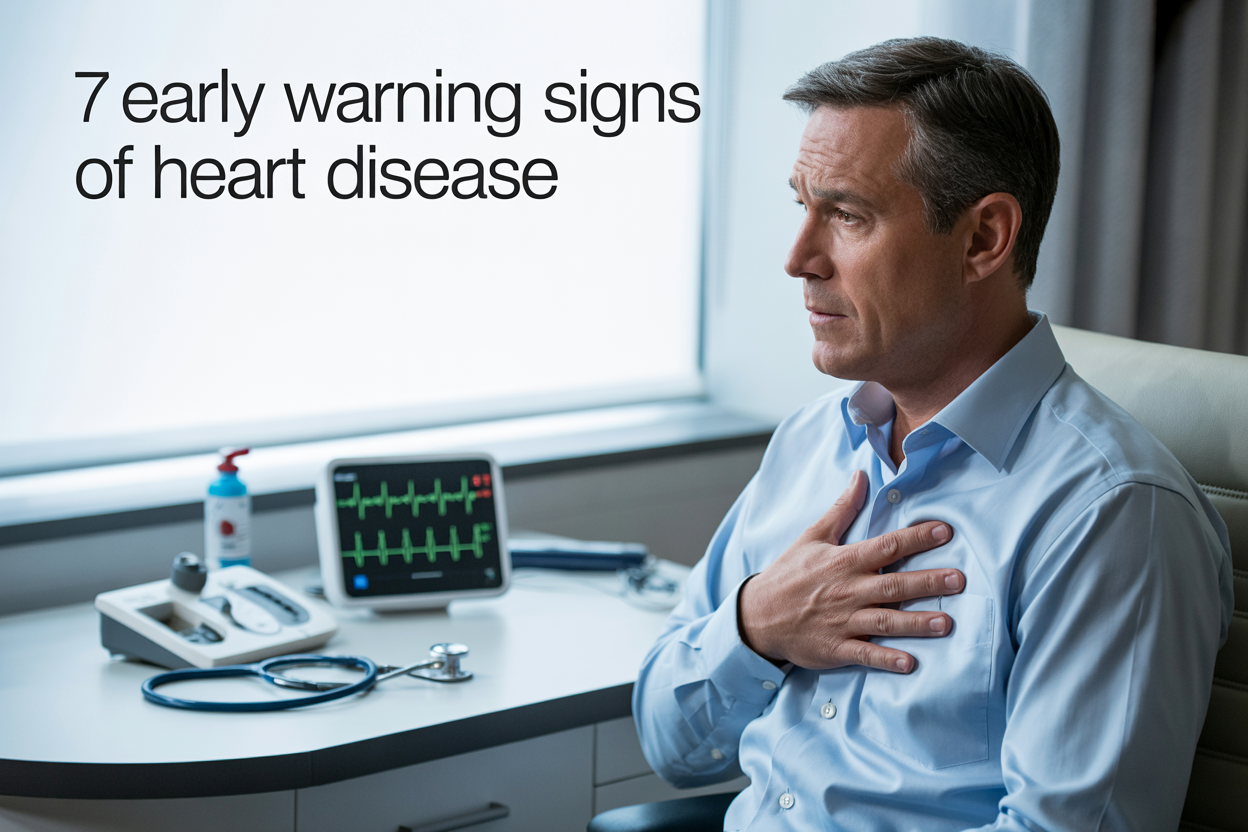
7 Early Warning Signs of Heart Disease You Shouldn’t Ignore

Table of Contents

Heart disease remains the leading cause of death, but spotting early symptoms of heart disease can be life-saving. Many people dismiss warning signs as stress or ageing, missing crucial opportunities for early treatment.

This guide is for anyone concerned about their cardiovascular health – whether you’re over 40, have family history of heart problems, or simply want to stay informed about your body’s signals.

We’ll explore how to recognise chest discomfort and pain patterns that differ from everyday aches, monitor shortness of breath during routine activities, and identify when unusual fatigue signals something more serious than a busy week. You’ll also learn to spot swelling patterns and understand when heart palpitations symptoms require immediate attention.

Knowing these heart disease warning signs helps you take control of your health and know exactly when to see a cardiologist.

Recognise Chest Discomfort and Pain Patterns

Recognise Chest Discomfort and Pain Patterns

Distinguish between heart-related chest pain and other causes

Heart-related chest pain differs significantly from other types of discomfort, and recognising these differences could save your life. Heart disease warning signs often start subtly, making it crucial to understand what sets cardiac pain apart from muscular strain, indigestion, or anxiety-related symptoms.

Cardiac chest pain typically feels deep and central, often described as pressure behind the breastbone rather than a sharp, stabbing sensation. Unlike pulled muscles that hurt when you move or breathe deeply, heart-related discomfort remains constant regardless of your position or breathing pattern. The pain often spreads beyond the chest area, radiating to your left arm, neck, jaw, or even your back.

Non-cardiac chest pain usually has clear triggers and patterns. Muscle strain worsens with movement, whilst digestive issues often relate to meals or lying down. Anxiety-related chest pain tends to be sharp and localised, often accompanied by rapid breathing or panic symptoms. These conditions rarely cause the spreading, pressure-like sensation characteristic of early symptoms of heart disease.

Women and older adults may experience atypical presentations. Instead of classic chest pressure, they might feel upper back pain, nausea, or general discomfort that doesn’t fit typical patterns. Age also plays a role – chest pain in people over 40, especially those with risk factors like high blood pressure or diabetes, requires more serious consideration.

Identify pressure, squeezing, and burning sensations

Chest pain heart attack warnings often manifest as specific sensations that people frequently misinterpret. The classic description involves feeling like an elephant sitting on your chest – a heavy, crushing pressure that builds gradually or appears suddenly. This pressure creates a sensation of tightness, as though someone were squeezing your chest from the inside.

Burning sensations in the chest deserve particular attention, especially when they differ from typical heartburn. Heart-related burning often feels deeper and more central than acid reflux, and antacids won’t provide relief. The burning may intensify with physical activity or emotional stress, unlike digestive burning that typically worsens after eating.

Many people describe the sensation as wearing a tight band around their chest or having a heavy weight pressing down. The discomfort might feel like severe indigestion that won’t go away, particularly in women who often experience less typical symptoms. Some individuals report feeling like they can’t take a deep breath, not because of lung problems, but due to the chest pressure.

The intensity varies considerably between individuals. Some experience mild discomfort they initially dismiss as minor indigestion, whilst others feel crushing pain that immediately signals danger. Location matters too – pressure directly behind the breastbone or slightly to the left often indicates cardiac origin, particularly when it persists for more than a few minutes.

Understand when chest discomfort signals immediate medical attention

Certain chest pain characteristics demand immediate emergency response, regardless of your age or perceived health status. Heart attack warning signs include chest discomfort lasting more than 15 minutes, pain that worsens progressively, or any chest symptoms accompanied by sweating, nausea, or shortness of breath.

Call 999 immediately if chest pressure comes with additional warning signs: pain radiating to your arm, neck, or jaw; cold, clammy skin; dizziness or feeling faint; or sudden onset of severe symptoms. Don’t drive yourself to hospital – ambulance crews can begin life-saving treatment during transport and alert the emergency department to prepare for your arrival.

The timing and progression of symptoms matter enormously. Intermittent chest discomfort over weeks might indicate developing cardiovascular disease early signs requiring medical evaluation, but not necessarily emergency treatment. However, any new chest pain lasting more than 20 minutes, especially in people with heart disease risk factors, needs immediate assessment.

Trust your instincts about unusual symptoms. Many heart attack survivors report knowing something felt fundamentally different, even when symptoms seemed mild. Don’t worry about feeling embarrassed if tests reveal non-cardiac causes – medical professionals would rather investigate unnecessary concerns than miss genuine heart disease warning signs.

Consider your personal risk factors when evaluating chest discomfort. Family history of heart disease, smoking, high cholesterol, diabetes, or high blood pressure all increase the likelihood that chest symptoms indicate serious cardiac problems requiring urgent attention.

Monitor Shortness of Breath During Daily Activities

Monitor Shortness of Breath During Daily Activities

Notice breathing difficulties during light exercise or walking

Breathlessness during activities that once felt effortless can signal developing heart problems. Your heart muscle might struggle to pump blood efficiently, leaving your body’s tissues crying out for oxygen. When climbing a single flight of stairs leaves you gasping for air, or when a gentle walk around the block feels like running a marathon, your cardiovascular system could be sending distress signals.

Many people dismiss exercise-induced shortness of breath heart problems as poor fitness or getting older. However, cardiac-related breathlessness typically develops gradually and becomes more noticeable over time. You might find yourself avoiding stairs, choosing lifts instead, or making excuses to skip physical activities you previously enjoyed.

The key difference between normal exercise fatigue and heart-related breathlessness lies in proportion. Healthy individuals recover quickly after light exertion, but those with developing heart conditions may need extended rest periods. If walking to your local shops leaves you breathless for more than a few minutes, this warrants medical attention.

Watch for patterns in your breathing difficulties. Heart-related shortness of breath often worsens when lying flat and improves when sitting upright. This occurs because fluid can accumulate in your lungs when your heart cannot pump blood effectively through your circulatory system.

Recognise unexplained breathlessness whilst resting

Breathing difficulties that occur without any physical exertion represent one of the most concerning early symptoms of heart disease. When you’re sitting comfortably watching television or reading a book and suddenly feel like you cannot catch your breath, your heart might be struggling to maintain adequate circulation.

Resting breathlessness often develops gradually, making it easy to overlook initially. You might attribute it to stress, anxiety, or environmental factors like stuffy rooms. However, cardiac-related breathlessness at rest typically persists regardless of your surroundings or emotional state.

This symptom becomes particularly worrying when it occurs during sleep or whilst lying down. Many people with developing heart problems find themselves needing multiple pillows to breathe comfortably at night. They might wake up gasping for air or feel compelled to sit upright in bed to breathe easier.

The mechanism behind resting breathlessness involves your heart’s reduced ability to pump blood through your lungs efficiently. When blood backs up in your pulmonary circulation, fluid can leak into your lung tissues, creating a sensation of drowning from within. This condition, called pulmonary oedema, requires immediate medical evaluation.

Identify when simple tasks leave you winded

Everyday activities that never caused breathing problems suddenly becoming exhausting can indicate cardiovascular disease early signs. Washing dishes, making beds, or carrying shopping bags might leave you breathless and needing to rest. These routine tasks require minimal physical effort for healthy hearts, but struggling cardiovascular systems cannot meet even these modest demands.

The progression often follows a predictable pattern. Initially, you might notice breathlessness during more demanding household tasks like hoovering or gardening. Gradually, simpler activities begin causing problems. Eventually, even basic self-care tasks like showering or getting dressed might leave you winded.

Activity Level Normal Response Heart Disease Warning
Light housework Comfortable breathing Mild breathlessness
Climbing one flight Slight increase in breathing Significant shortness of breath
Walking short distances Normal breathing Need to stop and rest
Personal care tasks No breathing changes Breathless and fatigued

Pay attention to your recovery time after these activities. Healthy individuals return to normal breathing within minutes, but those with heart problems might need 10-15 minutes or longer to feel comfortable again. If you find yourself planning your day around avoiding activities that might leave you breathless, or if you’re making excuses to others about your limitations, these could be signs that your heart needs medical evaluation.

The emotional impact of this limitation often compounds the physical symptoms. Frustration, embarrassment, or anxiety about your changing capabilities can create a cycle where you become less active, leading to further deconditioning and worsening symptoms.

Pay Attention to Unusual Fatigue and Weakness

Pay Attention to Unusual Fatigue and Weakness

Spot Excessive Tiredness That Doesn’t Improve with Rest

When your heart struggles to pump blood efficiently, your body doesn’t receive the oxygen and nutrients it needs to function properly. This creates a persistent, bone-deep exhaustion that feels completely different from ordinary tiredness. You might find yourself sleeping eight hours or more yet still waking up feeling drained, as if you haven’t slept at all.

This type of fatigue is particularly concerning because it doesn’t respond to traditional remedies like a good night’s sleep, caffeine, or rest breaks. Your body is essentially running on reduced power, much like a mobile phone with a failing battery. Even after weekends of rest or holidays, you still feel depleted and lacking energy.

The fatigue often affects your mental clarity as well. You might struggle to concentrate at work, feel foggy during conversations, or find it difficult to complete tasks that usually come easily. This cognitive fatigue happens because your brain, like every other organ, needs adequate blood flow to function optimally.

Recognise When Normal Activities Become Exhausting

Simple daily tasks that never bothered you before suddenly feel overwhelming. Walking up a single flight of stairs might leave you breathless and needing to sit down. Carrying groceries from the car becomes a monumental effort requiring multiple breaks. Even basic activities like showering, getting dressed, or preparing breakfast can leave you feeling completely spent.

This change often happens gradually, so you might initially dismiss it as getting older or being out of shape. However, when routine activities consistently drain your energy reserves, your heart may be working harder than it should to meet your body’s demands.

Pay particular attention to activities involving any physical exertion, even mild ones. If you notice that tasks requiring minimal effort – like making your bed, walking to the postbox, or standing for extended periods – consistently leave you exhausted, this warrants medical attention. Your activity tolerance serves as an excellent barometer for your heart’s pumping efficiency.

Understand the Difference Between Normal Tiredness and Heart-Related Fatigue

Normal tiredness follows predictable patterns and has clear causes. You feel tired after a long day at work, following exercise, or when you haven’t slept well. This tiredness responds well to rest, improves with adequate sleep, and doesn’t interfere significantly with your daily functioning.

Heart-related fatigue, however, presents differently. It appears disproportionate to your activity level and persists despite adequate rest. You might feel exhausted after minimal exertion or experience crushing fatigue that seems to come from nowhere. This type of tiredness often feels heavier and more profound than normal fatigue.

Normal Tiredness Heart-Related Fatigue
Improves with rest Persists despite rest
Proportional to activity Disproportionate to effort
Occasional occurrence Persistent and frequent
Affects energy only Affects energy and breathing
Responds to sleep Unresponsive to sleep

Another key difference lies in accompanying symptoms. Heart-related fatigue often comes with subtle breathlessness, even during rest, or a feeling that your heart is working harder than usual. You might notice your heart beating more forcefully or rapidly during simple activities.

Notice Fatigue That Worsens Progressively Over Time

Perhaps most concerning is fatigue that gradually intensifies over weeks or months. You might initially attribute declining energy levels to stress, ageing, or seasonal changes. However, heart disease warning signs often develop slowly, creating a new baseline of reduced energy that becomes your “normal.”

Track your energy patterns over time. If you notice that activities you managed comfortably six months ago now require significant effort, this progression suggests your heart’s pumping ability may be declining. The deterioration might be so gradual that family members notice the change before you do.

Progressive fatigue often coincides with other cardiovascular disease early signs. You might simultaneously develop mild shortness of breath, slight swelling in your ankles, or occasional chest discomfort. These symptoms together create a concerning pattern that requires prompt medical evaluation.

Women, in particular, should pay close attention to unusual fatigue, as it’s often one of the most prominent heart attack warning signs in females, sometimes appearing weeks before other symptoms. Don’t dismiss persistent, worsening fatigue as simply “part of getting older” – your heart might be trying to tell you something important.

Watch for Swelling in Your Lower Extremities

Watch for Swelling in Your Lower Extremities

Identify fluid retention in ankles, feet, and lower legs

Swelling in your lower extremities can be one of the most telling heart disease warning signs that many people overlook. When your heart struggles to pump blood effectively, fluid begins to accumulate in the tissues of your legs, ankles, and feet – a condition known as oedema. This happens because weakened heart muscle cannot circulate blood efficiently back from your extremities to your heart and lungs.

The swelling typically starts gradually and may appear as puffiness around your ankles after a long day of standing or sitting. You might notice that your shoes feel tighter than usual, or sock marks remain indented on your skin long after removing them. The affected areas often feel tender to touch and may appear shiny or stretched.

What makes this particularly concerning is the pattern of fluid retention. Unlike temporary swelling from prolonged sitting or minor injuries, cardiovascular disease early signs include persistent oedema that worsens over time. The fluid accumulation follows gravity, so you’ll typically see it first in your feet and ankles, gradually moving up your legs as the condition progresses.

Pay attention to these specific indicators:

  • Pressing your finger into the swollen area leaves a dent that takes several seconds to fill back in
  • Your lower legs feel heavy or achy, especially at the end of the day
  • The swelling affects both legs equally (unilateral swelling might indicate other issues)
  • Your skin appears stretched, shiny, or discoloured in the affected areas

Notice when swelling persists despite elevation

Healthy circulation responds well to elevation – when you put your feet up, normal swelling from daily activities should reduce significantly within 15-30 minutes. However, when heart disease symptoms are present, this simple remedy becomes less effective or stops working altogether.

If you’ve elevated your legs above heart level for several hours and the swelling remains unchanged, this signals that your circulatory system isn’t responding as it should. The persistence of oedema despite elevation suggests that the underlying cause isn’t simply gravity or temporary fluid retention – it points to a more serious cardiovascular issue requiring medical attention.

Your heart may be struggling to maintain adequate pressure to move fluid back into circulation. This creates a backup effect where fluid continues to leak from blood vessels into surrounding tissues, regardless of positioning. The longer this pattern continues, the more stretched and damaged the tissues become, making the swelling even more resistant to simple interventions.

Professional healthcare providers often use the elevation test as a diagnostic tool. If swelling doesn’t improve with elevation, combined with other symptoms, it strengthens the case for further cardiac evaluation.

Recognise rapid weight gain from fluid accumulation

Sudden weight gain often accompanies lower extremity swelling when heart problems develop. This isn’t the gradual weight increase from changes in diet or exercise – we’re talking about gaining 2-3 pounds or more in just a few days without any obvious cause.

This rapid weight gain occurs because your body retains excess fluid that would normally be processed and eliminated by properly functioning circulation. Each litre of retained fluid weighs approximately one kilogram, so even modest fluid retention shows up quickly on the scales.

Track your weight daily at the same time, preferably first thing in the morning after using the toilet but before eating or drinking. Keep a simple log noting:

Day Weight Swelling Level Other Symptoms
Monday 70kg Mild ankle puffiness None
Tuesday 71kg Ankle swelling worse Slightly breathless
Wednesday 72.5kg Swelling to mid-calf Fatigue

This type of monitoring helps you spot concerning patterns early. If you gain more than 1-2 pounds in a single day or 3-4 pounds in a week without dietary changes, especially when accompanied by swelling, contact your GP promptly.

The combination of rapid weight gain and persistent lower extremity oedema represents early symptoms of heart disease that shouldn’t be dismissed as normal ageing or lifestyle factors. Your cardiovascular system may be sending clear signals that intervention is needed before more serious complications develop.

Detect Irregular Heart Rhythms and Palpitations

Detect Irregular Heart Rhythms and Palpitations

Notice Skipped Beats or Fluttering Sensations

Your heart normally beats in a steady, rhythmic pattern that you rarely notice during daily activities. When this rhythm changes, it can create sensations that range from subtle to alarming. Skipped beats, medically known as palpitations, feel like your heart has missed a beat, paused momentarily, or given an extra thump in your chest.

These heart palpitations symptoms might manifest as a brief fluttering sensation, similar to butterflies in your chest. You might feel your heart “jumping” or experience what feels like a fish flopping in your chest. Some people describe it as their heart doing a somersault or briefly stopping before resuming its normal rhythm.

The sensation can occur anywhere in your chest, throat, or neck area. You might notice it more when lying down quietly at night, during periods of stress, or after consuming caffeine or alcohol. While occasional skipped beats are common and often harmless, persistent or frequent episodes warrant medical attention as they could signal underlying cardiovascular issues.

Identify When Your Heart Races Without Obvious Cause

A racing heart, or tachycardia, becomes concerning when it occurs without clear triggers like exercise, stress, or caffeine consumption. Your resting heart rate typically ranges between 60-100 beats per minute, but during unexplained episodes, it might surge to 120 beats per minute or higher whilst you’re sitting calmly or performing light activities.

These episodes of irregular heartbeat symptoms can start suddenly and may last anywhere from a few seconds to several hours. You might feel your heart pounding forcefully against your chest wall, making you acutely aware of each beat. The sensation can be accompanied by a feeling of your heart working harder than necessary for your current activity level.

Pay particular attention to racing episodes that occur:

  • During rest or sleep
  • Without emotional stress or physical exertion
  • After minimal activities like walking slowly
  • Repeatedly throughout the week
  • When accompanied by sweating or discomfort

Recognise When Palpitations Occur with Other Symptoms

Heart disease warning signs become more significant when palpitations appear alongside other symptoms. This combination suggests your cardiovascular system may be under stress or experiencing dysfunction that requires immediate evaluation.

Watch for palpitations that coincide with:

Accompanying Symptom Potential Significance
Chest discomfort or pressure Possible heart attack or angina
Severe shortness of breath Heart failure or arrhythmia
Dizziness or fainting Blood flow disruption
Excessive sweating Cardiovascular distress
Nausea or vomiting Serious cardiac event

When your heart rhythm problems occur with chest pain, this combination represents one of the classic early symptoms of heart disease. The chest discomfort might feel like pressure, squeezing, or burning rather than sharp pain. Similarly, palpitations with unexplained shortness of breath during normal activities could indicate your heart isn’t pumping effectively.

Understand When Irregular Rhythms Require Immediate Evaluation

Certain heart rhythm disturbances demand urgent medical attention, as they can indicate life-threatening conditions. These cardiovascular disease early signs shouldn’t be dismissed or delayed for a convenient appointment time.

Seek emergency care immediately if you experience:

  • Palpitations with severe chest pain lasting more than a few minutes
  • Heart rhythm problems accompanied by difficulty breathing while at rest
  • Irregular heartbeats with loss of consciousness or near-fainting
  • Sustained rapid heart rate (over 120 bpm) lasting more than 30 minutes without exertion
  • Palpitations with severe dizziness, confusion, or weakness

Contact your GP within 24 hours for:

  • New onset of frequent palpitations (several times weekly)
  • Heart rhythm changes that interfere with daily activities
  • Palpitations lasting longer than usual patterns
  • Episodes occurring with mild chest discomfort or breathlessness

Regular monitoring becomes essential if you’ve noticed changes in your heart rhythm patterns. Keep a simple diary noting when episodes occur, their duration, accompanying symptoms, and potential triggers. This information helps healthcare providers determine whether your heart palpitations symptoms require further investigation or treatment adjustments.

Recognise Dizziness and Lightheadedness Patterns

Recognise Dizziness and Lightheadedness Patterns

Identify Fainting Spells or Near-Fainting Episodes

Fainting spells and near-fainting episodes can be frightening experiences that may signal serious heart disease warning signs. These episodes, medically known as syncope and presyncope, occur when your brain temporarily doesn’t receive enough blood flow. Your heart might struggle to pump blood effectively, particularly if you have underlying cardiovascular disease.

Pay close attention to moments when you suddenly feel like you’re going to lose consciousness. You might experience a greyish haze creeping into your vision, hear sounds becoming muffled, or feel like the world is spinning. Some people describe it as feeling like they’re “going down a tunnel” or experiencing a sudden wave of nausea accompanied by sweating.

These episodes often happen when you stand up quickly, but they can also occur during normal activities. If you’ve experienced multiple episodes where you’ve actually fainted or come close to fainting, this warrants immediate medical attention. Your GP can perform tests to determine if your heart rhythm is irregular or if your heart muscle isn’t pumping as efficiently as it should.

Keep a diary of these episodes, noting what you were doing when they occurred, how long they lasted, and any other symptoms you experienced. This information proves invaluable when discussing your cardiovascular disease early signs with your healthcare provider.

Notice Dizziness During Physical Activity

Dizziness that appears during physical activity represents one of the more concerning early symptoms of heart disease. When your heart can’t keep up with your body’s increased demand for oxygen-rich blood during exercise or exertion, you might feel dizzy, unsteady, or like the room is spinning.

This type of dizziness differs from the lightheadedness you might feel after standing up too quickly. Activity-related dizziness suggests your heart struggles to increase its output when your muscles need more blood flow. You might notice this when climbing stairs, walking briskly, or even during lighter activities like gardening or housework.

Watch for dizziness that accompanies other symptoms during physical activity. If you feel dizzy alongside chest discomfort, excessive sweating, or unusual shortness of breath heart problems, stop what you’re doing immediately and rest. These combined symptoms could indicate your heart isn’t receiving adequate blood supply.

Don’t dismiss dizziness during exercise as simply being “out of shape.” While fitness levels certainly play a role, persistent dizziness during activities you could previously handle easily might signal developing heart problems. Track which activities trigger your dizziness and whether the symptoms are getting progressively worse with lighter activities.

Recognise When Lightheadedness Accompanies Other Warning Signs

Lightheadedness becomes particularly significant when it appears alongside other heart attack warning signs or cardiovascular symptoms. This combination creates a more urgent picture that requires prompt medical evaluation.

When lightheadedness occurs with chest pain or discomfort, it might indicate your heart muscle isn’t getting enough oxygen. The combination suggests your coronary arteries could be narrowed or blocked, reducing blood flow to your heart muscle. Similarly, if you experience lightheadedness with heart palpitations symptoms or irregular heartbeat symptoms, your heart’s electrical system might be malfunctioning.

Pay attention to lightheadedness that accompanies unusual fatigue, particularly if you feel exhausted after minimal exertion. This combination often indicates your heart isn’t pumping blood efficiently throughout your body. Your organs and muscles aren’t receiving adequate oxygen, leading to both fatigue and the dizzy feeling.

Lightheadedness paired with swelling in your legs, ankles, or feet suggests fluid retention, which can indicate heart failure. Your heart might not be strong enough to pump blood effectively, causing fluid to accumulate in your lower extremities whilst simultaneously reducing blood flow to your brain.

If you experience lightheadedness along with nausea, sweating, or jaw pain, seek immediate medical attention. These symptom combinations, particularly in women, can represent heart disease symptoms UK doctors recognise as atypical heart attack presentations. Don’t wait to see if symptoms improve – call emergency services or visit your nearest A&E department.

Understand When to Seek Immediate Medical Evaluation

Understand When to Seek Immediate Medical Evaluation

Know which combinations of symptoms require emergency care

Recognising when heart disease warning signs become medical emergencies can literally save your life. Certain combinations of symptoms should send you straight to A&E without delay. If you experience chest pain alongside shortness of breath, nausea, or breaking out in a cold sweat, don’t wait to see if it passes. Similarly, severe chest discomfort that spreads to your arms, neck, jaw, or back warrants immediate emergency care.

Call 999 immediately if you have crushing chest pain lasting more than 15 minutes, especially when combined with dizziness or fainting. Heart palpitations that occur with chest pain, difficulty breathing, or loss of consciousness also require emergency intervention. Never ignore sudden, severe shortness of breath that makes simple activities impossible, particularly if accompanied by chest tightness or pain radiating to your left arm.

Women often experience different emergency symptoms than men. Watch for sudden overwhelming fatigue combined with nausea, back pain, or jaw discomfort. These seemingly unrelated symptoms can signal a heart attack in progress.

Supplementation such as… once you have seen your GP!

After consulting your GP about cardiovascular concerns, specific supplements may support heart health as part of your overall treatment plan. Omega-3 fatty acids from fish oil have shown significant benefits for cardiovascular health, potentially reducing inflammation and supporting healthy cholesterol levels. CoQ10 supplements may help those taking statins, as these medications can deplete natural CoQ10 levels.

Magnesium plays a crucial role in heart rhythm regulation and blood pressure control. Many people don’t get enough from their diet alone. Vitamin D deficiency has been linked to increased cardiovascular risks, so supplementation might be beneficial if blood tests reveal low levels.

However, never start any supplement regime without discussing it with your healthcare provider first. Some supplements can interact with heart medications or affect blood clotting, particularly if you’re taking warfarin or similar medications.

Understand the importance of early intervention

Early detection and intervention for heart disease dramatically improve outcomes and quality of life. When cardiovascular disease early signs are caught quickly, treatments are often less invasive and more effective. Many heart conditions that seem overwhelming in advanced stages can be managed well when identified early.

Early intervention might involve lifestyle changes, medications, or minor procedures rather than major surgery. For instance, catching high blood pressure early means simple medication adjustments can prevent heart attacks or strokes. Identifying irregular heartbeat symptoms early allows for monitoring and treatment before serious complications develop.

The NHS emphasises that people who receive early treatment for heart disease live longer, more active lives. Early intervention also reduces the likelihood of emergency situations and hospitalisations, keeping you healthier and more independent.

Recognise risk factors that increase your urgency for medical attention

Your personal risk factors should influence how quickly you seek medical care when experiencing potential heart disease symptoms UK residents commonly face. If you’re over 65, have diabetes, high blood pressure, or a family history of heart disease, treat any cardiovascular symptoms more seriously.

Smoking significantly increases your risk, meaning chest pain heart attack symptoms require urgent evaluation. High cholesterol levels, obesity, and sedentary lifestyle also place you in a higher-risk category. Men over 45 and women over 55 should be particularly vigilant about cardiac symptoms.

People with existing heart conditions, previous heart attacks, or those taking heart medications should seek immediate care for any new or worsening symptoms. Don’t assume new symptoms are related to your existing condition without professional evaluation.

Learn how to communicate symptoms effectively to healthcare providers

Describing your symptoms clearly helps healthcare providers make accurate diagnoses quickly. Keep a symptom diary noting when symptoms occur, what triggers them, how long they last, and their intensity on a scale of 1-10. Record what you were doing when symptoms started and what helped or made them worse.

Be specific about pain location and quality. Instead of saying “chest pain,” describe whether it’s crushing, burning, stabbing, or pressure-like. Note if pain radiates to other areas. For shortness of breath heart problems, explain whether it occurs with activity, at rest, or when lying down.

Mention all medications, supplements, and recent changes to your routine. Don’t minimise symptoms or worry about “bothering” healthcare providers. When discussing when to see cardiologist, provide complete information about family history and lifestyle factors.

What we take to benefit our own Heart Health

Our team prioritises evidence-based supplements and lifestyle approaches for cardiovascular health. We focus on omega-3 fatty acids from quality fish oil sources, typically 1000-2000mg daily with meals. Magnesium glycinate provides better absorption than other forms, supporting healthy blood pressure and heart rhythm.

Regular CoQ10 supplementation, particularly the ubiquinol form, supports cellular energy production in heart muscle. We also ensure adequate vitamin D levels through testing and appropriate supplementation when needed.

Beyond supplements, we emphasise whole food nutrition with plenty of leafy greens, berries, fatty fish, and nuts. Regular moderate exercise, stress management through meditation or yoga, and quality sleep form the foundation of our heart health approach. Always consult healthcare providers before starting any new supplement regime, especially if you’re taking medications or have existing health conditions.

conclusion

Your heart often whispers before it shouts, and recognising these seven warning signs could be the difference between catching problems early and facing serious complications. From persistent chest discomfort and unexplained shortness of breath to swollen ankles and irregular heartbeats, your body provides clear signals when something isn’t quite right. Don’t dismiss unusual fatigue as just getting older or wave off dizziness as nothing serious – these symptoms deserve your attention.

The most important thing you can do is trust your instincts and act quickly when warning signs appear. Keep a note of when symptoms occur, what triggers them, and how long they last, then share this information with your GP. Remember, heart disease is often preventable and manageable when caught early, so don’t wait for symptoms to worsen. Your heart works tirelessly for you every day – now it’s time to return the favour by listening to what it’s trying to tell you.

No Affiliate Products found.

Related Blog