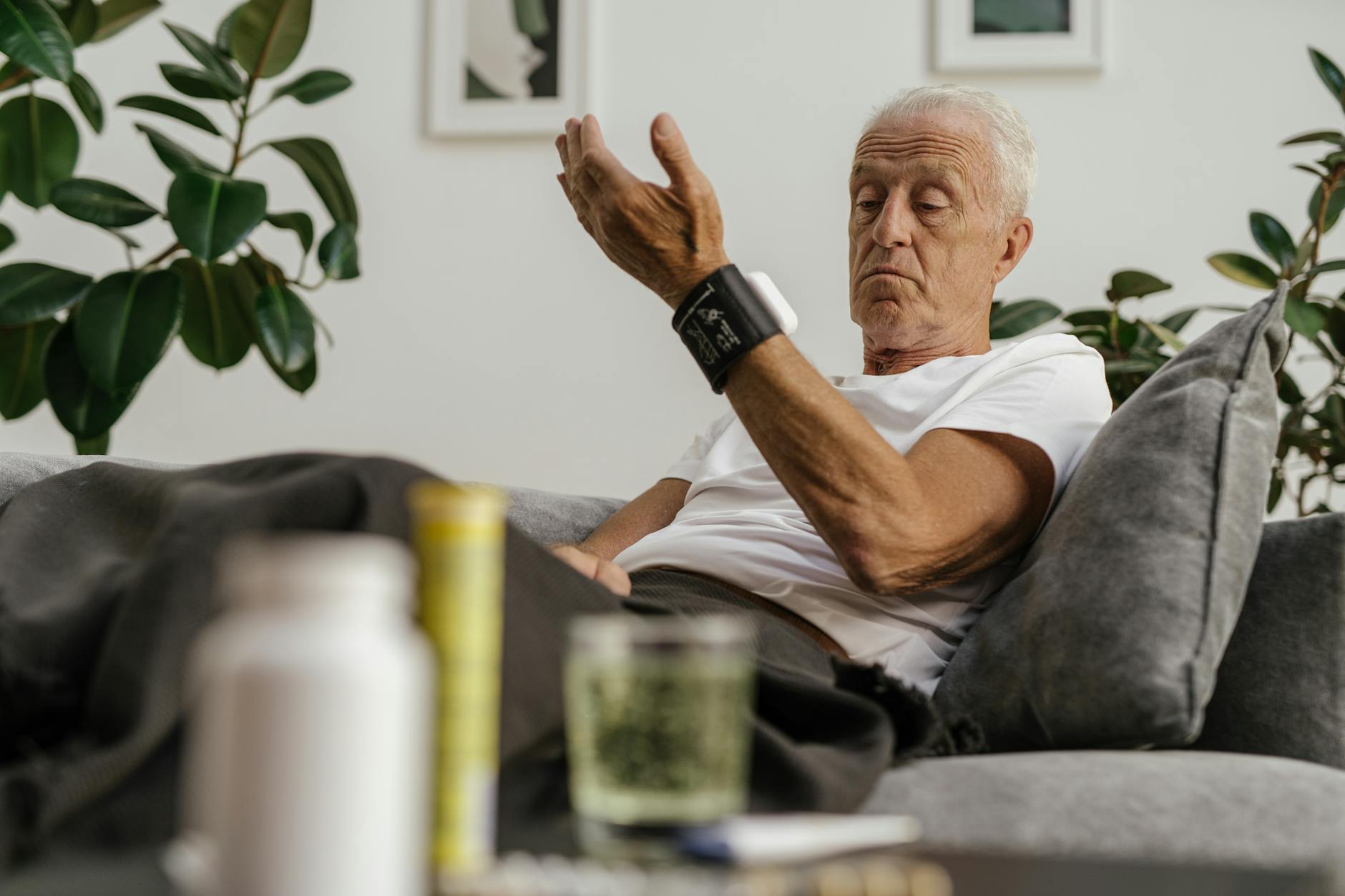
Most fitness watches cram in dozens of features that younger users love, but they often miss what seniors actually need. If you’re shopping for yourself or a loved one over 65, you’ve probably noticed that finding the right fitness tracker means looking beyond flashy bells and whistles.
This guide is for seniors, their adult children, and caregivers who want a smartwatch that actually makes sense for older adults. We’ll break down three key areas where most fitness watches fall short when it comes to senior-friendly design.
You’ll discover why large display fitness watches with high contrast screens make all the difference for daily use. We’ll also cover emergency alert features that give both seniors and their families real peace of mind. Finally, we’ll look at how the best fitness trackers for elderly users focus on simple health monitoring that tracks what matters most without overwhelming you with data you don’t need.
Large Display and High Contrast Features for Better Readability
Adjustable Font Sizes That Accommodate Vision Changes
Vision naturally changes with age, and most fitness watches for seniors completely ignore this reality. Standard fitness trackers display text at a fixed size that works for younger eyes but becomes nearly impossible to read as presbyopia sets in. The best senior-friendly smartwatch features include multiple font size options, allowing users to customize text to their comfort level.
Quality large display fitness watches offer at least three font size settings: standard, large, and extra-large. The extra-large setting should make critical information like heart rate, steps, and time clearly visible without squinting. Some advanced models even provide granular font scaling, letting seniors fine-tune text size to their exact needs.
Beyond just making text bigger, smart font scaling maintains proper spacing between elements. Poor implementations simply blow up text without adjusting layout, creating crowded, confusing displays. Well-designed systems reflow content intelligently, ensuring readability remains crisp even at maximum font sizes.
High Contrast Colour Schemes That Reduce Eye Strain
Colour perception shifts with age, making traditional fitness tracker displays harder to distinguish. Many seniors struggle with subtle colour differences, especially blues and greens. The best fitness tracker for elderly users features high contrast colour schemes specifically designed for aging eyes.
Black text on white backgrounds remains the gold standard for readability, but effective contrast goes beyond simple colour choices. Quality displays offer multiple contrast modes:
- High contrast mode: Pure black text on bright white backgrounds
- Inverted colours: White text on black backgrounds for low-light comfort
- Yellow-tinted displays: Reduce blue light exposure that can cause eye fatigue
- Customizable themes: Allow personal preference adjustments
The most thoughtful senior citizen wearable technology also considers colour blindness, which affects roughly 8% of men and becomes more challenging with age. These devices use patterns, shapes, and textures alongside colour coding to convey important information.
Bright Backlighting for Outdoor Visibility
Outdoor activities are crucial for senior health, but many fitness watches become completely unreadable in bright sunlight. Standard smartphone displays often struggle outdoors, and smaller watch screens face even greater challenges. Easy to use fitness trackers prioritize brilliant backlighting systems that remain visible in any lighting condition.
Premium models feature adaptive brightness that automatically adjusts based on ambient light sensors. When stepping from indoor shade into bright sunshine, the display instantly brightens to maintain visibility. Some advanced units reach 1000+ nits of brightness – comparable to high-end smartphones designed for outdoor use.
Battery life concerns often limit backlighting capabilities, but the best senior health monitoring devices balance power consumption with usability. Look for watches offering manual brightness boost modes that provide extra illumination when needed, even if it temporarily reduces battery life.
Simple, Uncluttered Interface Design
Complexity kills usability for seniors. Most fitness watches cram dozens of features onto tiny screens, creating overwhelming interfaces that frustrate rather than help. Truly senior-focused designs embrace minimalism, presenting only essential information in clean, organized layouts.
Effective elderly fitness watch interfaces follow these principles:
| Design Element | Senior-Friendly Approach | Why It Matters |
|---|---|---|
| Main Screen | Shows 2-3 key metrics maximum | Prevents cognitive overload |
| Navigation | Large, clearly labelled buttons | Accommodates motor skill changes |
| Menu Structure | Maximum 2-3 levels deep | Reduces confusion and getting lost |
| Icons | Text labels alongside symbols | Clearer than icon-only interfaces |
The best implementations use card-based layouts where each screen focuses on one primary function. Time and date get their own screen, health metrics occupy another, and settings remain separate. This approach eliminates the cramped, multi-window displays that plague conventional fitness trackers.
Successful senior interfaces also maintain consistent navigation patterns. Once users learn how to access heart rate data, the same gesture pattern should work for accessing step counts or sleep information. Consistency builds confidence and reduces learning curves that can discourage continued use.
Emergency Safety Features That Provide Peace of Mind
Fall Detection with Automatic Emergency Contacts
When choosing fitness watches for seniors, fall detection stands as one of the most critical safety features that can literally be a lifesaver. Modern senior-friendly smartwatch features now include sophisticated accelerometers and gyroscopes that can distinguish between normal activities and sudden falls.
The technology works by monitoring sudden changes in movement patterns, acceleration, and orientation. When a potential fall is detected, the watch typically gives the wearer about 60 seconds to respond before automatically triggering emergency protocols. This brief window prevents false alarms while ensuring genuine emergencies receive immediate attention.
What sets apart the best fitness tracker for elderly users is the ability to customize emergency contact lists. Users can program multiple contacts, including family members, neighbours, and medical professionals. Some advanced models even integrate with professional monitoring services, providing 24/7 emergency response capabilities.
The automatic calling feature connects directly to emergency contacts through the paired smartphone, sending both voice calls and text messages with location information. This redundancy ensures someone will be notified even if the first contact is unavailable. For seniors living alone, this feature provides invaluable peace of mind for both them and their families.
Medical ID Information Accessible to First Responders
Emergency alert fitness tracker devices now include digital medical ID features that can be accessed even when the device is locked. This information proves crucial during medical emergencies when the wearer may be unconscious or unable to communicate.
The medical ID typically stores essential information including:
- Current medications and dosages
- Known allergies and adverse reactions
- Emergency medical contacts
- Primary care physician information
- Medical conditions and chronic illnesses
- Blood type and organ donor status
- Insurance information
First responders and medical professionals can access this data by pressing specific button combinations or through emergency protocols, even without unlocking the device. This immediate access to medical history can prevent dangerous drug interactions, guide treatment decisions, and contact appropriate medical professionals quickly.
Smart implementation allows users to update information easily through companion apps, ensuring medical details remain current. Family members can often help maintain these profiles, which is particularly helpful for seniors who may have difficulty with technology updates.
GPS Tracking for Family Members During Emergencies
GPS functionality in senior health monitoring devices extends far beyond fitness tracking. During emergencies, precise location data becomes essential for rapid response and family coordination. Advanced GPS features in elderly fitness watch models provide real-time location sharing with designated family members or caregivers.
The tracking capabilities include:
- Real-time location updates during emergency situations
- Geofencing alerts when seniors leave predetermined safe areas
- Location history for understanding daily movement patterns
- Emergency location broadcasting to multiple contacts simultaneously
Family members receive immediate notifications with exact coordinates, making it easier for emergency services to locate seniors quickly. This feature proves especially valuable for seniors with cognitive impairments who may become disoriented or lost.
Privacy controls allow seniors to maintain autonomy while providing safety nets. Many devices offer different privacy levels – routine location sharing with family versus emergency-only broadcasting. This balance respects independence while ensuring safety.
The senior citizen wearable technology market has evolved to include offline GPS capabilities, ensuring location services work even in areas with poor cellular coverage. Some models store location data locally and transmit it once connectivity is restored, preventing gaps in emergency response capabilities.
Battery optimization ensures GPS tracking remains active during critical moments, with many devices offering extended battery life specifically for emergency situations. This reliability makes GPS-enabled fitness watches indispensable tools for senior safety and family peace of mind.
Simplified Health Monitoring That Focuses on Senior Priorities
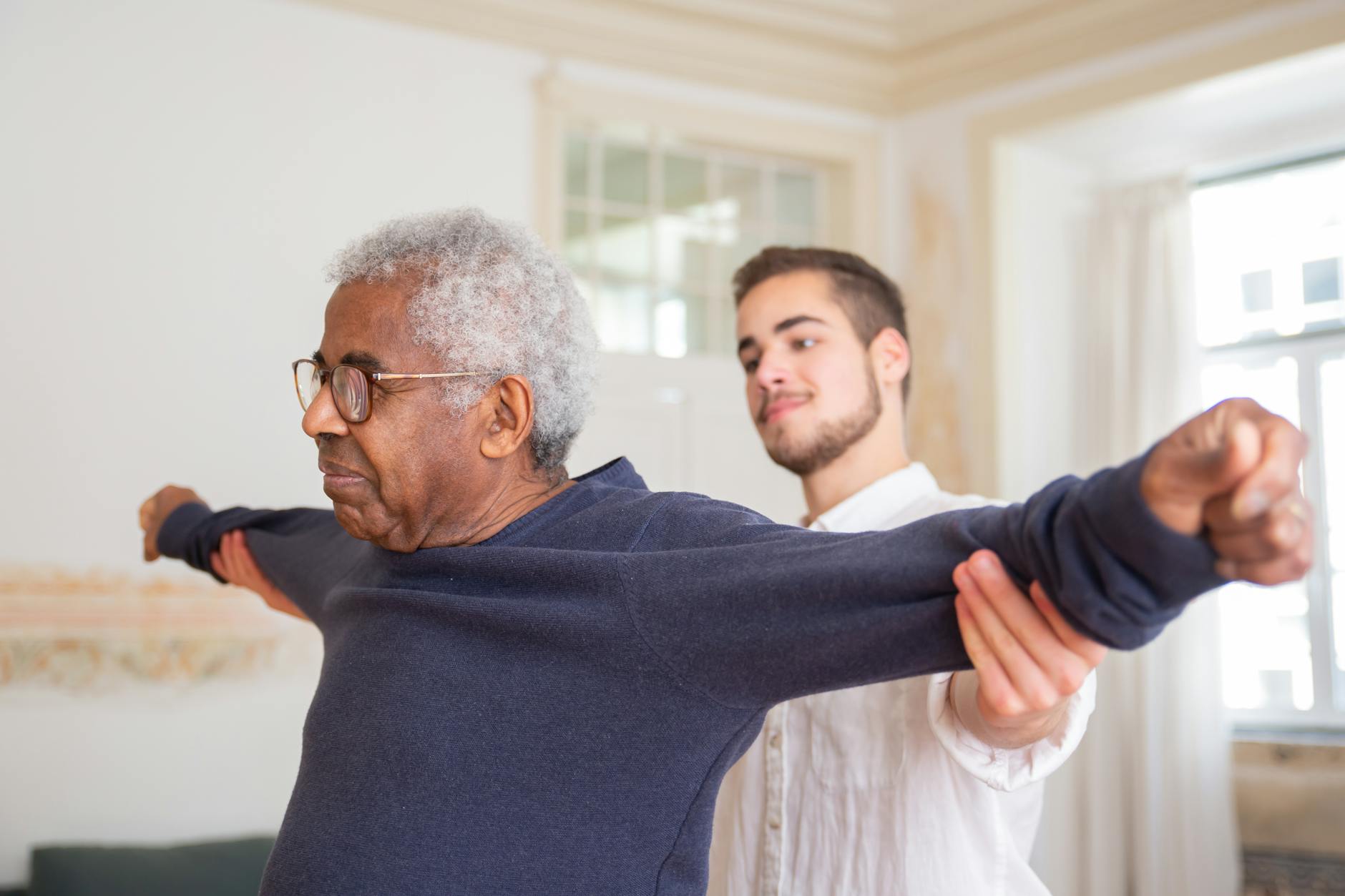
Blood pressure tracking without complicated setup
Most fitness watches for seniors come packed with blood pressure monitoring capabilities, but they often require multiple calibration steps, smartphone connections, and technical know-how that can frustrate older adults. The best senior-friendly smartwatch features include automatic blood pressure detection that works right out of the box. These devices should sync readings without requiring users to navigate through complex menus or remember specific positioning techniques.
Smart watches designed specifically for elderly users offer one-touch blood pressure monitoring with clear, immediate results displayed on large screens. The readings appear in bold numbers with color-coded indicators – green for normal, yellow for elevated, and red for concerning levels. This visual system eliminates confusion about whether readings fall within healthy ranges.
Quality senior health monitoring devices store blood pressure data automatically and can share results with family members or healthcare providers through simple email or text alerts. Users don’t need to manually log readings or struggle with complicated apps to track their cardiovascular health over time.
Medication reminders with customisable alerts
Prescription management becomes increasingly important with age, yet most fitness trackers treat medication reminders as an afterthought. Senior-friendly devices prioritize this feature with loud, persistent alarms that continue until acknowledged. The best fitness tracker for elderly users includes vibration alerts combined with audio notifications to accommodate users with hearing difficulties.
These watches allow family members or caregivers to set up medication schedules remotely, removing the technical burden from seniors. The device displays clear medication names, dosages, and timing information on the watch face. Some advanced models even include photos of pills to help users identify the correct medications.
Smart reminder systems account for missed doses by sending follow-up alerts and notifying designated contacts when medications aren’t taken on schedule. This feature provides peace of mind for both seniors and their loved ones without feeling intrusive or overwhelming.
Heart rate monitoring with clear abnormality warnings
Traditional fitness watches bombard users with heart rate zones, target ranges, and workout metrics that don’t align with senior priorities. Senior citizen wearable technology should focus on detecting irregular heartbeats, unusual spikes, or concerning patterns rather than athletic performance data.
The most effective monitors use simple language to communicate heart health status. Instead of displaying “HR Zone 4” or complex graphs, these devices show messages like “Heart rate seems high – consider resting” or “Irregular rhythm detected – contact your doctor.” This straightforward communication helps seniors understand when to seek medical attention.
Continuous monitoring runs quietly in the background without draining battery life or requiring user intervention. The watch only alerts seniors when something needs their attention, preventing alarm fatigue from constant notifications about normal variations in heart rate.
Sleep quality analysis with actionable insights
Sleep tracking in most fitness watches produces overwhelming data charts that don’t help seniors improve their rest. Easy to use fitness trackers designed for older adults translate sleep data into simple recommendations like “Try going to bed 30 minutes earlier” or “Your deep sleep improved this week.”
These devices track sleep patterns without requiring seniors to remember to activate sleep mode or wear uncomfortable chest straps. The analysis focuses on practical factors like time spent awake during the night, overall sleep duration, and consistency of bedtime routines rather than complex sleep stage breakdowns.
Morning summaries appear automatically on the watch display using simple scores or star ratings. Seniors can quickly understand whether they had a good night’s sleep without interpreting detailed graphs or percentages.
Step counting with realistic, age-appropriate goals
Generic fitness trackers often default to 10,000 steps daily, which can be discouraging or unrealistic for many seniors. Large display fitness watches tailored for older adults start with achievable goals based on current activity levels and gradually increase targets as fitness improves.
These devices celebrate small victories like walking to the mailbox or taking stairs instead of an elevator. The step counter adjusts automatically for walking aids, slower paces, or mobility limitations that might affect step detection accuracy.
Progress tracking emphasizes consistency over intensity, showing weekly patterns and encouraging steady movement throughout the day. The watch might suggest gentle reminders to stand or take short walks rather than pushing for high-intensity workouts that may not suit senior lifestyles.
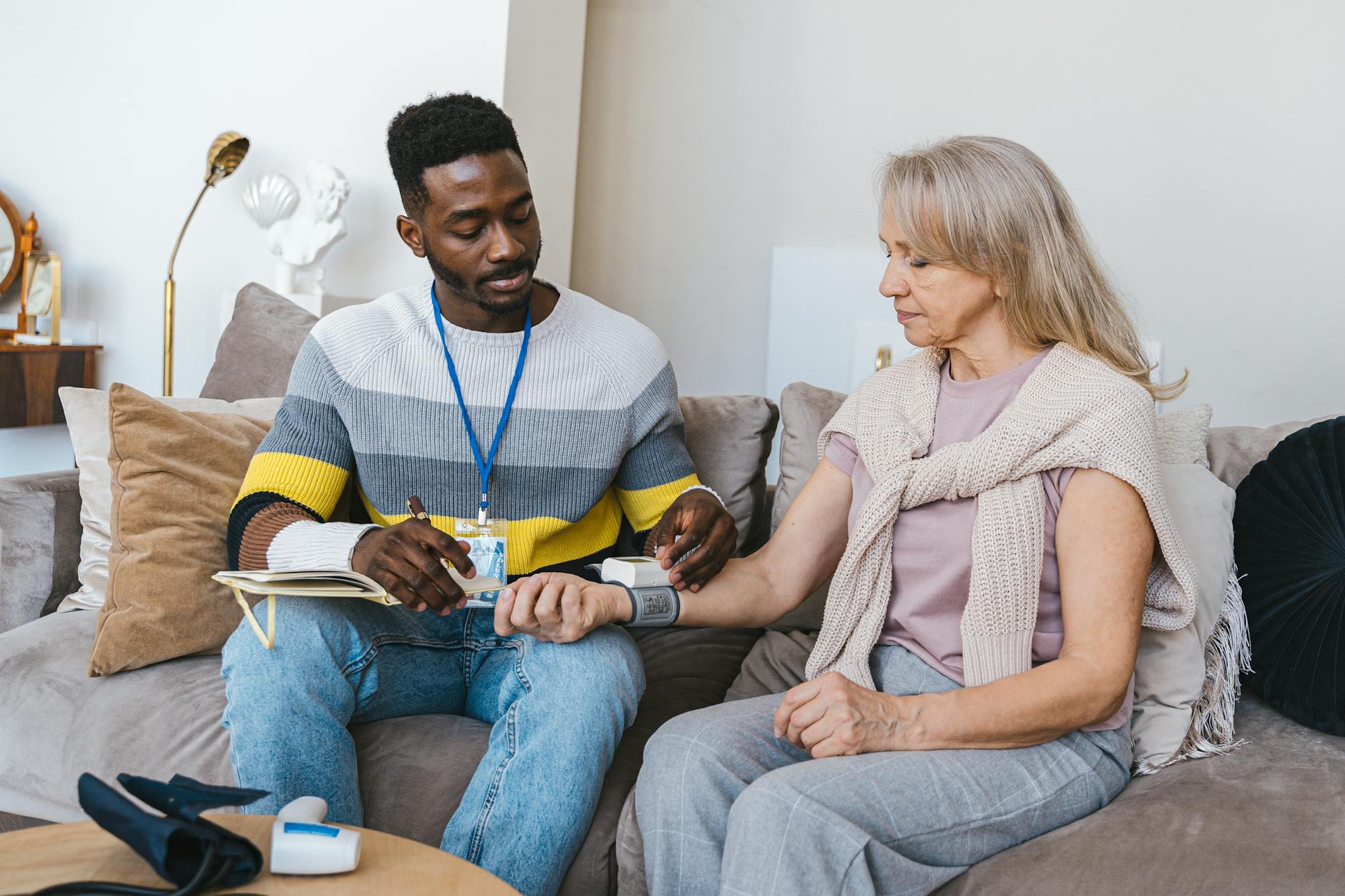
Most fitness watches today focus on younger users, leaving seniors to struggle with tiny screens, confusing health data, and devices that don’t address their real safety concerns. The three features we’ve covered – large, high-contrast displays, emergency safety options, and simplified health tracking – aren’t just nice-to-have extras for seniors. They’re the difference between a watch that sits in a drawer and one that becomes a daily companion that actually improves quality of life.
Tech companies need to wake up and realize that seniors represent a huge market with specific needs. If you’re shopping for yourself or a loved one, don’t settle for a watch that forces you to squint at the screen or floods you with data you don’t need. Look for devices that prioritize readability, safety, and the health metrics that matter most to seniors. The right fitness watch should make you feel more confident and secure, not frustrated and overwhelmed.