

Fish Oil After 40: Benefits, Timing & Alternatives
Vitamin C After 40 – The Antioxidant Powerhouse for Healthy Ageing
As we pass our 40s, our bodies face new demands. Immune defences gradually become less robust, skin and connective‑tissue renewal slows, and the accumulative impact of oxidative stress starts to show. That’s where vitamin C steps in — a vital nutrient whose role becomes even more relevant in the decades beyond 40. In this article we’ll explore why vitamin C matters more as we age, how it supports immunity, skin, joints and antioxidant defence, how to choose the right sources and supplements, and how to integrate it wisely into your healthy‑ageing plan.
EverWise Health Vitamin C + Zinc Complex
Why Vitamin C Matters More as You Age
Vitamin C (also called ascorbic acid) is a water‑soluble vitamin that humans cannot synthesise, so it must be obtained from diet or supplements.
Key functions include: – Collagen synthesis (essential for skin, ligaments, blood‑vessels)
– Antioxidant activity: regeneration of other antioxidants, neutralising free‑radicals
– Supporting immune function (white‑cell vitamin C levels are higher than plasma)
– Enhancing non‑heme iron absorption (plant‑based iron)
As we age: – Oxidative stress accumulates (from metabolism, environment, lifestyle). More antioxidants like vitamin C help buffer this.
– Collagen production slows; connective‑tissue repair becomes less efficient → skin loses elasticity, joints become stiffer, wound‑healing may delay.
– Immune responsiveness changes: older adults may have more frequent or severe infections, slower recovery.
– Dietary intake may slip (less variety, reduced appetite, cooking losses) and absorption or status may change, so ensuring sufficiency becomes more important.
A critical review noted that maintaining healthy vitamin C levels may help protect against age‑related cognitive decline and other chronic ageing processes. Source: PMC3727637
In short: beyond simply avoiding deficiency, optimising vitamin C intake is a smart strategy for the 40+ adult who wishes to age healthily.
Immune Booster 40+ – Vitamin C & Elderberry Blend
Strengthening Your Immune System Naturally
After age 40, our immune system is exposed to more “wear and tear” — times of flu, low‑grade inflammation, slower recovery from infections or injury. Vitamin C plays a supportive role.
-
White‑blood‑cells concentrate vitamin C, which supports their function.
-
While high‑dose vitamin C doesn’t appear to prevent the common cold in everyone, regular intake of at least ~200 mg/day may modestly reduce duration of colds or benefit those under physical stress or with marginal status.
-
Observational data show higher vitamin C intake correlates with better cardiovascular‑ and ageing‑related biomarkers (though supplementation trials are mixed).
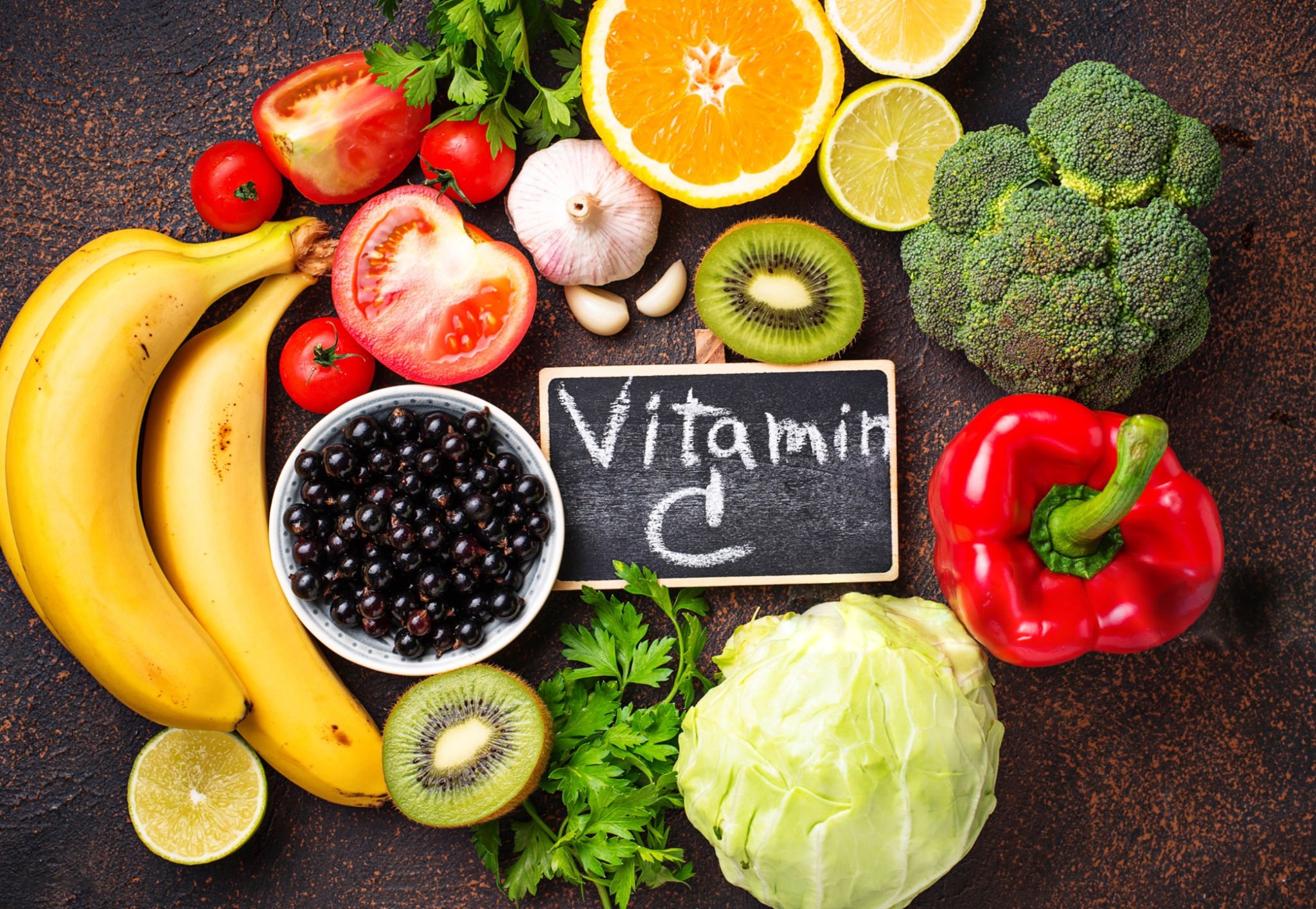
Practical takeaway: Make sure your diet includes colourful fruits and vegetables (citrus, kiwifruit, red/green peppers, strawberries, broccoli) which deliver vitamin C plus synergistic phytonutrients. As you age, you might benefit from a high‑quality vitamin C supplement (see below) to help close the gap.
Skin, Collagen & Recovery Support
One of the most visible signs of ageing is changes in skin tone, firmness, elasticity and wound healing. Vitamin C contributes in several ways:
-
It’s a co‑factor for enzymes that catalyse collagen formation (pro‑collagen to collagen), supporting the structural integrity of skin, cartilage, blood vessels and tendons.
-
As an antioxidant, it helps protect skin and connective tissue from oxidative damage (from UV, pollutants, internal metabolism) which accelerates ageing.
-
With repair: older adults often heal more slowly — ensuring adequate vitamin C gives the body one of the building‑blocks it needs.
Tip: Pair your vitamin C (diet or supplement) with other skin‑ and connective‑tissue supportive behaviours:
– Adequate protein intake (for collagen building)
– Good sleep (repair happens in rest)
– Sun‑protection (to reduce oxidative stress)
– Avoiding smoking (smokers require more vitamin C)
Highlighting the role of taking a collagen‑supporting vitamin C supplement can fit naturally into your healthy‑ageing narrative.
EverWise Health Collagen Support with Vitamin C
Choosing the Right Supplement & Dosage
Dietary Sources First
According to the Office of Dietary Supplements (NIH) “Health Professional Fact Sheet”, best dietary sources include citrus fruits, kiwifruit, red/green peppers, strawberries, Brussels sprouts & broccoli. Even cooking reduces vitamin C content (as it is water‑soluble and heat sensitive).
In Australia, the National Health and Medical Research Council (NHMRC) / “Eat for Health” site states for vitamin C: while a full upper‑limit may be hard to specify, a prudent upper intake for adults is around 1 000 mg/day. Source
Recommended Intakes & Supplementation
-
For healthy adults the RDA in the US is approx 90 mg/day for men and 75 mg/day for women.
-
When ageing, dietary intake may need to be on the higher side to support antioxidant/repair demands (though large‑scale trials of very high doses are inconclusive).
-
Upper Intake Level (UL) in US is 2 000 mg/day for adults.
-
As a practical guide for many over‑40‑adults: a supplement in the range of 200‑500 mg/day (in addition to a vitamin‑C‑rich diet) offers a sensible “insurance” without going into aggressive high‑dose territory.
Liposomal Vitamin C – High Absorption Formula
What to Look For in a Supplement
When choosing a vitamin C supplement, consider:
– Form: Ascorbic acid is the standard and has good bioavailability.
– Additional forms: Buffered forms (calcium ascorbate, magnesium ascorbate), liposomal vitamin C, or natural extract blends may offer gentler absorption or marketing appeal — although evidence of major clinical superiority is limited.
– Quality: Use a third‑party tested product, manufactured according to good‑manufacturing practice, with clear labelling.
– Integration: It should complement your diet and lifestyle — not substitute for it.
Safety & Interactions
-
Generally safe, but very high doses (>2 000 mg/day) may cause gastrointestinal upset (diarrhoea, cramps) or increase oxalate risk (kidney stones) in susceptible individuals.
-
People with certain conditions (e.g., hemochromatosis, kidney‑stone history, on high‑dose iron) should consult their healthcare provider before high‑dose vitamin C.
Final Thoughts
For adults over 40, vitamin C is more than just another nutrient — it’s a cornerstone support of immunity, antioxidant defence, collagen and connective‑tissue health, and healthy ageing. Think of it as part of your foundation:
– Eat a colourful, whole‑food diet rich in fruits and vegetables.
– Supplement smartly (e.g., 200‑500 mg/day) if your diet has gaps or you want extra support.
– Combine with other healthy‑ageing behaviours: regular exercise, good sleep, stress management, sun‑protection, avoiding smoking.
At EverWise Health we recommend checking out our well‑formulated vitamin C supplements (third‑party tested, trusted brand) to complement your diet and support vibrant health after 40.
Explore our range now → Explore the EverWise Health Vitamin C Range
Medical Disclaimer
This information is for general educational purposes only and is not a substitute for professional medical advice, diagnosis, or treatment. Always consult a qualified health professional before starting any supplement or treatment